How to Change Your Garage Door Keypad Code: Why It Matters and How a Home Warranty Can Help
Security, convenience, and peace of mind often start right at your garage—literally. Your garage door keypad system is a crucial component of your home’s access infrastructure. It provides secure entry and seamless operation, whether you’re coming home from work, letting in a family member, or giving access to a trusted service provider. But like all home systems, garage keypads require regular maintenance, updates, and sometimes, a simple code change. Knowing how to change your garage door keypad code isn’t just helpful—it’s essential to sustaining your home’s overall safety. More importantly, this ever-so-simple process connects to a wider ecosystem of protecting your home’s systems, where a home warranty plan can ultimately add value.
Understanding Garage Door Keypads and Why They Matter
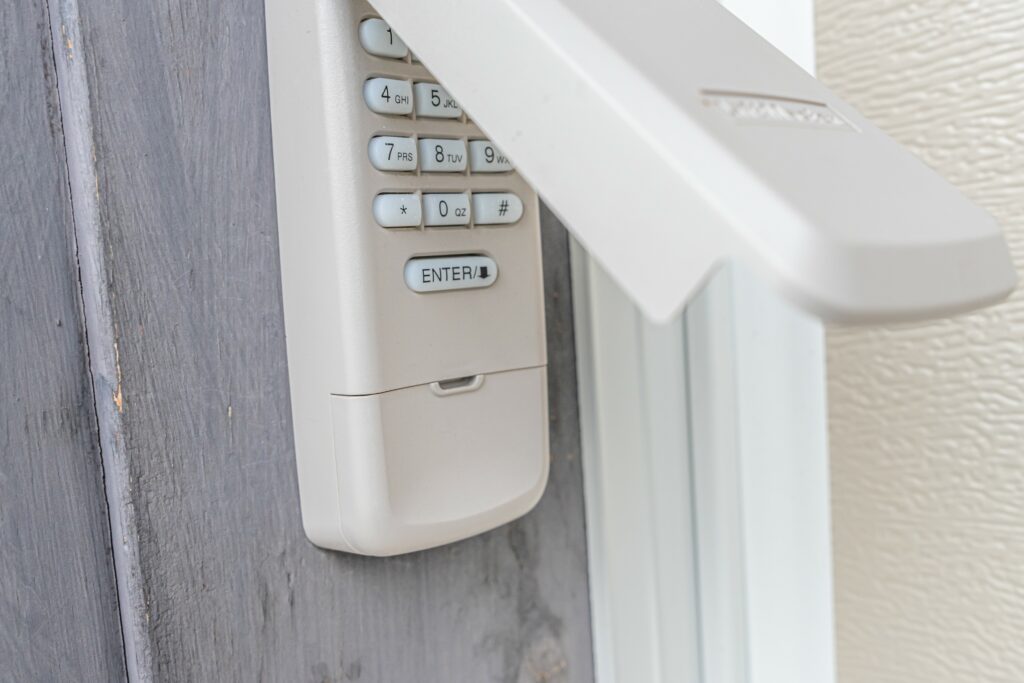
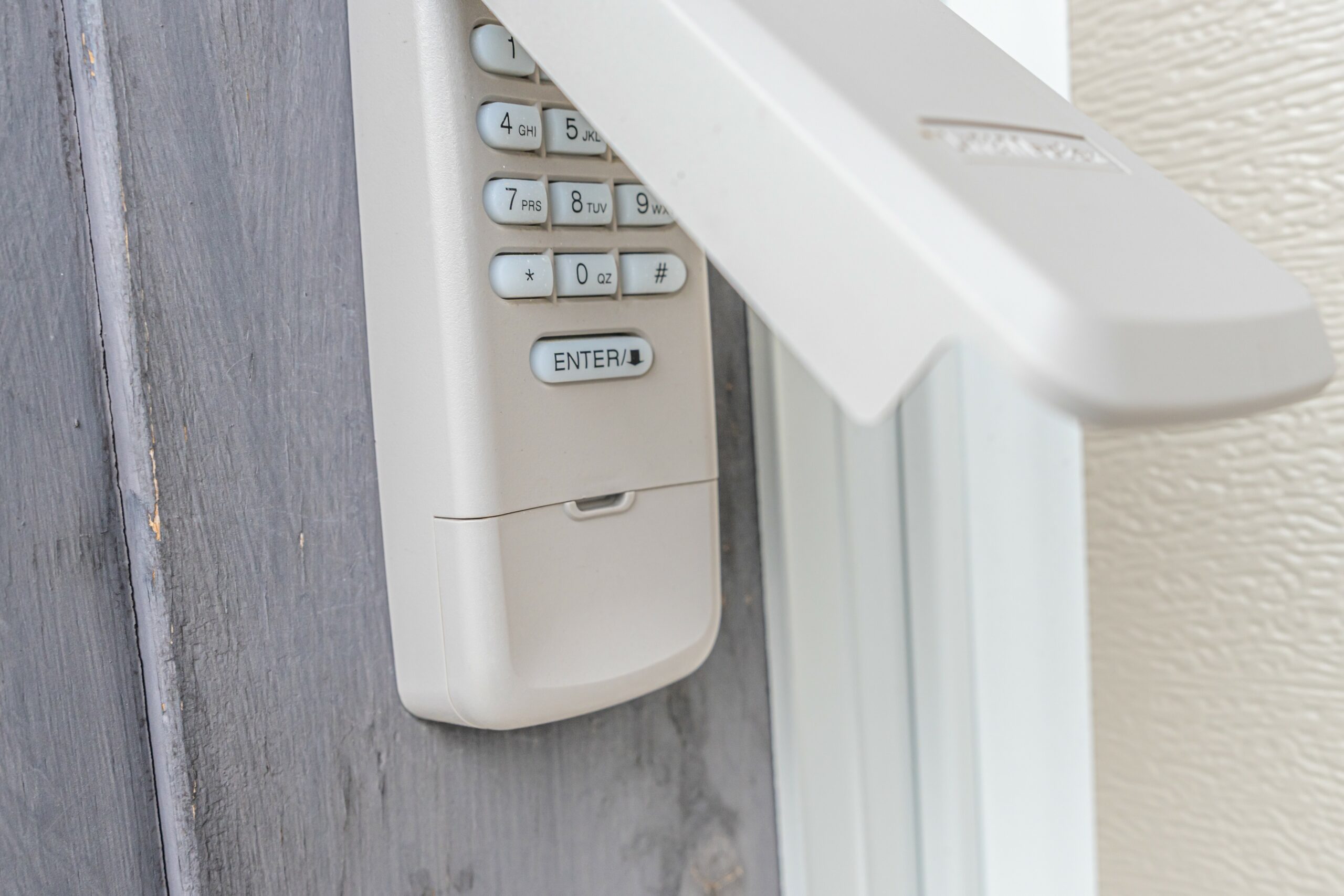
Garage door keypads are mounted numeric panels typically placed outside your garage door. Operated via a secure code, these systems eliminate the need for remotes or keys, acting as a digital lock for one of the largest entrances to your home. Designed with wireless technology, most models communicate with your garage door opener using radio frequencies. With just a code entry, you can reliably open or lock your garage, keeping unwanted guests out while welcoming authorized users in.
But convenience isn’t the only value. Security enhancement is a major draw. Modern garage keypad systems use rolling-code technology, which changes the access signal after each use. This prevents code jacking—a known method of burglars copying your access signal. That said, even rolling codes aren’t foolproof if your personal entry code remains unchanged for years. Regularly updating the code adds a personal security layer, especially after sharing it with contractors, house sitters, or if suspicious activity occurs in your neighborhood.
How Changing Your Garage Door Keypad Code Actually Works
While keypad designs vary by manufacturer, the overall process to update your code is universally straightforward. On most models from major brands like LiftMaster, Chamberlain, or Genie, the first step involves accessing the opener unit—usually mounted on the garage ceiling. Here, you’ll find a “Learn” or “Program” button. Pressing and holding this button for several seconds initiates a system reset or pairing process. After that, you enter the new code on your keypad followed by a confirmation button (typically “Enter” or “#”). Some newer keypads allow code changes directly via the panel, removing the need to touch the motor unit at all.
This entire process takes just a few minutes but yields long-term security benefits. Make it a habit to change the code annually. If you’ve recently moved into a new home or if you ever give out the code to a third party, consider updating it immediately. How frequently you change it reflects how tightly you want to control access—and that’s a good thing.
Advantages of a Garage Keypad System
The most evident benefit is convenience. For households that don’t want to manage multiple remotes or constantly remember keys, the keypad removes friction from daily access. For families with kids or aging parents, it’s a fail-safe, independent point of entry. Some keypads today are even compatible with smart home systems, allowing you to monitor usage through your smartphone.
Security-wise, garage keypads add a defined point of control. You decide who gets in, how they gain access, and when that access terminates. Temporary codes can be created for one-time use—ideal for service appointments or delivery drops inside the garage. In a connected world, this subtle bit of digital infrastructure serves as your first line of supervised defense.
Common Drawbacks and Maintenance Considerations
While garage keypads are generally reliable, they’re not immune to wear or failure. Battery life is an overlooked factor. Most keypads operate on 9V or AA batteries, which should be swapped annually to maintain full functionality. Failing to do so can result in unresponsive buttons just when you need access most.
Keypad buttons can also degrade from exposure to the elements—sun, rain, snow, or temperature fluctuations. Flat membrane keys can crack, and over time, numbers may fade, increasing chances of miscodes. Finally, electronic interference in your neighborhood—from new devices or even home upgrades—can occasionally interrupt signal transmission between the keypad and opener. If your keypad starts malfunctioning, it’s never “just a fluke.” It’s a system requesting attention.
What Happens When Your Garage Door Opener Fails?
Here is where the scene shifts from inconvenience to emergency. If your keypad works but the opener fails, you risk being stuck inside—or worse, stuck outside. That’s when you’d be calling for urgent repairs. Motor breakdown, stripped gears, faulty circuit boards—all common failure points. Unfortunately, many homeowners don’t realize garage door openers straddle the line between mechanical and electrical systems, making them expensive to repair and often overlooked until the failure is absolute.
This is also when most consider whether their basic homeowners insurance—or if they have one—covers such a breakdown. Spoiler: it usually doesn’t. Mechanical failure due to wear and tear is rarely protected by homeowner policies.
The Overlap Between Home Warranties and Garage Systems
Here’s the crossroad where routine maintenance meets preventive protection. A home warranty plan can step in where traditional insurance steps back. When home systems like your garage door opener fail due to normal use, warranty coverage can absorb much of the repair or replacement cost. The key is to choose a warranty provider that explicitly includes garage door openers and associated components like keypads, touchpads, or integrated Wi-Fi tech.
In the home warranty industry, this inclusion is no longer a fringe feature but a core requirement for modern homeowners who integrate automation and enhanced security throughout their home. If garage access is integral to your daily life—and for most, it is—then shielding that system under a home warranty offers not only value, but resilience.
Secure Your Garage and Everything Behind It with Armadillo
Your garage keypad may seem like a relatively minor piece of the home, but its role is pivotal. It governs who enters, when, and how securely. Regularly updating your code prevents risk. Maintaining the keypad’s condition enhances reliability. But when failure strikes in systems beyond your control—motors, sensors, circuits—a comprehensive home warranty from Armadillo bridges the financial and operational gap.
At Armadillo, garage door openers and their systems are included in home warranty coverage options, thoughtfully designed for modern homeowners. Our support services handle the hard part so you can keep your home running smoothly even when the unexpected happens. Learn more about how Armadillo can safeguard your home’s systems with transparency and efficiency at www.armadillo.one. Ready to build a plan that includes protection for your garage door opener? Get started now at our plan builder—because every home deserves a smarter layer of protection.