How to Change Your Garage Keypad Code: A Homeowner’s Guide to Security and Convenience
Modern garage door systems are more than just entry points—they are a component of your home’s broader security infrastructure. One convenient feature many homeowners rely on is the garage door keypad. This wireless entry system allows you to enter your home without a physical key, providing both flexibility and control. However, changing the keypad code regularly, especially after moving into a new home or experiencing a security concern, is crucial for keeping your property secure. This article will walk you through what a garage keypad is, how it functions, the benefits and pitfalls of using one, and exactly how to reset or change your code. We’ll also explore how garage systems and home warranty coverage connect, and why choosing the right partner, like Armadillo, can simplify system maintenance and peace of mind.
What Is a Garage Door Keypad and How Does It Work?
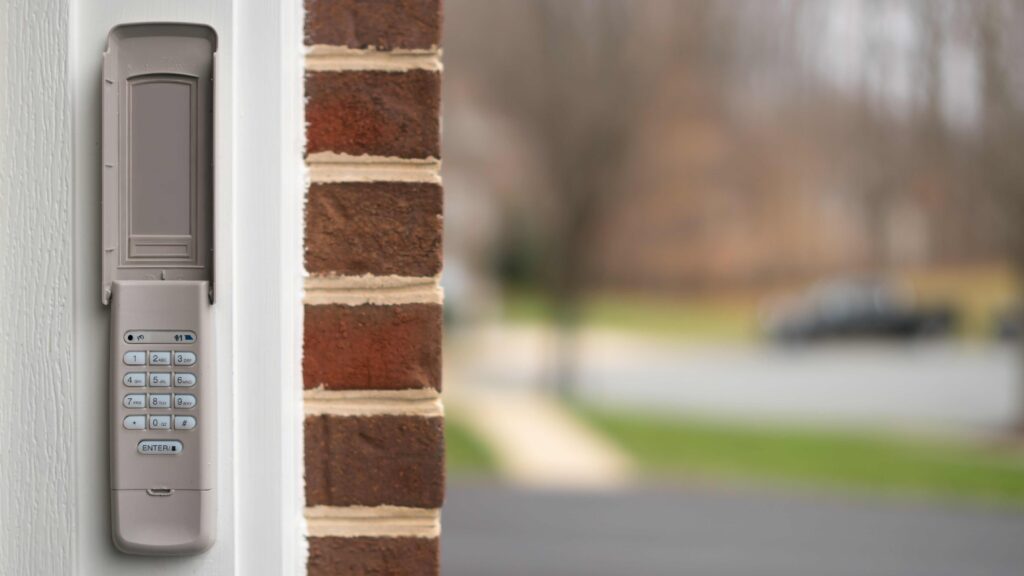
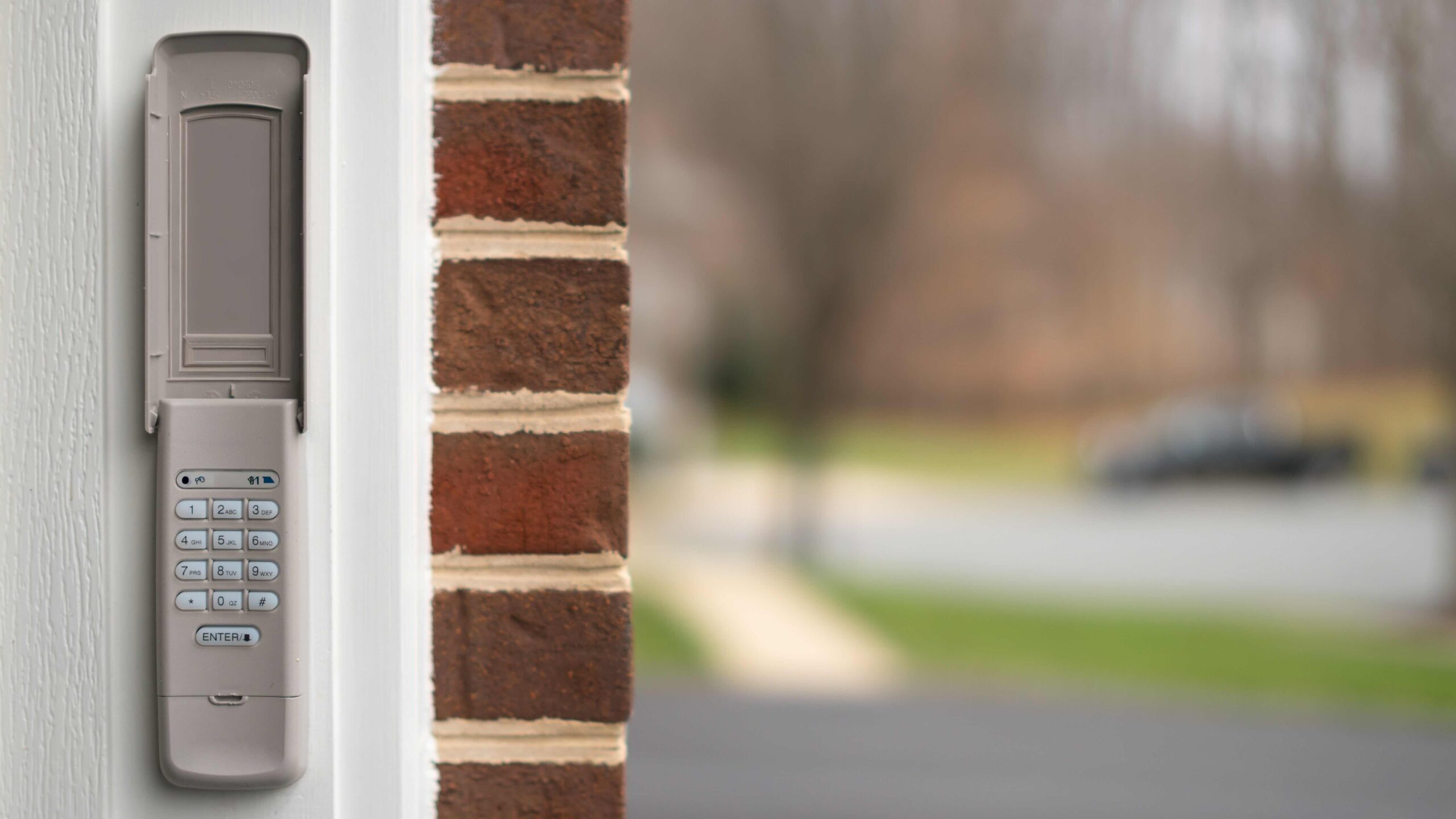
A garage door keypad is part of your garage door opener system. It’s typically installed just outside the garage, allowing users to input a numerical PIN to open and close the garage door. The keypad communicates wirelessly with the opener, signaling it to activate the door motor once the correct code is entered. Most keypads operate on a rolling security code or fixed PIN system depending on the model and age of the unit. Rolling code systems change the code signal with every use, adding an extra layer of security. While models and mechanisms vary slightly among manufacturers like LiftMaster, Chamberlain, Genie, and Craftsman, the fundamental workflow is consistent: code input → signal transmission → motor activated → door opens or closes.
Why You Should Change Your Garage Keypad Code
Changing your garage code isn’t something to overlook. If you’ve recently purchased a home, there’s a chance the previous owners shared the existing code with family, neighbors, or service professionals. Keeping that code unchanged puts your home at unnecessary risk. Likewise, if you’ve experienced a garage break-in or misplaced a remote keypad, updating the code helps re-secure access. Rotating your code on a regular basis is just good home security hygiene. Much like changing passwords on your devices, it minimizes vulnerabilities by limiting repeated exposure to the same credentials. It also offers a psychological advantage—when your home’s systems feel secure, so do you.
Step-by-Step: How to Change Your Garage Keypad Code
Although keypad models differ, most follow a similar process to reset or change the existing code. First, locate the “learn” or “program” button on the garage door opener motor unit, which is typically on the housing ceiling of the garage. Press and release this button, then within 30 seconds, return to the keypad and enter your new code followed by the enter or learn button on the keypad. You’ll often see a flashing light or hear a click from the opener confirming the new code is accepted. In certain models, resetting involves holding the enter and learn buttons simultaneously until the LED light changes. Always refer to your system’s manual—each manufacturer can vary in small but significant ways. It’s a three-minute job that can save you serious complications down the road.
Advantages of Using a Garage Keypad System
These keyless systems offer undeniable convenience. Whether you’re coming back from a jog without your keys or letting kids or guests into the garage while you’re away, remote access becomes frictionless. Keypads eliminate the need for spare keys or remote openers, and in smart models, you can even program temporary codes for time-bound access. When paired with Wi-Fi-connected openers, some systems allow real-time alerts and remote configuration. For families, multi-user functionality supports different codes for different needs. Most importantly, the system enhances independence—whether for aging parents or teens returning from school, everyone gets in safely and easily.
Common Drawbacks and How to Navigate Them
Despite their advantages, keypad systems are not without limitations. Weather exposure can degrade keypad performance over time. Cold temperatures may affect battery life, while sunlight and moisture can impact the wireless signal or button sensitivity. Lower-end models may wear out quicker, leading to unresponsive keys or stuck digits. Additionally, fixed PIN systems pose a minimal but real security risk if someone observes or deduces the code pattern. Periodic cleaning, battery replacement, and investing in a durable, weather-resistant model can mitigate many of these limitations. For rolling code systems, be cautious not to lose track of which code is currently programmed—tracking and managing resets is essential to avoid confusion or lockouts.
How This Connects to Your Home Warranty Coverage
Your garage garage opener system—including the motor and keypad—is often part of a broader network of home devices eligible for warranty coverage. A standard home warranty plan may include garage door opener components, protecting against breakdowns from normal wear and use. This ensures that if your system fails to accept a code or the opener fails entirely, the cost of repair or replacement isn’t suddenly and entirely out of pocket. By offering financial predictability and access to certified technicians, home warranties provide both peace of mind and a clear protocol in moments when home systems underperform. Combining simple maintenance (like updating a keypad code) with structured warranty protection forms a smart, layered approach to home upkeep.
Tips for Managing and Storing Garage Door Codes Safely
Keep track of any changes to your garage code in a secure and retrievable place. Avoid keeping the code written near the garage entrance or saved in an easily accessed digital file. Use a password manager application if you prefer digital storage, or keep a physical backup with your home documents. Be mindful about who receives temporary access and how long they retain the code. Establish a routine system of updating access keys every six months or immediately after a noticeable security concern. If your system supports activity logs, use them—monitoring access patterns can help you spot irregular behavior early. Maintaining this simple habit is a modest time investment that reinforces vigilance across your home security approach.
Why Armadillo Should Be Part of Your Smart Home Strategy
Updating your garage keypad code is not just a maintenance task—it’s a security decision that ties into your broader responsibility as a homeowner. And smart decisions demand smart protection. With a home warranty from Armadillo, you gain coverage support that extends to your garage door opener system and beyond. If your keypad begins to fail, your remote fizzes out, or the motor loses connection, an Armadillo plan can help absorb the cost of repairs, ensure quality service, and keep every entryway to your home functioning dependably. The plan-building process is quick, customizable, and transparent. Start structuring your protection today by visiting this page and building a plan that fits your needs. Stay in control, stay protected, and keep access to your home secure—right down to the keypad.