How to Change the Garage Door Opener Code on a LiftMaster: A Homeowner’s Guide
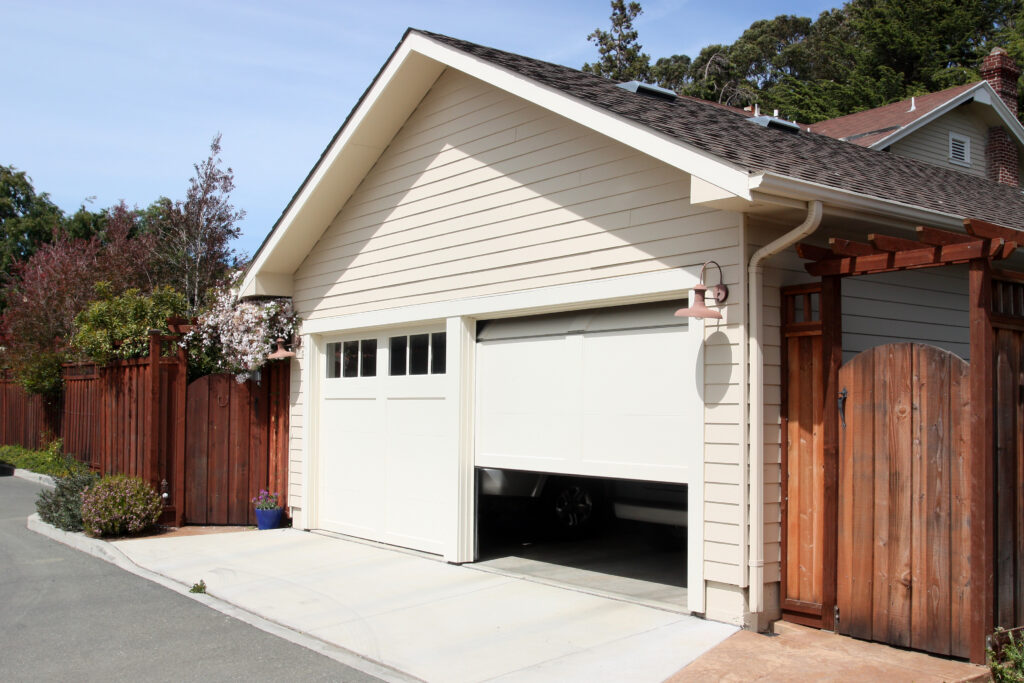
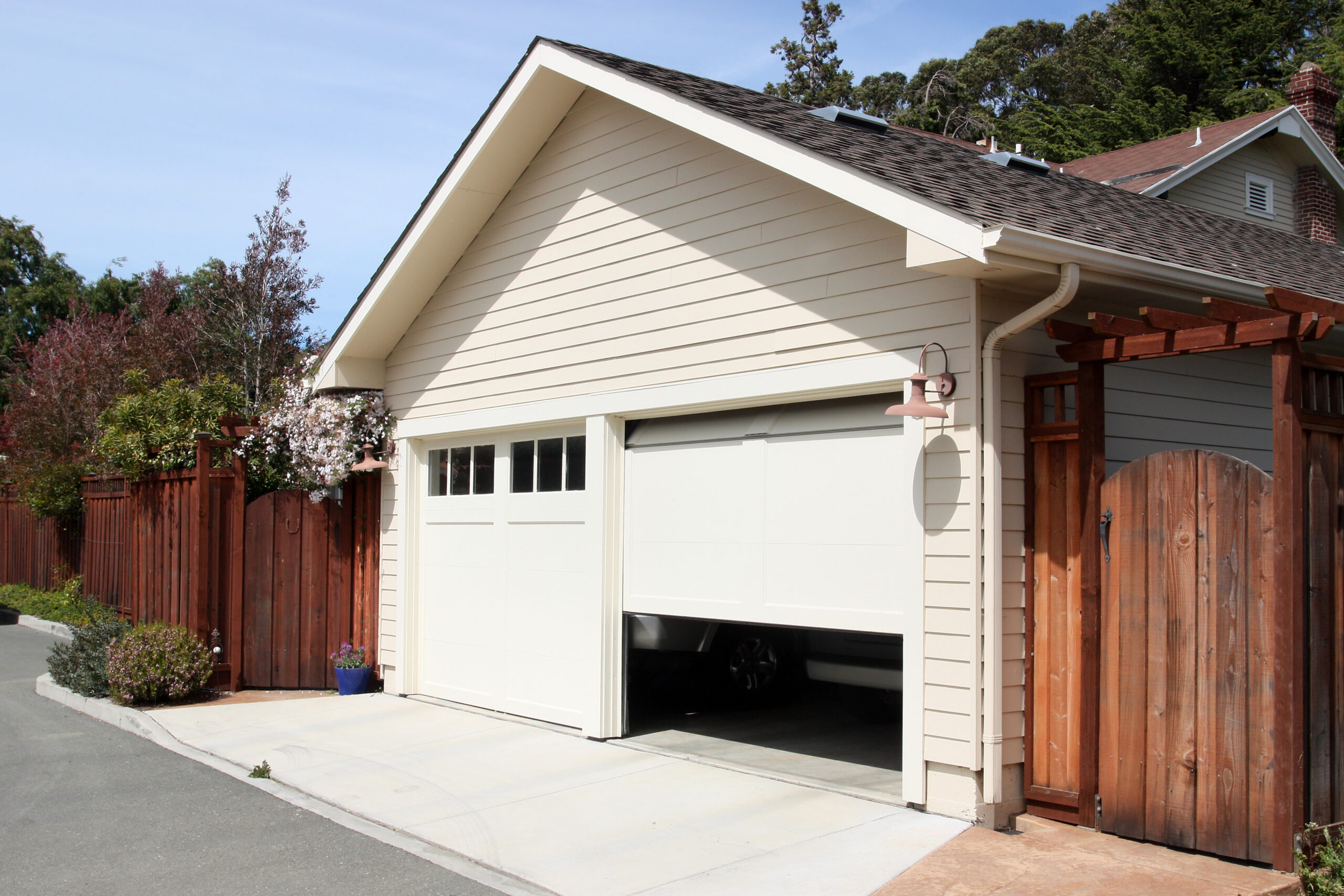
As a homeowner, securing your home doesn’t stop at locking the front door. One often-overlooked access point is your garage, especially when equipped with an automatic opener like a LiftMaster. Knowing how and when to change your garage door opener code is a small action with significant impact—not just for your peace of mind, but for the long-term protection of everything in your home. And when you’re thinking about home maintenance and improvements, systems like your garage door opener quietly play a crucial role in keeping things safe and functional. Let’s walk through what your LiftMaster garage door opener is, how it works, how to update the access code, and why it matters for your security and your home warranty coverage.
Understanding Your LiftMaster Garage Door Opener
LiftMaster is one of the most trusted brands in garage door technology, known for producing durable, reliable openers that make daily life more convenient. What homeowners may not realize is that LiftMaster openers integrate advanced security features to prevent unauthorized access. They operate through a motorized system that opens and closes your garage door remotely via transmitters, typically in your vehicle or handheld. These devices communicate with the opener using radio frequency signals, which can be coded for unique access.
Garage door openers built in recent years come equipped with rolling code technology—a security feature that changes your opener’s code each time the remote is used. However, if you’ve given out temporary access to neighbors, contractors, or a house sitter—or you’ve purchased a new home—it’s a good idea to manually change the entry code.
How the Code System Works
Before we dive into changing the code, it’s helpful to understand what the code actually does. At a basic level, the code is part of a wireless signal that tells your garage door motor to activate. Most modern LiftMaster models use Security+ 2.0 technology. This system generates a new code every time the remote is used, making it nearly impossible for hackers to replicate the signal. However, for keypads mounted outside the garage or older remotes, there’s still a static access code that should be changed periodically to maintain security.
Whether you’re using a wireless keypad, in-car transmitter, or traditional remote, resetting your system ensures that only current, authorized users can enter your garage. If someone else had prior logical access, or if you’ve installed a used system, there’s no guarantee that older codes haven’t been shared. And if your home warranty covers garage door opener systems, maintaining secure and updated access credentials is a best practice that supports your warranty terms.
Step-by-Step: How to Change the LiftMaster Code
Changing the code on your LiftMaster opener isn’t complicated, but you’ll want to follow the process carefully. First, locate the “Learn” button. This is usually found on the back or side of the motor unit inside the garage. It may be yellow, red, orange, or purple depending on model and year. Pressing and releasing this button puts the opener into a programming mode.
For a wireless keypad, after pressing the “Learn” button, return to the keypad and enter your new four-digit code, then press and hold the Enter button until the opener lights blink. For newer MyQ-compatible systems, the process can also be completed via the LiftMaster mobile app. That digital option lets you manage access codes remotely and even monitor who’s coming and going. Always consult your opener’s specific user manual, or LiftMaster’s website, for your model’s instructions.
Once updated, test each remote and keypad. Clear out any remotes you no longer use by holding the “Learn” button again until the indicator light turns off—this resets all programmed settings. Then reprogram the ones still in use with your new code settings. This might feel meticulous, but it’s the kind of maintenance that pays off in reliability and security.
Benefits of Regularly Updating Your Garage Opener Code
Security is the most obvious and immediate benefit of changing your garage opener’s access code. With home break-ins often targeting access through garages or service doors, keeping this entry point secure adds another layer of protection. Moreover, conducting regular updates protects you from digital vulnerability. While rare, signal interception tools made it possible—especially in older systems—for criminals to mimic garage door signals. Modern rolling codes have made that threat far less likely, but reprogramming codes from time to time is still a recommended safeguard.
Beyond that, knowing how to manage your garage code increases your autonomy as a homeowner. Tasks like this highlight the importance of being familiar with your household systems, which aligns closely with the proactive mindset a home warranty encourages. Keeping your garage opener functioning optimally could be the difference between a small annoyance and a completely avoidable service call covered by your policy.
Common Issues to Watch For
No system is perfect. Occasionally, homeowners run into issues when changing codes—especially those with older LiftMaster models or partially-compatible third-party remotes. One common hiccup is not recognizing whether the unit uses a rolling or fixed code system, making the programming steps differ. Another issue occurs when multiple remotes are in use and not all are re-synced properly after a code change, creating inconsistent access.
Garage interference can also cause problems. Strong Wi-Fi signals, LED light bulbs, or nearby electrical devices may interfere with remote controls. If you make changes and your remotes stop responding, check for these interferences before assuming your hardware is malfunctioning.
How This Connects to Home Warranty Coverage
Most home warranty plans, including those offered by providers like Armadillo, can include limited coverage for garage door opener components. While cosmetic or routine maintenance needs might fall outside the scope of covered repairs, operational malfunctions often are. Here’s where changing your opener code becomes more than just a good habit—it becomes part of maintaining eligibility for warranty claims.
Understanding your system, recognizing signs of failure early (like inconsistent remote responses or unusual sounds), and keeping your equipment current—all these actions support a smooth claim experience. Should repairs be needed, you’ll want to be confident that routine upkeep was performed diligently. A functioning garage door opener is part of your home’s perimeter—it’s infrastructure, not a luxury—and deserves the same attention you’d give your HVAC or electrical panel.
Tips for Long-Term Security Maintenance
Once you’ve updated your code, set a reminder to revisit the process every six to twelve months or after any major transition—like moving, remodeling, or installing smart home upgrades. It’s also wise to limit how many people have access to your code, and to avoid using easily guessed sequences such as birthdays or addresses for entry combinations.
If your unit supports MyQ or similar smart technology, use those features proactively. Monitoring access history through the app or receiving activity alerts keeps you informed in real time. Think of it as a modern homeowner’s advantage—it’s no longer enough to just close the garage, now you can actually know that it stayed closed… and who opened it, if it didn’t.
Why Armadillo Supports Smarter Homeownership
Updating your LiftMaster garage door opener code might seem like a small act, but it’s one that supports both your home integrity and the terms of your home warranty coverage. That’s exactly the kind of everyday maintenance Armadillo is built to protect. With customizable home warranty plans that flex to match your system needs—whether that’s electrical, HVAC, or yes, even garage openers—Armadillo helps you manage the unexpected so you can focus on what matters most.
Ready to protect your home with a plan that reflects your lifestyle? Visit Armadillo’s homepage to learn more, or take the first step now and build your custom home warranty plan. Secure today, prepare for tomorrow, and give your home the proactive care it deserves.