How to Charge a Central AC Unit: A Homeowner’s Guide to Understanding and Maintenance
Your central air conditioning unit is one of the hardest working systems in your home, especially during the hottest days of the year. When it’s running smoothly, it quietly cools your space and maintains your comfort. But when performance drops or your home isn’t getting as cool as it should, the culprit could be low refrigerant levels. Knowing how to properly charge a central AC unit is crucial—and while the actual process is best left to certified professionals, understanding the process, the equipment involved, and the costs can help you make informed decisions for your home. This guide walks you through what charging an AC unit entails, how the system functions, common signs of low refrigerant, and why regular maintenance is key.
Understanding How Central Air Conditioning Systems Work
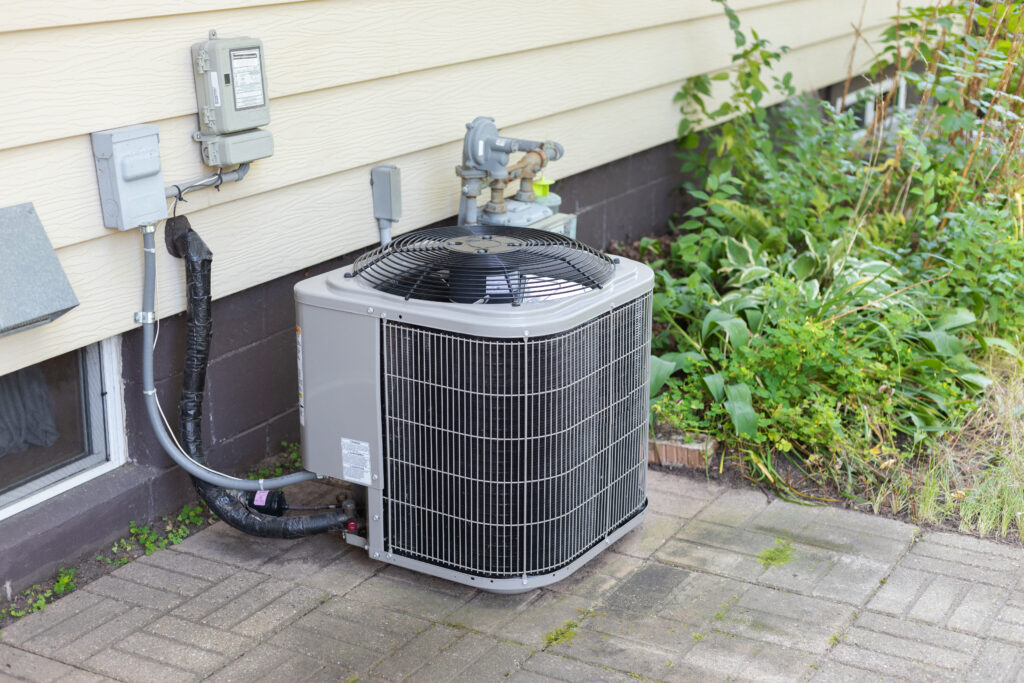
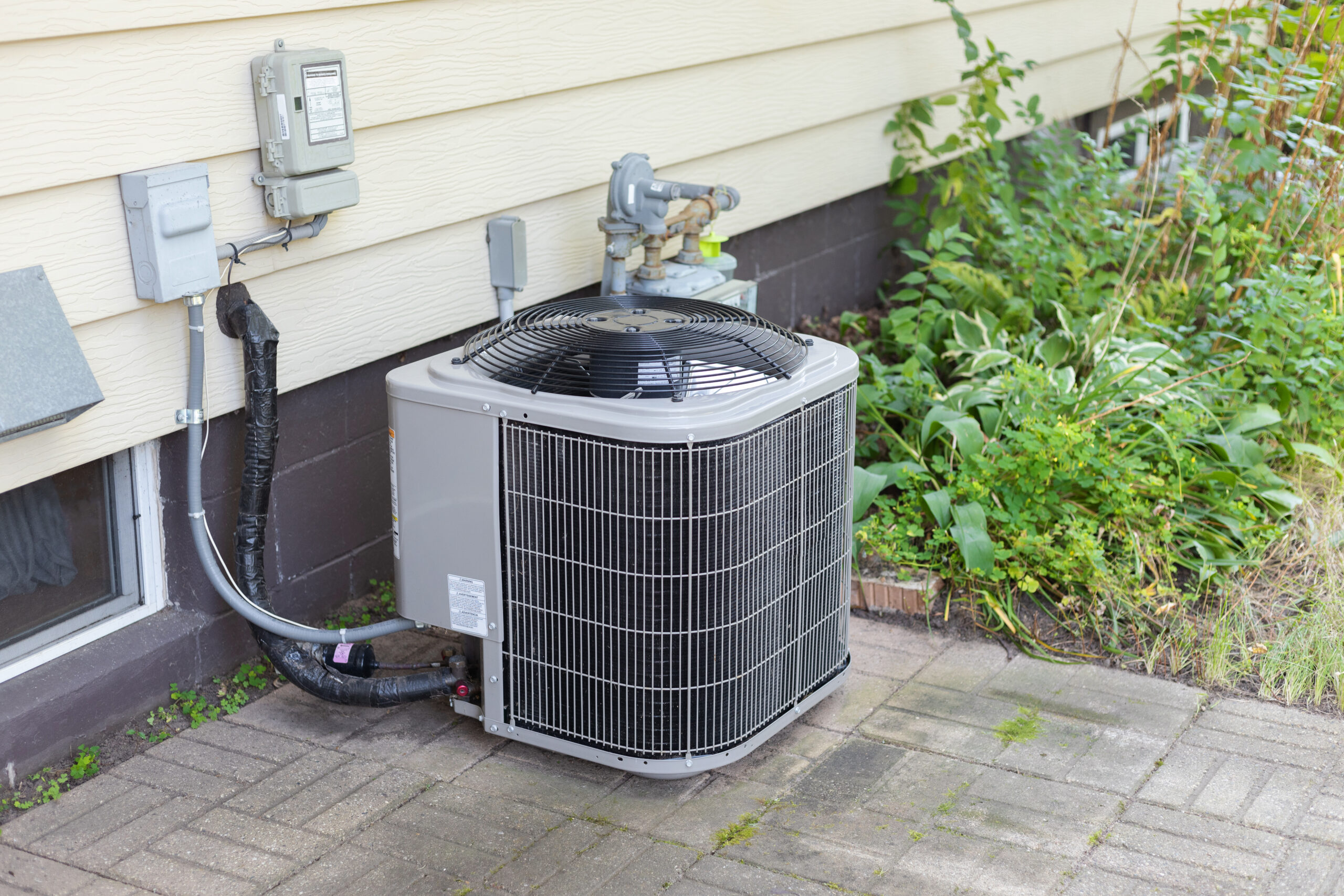
A central AC system cools your home by circulating refrigerant through a closed loop. It starts in the evaporator coil located inside your home, where the refrigerant absorbs heat from indoor air. The warm refrigerant then travels to the compressor situated outside. Here, it’s pressurized and sent to the condenser coils. These coils release the absorbed heat into the outside air. Lastly, the cooled refrigerant cycles back inside to absorb more heat. This cycle continues until the thermostat detects that your home has reached the desired temperature.
The refrigerant—often R-410A or the older R-22—is essential. Without enough of it, the system becomes less efficient, can overheat, or stop providing cool air entirely. Charging the AC unit means replenishing this refrigerant to optimal levels, which ensures the system performs as designed.
What Does “Charging” a Central AC Unit Mean?
Charging an AC unit refers to the process of adding refrigerant to the system until it reaches normal operating pressure. Unlike fuels in a car that naturally deplete, your AC’s refrigerant isn’t supposed to run out. If levels are low, it’s a sign that there’s a leak. So, before a technician charges the system, they first identify and repair any leaks. Once sealed, the system is vacuumed to remove moisture and air, and then refrigerant is added according to manufacturer specifications.
There’s a precise science to this. Too little refrigerant means inefficient cooling and system strain; too much can damage the unit. That’s why trained HVAC professionals use pressure gauges, thermometers, and refrigerant scales to measure with accuracy. Homeowners should never attempt to charge a unit without proper certification or tools—it’s not only unsafe, it’s illegal under EPA guidelines.
Key Signs Your AC May Need a Recharge
Your central air unit doesn’t usually stop all at once. Instead, there are symptoms that build over time. One of the most common is reduced cooling power. If your home feels warmer even though your AC is running, or if the air coming from vents feels lukewarm, low refrigerant could be to blame. Ice buildup on the evaporator coils is another telltale sign. It seems counterintuitive, but insufficient refrigerant causes the coil’s temperature to drop below freezing, which results in ice accumulation that further reduces airflow.
You may also hear hissing or bubbling sounds—audible signs of a refrigerant leak. If your system’s energy bills have spiked for no discernible reason, an overworked system struggling to cool efficiently could be the reason. These indicators merit an inspection from a licensed technician to test refrigerant levels and address any faults.
Advantages of Maintaining Proper Refrigerant Levels
When your central AC is fully charged, it can run efficiently and extend the lifespan of the system. Proper refrigerant levels ensure the unit doesn’t have to work harder than necessary, which reduces wear and tear on compressors, coils, and fans. Efficiency also translates to lower energy bills and more consistent indoor comfort.
Additionally, refrigerant efficiency supports better humidity control. When the system is working correctly, it won’t just blow cool air—it also removes excess moisture from the air, creating a more balanced and comfortable environment. Regular checks, particularly ahead of summer, help catch issues before they become costly mechanical failures.
Drawbacks and Common Pitfalls in AC Charging
While maintaining refrigerant levels is critical, the process comes with potential risks and pitfalls—particularly if it’s approached without expertise. First, refrigerant handling is strictly regulated due to its environmental impact. Improper disposal or release of gases can result in fines and contribute to ozone depletion or climate change. Second, DIY refrigerant kits sold at hardware stores can be misleading; they often don’t provide accurate pressure readings or require precise temperature compensation, which can lead to overcharging or undercharging the system.
There’s also the common misunderstanding that refrigerant simply needs to be topped off like windshield washer fluid. This overlooks the underlying issue—a leak. Without addressing the root problem, any recharge is temporary and may lead to system failure. In worst-case scenarios, running an AC with insufficient refrigerant can damage the compressor, one of the most expensive components to replace.
What Homeowners Can Do (and Should Avoid)
As a homeowner, you can detect early problems and support the health of your AC through regular observation and maintenance. Replace your air filters regularly, keep your outdoor condenser clear of debris, and schedule professional seasonal inspections. If you notice performance drops or see signs like ice buildup or loud noises, call a licensed HVAC technician promptly.
Avoid any attempt to open refrigerant lines or recharge the system yourself. Not only can this void warranties, it also violates environmental regulations. Instead, work with certified contractors who use EPA-approved recovery and charging methods. Most importantly, be proactive. Reacting only when the system breaks almost always costs more in the long run.
How Does This Tie Into Home Warranty Coverage?
Here’s the reality: HVAC repairs that involve refrigerant issues—leaks, faulty compressors, broken coils—aren’t just inconvenient, they can be costly. That’s why it’s worth considering protection through a comprehensive home warranty. In most cases, a good home warranty plan covers components within your central AC system, including the cost of recharging due to a leak and the repairs needed to resolve it. While not every plan is the same, homeowners benefit from the peace of mind that skilled service providers, vetted for reliability, will handle HVAC issues quickly and correctly.
But it’s not just about emergencies. A home warranty encourages routine care before small problems escalate. That’s especially important when dealing with complex systems that affect daily comfort and household energy use.
Protect Your Central AC—and Your Budget—with Armadillo
Your central air conditioner is essential to your day-to-day comfort and valued property. When it stops running efficiently due to low refrigerant or other malfunctions, the cost and stress can rise quickly. That’s where Armadillo steps in. Offering expert-backed, reliable, and fast-response home warranty solutions, Armadillo makes it easy to protect your HVAC system—and the rest of your home—with customizable coverage plans that fit your needs. For more details, visit our homepage. Ready to start protecting your home with an HVAC-inclusive plan? Explore options and customize coverage at our plan builder.