What Does It Mean to Charge a Central AC Unit?
If someone told you your air conditioner needs to be “charged,” your first instinct might be to grab a credit card. Understandable. But in HVAC terms, charging a central AC unit means adding refrigerant — the chemical substance responsible for absorbing heat from inside your home and releasing it outside. Without the right amount of refrigerant, your system simply cannot cool effectively, no matter how hard it tries. This is one of those topics that sounds more complicated than it is, but understanding the basics can save you a lot of headache — and money — down the line.
How a Central AC System Actually Works
Before diving into refrigerant, it helps to understand the bigger picture. Your central air conditioning system operates on a closed-loop cycle. The indoor unit pulls warm air from your home over a coil filled with refrigerant. That refrigerant absorbs the heat, transitions from a liquid to a gas, and travels to the outdoor unit, where it releases that heat into the outside air and converts back to a liquid. This cycle repeats continuously while your system runs. The refrigerant itself does not get “used up” like gasoline — it circulates through a sealed system indefinitely. So if refrigerant levels drop, that almost always points to a leak somewhere in the system, not normal wear and tear.
Signs Your AC Unit May Need a Refrigerant Charge
Your system will usually give you signals before it completely stops cooling. Some of these signs are subtle; others are pretty hard to ignore. Knowing what to look for puts you ahead of the problem before it becomes a full-blown breakdown in the middle of August.
- Warm or lukewarm air blowing from your vents even when the thermostat is set low
- Ice forming on the refrigerant lines or evaporator coil
- Longer cooling cycles that never seem to bring the temperature down
- Higher than usual energy bills without an obvious explanation
- A hissing or bubbling sound near the indoor or outdoor unit
- Humidity levels inside the home feel higher than normal
The Step-by-Step Process of Charging a Central AC Unit
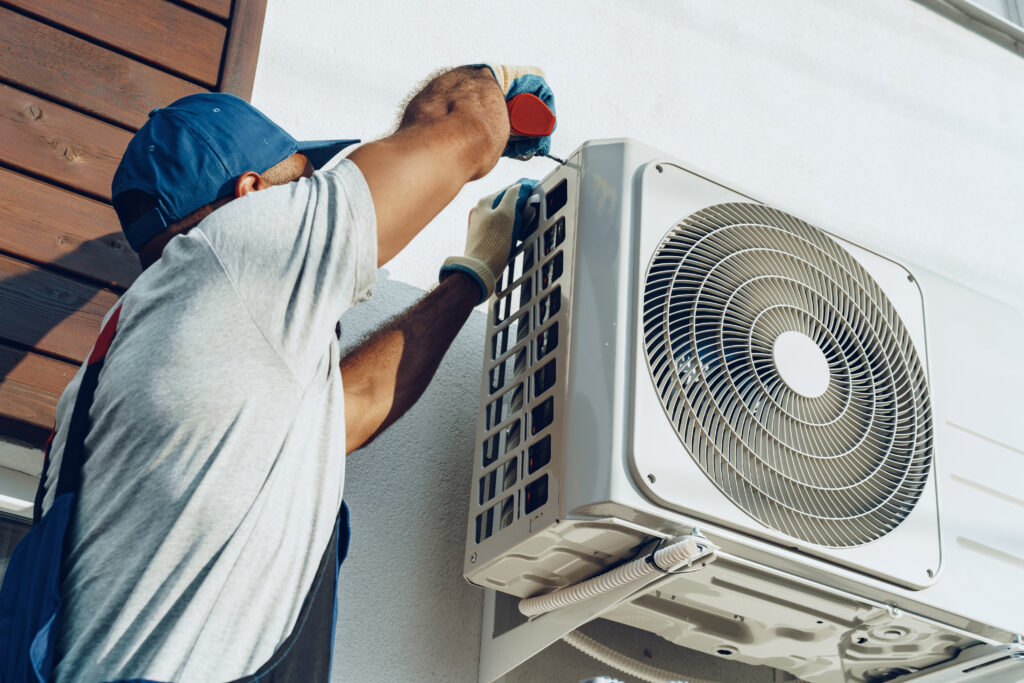
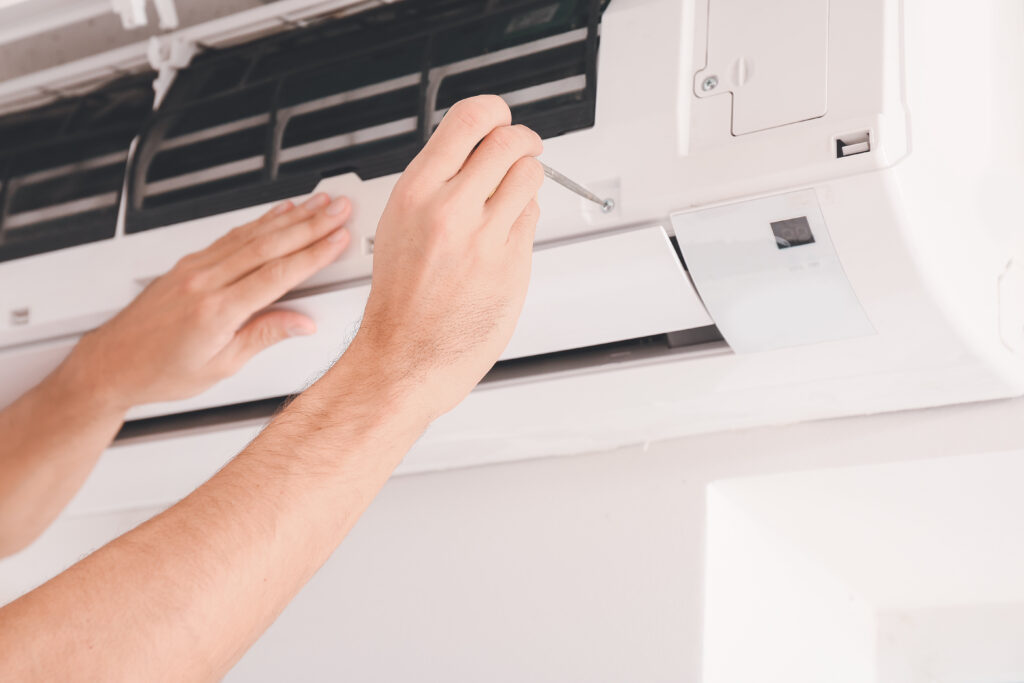
Charging a central AC unit is not a DIY project for most homeowners, and that is not a knock on your abilities. Federal regulations require technicians to be EPA Section 608 certified to handle refrigerants legally. That said, understanding the process helps you have an informed conversation with your HVAC professional and avoid being caught off guard by service recommendations. The technician will begin by connecting a set of manifold gauges to the service ports on your system. These gauges measure the pressure on both the high side and low side of the refrigerant loop. From those pressure readings — cross-referenced with the outdoor temperature and the type of refrigerant your system uses — the tech determines whether levels are low, what the correct charge should be, and how much refrigerant needs to be added. Before adding refrigerant, a qualified technician should also check for leaks. Adding refrigerant to a leaking system is like filling a bucket with a hole in it. It will work temporarily, but the problem has not been fixed. Once any leaks are addressed, refrigerant is added incrementally while monitoring the gauges and airflow temperatures until the system reaches its manufacturer-specified charge level.
Types of Refrigerant and What Your System Uses
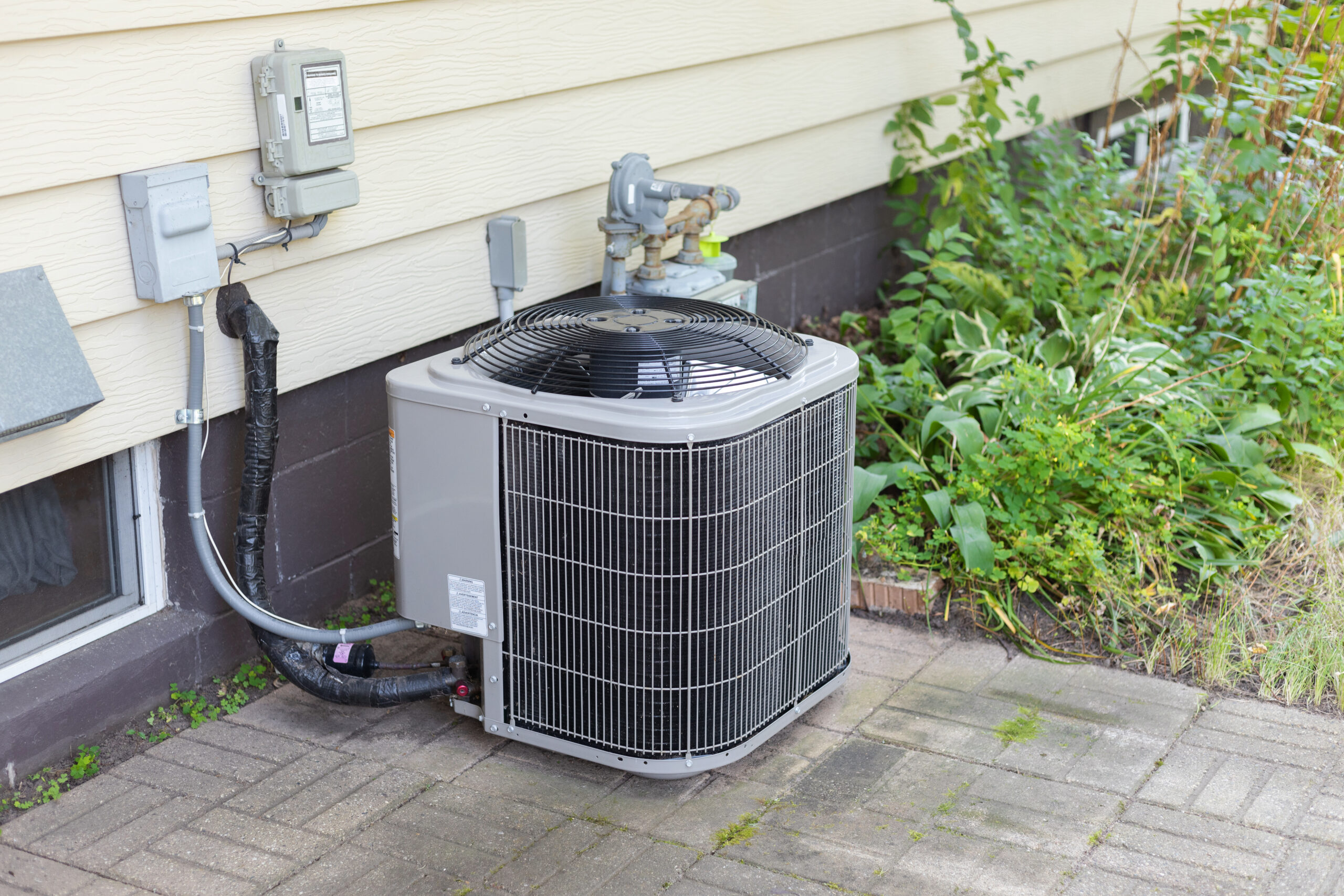
Not all refrigerants are the same, and using the wrong type can seriously damage your system. Older central AC units — those manufactured before 2010 — commonly use R-22, also known as Freon. R-22 has been phased out in the United States due to its environmental impact, which means it is increasingly expensive and harder to source. Newer systems use R-410A, a more environmentally friendly option that operates at higher pressures and performs more efficiently. Some of the newest systems are transitioning to R-32 or R-454B as the industry continues evolving toward lower global warming potential refrigerants. Your system’s refrigerant type is listed on the nameplate of the outdoor condenser unit. Your technician will confirm this before proceeding.

How Much Does It Cost to Charge a Central AC Unit?
Cost is always part of the conversation, so let’s address it directly. The price to charge a central AC unit varies based on the refrigerant type, the amount needed, your geographic location, and whether a leak repair is involved. For R-410A systems, refrigerant typically costs between $20 and $50 per pound, and most residential systems need two to four pounds when low. R-22 can run significantly higher — sometimes over $100 per pound — given its limited availability. Add in the diagnostic fee and labor, and a full service call for refrigerant-related issues can range from $150 to $600 or more. If a leak repair is needed, expect costs to climb further depending on where the leak is located and how extensive the fix turns out to be.
Common Causes of Refrigerant Loss
Understanding why refrigerant levels drop helps set realistic expectations about repairs. Wear and tear on refrigerant lines, coils, and fittings can develop pinhole leaks over time. Vibration from the system’s operation can loosen connections. Corrosion — often caused by exposure to certain household chemicals — can eat through copper components. In some cases, improper installation years ago left the system slightly undercharged from the start. Whatever the cause, identifying and fixing the source of the leak is always the priority. Simply topping off refrigerant without addressing the underlying issue is a short-term solution that will cost more over time.
Can You Prevent Refrigerant Problems?
No maintenance routine eliminates all risk, but regular HVAC maintenance goes a long way toward catching refrigerant issues before they escalate. Annual tune-ups from a certified HVAC technician typically include pressure checks, coil inspections, and an overall evaluation of the refrigerant circuit. Keeping the area around your outdoor condenser unit clear, changing air filters on schedule, and ensuring proper airflow through the system all contribute to its overall health and longevity. These are small habits that make a meaningful difference over the life of the unit.
Why a Home Warranty Can Be a Smart Safety Net for AC Repairs
When your central AC system needs a refrigerant charge or a related repair, the timing is rarely convenient and the bill is almost never small. That is where having a reliable home warranty in your corner changes the equation. Armadillo home warranty coverage for central air conditioning systems is designed to take the financial sting out of unexpected HVAC breakdowns, including many of the component failures that lead to refrigerant issues in the first place. Whether it is a failing compressor, a refrigerant leak from a covered component, or another mechanical failure, a home warranty helps you avoid the full cost hitting your wallet out of nowhere. If you want to stop dreading that summer AC call, it makes a lot of sense to get a free home warranty quote for your AC system and other major home systems and see what kind of protection fits your budget. Armadillo keeps things straightforward — no confusing fine print, no unnecessary runaround — just coverage that actually works when you need it.

Frequently Asked Questions About Charging a Central AC Unit
These are the questions homeowners ask most often when refrigerant and AC charging come up. The answers are kept practical and to the point.
Can I add refrigerant to my central AC unit myself?
No. Federal law requires EPA Section 608 certification to purchase and handle refrigerants used in residential HVAC systems. Attempting to add refrigerant without proper certification is illegal and potentially dangerous.
How often does a central AC unit need to be recharged?
A properly sealed system should never need a recharge. Refrigerant does not deplete with normal use. If your system needs refrigerant, it almost always means there is a leak that needs to be found and repaired.
How long does it take to charge a central AC unit?
The actual process of adding refrigerant typically takes one to two hours, but a thorough service call that includes leak detection and repairs can take longer depending on the complexity of the issue.
What refrigerant does my central AC unit use?
The refrigerant type is printed on the nameplate of your outdoor condenser unit. Systems made before 2010 commonly use R-22, while most systems manufactured after that use R-410A. Newer systems may use R-32 or R-454B.
Is a low refrigerant charge covered by a home warranty?
Coverage varies by provider and plan. Many home warranties cover the mechanical components that fail and cause refrigerant loss, such as the compressor or coils. Reviewing your specific plan details will clarify what is and is not included.
What happens if I keep running my AC when it is low on refrigerant?
Running an AC unit with low refrigerant puts excessive strain on the compressor, which is the most expensive component in the system. Prolonged operation in this condition can lead to compressor failure and a significantly larger repair bill.
How do I know if my AC has a refrigerant leak versus another problem?
A certified HVAC technician will use manifold gauges, electronic leak detectors, or UV dye to identify whether a refrigerant leak is present. Symptoms like warm air, ice on the coils, and hissing sounds are indicators, but a professional diagnosis is always the reliable path.
Does the age of my AC system affect refrigerant costs?
Yes, significantly. Older systems using R-22 refrigerant face much higher costs because R-22 production has been phased out, making it scarce and expensive. This is often a turning point where homeowners consider replacing an aging system entirely.
Can a refrigerant leak be permanently repaired?
In most cases, yes. A qualified technician can locate the source of the leak and make a durable repair, whether that involves sealing a fitting, replacing a section of copper line, or addressing coil corrosion. The long-term solution is always to fix the leak rather than repeatedly adding refrigerant.
Will charging my AC unit lower my energy bills?
Yes. An undercharged system works harder and runs longer to achieve the same cooling output, which drives up energy consumption. Restoring the correct refrigerant charge allows the system to operate at its designed efficiency, which typically results in lower monthly energy costs.