Why Your Water Heater Thermostat Deserves More Attention Than You Give It
Hot water is one of those things you never think about until it disappears. Cold showers have a way of making homeowners suddenly very interested in how their water heater actually works. At the center of that system is the thermostat, a small but critical component that regulates water temperature every single day. Understanding how to check it, what warning signs to watch for, and when to call in a professional can save you from uncomfortable mornings and unexpected repair bills. This guide walks you through everything you need to know.
What Does a Water Heater Thermostat Actually Do
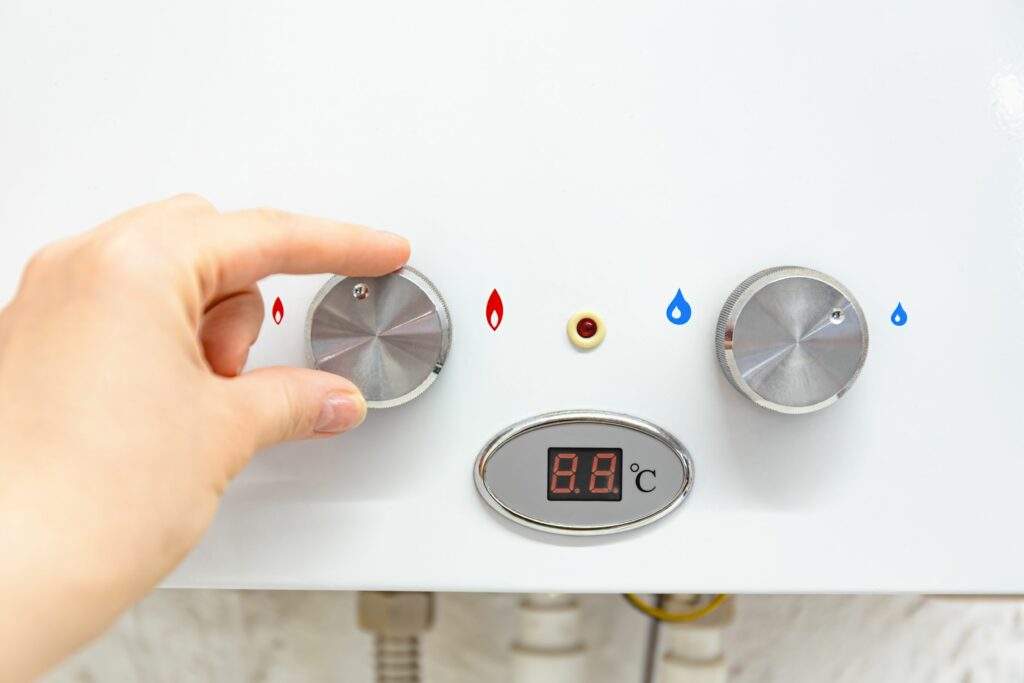
The thermostat on a water heater is essentially the temperature controller for the entire unit. It monitors the water inside the tank and signals the heating elements or burner to activate when the temperature drops below a set point. Once the water reaches the target temperature, the thermostat tells the system to shut off. Simple concept, big responsibility. Most residential water heaters have a thermostat set somewhere between 110 and 140 degrees Fahrenheit, with 120 degrees being the commonly recommended setting for balancing comfort and energy efficiency. Electric water heaters typically have two thermostats, one upper and one lower, while gas units generally have a single dial-style thermostat located on the gas valve itself.
Signs Your Water Heater Thermostat May Be Failing
Before you grab a multimeter and start testing anything, it helps to know what a failing thermostat actually looks like from the outside. The symptoms tend to be pretty telling if you know what to pay attention to.
- Water that never gets hot enough, regardless of the temperature setting
- Water that becomes scalding hot without any adjustment to the dial
- Hot water that runs out faster than it used to
- The water heater cycling on and off more frequently than normal
- Higher-than-usual energy bills with no clear explanation
- The unit makes unusual clicking or popping sounds during heating cycles
Any one of these issues on its own might not be a thermostat problem, but when you are seeing two or three at the same time, that thermostat is worth investigating. Do not ignore the signs hoping they resolve on their own. They rarely do.
How to Check the Thermostat on an Electric Water Heater
Checking the thermostat on an electric water heater requires a few basic tools and some careful attention to safety. Always start by turning off the power to the unit at the circuit breaker before touching anything. This is not a step to rush through. Once the power is off, locate the access panels on the side of the tank. Most electric water heaters have two panels, one near the top and one near the bottom. Remove them and carefully pull back the insulation to expose the thermostats and heating elements. Using a non-contact voltage tester to confirm no power is present is a smart move before proceeding. To test the thermostat itself, you will need a multimeter set to measure resistance or continuity. Place the probes on the thermostat terminals according to the position of the reset button and heating element contacts. A functioning thermostat should show continuity when the water temperature is below its set point and should break continuity once the set temperature is reached. If the reading does not match expected behavior, the thermostat is likely faulty and should be replaced.
How to Check the Thermostat on a Gas Water Heater
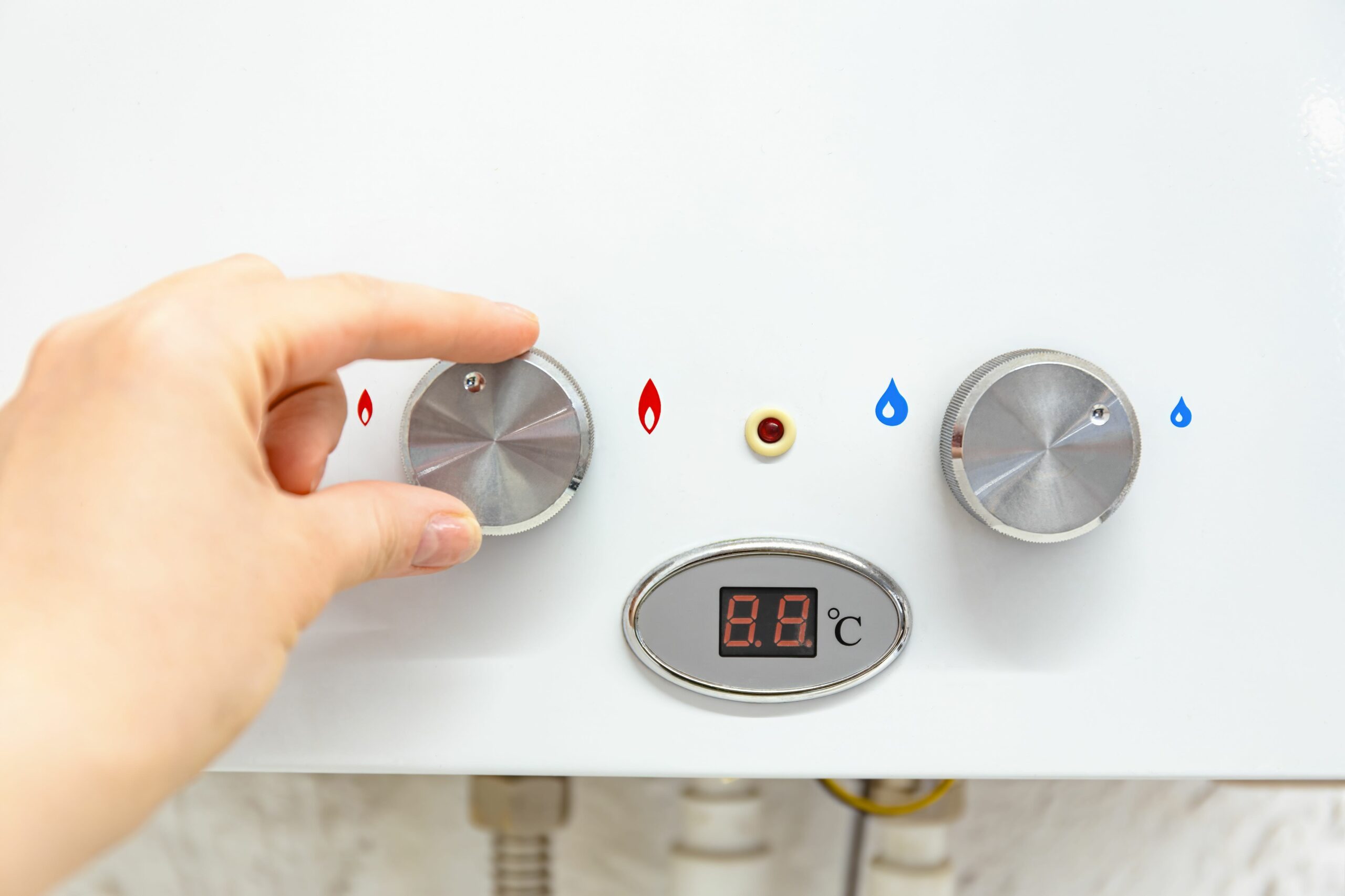
Gas water heater thermostats work a bit differently and are generally more straightforward to inspect from the outside. The thermostat is integrated into the gas valve, which is usually located near the bottom of the unit. You will find a dial with temperature markings on it. Start by checking the current setting and then run hot water from a nearby faucet while using a thermometer to measure the actual output temperature. If the water temperature is significantly different from what the dial indicates, the thermostat calibration may be off. Gas thermostat issues are a little trickier to diagnose with DIY methods alone, and in many cases, the entire gas valve assembly needs replacement rather than just the thermostat component. If you smell gas at any point during this process, stop immediately and contact your gas utility provider.

The Importance of the Reset Button and High-Limit Switch
Many homeowners do not realize there is a reset button on their electric water heater thermostat, and it trips more often than people expect. The reset button, also called the high-limit switch or emergency cutoff, is designed to shut the unit down if water temperature exceeds a safe threshold. If your water heater has stopped heating entirely, pressing this button after powering down the unit is the first troubleshooting step worth trying. It is a red button typically located on the upper thermostat behind the access panel. If it keeps tripping repeatedly, that is the system telling you something is wrong, whether it is a failing thermostat, a defective heating element, or a wiring issue. Do not just keep resetting it without investigating the root cause.
Common Thermostat Problems and What Causes Them
Thermostats do not fail for no reason. Understanding what causes them to malfunction can help you prevent future issues and make smarter decisions about maintenance and repairs. Mineral buildup from hard water is one of the most common culprits. Over time, sediment accumulates in the tank and around the heating elements, causing the system to work harder and the thermostat to receive inaccurate temperature readings. Age is another major factor. Most water heater thermostats have a lifespan that roughly mirrors the tank itself, somewhere around eight to twelve years. Power surges, wiring problems, and general wear from constant cycling all contribute to thermostat degradation over time. Regular water heater maintenance, including flushing the tank annually, can extend the life of the thermostat and the entire unit.
When to Replace Versus When to Repair
Once you have confirmed the thermostat is the problem, the next question is whether to replace just that component or address something bigger. A single thermostat replacement is usually a straightforward and cost-effective repair, especially if the water heater itself is relatively new. The part is inexpensive and widely available. However, if your water heater is more than ten years old and this is not the first repair it has needed, you may be throwing good money after bad. At that point, investing in a new unit often makes more financial sense. A licensed plumber can give you an honest assessment of the overall condition of the system and help you weigh the options. If the unit is under warranty, check the terms before purchasing anything.
DIY Safety Rules Every Homeowner Should Follow
Checking and replacing a water heater thermostat is within reach for a handy homeowner, but safety is non-negotiable throughout the process. Working around electrical components and gas lines carries real risk if you are not careful.
- Always shut off power at the breaker before opening any access panels on an electric water heater
- Use a non-contact voltage tester to verify the power is off before touching any wires or components
- Never work on a gas water heater if you detect any gas odor, contact a professional immediately
- Allow the water heater to cool before reaching inside the tank access areas
- Document how wires and components are connected before disconnecting anything
- Use the correct replacement part specified for your water heater model
When in doubt, it is always better to call a licensed plumber or appliance technician than to risk a safety incident. The cost of a professional visit is far less than the cost of a water damage claim or an injury.
How Armadillo Protects You When Water Heater Issues Strike
Water heater problems tend to arrive at the worst possible times, and thermostat failures are no exception. One day you have hot water, the next you are troubleshooting components and looking up repair costs. That is exactly where a reliable home warranty makes a real difference. Armadillo home warranty coverage for water heaters and essential home systems is built to take that financial uncertainty off your plate. When a covered component like a thermostat fails, you are not scrambling to find a trustworthy technician or negotiating a repair bill. Armadillo handles it. If you want to stop worrying about what the next breakdown is going to cost you, the smart move is to get a free water heater home warranty quote and protect your home today. Coverage that is straightforward, responsive, and actually useful when something goes wrong is what Armadillo is built to deliver.

Frequently Asked Questions About Water Heater Thermostats
Here are answers to the questions homeowners ask most often when dealing with water heater thermostat issues.
How do I know if my water heater thermostat is bad?
The most common signs include inconsistent water temperature, water that never reaches the set temperature, water that is too hot without any change to the dial, and the unit cycling on and off irregularly. Testing with a multimeter for continuity will confirm whether the thermostat is functioning correctly.
What temperature should a water heater thermostat be set to?
The U.S. Department of Energy recommends 120 degrees Fahrenheit as the standard setting for most households. This balances energy efficiency with safety and comfort while reducing the risk of scalding.
Can I replace a water heater thermostat myself?
Yes, on an electric water heater it is a manageable DIY repair if you are comfortable working with electrical components and follow proper safety procedures, including shutting off power at the breaker before starting. Gas water heater thermostat issues typically involve the gas valve and should be handled by a licensed professional.
How much does it cost to replace a water heater thermostat?
The part itself usually costs between fifteen and thirty dollars for most residential electric water heaters. If you hire a plumber, the total cost including labor generally ranges from one hundred to three hundred dollars depending on your location and the complexity of the job.
Why does my water heater reset button keep tripping?
A repeatedly tripping reset button usually indicates an underlying problem such as a faulty thermostat, a defective heating element, a loose wire, or a thermostat that is set too high. Continually resetting it without diagnosing the cause is not a solution and could become a safety issue.
Does a home warranty cover water heater thermostat replacement?
Most home warranty plans that include water heater coverage will cover thermostat repairs and replacements when the component fails due to normal wear and tear. It is important to review the specific terms of your plan to understand what is included and any applicable service fees.
How long do water heater thermostats typically last?
Water heater thermostats generally last as long as the unit itself, which is typically eight to twelve years for a standard tank water heater. Factors like hard water, high usage, and power surges can shorten that lifespan considerably.
Can a bad thermostat cause a water heater to stop working entirely?
Yes. If a thermostat fails in a way that triggers the high-limit switch, it can shut the entire unit down as a safety precaution. In this case the water heater will produce no hot water at all until the issue is identified and corrected.
Is it safe to adjust my water heater thermostat myself?
Adjusting the thermostat dial on a gas water heater is generally straightforward and safe. On an electric water heater, adjusting the thermostat requires turning off power and accessing internal components, so proper electrical safety precautions must be followed.
How can I extend the life of my water heater thermostat?
Flushing your water heater tank annually to remove sediment buildup, keeping the thermostat set at a consistent temperature, installing a whole-home water softener if you have hard water, and scheduling periodic professional inspections are all effective ways to extend the lifespan of the thermostat and the overall unit.