Why Cleaning Your Front Load Dryer Matters More Than You Think
Most homeowners think about cleaning the lint trap — maybe. But a front load dryer has more going on beneath the surface than that quick swipe before you start a cycle. Drum residue, moisture buildup, vent blockages, and hidden lint accumulation are all real issues that quietly reduce your dryer’s efficiency, increase your energy bills, and — this part is worth paying attention to — raise the risk of a dryer fire. The U.S. Fire Administration has flagged dryers as one of the leading appliance-related fire causes in residential homes. Regular cleaning is not optional maintenance. It is part of responsible homeownership.
What Makes Front Load Dryers Different From Top Load Models
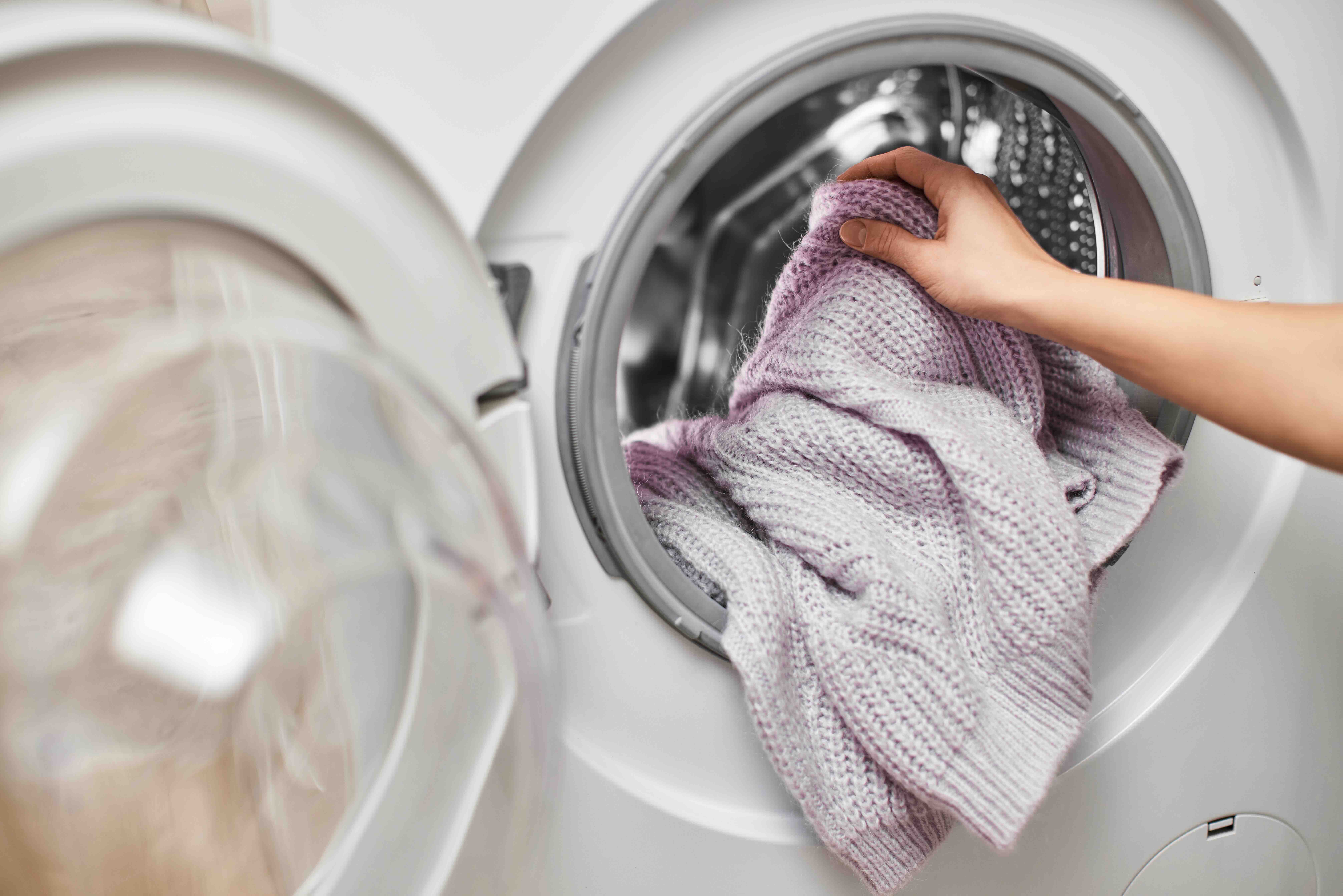
Front load dryers are designed differently from their top-loading counterparts, and that design affects how they need to be maintained. The door seal, also called a gasket, sits along the front opening and creates a tight closure during operation. That gasket collects lint, moisture, and debris in a way that top load models simply do not experience. Front loaders also tend to have more compact vent configurations, which means airflow restrictions can develop faster if the venting system is not kept clear. Understanding these differences helps homeowners approach cleaning with the right expectations and the right tools.
How to Clean the Lint Trap and Lint Trap Housing
This is where most people start — and rightfully so. The lint trap should be cleaned after every single load, not once a week, not when you remember. After every load. But the trap itself is only part of the picture. The housing — the slot or channel where the lint trap sits — accumulates fine lint particles that the screen cannot catch. Every few months, use a narrow vacuum attachment or a dryer lint brush to reach into that housing and pull out anything that has settled in there. A surprising amount of material hides in that space, and it restricts airflow in ways that cause your dryer to work harder and run longer than it should.
Cleaning the Door Gasket on a Front Load Dryer
The door gasket on a front load dryer is one of the most overlooked cleaning points in the entire appliance. Lint, moisture, and even small items like tissues or fabric softener residue get trapped in the folds of that rubber seal. Left unaddressed, the gasket can develop mold or mildew, which then transfers odors to your laundry. Use a damp cloth with a mild household cleaner or a diluted white vinegar solution to wipe down the entire gasket — including inside the folds. Do this at least once a month. It takes about two minutes and makes a noticeable difference, especially if you have noticed musty smells coming from your dryer or your clothes.

How to Clean the Dryer Drum Properly
The drum interior can accumulate residue from fabric softener sheets, crayon wax, ink from forgotten pens, and other materials that transfer from clothing during cycles. Wipe the drum down with a clean cloth dampened with rubbing alcohol or a mild all-purpose cleaner. Avoid bleach or abrasive scrubbers, which can damage the drum coating. After wiping, run a cycle with a few damp white towels to pick up any cleaning residue before putting your actual laundry back in. This step matters more than most people realize — residue on the drum can stain light-colored clothing and affect how evenly your items dry.
Dryer Vent Cleaning: The Step Most Homeowners Skip
If there is one cleaning task that has the most direct impact on dryer safety and performance, it is cleaning the exhaust vent. The vent carries hot, moist air from the dryer drum to the outside of your home. Over time, lint accumulates along the interior walls of this duct, reducing airflow and creating a fire hazard. Signs that your vent needs attention include longer drying times, clothes that feel hotter than usual after a cycle, or a burning smell during operation. Here is what a proper vent cleaning process looks like:
- Disconnect the dryer from the wall and pull it away from the vent connection point.
- Detach the flexible duct from the back of the dryer and from the wall outlet.
- Use a long dryer vent brush to clean the full length of the duct from both ends.
- Use a vacuum to remove dislodged lint from both the duct and the area around the wall connection.
- Check the exterior vent cap to make sure it opens freely and is not blocked by lint or debris.
- Reconnect everything securely before pushing the dryer back into place.
This process should be done at least once a year, or more frequently if you run the dryer daily or have a longer vent run.
Exterior Vent Cap and Moisture Sensor Maintenance
Two other components that deserve attention are the exterior vent cap and the moisture sensor inside the drum. The vent cap on the outside of your home can collect lint, bird nests, or other debris that blocks outgoing airflow. Check it seasonally and clear any obstructions. The moisture sensor — typically two metal strips near the lint trap or on the inside of the drum door — is responsible for detecting when your clothes are dry and shutting the cycle off automatically. When this sensor gets coated with fabric softener residue, it loses accuracy and your dryer may run too long or stop too soon. Wipe the sensor bars with a cotton ball dipped in rubbing alcohol every few months to keep them responsive.
Common Mistakes Homeowners Make When Cleaning Their Dryer
Cleaning a dryer seems straightforward, but a few common errors can reduce the effectiveness of your efforts or create new problems. Being aware of these helps you avoid the most frequent missteps:
- Using too much liquid cleaner inside the drum, which can seep into mechanical components.
- Forgetting to reconnect the vent duct securely after cleaning, which allows hot air to exhaust into the laundry room.
- Using a leaf blower to clear the vent, which can push lint deeper into the ductwork rather than removing it.
- Skipping the exterior vent cap inspection, leaving a blockage that negates all interior cleaning efforts.
- Cleaning the lint trap but ignoring the housing, which is where a significant volume of fine lint accumulates over time.
How Armadillo Protects the Appliances You Depend On Every Day
Keeping your front load dryer clean is one of the smartest things you can do as a homeowner — but even a well-maintained dryer can develop mechanical failures that have nothing to do with lint or dirty gaskets. Motors fail. Heating elements burn out. Control boards stop responding. When that happens, the cost of repair or replacement can be significant, and it tends to arrive at the worst possible time. That is where a home warranty makes a real difference. Armadillo’s home warranty coverage for dryers and major home appliances is built to protect homeowners from exactly those unexpected breakdowns — with straightforward terms and no frustrating fine print. If you want to stop worrying about what a dryer repair might cost you out of pocket, the right move is to get a free home warranty quote for appliance and system protection and see what coverage looks like for your home. Armadillo was built for homeowners who want real protection without the runaround.

Frequently Asked Questions About Cleaning a Front Load Dryer
These are the questions homeowners ask most often when it comes to front load dryer maintenance, cleaning schedules, and appliance protection.
How often should I clean the lint trap on my front load dryer?
The lint trap should be cleaned after every single load. Skipping even a few cycles allows lint to accumulate and restrict airflow, which reduces drying efficiency and increases the risk of overheating.
How do I get rid of musty smells coming from my front load dryer?
Musty odors are usually caused by mold or mildew trapped in the door gasket. Wipe down the rubber seal thoroughly with a diluted white vinegar solution, paying close attention to the interior folds where moisture collects. Running a cycle with a damp towel afterward can help clear any residual odor.
How often should the dryer vent be professionally cleaned?
Most experts recommend a full dryer vent cleaning at least once per year. Households that run the dryer daily or have longer vent duct runs may need cleaning every six months to maintain safe and efficient operation.
Can I use bleach to clean the inside of my dryer drum?
Bleach is not recommended for cleaning the dryer drum. It can damage the drum’s interior coating and leave a chemical residue that transfers to laundry. Use rubbing alcohol or a mild all-purpose cleaner instead, and wipe down with a damp cloth after cleaning.
What causes a front load dryer to take longer than usual to dry clothes?
Extended drying times are usually caused by restricted airflow. The most common culprits are a clogged lint trap, a dirty or obstructed vent duct, or a blocked exterior vent cap. A coated moisture sensor can also cause inaccurate cycle shutoffs that make it seem like drying is taking longer.
How do I clean the moisture sensor in my front load dryer?
Locate the metal sensor bars inside the drum — usually near the lint trap opening or on the interior door panel. Wipe them gently with a cotton ball dampened in rubbing alcohol. Avoid abrasive materials that could scratch the surface. Repeat this process every two to three months for best accuracy.
Is it safe to use dryer sheets if they affect the moisture sensor?
Dryer sheets are generally safe to use, but they do leave a waxy residue on the moisture sensor over time that reduces its sensitivity. If you use dryer sheets regularly, clean the sensor bars with rubbing alcohol more frequently — approximately once a month — to maintain proper sensor function.
What are the signs that my dryer vent needs to be cleaned right away?
Key warning signs include clothes taking more than one cycle to dry fully, the outside of the dryer feeling unusually hot during operation, a burning smell while the dryer is running, or visible lint buildup around the exterior vent cap. Any of these should be addressed immediately.
Does a home warranty cover dryer repairs caused by mechanical failure?
Most home warranty plans cover dryer repairs resulting from mechanical or electrical failure due to normal use. Coverage typically does not extend to damage caused by lack of maintenance, so keeping your dryer clean actually supports your eligibility for warranty service when you need it.
How long does a front load dryer typically last with proper maintenance?
A well-maintained front load dryer typically lasts between 10 and 13 years. Regular cleaning of the lint trap, drum, door gasket, and vent system can extend its operational life and reduce the frequency of repairs throughout its lifespan.