Why Cleaning Your Front-Load Washing Machine Actually Matters
Front-load washing machines are efficient, water-saving, and generally excellent at what they do. But here is the part that surprises most homeowners: the machine that cleans your clothes needs to be cleaned itself. Regularly. And if you have been ignoring that responsibility, you are not alone. The issue is that front-loaders are uniquely prone to moisture buildup, mold growth, and residue accumulation in ways that top-loaders simply are not. The sealed door design, rubber gasket, and drum environment all create conditions where bacteria and mildew thrive if left unattended. Understanding how to clean your washing machine front loader is one of the most underrated pieces of home maintenance knowledge a homeowner can have.
How a Front-Load Washer Actually Works
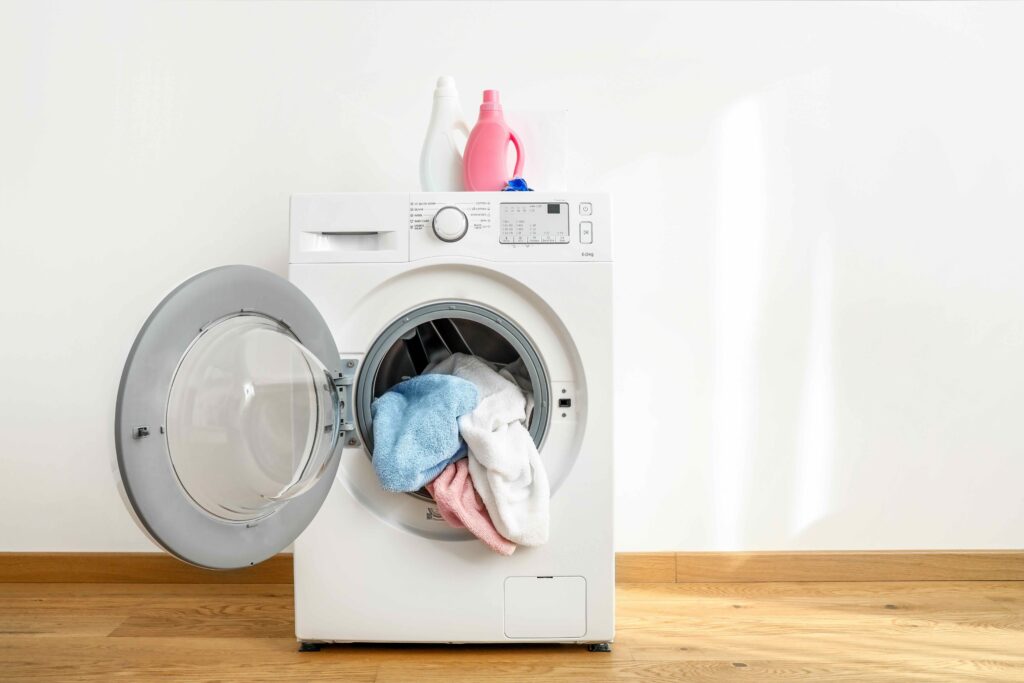
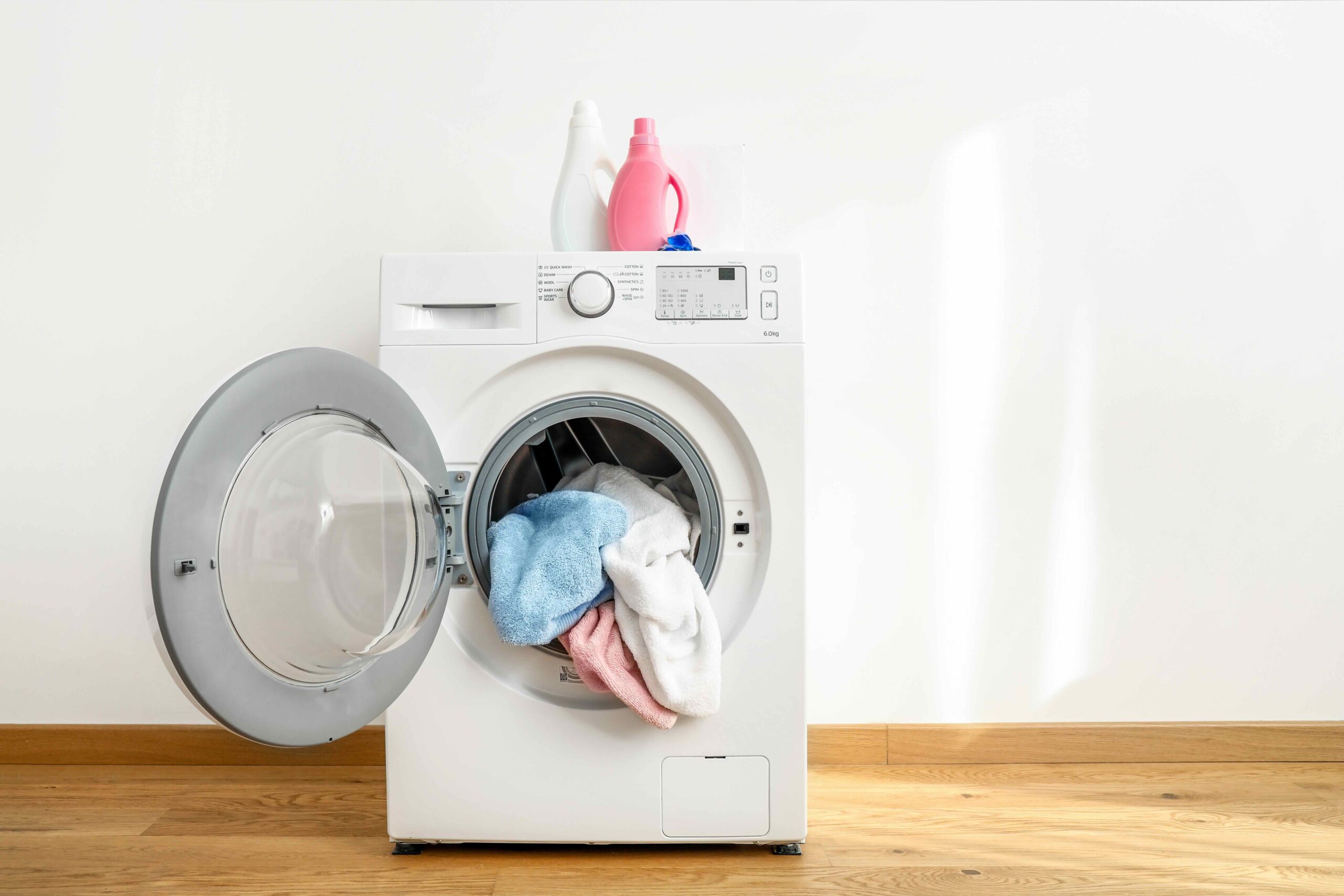
Before getting into the cleaning process, it helps to understand what you are working with. A front-loading washer tumbles clothes through a small pool of water at the bottom of the drum rather than submerging them entirely. This design uses significantly less water and energy than top-loaders, which is great for utility bills. However, because the door seals tightly to prevent leaks, moisture tends to linger inside the drum, in the rubber door gasket, and throughout the detergent dispenser after each cycle. Over time, that trapped moisture combines with detergent residue and fabric softener buildup to create an environment where mold and mildew grow easily. The result is a machine that starts to smell, and eventually, clothes that come out smelling less than fresh.
What You Will Need Before You Start
Cleaning a front-load washer does not require expensive products or professional help. Most of what you need is already in your home. Here is a quick look at the supplies worth having on hand before you begin:
- White distilled vinegar
- Baking soda
- A commercial washing machine cleaner tablet or powder, such as Affresh
- An old toothbrush or small scrub brush
- Microfiber cloths or clean rags
- Mild dish soap
- Warm water
Avoid using bleach and vinegar together. That combination creates harmful fumes and should never be done. Stick to one cleaning agent at a time and run a rinse cycle between methods if you switch.
Step-by-Step Guide to Cleaning Your Front-Load Washer
Start with the rubber door gasket, which is the most commonly neglected part of a front-loader. Pull the gasket back gently and inspect it for visible mold, debris, and residue. Use a microfiber cloth dampened with a mixture of warm water and a small amount of white vinegar to wipe the entire gasket, including the inner folds where buildup hides. For stubborn mold spots, an old toothbrush dipped in a baking soda paste works well to scrub the area clean. Once the gasket is handled, remove the detergent dispenser drawer completely, if it is removable, and soak it in warm soapy water. Scrub away any caked-on residue and rinse thoroughly before reinserting it. Next, run a hot water cleaning cycle with either two cups of white vinegar poured directly into the drum or a commercial washer cleaner tablet placed in the drum. This cycle flushes the interior drum, the drum gasket seals, and internal hoses. Once that cycle completes, run a second short hot cycle with half a cup of baking soda added to the drum. This neutralizes any remaining odor and finishes off residue. Finally, wipe down the interior drum and the door glass with a clean cloth. Leave the door open after every wash and after cleaning to allow the interior to dry out completely.
How Often Should You Clean a Front-Load Washer
The general recommendation is to run a full cleaning cycle once per month. The door gasket should be wiped down at least once a week, especially if the machine is used frequently. The detergent dispenser drawer should be removed and cleaned every two to four weeks depending on how heavily it is used. If you notice a musty smell developing between cleaning sessions, that is a sign the machine needs attention sooner. Homes in humid climates may find that more frequent cleaning is necessary to stay ahead of mold growth. The key habit to adopt immediately is leaving the washer door slightly ajar after every single cycle. This one small action dramatically reduces the moisture that makes mold possible in the first place.

Common Mistakes Homeowners Make With Front-Load Washers
One of the biggest mistakes is using too much detergent. Front-loaders require high-efficiency detergent, labeled HE, and only in small amounts. Excess detergent does not fully rinse out, and that leftover residue builds up inside the drum and dispenser, accelerating mold growth and creating odors. Another common mistake is closing the door immediately after a wash cycle, which traps moisture inside. Leaving it open even just a few inches allows airflow that prevents mildew from taking hold. Some homeowners also skip cleaning the drain pump filter, which is typically located behind a small panel at the front base of the machine. That filter collects lint, coins, and small debris. A clogged filter can cause drainage issues and contribute to odor. It should be checked and cleaned every two to three months.
Signs Your Washing Machine May Have a Bigger Problem
Regular cleaning handles most issues, but there are situations where something more serious is going on. If your machine vibrates excessively during the spin cycle, produces a grinding or banging noise, fails to drain properly, or leaves clothes wetter than usual after the cycle completes, these are signs that a mechanical component may be failing. Drum bearings, door latch mechanisms, drain pumps, and control boards are all components that wear out over time. Cleaning will not fix a failing pump or a worn drum seal. These are repair situations that involve parts and labor costs that can range from a few hundred to over a thousand dollars depending on the issue and the appliance brand.
The Role of Detergent, Water Quality, and Usage Habits
The cleaning habits you build around your washer matter just as much as the cleaning process itself. Hard water, which contains high levels of calcium and magnesium, accelerates mineral buildup inside the drum and along water inlet valves. If your home has hard water, running cleaning cycles more frequently and using a descaling agent occasionally will help. The type of detergent matters as well. Non-HE detergent used in a front-loader produces excessive suds that the machine is not designed to handle. Over time, this creates residue in places that are difficult to reach and contributes significantly to the mold and odor issues front-loaders are known for. Selecting the right products from the start is genuinely one of the best preventive measures a front-loader owner can take.
Why Home Warranty Coverage Is Worth Thinking About for Your Washer
Maintenance keeps your front-load washer running well, but even the most diligently maintained appliances eventually break down. Drum motors wear out. Control boards fail. Bearings give out. When that happens, repair costs arrive without warning and can be substantial. That is exactly where a home warranty provides real value for homeowners. Armadillo home warranty plans that cover major appliances like front-load washing machines are built to protect you from those unexpected costs, giving you coverage that activates when you actually need it. Staying on top of maintenance tasks like cleaning your washer is something Armadillo genuinely encourages, because a well-maintained appliance is less likely to fail and more likely to stay covered when something mechanical does go wrong. If you want straightforward, honest protection for your home appliances, you can get a free home warranty quote for your washing machine and other covered appliances in just a few minutes. No pressure, no confusion, just clear coverage designed for real homeowners.

Frequently Asked Questions About Cleaning a Front-Load Washing Machine
How often should I clean my front-load washing machine?
You should run a full drum-cleaning cycle once a month and wipe down the door gasket at least once a week. The detergent dispenser should be cleaned every two to four weeks depending on usage frequency.
Why does my front-load washer smell even after cleaning?
Persistent odor usually indicates mold or mildew that has built up deep in the door gasket folds, the drain pump filter, or inside the drum seal. Clean each of those areas specifically and leave the door open between cycles to allow moisture to escape.
Can I use bleach to clean my front-load washer?
Yes, diluted bleach can be used in the detergent drawer for a cleaning cycle, but never combine it with vinegar or other cleaners. Always follow the manufacturer guidelines for your specific machine before using any chemical cleaner.
What is the best cleaner for a front-load washing machine?
Commercial washing machine cleaning tablets like Affresh are widely recommended and effective. White vinegar and baking soda used separately are solid natural alternatives that work well for regular maintenance cleaning.
Is it safe to run a cleaning cycle with an empty drum?
Yes, and it is actually the correct way to do it. Running a cleaning cycle without clothes in the drum allows the hot water and cleaning agent to circulate freely and reach all interior surfaces.
Why is the rubber gasket on my front-loader turning black?
The black discoloration is mold and mildew growth caused by trapped moisture and detergent residue. Clean it thoroughly with a vinegar solution and a scrub brush, then make a habit of wiping it dry and leaving the door open after each wash.
Does leaving the washing machine door open really help?
It makes a significant difference. Leaving the door ajar after every cycle allows air to circulate through the drum and gasket area, which dries out residual moisture and prevents the conditions that allow mold to develop.
Can a dirty washing machine affect my clothes?
Absolutely. A washer with mold or residue buildup can transfer odors to freshly washed clothes and may leave detergent residue on fabrics. Clothes may come out smelling musty or feeling slightly sticky even after a full wash cycle.
What is the drain pump filter and how do I clean it?
The drain pump filter traps lint, debris, and small objects before they reach the drain pump. It is usually located behind a small access panel at the front base of the machine. Unscrew the filter cap, remove any debris, rinse it under warm water, and reinstall it every two to three months.
Does my home warranty cover washing machine repairs?
Many home warranty plans include coverage for mechanical and electrical failures in washing machines, including components like the motor, pump, and drum. Coverage does not typically apply to issues caused by lack of maintenance, so keeping your machine clean and properly maintained is important for maintaining eligibility.