Why Your Garbage Disposal Needs More Attention Than You Think
Most homeowners treat the garbage disposal like it is invisible. It sits under the sink, does its job, and gets completely ignored until something goes wrong. And something always goes wrong eventually. Whether it is a persistent odor creeping up from the drain, a sluggish grind, or a full-on jam, neglecting your disposal is one of those small decisions that quietly becomes a bigger problem. The good news is that keeping it clean is genuinely simple once you understand what you are dealing with. This guide walks through everything you need to know about how garbage disposals work, how to clean them properly, and why your home warranty coverage might matter more than you realize when things go sideways.
How a Garbage Disposal Actually Works
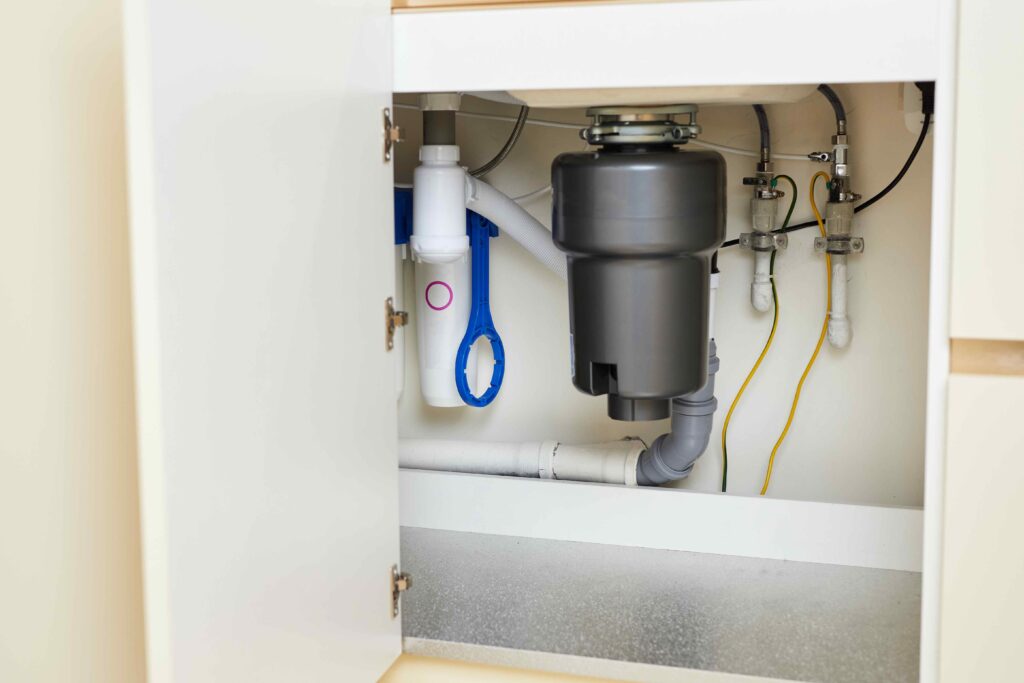
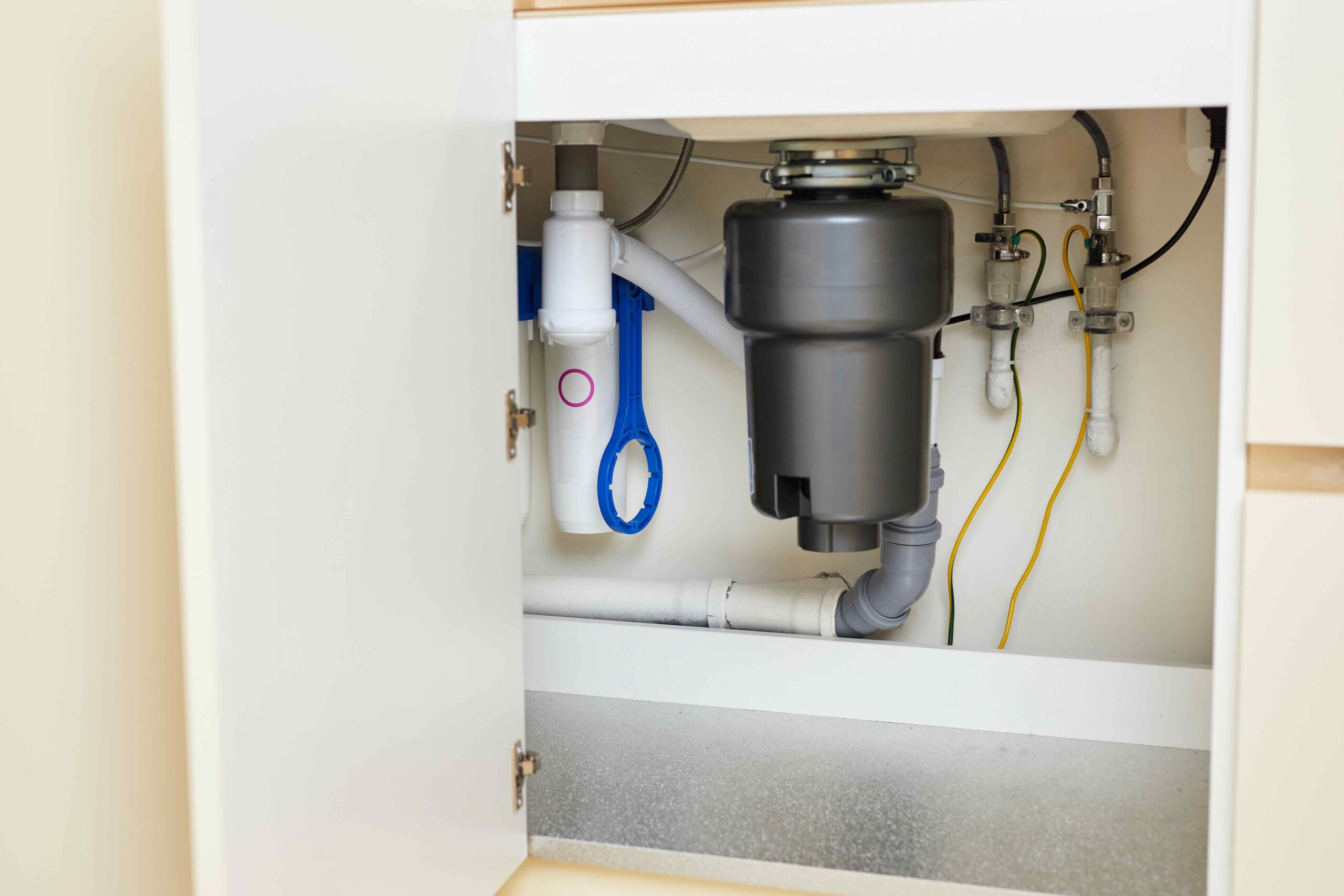
Before diving into cleaning methods, it helps to understand what is happening inside that unit. A garbage disposal is an electrically powered appliance installed beneath your kitchen sink between the drain and the drain trap. When you run it, a spinning plate called an impeller disc rotates at high speed. Mounted on that disc are small impellers, or lugs, that fling food waste outward against a grind ring. That ring breaks the waste down into fine particles small enough to wash through your plumbing and into the municipal sewer system. There are no blades involved, which is a common misconception. It is more of a pulverizing mechanism than a cutting one. Understanding this matters because it tells you exactly where grime, food residue, and bacteria like to accumulate, which is on the impellers, the grind ring, the splash guard, and the walls of the grinding chamber.
Signs Your Disposal Needs a Deep Clean
There are a few reliable signals that your disposal has crossed the line from functioning appliance to active source of kitchen odors. Pay attention to these indicators because they tend to escalate if you let them sit.
- A sour, rotting, or sulfur-like smell coming from the drain even when the disposal is not running
- Visible slime or dark residue on or around the rubber splash guard
- Slower than normal drainage even without an obvious clog
- A film or buildup visible just inside the drain opening
- A smell that lingers after running water and the disposal together
If any of those sound familiar, you are overdue. None of them indicate a breakdown, but they do indicate neglect that will compound over time.
The Best Way to Clean a Garbage Disposal Step by Step
There is no shortage of internet hacks out there for cleaning a garbage disposal, but some of them are actually harmful to the unit or your plumbing. Here is a method that is both effective and safe for regular use. Start by turning off the disposal and, if you want to be thorough, unplugging it or switching off the circuit breaker. Safety first, always. Take the rubber splash guard out if it is removable and scrub both sides with dish soap and a stiff brush. That underside collects an alarming amount of buildup that most people never see. Next, pour a half cup of baking soda directly into the disposal opening, followed by a cup of white distilled vinegar. Let that fizz and work for about five minutes. While that sits, clean around the drain opening and the interior walls you can reach with a long-handled brush. After the fizzing settles, flush the disposal with hot water for sixty seconds while running the unit. Finally, grind a handful of ice cubes mixed with a generous pour of coarse salt. This combination scrubs the impellers and grind ring mechanically, dislodging debris that the chemical step loosened. Finish with cold water running for another thirty seconds. That is the full process, and it takes maybe ten minutes total.

What to Avoid Putting Down the Disposal
Cleaning your disposal regularly only goes so far if you are consistently putting the wrong things through it. There is a surprisingly long list of foods and substances that accelerate buildup, cause jams, or damage the grinding components over time. Fibrous vegetables like celery, artichokes, and corn husks wrap around the impellers. Starchy foods like pasta and rice expand with water and create a thick paste that coats the interior. Coffee grounds seem harmless but accumulate in the drain trap. Grease and cooking oils are among the worst offenders because they coat everything they touch and harden as they cool. Eggshells are debated, but most plumbers and appliance professionals recommend keeping them out. The general rule is that if it is tough, stringy, starchy, or liquid fat, it should go in the trash instead.
Natural Cleaning Methods Worth Using Regularly
Beyond the deep clean routine, there are a few simple habits that keep your disposal fresher between thorough cleanings. Citrus peels are one of the most effective and pleasant options. Running lemon, lime, or orange peels through the disposal after the unit is clean helps neutralize odors naturally and leaves the grinding chamber smelling noticeably better. The citric acid also helps cut through minor grease deposits. Another useful habit is running cold water for at least thirty seconds after every use, not just while the disposal is running. This helps carry particles fully through the drain trap rather than letting them settle. A monthly ice and salt grind, as described earlier, is also worth building into your kitchen maintenance routine because it keeps mechanical components performing as intended without any chemical intervention.
Common Garbage Disposal Problems and What They Mean
Even a well-maintained disposal will eventually show signs of wear. Recognizing what different symptoms mean can help you decide when to troubleshoot and when to call a professional. A humming sound without grinding usually means the impeller is jammed, often by a foreign object. Most disposals have a reset button on the bottom of the unit and a slot for an Allen wrench to manually rotate the impeller free. A complete lack of response when you flip the switch could be a tripped reset button or a tripped circuit breaker. Persistent leaking from the unit itself suggests either a failed seal or mounting issue, both of which are worth getting looked at quickly. Frequent jamming, even with appropriate food waste, may indicate worn impellers and a unit that is reaching the end of its useful life. The average garbage disposal lasts somewhere between eight and fifteen years depending on usage and maintenance habits.
How Home Warranties Factor Into Garbage Disposal Coverage
Here is where the home warranty conversation becomes relevant. Many homeowners assume that because a garbage disposal is a relatively inexpensive appliance to replace, it is not worth thinking about in terms of coverage. That assumption misses the bigger picture. When a disposal fails, it often does so in ways that involve connected systems, the drain, the plumbing under the sink, the electrical connection. A home warranty that covers built-in kitchen appliances typically includes garbage disposals as part of that scope. What this means in practice is that if your disposal fails due to normal wear and a covered malfunction, you are not paying full replacement and labor costs out of pocket. Given that professional installation alone can run anywhere from one hundred to two hundred dollars depending on your market, having that covered is genuinely useful.
Maintenance Habits That Extend the Life of Your Disposal
Consistent maintenance is the single most reliable way to delay replacement and keep your disposal functioning well. Run cold water before, during, and after every use. Clean the splash guard weekly as a quick habit rather than a deep task. Do a full baking soda and vinegar treatment monthly. Grind ice and salt regularly to maintain impeller performance. Avoid the food items listed earlier with any real discipline. These are not complicated behaviors, and collectively they make a meaningful difference in how long your disposal performs reliably. A disposal that is cleaned and used correctly can easily reach the upper end of its lifespan, whereas one that is neglected and overloaded tends to fail earlier and with more collateral damage to surrounding plumbing.
Why Armadillo Is the Smart Choice for Homeowners Who Want Real Coverage
Keeping your garbage disposal clean is the kind of responsible homeownership that deserves to be backed by equally responsible coverage. At Armadillo home warranty protection for kitchen appliances and home systems, the approach is built around transparency, straightforward pricing, and coverage that actually makes sense for how people live in their homes. Appliances like garbage disposals are part of everyday life, and when they fail despite proper maintenance, the last thing you want is a complicated claims process or a policy full of exclusions written in fine print. Armadillo keeps it clear. If you have been putting off getting covered because the process felt opaque or time-consuming, you can get a personalized home warranty quote that covers garbage disposals and major home systems in just a few minutes. Your home works hard every day. It makes sense to protect it with a plan that works just as hard for you.

Frequently Asked Questions About Cleaning a Garbage Disposal
Here are answers to the questions homeowners ask most often about garbage disposal cleaning, maintenance, and coverage.
How often should I clean my garbage disposal?
A quick rinse and flush should happen after every use. A thorough cleaning using baking soda, vinegar, and ice should be done at least once a month to prevent odor buildup and maintain grinding performance.
Is it safe to use bleach to clean a garbage disposal?
Bleach is not recommended for garbage disposals. It can damage the rubber components, including the splash guard and internal seals, and it does not effectively remove the food residue that causes most odors. Baking soda and vinegar are safer and more effective.
Why does my garbage disposal smell even after cleaning it?
Persistent odors usually come from the underside of the rubber splash guard or from residue sitting in the drain trap below the disposal. Remove and scrub the splash guard thoroughly, and make sure you are running cold water for a full thirty seconds after every use to clear the trap.
Can I use citrus peels every time I run the disposal?
Yes. Running small citrus peels through the disposal regularly is a healthy habit. The citric acid helps combat grease and odor, and the mechanical action of grinding the peels contributes to keeping the impellers clean.
What is the reset button on the bottom of my disposal for?
The reset button is a thermal overload protector. When the motor overheats or the unit jams, it trips automatically. Pressing it after clearing a jam or allowing the motor to cool will restore power to the unit without requiring a service call.
Does a home warranty cover garbage disposal replacement?
Most home warranty plans that include kitchen appliances will cover garbage disposals for mechanical or electrical failure resulting from normal wear and use. Review your specific plan terms to confirm coverage limits and any applicable service fees.
How do I know if my garbage disposal needs to be replaced rather than repaired?
Frequent jamming, persistent leaking from the body of the unit, a motor that hums but will not engage even after resetting, or a unit that is more than ten years old are all reliable indicators that replacement is more practical than continued repair.
Is it normal for a garbage disposal to make a loud grinding noise?
Some noise is normal, but a sudden change in sound, particularly a loud rattling or metallic grinding, usually means a foreign object such as a utensil, bottle cap, or bone fragment has entered the grinding chamber. Turn off the unit immediately and remove the object before running it again.
Can I clean a garbage disposal without removing it from the sink?
Yes. The baking soda, vinegar, ice, and salt method works entirely from above without removing the unit. The only component worth removing for cleaning is the rubber splash guard, which typically lifts out without tools.
What is the best way to prevent odors from coming back after cleaning?
Consistent habits are the most effective prevention. Run cold water after every use, avoid grease and starchy foods, grind citrus peels periodically, and do a full cleaning routine monthly. Odors return when food residue is allowed to sit and decompose, so reducing that accumulation is the core of odor prevention.