How to Clean a Gas Oven: A Homeowner’s Guide to Efficiency and Safety
Your gas oven is a hardworking, often-overlooked household essential. Whether it’s roasting vegetables on a weeknight or baking your signature pie during the holidays, this kitchen appliance delivers consistent results—provided it’s well maintained. Knowing how to clean your gas oven properly not only keeps it visually appealing but also ensures safety, extends its lifespan, and maintains cooking efficiency. For homeowners, especially those under a home warranty, routine cleaning is not just good practice; it’s a smart way to avoid preventable repairs.
Understanding Your Gas Oven and Why It Needs Cleaning
A gas oven operates by using natural gas or propane supplied through a dedicated line. When you select a cooking temperature, a thermostat-controlled valve opens, and gas flows into a burner chamber. It ignites through an electric spark or pilot light, creating the heat necessary for cooking or baking. With time, spills, grease buildup, and burned food particles accumulate, especially around the interior walls and the oven floor. If left unchecked, these remnants can affect heat distribution, emit smoke, or even ignite a fire.
Types of Gas Ovens and Their Cleaning Implications
There are two primary types of gas ovens—conventional and convection. The difference lies in air circulation. Conventional ovens rely on natural airflow, while convection gas ovens use a fan to distribute heat more evenly. While the components remain largely similar, convection models can trap food debris behind the fan or filter, complicating the cleaning process. Regardless of the type, safe and effective cleaning starts with a solid understanding of your oven’s make and its materials—all outlined in the manufacturer’s manual.
How Often Should You Clean Your Gas Oven?
A practical cleaning schedule varies depending on use frequency. For the average household, a deep clean every three to six months is ideal. If you cook often, particularly meals that involve greases, citrus acids, or baked-on sugars, monthly inspections are advised. Routine wipe-downs after visible spills or splashes can also prevent residue from hardening over time. Regular maintenance aligns with warranty best practices; many home service contracts require proof of proper care to ensure valid claims on future repairs.
Step-by-Step Guide to Cleaning a Gas Oven Safely
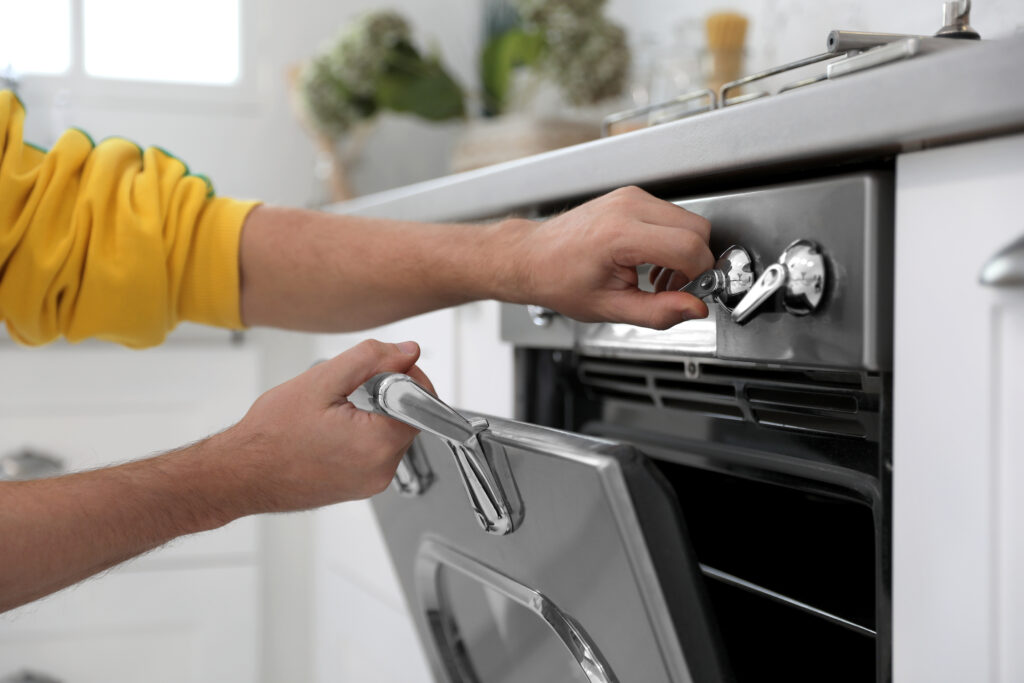
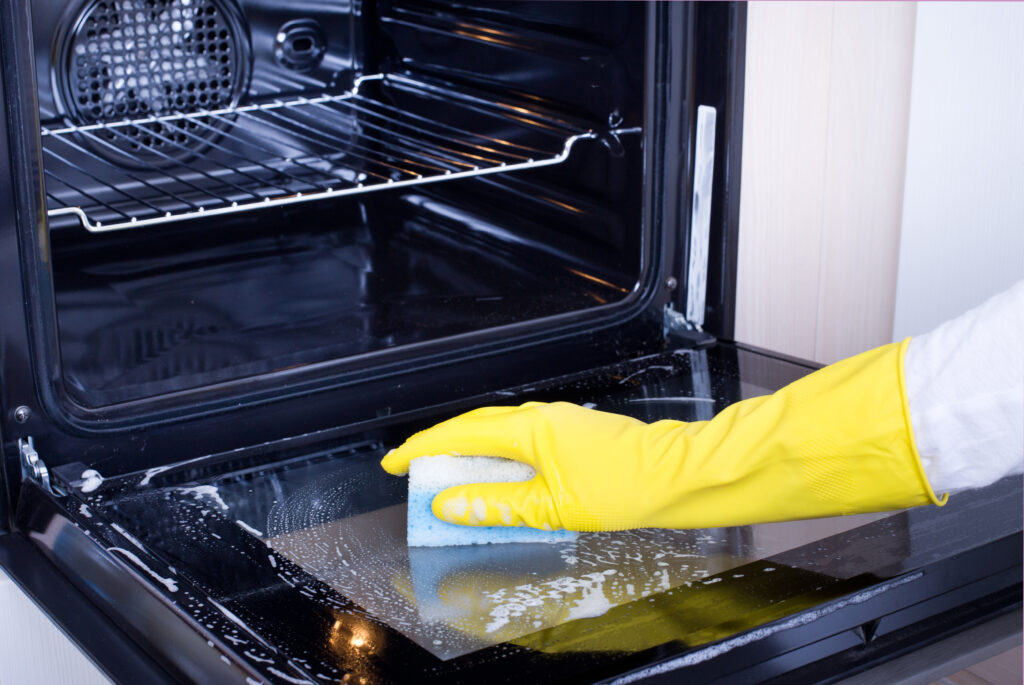
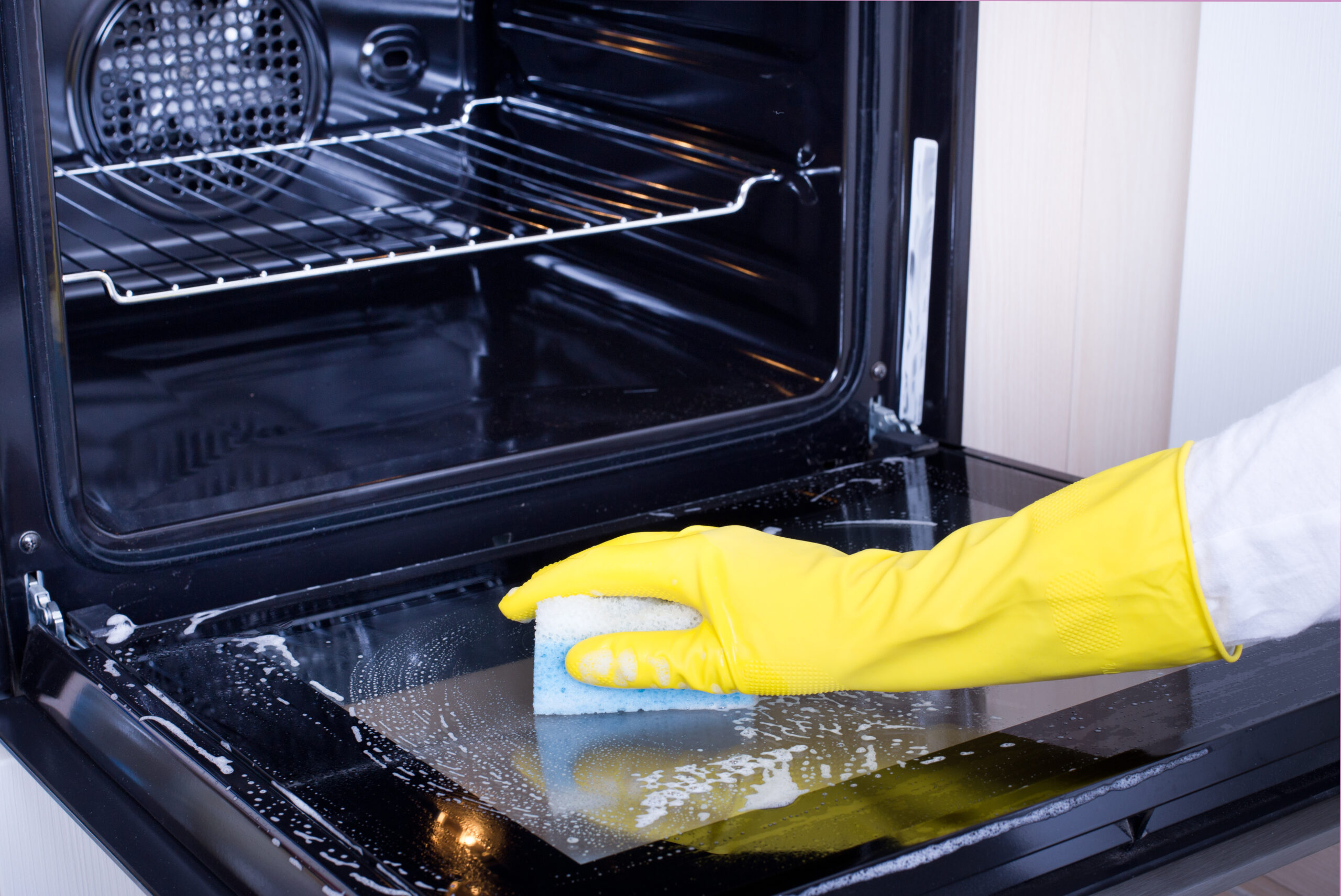
Start with safety. Shut off the gas supply completely by turning the oven’s gas valve to the off position. Unplug the appliance if it uses electricity for ignition or the interior light. Once the oven is cool and inactive, remove racks, trays, or thermometers. Prepare a cleaning solution using either a commercial degreaser or a homemade blend of vinegar, water, and baking soda. Apply your cleaner to the oven’s interior, focusing on stained regions but avoiding the igniter and gas ports, which should never be soaked. Allow the cleaner to dwell for 30 minutes or longer for stubborn buildups. Then, using a damp, non-abrasive cloth, thoroughly wipe down the interior. Dry all cleaned areas with a microfiber towel. Before restoring gas and power, inspect all parts for moisture, especially around electrical controls and the burner.
Maintaining Oven Components Between Thorough Cleanings
While deep cleans focus on internal surfaces, ongoing care should pay attention to removable components. Oven racks can be soaked in warm, soapy water. Avoid placing them in dishwashers unless specified as dishwasher-safe. Burner ports on the oven’s floor must be kept clear; use a soft brush or dry cloth to remove crumbs around these sensitive areas. Don’t insert tools or sharp objects into the ports to dislodge blockages—it can easily damage the gas flow or ignition wiring. Also, monitor the door gasket, which ensures heat is retained inside the oven. If it becomes sticky or cracked, gently clean it with diluted vinegar and inspect it for wear. If compromised, the gasket should be replaced, as heat loss reduces energy efficiency and strains oven performance.
Advantages of Cleaning Your Gas Oven (Beyond Aesthetics)
Homeowners often associate oven cleaning with cosmetic upkeep, but the benefits are far more impactful. First, regularly cleaned ovens operate more efficiently, reaching desired temperatures more consistently and using less gas. Second, clean ovens are safer. Excess buildup can ignite unexpectedly, risking household fires. Third, the food you cook smells better and tastes more accurate, as there are no lingering odors from past spills. Finally, clean ovens are less prone to component failure. Heat sensors, thermostats, and gas regulators remain fully functional when not coated in grime, reducing costly repairs. Many home warranty contracts—like the ones supported by Armadillo—encourage proactive care to prevent breakdowns that wouldn’t be eligible under specific exclusions related to neglect.
Why Choose Armadillo to Protect Your Gas Oven and Kitchen Essentials
Cleaning your gas oven regularly helps keep your household functioning safely and smoothly. But even the most well-maintained appliance can encounter issues over time. With Armadillo, you get a modern, reliable home warranty solution built for today’s homeowners. Whether it’s your gas oven, refrigerator, or built-in microwave, a plan from Armadillo provides the coverage and peace of mind needed when essential systems act up unexpectedly. Best of all, our process is fast and transparent. You can start by visiting our homepage at armadillo.one or jump directly into customizing your plan at our plan builder. Protect your kitchen. Protect your investment. Partner with Armadillo.