Why Cleaning Your Gas Oven Is More Important Than You Think
Most homeowners have a complicated relationship with their gas oven. They use it constantly, rely on it for everything from weeknight dinners to holiday roasts, and then quietly ignore the grease splatters and baked-on residue that accumulate over time. The thing is, a dirty gas oven is not just an aesthetic problem. It affects cooking performance, produces unpleasant odors, and can even become a safety concern if burner grates or igniters get clogged. Cleaning your gas oven the right way — and on a consistent schedule — is one of those maintenance habits that pays off in a big way over the life of your appliance.
Understanding How a Gas Oven Works
Before you start scrubbing, it helps to understand what you are working with. A gas oven uses a burner at the bottom of the oven cavity, powered by natural gas or propane, that is ignited either by a pilot light or an electronic igniter. Heat circulates through the oven cavity to cook food. The oven floor, walls, racks, and broiler drawer all accumulate grease, food particles, and carbon deposits over time. Unlike electric ovens, gas ovens have specific components — like the igniter and the burner itself — that need to stay clear of debris in order to function properly. Understanding this helps you clean smarter, not harder.
Gathering the Right Supplies Before You Start
Walking into a cleaning session without the right tools is a recipe for frustration. For a gas oven, you will want to assemble a few things before you get started. The good news is that most of what you need is probably already under your sink.
- Baking soda and white vinegar for a natural, non-toxic cleaning paste
- Dish soap and warm water for general surface cleaning
- A non-scratch scrub brush or sponge
- Rubber gloves to protect your hands
- A plastic or silicone spatula for scraping off loosened debris
- Microfiber cloths or paper towels for wiping down surfaces
- A commercial oven cleaner if dealing with heavy buildup
Avoid using steel wool or abrasive pads on oven interiors, as these can scratch surfaces and damage protective coatings. If you choose a commercial cleaner, read the label carefully and ensure it is safe for use in gas ovens.
Step-by-Step: How to Clean the Interior of Your Gas Oven
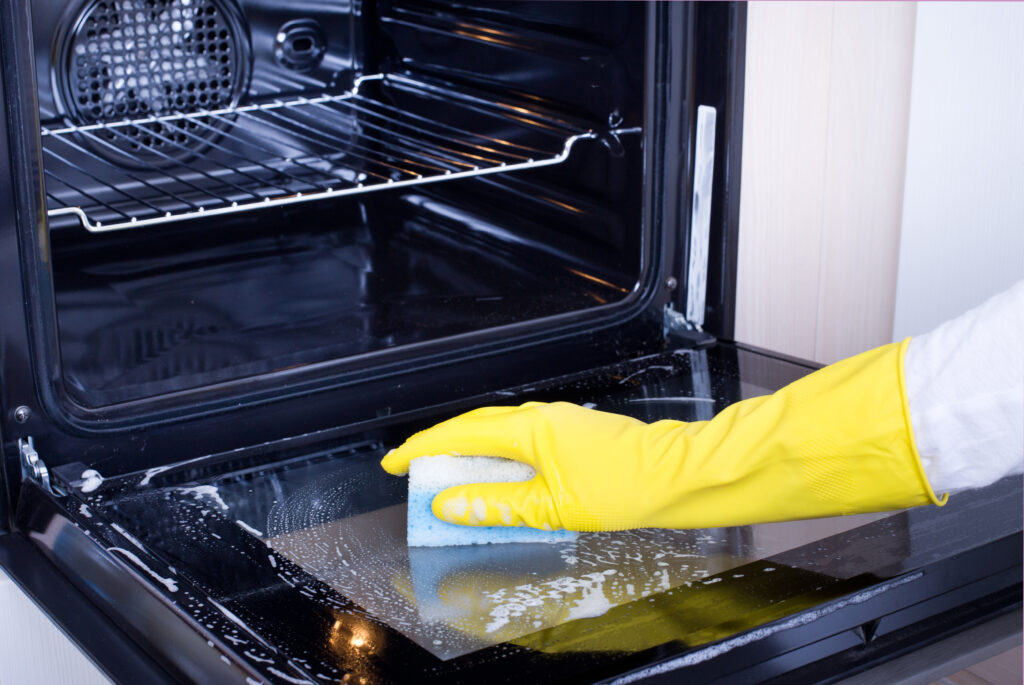
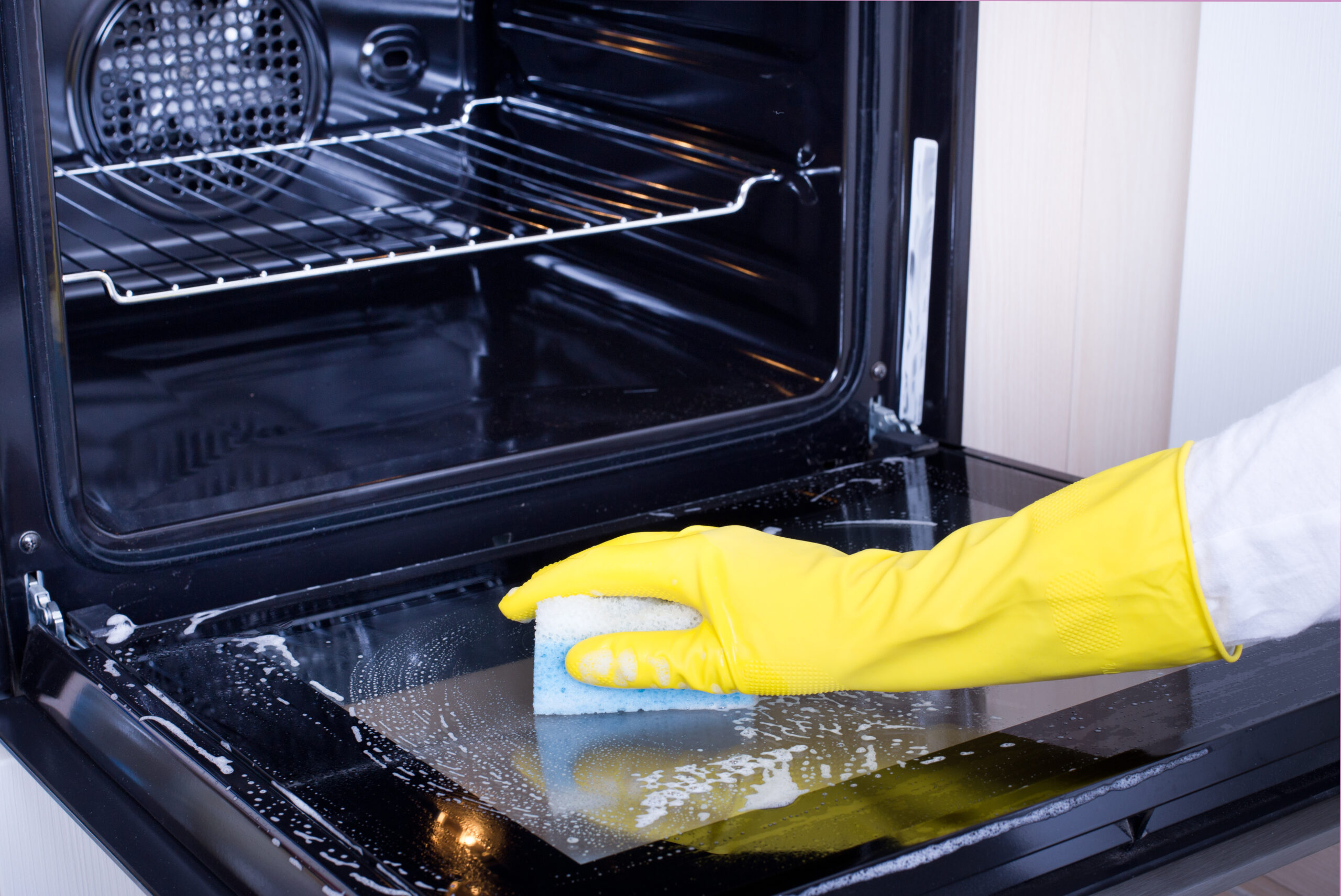
Start by turning off the gas and ensuring the oven is completely cool. Remove the oven racks and set them aside — those get cleaned separately. If your oven has a removable bottom panel over the burner, take that out as well. Mix a thick paste using baking soda and a small amount of water, then spread it generously across the interior surfaces of the oven, avoiding the gas burner and igniter. Let that paste sit for at least 12 hours — overnight works best. The baking soda breaks down grease and loosens baked-on residue without harsh fumes. Once the paste has done its job, use a damp cloth to wipe it all away, and then spray white vinegar lightly over any remaining baking soda residue. The fizzing reaction helps lift the last bits of buildup. Wipe everything clean with a fresh cloth.

Cleaning the Oven Racks the Right Way
Oven racks can be surprisingly stubborn to clean, but a good soak does most of the heavy lifting. Place the racks in a bathtub or large utility sink, cover them with hot water and a generous pour of dish soap, and let them soak for several hours. After soaking, use a non-scratch scrub brush to remove remaining residue. For particularly stubborn buildup, sprinkle baking soda directly onto the rack and scrub with a damp sponge. Rinse thoroughly and dry completely before putting them back in the oven. Sliding wet racks back in can cause rust over time, so patience here is worth it.
How to Clean the Gas Burner and Igniter Safely
This is the part most homeowners skip — and it is arguably the most important. The gas burner and igniter are sensitive components. If food debris or grease gets into the burner ports, you may notice uneven flames, clicking sounds when the oven is off, or trouble igniting. Use a soft-bristled toothbrush to gently clean around the igniter and burner ports. Do not use water directly on the igniter, as moisture can damage it. A dry toothbrush combined with careful, gentle strokes is typically enough to dislodge any particles. If the burner ports appear clogged, a wooden toothpick can help clear them without scratching the surface. Never use metal objects near the igniter.
Cleaning the Outside of Your Gas Oven
The exterior deserves attention too. Grease splatter on the front panel, control knobs, and door glass can build up faster than you realize. Remove the control knobs carefully — most simply pull straight off — and wash them in warm, soapy water. Clean the control panel with a damp microfiber cloth and a small amount of dish soap. For the oven door glass, the baking soda paste method works well here too. Apply the paste, let it sit for 30 minutes, and wipe away with a clean damp cloth. For stainless steel surfaces, always wipe in the direction of the grain to avoid streaking or surface scratches.
How Often Should You Clean Your Gas Oven
This is where most people underestimate the need. A light wipe-down after significant spills should happen immediately, while the oven is still warm but no longer hot. A more thorough cleaning of the interior — the baking soda treatment — should realistically happen every three to six months depending on how often you cook. The burner and igniter area should be inspected and lightly cleaned monthly. Oven racks can be deep cleaned every three months or whenever they start showing visible buildup. Staying consistent with this schedule prevents the kind of extreme buildup that turns a two-hour cleaning project into a full-day ordeal.
Common Mistakes That Can Damage Your Gas Oven
Some well-intentioned cleaning habits can actually do more harm than good. Using the self-clean function on a gas oven is one of them — not all gas ovens are designed for self-cleaning cycles, and even those that are can experience igniter burnout or damage to the door seal from the extreme heat involved. Spraying water directly onto the burner or igniter is another common misstep that leads to ignition issues. Lining the oven floor with aluminum foil seems clever, but it can block heat circulation and damage the oven bottom. Always check your oven’s owner manual before introducing any new cleaning method or product.
How a Home Warranty Protects Your Gas Oven Investment
Keeping your gas oven clean is excellent preventative care, but even a well-maintained appliance can run into mechanical problems. Igniters wear out. Thermostats fail. Control boards malfunction. These are not signs of neglect — they are just the natural lifecycle of a hardworking appliance. That is exactly where home warranty coverage for kitchen appliances and built-in systems becomes genuinely valuable. Rather than absorbing a surprise repair or replacement cost out of pocket, a home warranty plan through Armadillo steps in to help cover those mechanical and electrical failures. Armadillo offers straightforward, honest coverage with no confusing fine print, and the claims process is designed to be fast and stress-free. If your gas oven’s igniter fails or your burner stops heating evenly, you should not have to choose between dinner and your budget. Take two minutes to get a personalized home warranty quote for your gas oven and major appliances and see what kind of protection fits your home and your life.

Frequently Asked Questions About Cleaning a Gas Oven
Can I use commercial oven cleaner on a gas oven?
Yes, most commercial oven cleaners are safe for use inside gas ovens, but you must keep the cleaner away from the gas burner and igniter. Always read the product label and ventilate the kitchen thoroughly during use.
Is it safe to clean a gas oven while the gas is still connected?
You do not need to disconnect the gas line, but you should ensure the oven is completely off and fully cooled before cleaning. Avoid spraying water or cleaning solutions near the burner or igniter components.
How do I get rid of the burning smell after cleaning my gas oven?
A burning smell after cleaning usually means some residual cleaning product or moisture is burning off. Run the oven at 350 degrees Fahrenheit for about 15 to 20 minutes with the kitchen well ventilated to clear the odor.
Can I put my oven racks in the dishwasher?
Most manufacturers advise against placing oven racks in the dishwasher. The harsh detergents and high heat can strip protective coatings and cause discoloration. Soaking and hand scrubbing remains the safest method.
Why does my gas oven keep clicking after I clean it?
Clicking after cleaning typically means moisture has gotten into the igniter. Allow the oven to air dry completely with the door open, and the clicking should stop once the igniter dries out fully.
How do I clean the inside of my oven door glass?
Apply a paste of baking soda and water to the interior glass, let it sit for 20 to 30 minutes, and then wipe it away with a damp cloth. For stubborn spots, a plastic scraper can help without scratching the glass surface.
What happens if I never clean my gas oven?
Over time, grease and food buildup can cause smoke during cooking, unpleasant odors, and uneven heat distribution. In extreme cases, accumulated grease can become a fire hazard and clog burner ports, affecting ignition.
Does cleaning a gas oven affect its performance?
Yes, significantly. A clean oven heats more evenly, reaches temperature faster, and produces fewer odors during cooking. Keeping the burner ports clear also ensures consistent flame output and reliable ignition.
How do I know if my gas oven igniter needs to be replaced rather than cleaned?
If cleaning the igniter does not resolve ignition problems, or if you notice the igniter glowing orange but the oven failing to light, the igniter itself may be weakening and likely needs professional replacement.
Does a home warranty cover gas oven repairs?
Many home warranty plans include coverage for gas ovens and ranges when failures are the result of mechanical or electrical breakdown. Coverage details vary by provider and plan, so reviewing what is included before a problem occurs is always the smart move.