How to Clean a GE Electric Oven: A Homeowner’s Guide to Long-Term Appliance Care
Owning a GE electric oven is a valuable addition to any kitchen. Known for their reliability and performance, GE electric ovens help homeowners prepare meals consistently and efficiently. But like any trusted appliance, they need regular maintenance to operate safely and effectively. Chief among these tasks is cleaning. A clean oven not only functions better—it also extends the lifespan of the appliance and can prevent costly breakdowns. This educational guide will walk you through everything you need to know about how to clean a GE electric oven, how it works, the advantages and disadvantages of its cleaning methods, and how it ties into broader considerations for home system upkeep and warranty protection.
Understanding How a GE Electric Oven Works
At its core, a GE electric oven operates using electric heating elements located at the top and bottom of the oven’s interior. These elements convert electrical energy into heat, controlled by a thermostat that regulates temperature based on the setting you choose. Modern GE models often include features like convection cooking, touch controls, hidden bake elements, and self-cleaning capabilities. These added technologies are designed to make your cooking process more efficient and your appliance easier to clean. However, the accumulative residue from food spills, grease, and high heat can overwhelm even the best-designed ovens over time. Keeping the oven clean ensures optimal cooking performance and prevents long-term wear and tear.
What Cleaning Methods Are Available for GE Electric Ovens?
GE electric ovens typically offer three cleaning methods: manual cleaning, steam cleaning, and self-cleaning. Manual cleaning requires you to scrub the oven interior using oven-safe cleaning products and tools. Steam cleaning uses low heat and water to loosen baked-on foods, making wiping easier. Finally, the self-cleaning cycle heats the oven to extremely high temperatures—up to around 880 degrees Fahrenheit—to burn off residue, reducing it to ash. Each method serves a specific purpose and cleaning frequency. Manual cleaning provides precision but requires effort. Steam cleaning is quick and less abrasive, suitable for light messes. Self-cleaning, while thorough, should be used sparingly to avoid putting stress on interior components or triggering a tripped breaker.
Step-by-Step: How to Clean Your GE Electric Oven Safely
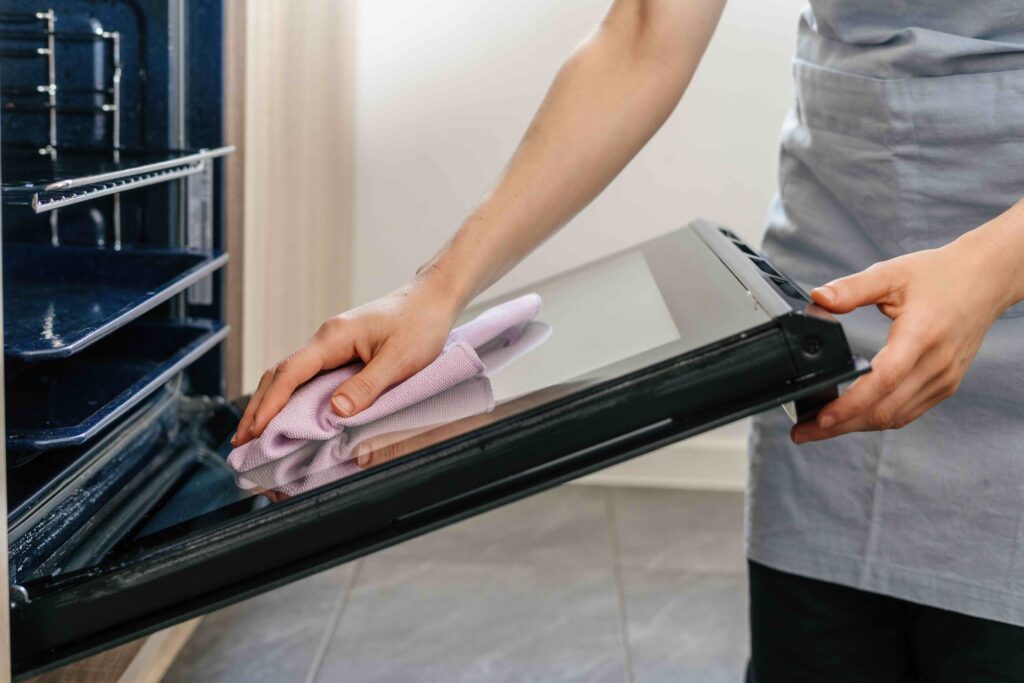
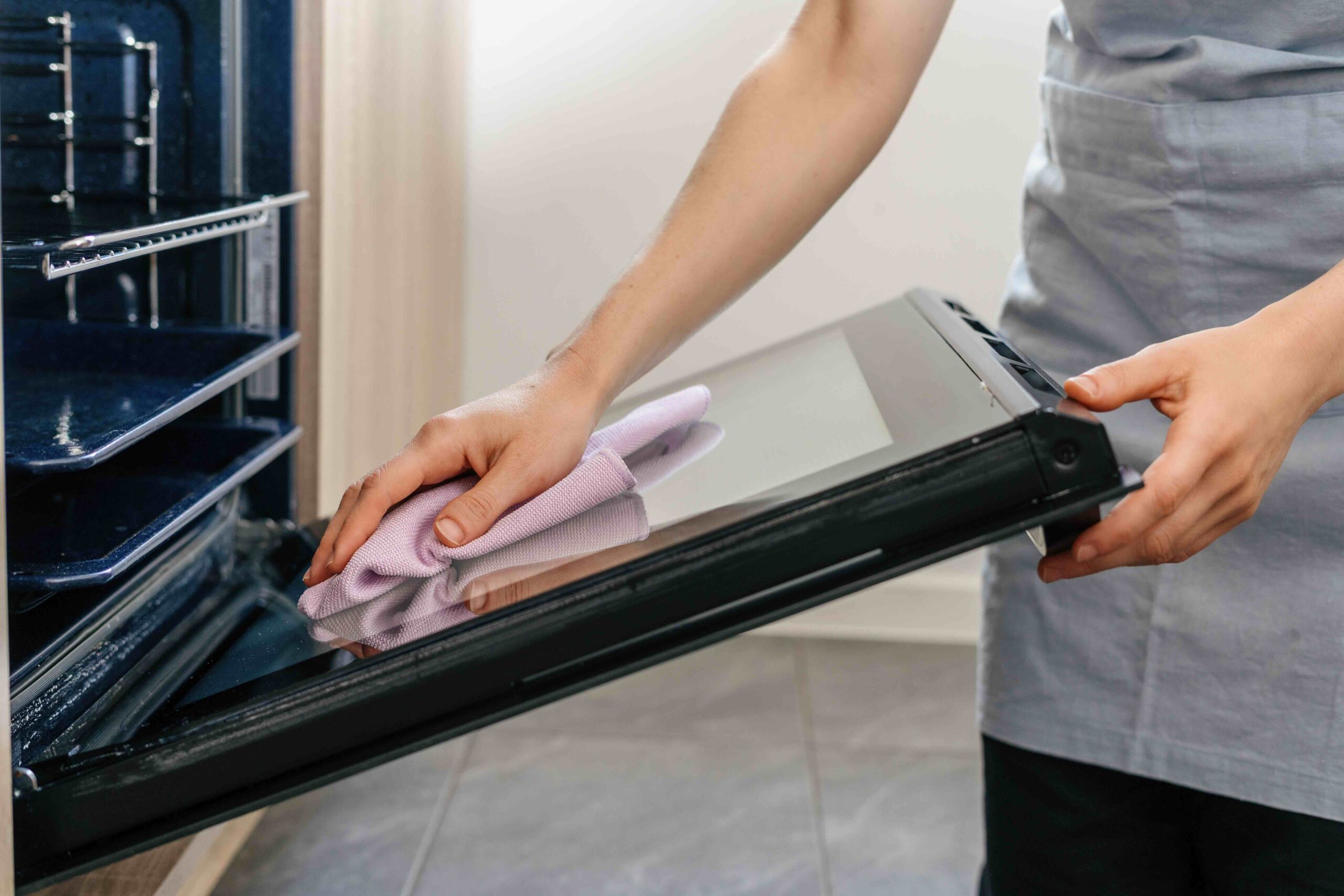
Before starting, determine which type of cleaning method your model supports by reviewing the user manual or the model number on the door frame. For manual cleaning, remove the oven racks and use a mix of baking soda and water or an oven-approved cleaner. Apply it to the interior and let it sit for a few minutes before scrubbing with a nonabrasive sponge. For steam clean cycles, pour about a cup of water into the bottom of the oven and initiate the steam clean function. Wait for the cycle to complete, then wipe down the loosened residue. If using the self-cleaning option, remove all racks, including any cookware or foil, close the door securely, and start the cycle. Do not attempt to open the door during this process. Ensure your kitchen is ventilated, as there may be fumes from the intense heat removing debris from inner surfaces.
Key Advantages of a Clean GE Electric Oven
Cleaning your GE electric oven delivers several notable advantages. A clean interior leads to more even heat distribution, preventing hot and cold spots that can ruin your cooking. It enhances energy efficiency, reducing the cooking time and the amount of power needed to maintain consistent temperatures. Routine cleaning also minimizes the risk of smoke or fire caused by accumulated food particle burn-off. Most importantly, it preserves the integrity of oven components, reducing stress on the heating elements, the thermostat, and the control board—parts often not covered after significant damage has occurred unless properly maintained under a home warranty policy.
Potential Drawbacks to Be Aware Of
While the benefits of keeping your oven clean are clear, there are a few considerations to keep in mind. Self-cleaning cycles in particular can place stress on system components. The extreme heat can trigger thermal fuses, warp racks if they’re left inside, or even crack the oven’s interior coatings over time. Misuse of chemical cleaners can damage surfaces, especially on newer models with protective finishes. It’s essential to use only products approved for ovens and to follow model-specific instructions. Improper cleaning—either from neglect or overuse of self-clean features—can also compromise your appliance’s eligibility for coverage under certain warranty providers. Over-aggressive cleaning may be viewed as misuse, while neglect can void claims related to normal wear and tear.
How Oven Maintenance Fits into the Home Warranty Landscape
In the home warranty industry, oven maintenance is considered part of a homeowner’s responsibility. Providers expect reasonable care as a prerequisite for claim eligibility. That means your home warranty is more likely to cover a malfunctioning heating element or a broken control panel if there is no evidence of neglect or misuse. Cleaning plays a crucial role in establishing that level of responsibility. Documenting your oven maintenance—including the dates of self-cleaning cycles or manual cleanings—demonstrates diligence and can support your case should a problem arise. If a GE electric oven fails due to an electrical fault not caused by residue buildup or component overheat, a strong maintenance history enhances your chances of claim approval under a standard appliance warranty plan.
When Should You Consider Professional Assistance?
If you notice malfunctions following a self-clean cycle—such as control lock malfunctions, non-heating elements, or cooling fan noises that persist—consider scheduling a technician evaluation before attempting another clean. In high-end models with digital displays and integrated smart systems, DIY cleaning methods may not resolve deeper performance issues. Don’t ignore error codes after a clean. GE models typically display codes if something abnormal occurs, and some faults can affect the oven’s long-term usability. Most homeowners can manage routine cleanings, but if there’s visible damage like chipping interior enamel, electrical issues, or if the self-clean function stops mid-cycle, a professional should be consulted. In these situations, engaging your home warranty can help reduce service costs while identifying whether repair or replacement qualifies under your coverage.
Protecting Your Investment with a Home Warranty from Armadillo
Proper care of a GE electric oven starts with knowing how to clean it, but ensuring financial protection for unexpected breakdowns is just as critical. With a comprehensive home warranty from Armadillo, you gain peace of mind knowing that if your oven—or any covered home system—malfunctions despite your best maintenance efforts, you’re not left facing expensive repairs on your own. Armadillo provides flexible, modern warranty plans designed to make homeownership easier. Explore more about how their plans support your appliances and systems at www.armadillo.one, or begin building your custom plan today at this link. Maintenance is essential—but backed by the right coverage, your home can function better, longer, and with fewer costly surprises.