What Is a Roof Vent Pipe and Why Does It Matter?
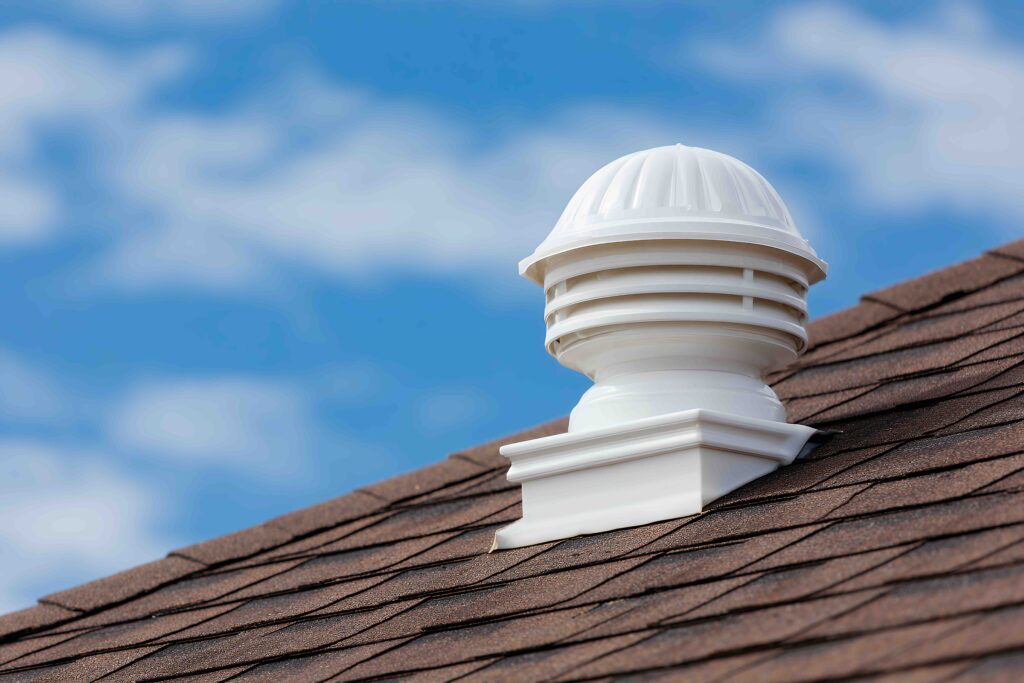
Most homeowners spend a lot of time thinking about their roof — shingles, gutters, flashing — but the vent pipe sticking up through the surface? That one tends to get overlooked. A roof vent pipe, also called a plumbing stack or plumbing vent, is a vertical pipe that extends from your home’s drain system up through the roof. Its job is to regulate air pressure inside your plumbing system and allow sewer gases to escape safely outside. Without it, your drains would gurgle, your traps would dry out, and your home could fill with toxic gases. It is genuinely one of the unsung heroes of your home’s infrastructure — and like everything else up on that roof, it needs periodic attention.
How a Roof Vent Pipe Works
Here is the short version: every time water rushes through your drains, it displaces air. If that air has nowhere to go, you get negative pressure — which translates into slow drains, gurgling sounds, and potentially siphoned P-traps that allow sewer gas into your home. The vent pipe resolves this by letting air in from outside, keeping pressure balanced. It is essentially your plumbing system breathing. The pipe runs vertically through your home’s wall cavities and exits through the roof, where it sits exposed to the elements year-round. That exposure is exactly why cleaning it regularly matters. Debris, bird nests, leaves, and even ice can partially or fully block the pipe opening, compromising your entire drainage system quietly and gradually.
Signs Your Roof Vent Pipe Needs Cleaning
A clogged vent pipe does not announce itself obviously — at least not at first. The symptoms tend to look like regular plumbing problems, which is part of what makes it tricky to diagnose. Here are the most common warning signs that your vent pipe may need attention:
- Gurgling or bubbling sounds coming from drains or toilets after flushing
- Slow-draining sinks, tubs, or showers despite clear drain lines
- A faint or strong sewage smell inside the home, especially near floor drains
- Water backing up in unexpected fixtures when using other drains
- Dry P-traps that allow gas odors to seep through
If you are noticing any combination of these issues and you have already ruled out a simple clog, the vent pipe is a reasonable next suspect. Addressing it promptly can prevent what starts as a minor inconvenience from escalating into a plumbing repair that costs significantly more.
How to Clean a Roof Vent Pipe Step by Step
Cleaning a roof vent pipe is a manageable task for a moderately handy homeowner, though it does require safe roof access and the right tools. Before starting, gather a sturdy ladder, rubber-soled shoes, a garden hose with good water pressure, a plumber’s snake or drain auger, and a flashlight. Always check weather conditions before climbing — wet or icy roofs are genuinely dangerous. Once you are safely positioned near the vent pipe opening, use your flashlight to check for visible blockages like leaves, debris, or nests. If you can see the obstruction, carefully remove it by hand or with a tool. For deeper blockages, feed the plumber’s snake down into the pipe and work it through the obstruction. Follow up by running the garden hose down the pipe to flush out remaining residue. If water backs up instead of draining freely, the blockage may be more significant and a licensed plumber may be the smarter call at that point.
When to Call a Professional
There is a reasonable threshold where DIY roof vent maintenance stops making sense. If the blockage is deep in the pipe and your snake cannot reach it, or if there is structural damage around the pipe flashing that is allowing water intrusion, professional help is warranted. A plumber can use camera inspection tools to identify the exact location and nature of the blockage without guesswork. A roofing professional may also need to assess whether the pipe boot — the rubber or metal seal around the base of the vent pipe — has cracked or degraded. That failure point is actually one of the more common causes of roof leaks in homes and is frequently overlooked during routine inspections.
How Often Should You Clean Your Roof Vent Pipe
A good rule of thumb is to inspect your roof vent pipe at least once a year, ideally in the fall before winter sets in or in early spring after the season has passed. Homes surrounded by trees or in areas with heavy bird activity may need more frequent checks — twice a year is not unreasonable in those cases. Installing a vent pipe cover or screen can reduce how often debris accumulates, though those covers need their own periodic inspection to ensure they have not become clogged themselves. The investment of time here is minimal compared to the disruption a fully blocked vent pipe causes to your daily plumbing use.
Key Advantages of Regular Vent Pipe Maintenance
Staying on top of this one component of your home delivers returns that go well beyond functional drains. Consistent vent pipe cleaning helps maintain proper air pressure throughout your plumbing system, extends the lifespan of drain components, reduces the risk of sewer gas exposure, and helps you catch early signs of roof penetration issues before water damage sets in. It is also one of those maintenance tasks that, when documented, demonstrates responsible homeownership — which matters when it comes time to sell or make warranty claims.
Common Mistakes Homeowners Make
A few missteps come up repeatedly when homeowners tackle vent pipe maintenance on their own. The first is confusing a vent pipe problem with a standard drain clog and spending time snaking drains that are not actually blocked. Another common mistake is using a pressure washer instead of a garden hose, which can force debris deeper into the system or damage older pipes. Some homeowners also install vent covers that are too fine-mesh, which trap debris more efficiently than the pipe itself ever would. And perhaps the most consequential mistake is ignoring the pipe boot during inspection — a cracked boot is a water intrusion waiting to happen and is easy to miss if you are only focused on the pipe opening itself.
How Home Warranties Can Support Your Plumbing System
Roof vent pipes are connected to your home’s plumbing system in a very real, functional way — and when something fails in that system, the costs can add up fast. That is where a home warranty becomes a meaningful financial safeguard. Armadillo home warranty plans for plumbing system protection are built around the understanding that homeowners should not have to absorb the full cost of unexpected system failures on their own. When your vent pipe issue is part of a larger plumbing problem — a damaged drain line, a failing P-trap, or a pipe that has finally given out — having a warranty in place means you are making one call instead of staring down an invoice for hundreds or thousands of dollars. If you want to see what coverage looks like for your home specifically, you can get a free home warranty quote for plumbing and roof-related system coverage and have a clear picture of what protection is available before the next problem shows up uninvited.

Frequently Asked Questions About Cleaning Roof Vent Pipes
Below are answers to the most commonly asked questions homeowners have when it comes to roof vent pipe cleaning, maintenance, and related plumbing system concerns.
What is a roof vent pipe used for?
A roof vent pipe allows air to enter your home’s plumbing system to equalize pressure and provides an exit point for sewer gases, preventing them from backing up into your living spaces.
How do I know if my roof vent pipe is clogged?
Common signs include gurgling drains, slow drainage throughout the home, sewage odors inside the house, and water backing up into fixtures when other drains are in use.
Can I clean a roof vent pipe myself?
Yes, with the right tools, safe ladder access, and appropriate weather conditions, many homeowners can clear minor blockages using a garden hose and a plumber’s snake. Deep or recurring blockages may require a licensed plumber.
What tools do I need to clean a roof vent pipe?
You will need a sturdy ladder, rubber-soled footwear, a flashlight, a garden hose with strong water pressure, and a drain auger or plumber’s snake for deeper obstructions.
How often should a roof vent pipe be cleaned?
At minimum, inspect and clean the vent pipe once per year. Homes near trees or with active bird populations may benefit from inspections twice a year.
What causes a roof vent pipe to get blocked?
Debris accumulation is the most common cause — leaves, twigs, bird nests, and in colder climates, ice can all obstruct the pipe opening over time.
Is a cracked pipe boot a serious problem?
Yes. The pipe boot seals the area where the vent pipe exits the roof. A cracked or degraded boot allows water to enter the roof structure, which can lead to leaks, wood rot, and interior water damage if not addressed promptly.
Does a home warranty cover roof vent pipe issues?
Coverage depends on the specific plan. Many home warranties cover plumbing system components, and some extend to related failures. Reviewing your plan details or getting a quote tailored to your home is the best way to understand what is included.
Can a blocked vent pipe cause sewer gas exposure?
Yes. When a vent pipe is blocked, sewer gases cannot escape properly and may build up inside the home through dry or siphoned P-traps. Some of these gases, including hydrogen sulfide and methane, are hazardous and require prompt attention.
Should I install a vent pipe cover or screen?
Vent pipe covers can reduce debris entry, but they require their own maintenance. Covers that become fully clogged can restrict airflow as effectively as a blocked pipe, so they need to be inspected regularly alongside the pipe itself.