Why Your Sink Drain Deserves More Attention Than It Gets
Most homeowners do not think about their sink drain until something goes wrong. A slow drain, a strange smell, standing water that refuses to move — these are the moments when a drain that has been quietly collecting grease, soap, hair, and food debris finally makes itself known. If your sink does not have a garbage disposal, that drain is entirely on its own when it comes to handling everything that goes down it. Understanding how to clean a sink drain without a garbage disposal is one of those genuinely useful skills that can save you money, protect your plumbing, and keep your kitchen or bathroom functioning without interruption. It is simpler than most people think, and it is absolutely worth doing regularly.
How a Sink Drain Without a Garbage Disposal Actually Works
A standard sink drain without a garbage disposal relies on a basic drainage system: water and debris flow through the drain opening, past a strainer or stopper, and into the P-trap — that curved pipe section underneath the sink — before moving into the main drain line. The P-trap holds a small amount of water at all times, which serves as a barrier against sewer gases entering your home. Without a garbage disposal to grind food particles, anything that bypasses the strainer collects inside the drain line over time. Soap residue, grease, food scraps, and mineral deposits accumulate along the pipe walls and create blockages. Understanding this helps explain why regular cleaning is not optional; it is part of responsible home maintenance.
The Most Common Causes of Sink Drain Buildup
Knowing what causes drain buildup makes prevention much easier. In kitchen sinks, the primary culprits are cooking oils, grease, food particles, and dish soap residue. These materials stick to the interior walls of your drain pipes and, over time, narrow the passage water needs to flow freely. In bathroom sinks, the main offenders are toothpaste, soap scum, and hair. Both types of drains are also susceptible to hard water mineral deposits, which create a rough surface inside the pipe that catches and holds debris even more effectively. Once buildup reaches a certain point, slow drainage follows, and from there it is a short trip to a full clog.

How to Clean a Sink Drain Without a Garbage Disposal Step by Step
Cleaning a sink drain without a garbage disposal does not require specialized tools or expensive products. The process is straightforward, and doing it properly covers both the surface-level grime and the buildup deeper in the pipe.
- Remove the drain strainer or stopper and clean it thoroughly with warm water and dish soap, scrubbing away any visible debris or residue.
- Pour a pot of boiling or very hot water directly down the drain to loosen grease and soap buildup along the pipe walls.
- Follow the hot water with a mixture of one cup of baking soda and one cup of white vinegar. Let this combination sit and fizz inside the drain for at least fifteen minutes.
- Flush the drain with another round of hot water to push the loosened debris through the pipe and clear out the fizzing mixture.
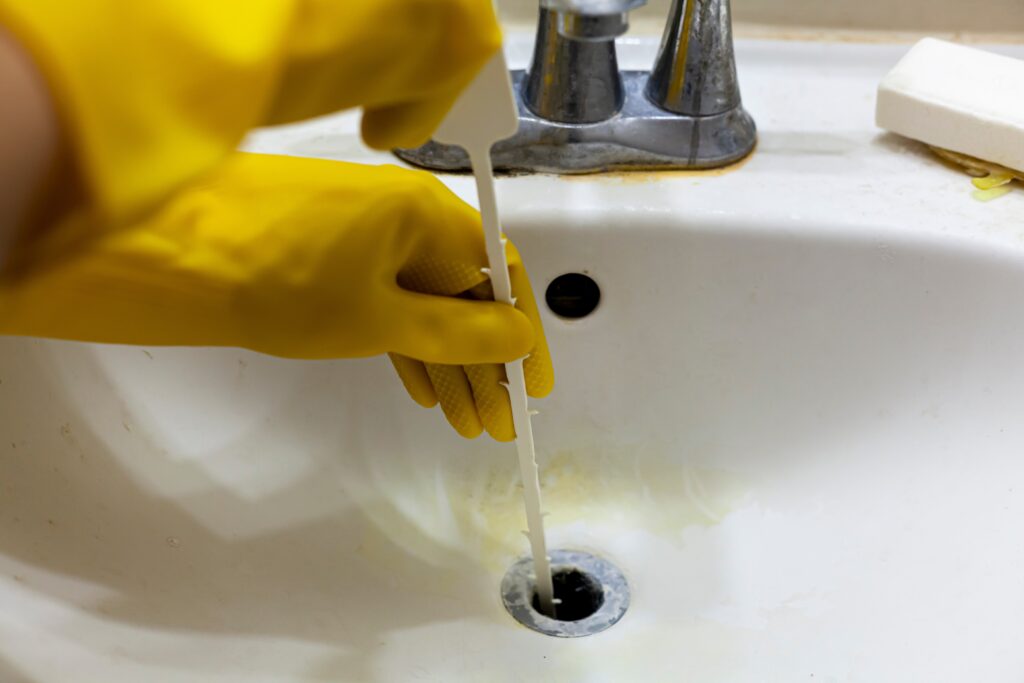
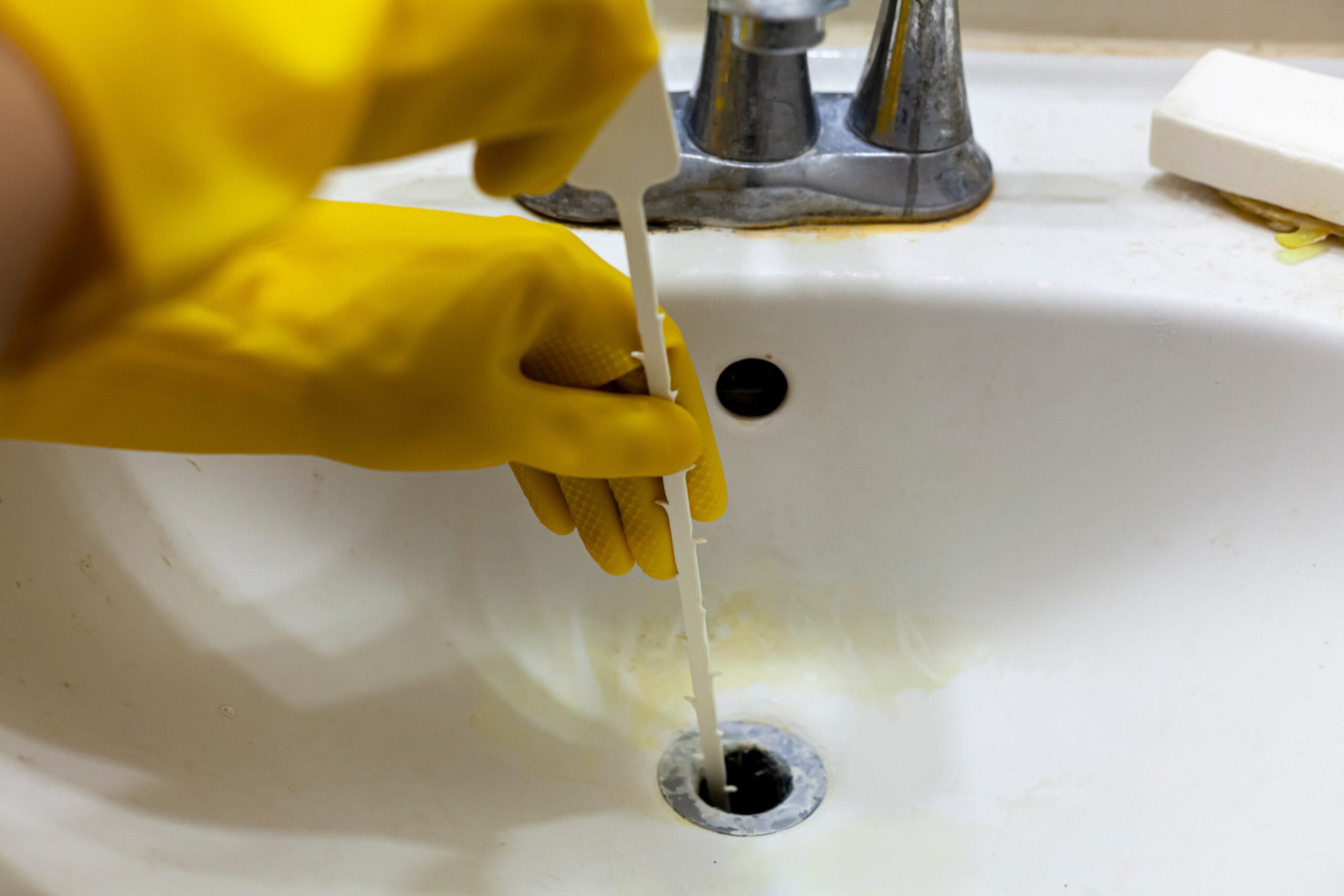
- For persistent buildup or slow drains that do not respond to this method, use a drain snake or a flexible drain cleaning brush to physically break up and remove the blockage.
- Consider using an enzyme-based drain cleaner monthly as a maintenance step, particularly in kitchen sinks where grease accumulates quickly.
Tools That Make Drain Cleaning Easier
You do not need a toolkit full of specialized plumbing equipment to maintain a clean drain, but a few simple tools make the job easier and more effective. A drain snake — also called a hand auger — is one of the most practical investments a homeowner can make. It reaches deeper into the pipe than any liquid solution and physically dislodges stubborn clogs. A flexible drain brush is useful for cleaning the upper portion of the drain and the underside of the drain opening. A good drain strainer is worth having in every sink; it catches debris before it enters the pipe in the first place and significantly reduces how often you need to do a deeper clean.
What to Avoid When Cleaning Your Sink Drain
There are a few common mistakes that are worth calling out directly, because they are surprisingly widespread. Chemical drain cleaners that rely on harsh caustic ingredients — sodium hydroxide, for example — can damage older pipes over time and are particularly problematic with PVC plumbing. They may clear a clog in the short term but create a bigger problem down the line. Pouring grease down the drain is another issue that seems obvious once you know the mechanics, but it happens constantly. Even hot liquid grease cools and solidifies as it moves through the pipe. Additionally, relying too heavily on the baking soda and vinegar method for a serious clog can give a false sense of progress; this approach works well for maintenance but may not be sufficient for a significant blockage.
How Often Should You Clean a Sink Drain
Routine matters more than intensity here. A light maintenance cleaning — hot water flush followed by baking soda and vinegar — should happen once a month for kitchen sinks and every six weeks for bathroom sinks. If you notice slower-than-usual drainage, do not wait for the monthly schedule; address it promptly. A full cleaning that includes removing the stopper or strainer and using a drain brush or snake should happen every three to four months. Staying ahead of buildup is significantly less effort than dealing with a complete clog, and it also reduces the chance of pressure building up in the pipes in ways that can cause more serious plumbing issues.
When a Clog Goes Beyond DIY Cleaning
Most minor clogs respond well to home cleaning methods, but some situations require a professional plumber. If multiple drains in your home are slow or backed up simultaneously, the problem likely lies in the main drain line rather than the individual fixture. Gurgling sounds coming from drains or toilets after water drains elsewhere in the house are another indicator of a deeper issue. Recurring clogs that return quickly after cleaning may suggest a partial blockage deeper in the pipe or even a damaged section of drain line. In these cases, professional intervention is the right call, and attempting to resolve it with more aggressive home methods may worsen the situation.
How a Home Warranty Connects to Your Plumbing Health
Keeping your drains clean is excellent preventive maintenance, but even the most diligent homeowner encounters plumbing failures that have nothing to do with how well they maintained their drains. Pipe leaks, water line failures, and drain line damage are the kinds of unexpected repair costs that land without warning and can be expensive to fix. This is exactly the kind of situation a home warranty is designed to address. Armadillo home warranty coverage for plumbing systems and home repairs is built to help homeowners manage these moments without the financial shock that typically comes with them. If a clog turns into a confirmed drain line failure, or if a plumbing component covered under your plan gives out, Armadillo steps in to help coordinate the repair and cover the cost. Taking care of your drains and having a solid warranty plan in place is not an either-or situation — it is smart layering. If you want to see what protection looks like for your specific home, you can get a personalized home warranty quote for plumbing and system coverage in a matter of minutes. Routine maintenance keeps the small stuff from becoming a problem. A home warranty handles it when the unexpected happens anyway.

Frequently Asked Questions About Cleaning a Sink Drain Without a Garbage Disposal
Answers to the questions homeowners ask most often about keeping sink drains clean, clear, and functioning properly.
How do I clean a sink drain without a garbage disposal?
Remove the drain strainer and clean it separately, then pour hot water down the drain followed by a baking soda and white vinegar mixture. Let it sit for fifteen minutes, then flush with more hot water. For deeper buildup, use a drain snake or flexible brush to physically clear debris from the pipe.
Why does my sink drain smell even after cleaning?
Odors that persist after cleaning usually come from organic debris trapped in the P-trap or along the pipe walls, or from dried-out P-trap water that is no longer blocking sewer gases. Flush the drain with hot water and re-treat with baking soda and vinegar. If the smell continues, the P-trap may need to be inspected or cleaned directly.
Is it safe to use baking soda and vinegar on all drain types?
Yes, baking soda and vinegar are safe for PVC, copper, and cast iron pipes. The chemical reaction is mild enough to pose no risk to standard residential plumbing materials, making it one of the most universally recommended methods for routine drain maintenance.
How often should I clean my kitchen sink drain?
A maintenance flush with hot water, baking soda, and vinegar should happen monthly. A more thorough cleaning that includes removing the strainer and using a drain brush or snake is appropriate every three to four months, or sooner if you notice slower drainage.
Can I use chemical drain cleaners if the baking soda and vinegar method does not work?
Chemical drain cleaners can be effective for clearing clogs but should be used sparingly. They can degrade older pipes over time, particularly PVC, and are not suitable as a regular maintenance tool. If natural methods fail consistently, using a drain snake or calling a plumber is a better long-term approach.
What is the best way to prevent sink drain clogs without a garbage disposal?
Use a quality drain strainer at all times to catch food particles and debris before they enter the pipe. Avoid pouring grease or oil down the drain. Run hot water through the drain after each use, and complete a baking soda and vinegar treatment once a month as preventive maintenance.
Does a home warranty cover sink drain clogs or drain line damage?
Home warranty coverage for plumbing varies by plan. Most home warranties cover failures of the drain, waste, and vent lines within the home’s structure when they result from normal wear and deterioration. Routine clogs from poor maintenance are typically not covered, which is why regular cleaning is important for both function and warranty eligibility.
How do I know if my drain clog is serious enough to call a plumber?
If multiple fixtures are slow or backing up at the same time, if you hear gurgling sounds coming from other drains or toilets, or if a clog returns quickly after you have cleared it, these are signs the problem is deeper than a standard household drain issue. A plumber should assess the situation before more damage occurs.
What is a P-trap and why does it matter for drain cleaning?
The P-trap is the curved section of pipe located directly beneath your sink. It holds a small reservoir of water that blocks sewer gases from entering the home. Debris often accumulates here, which is why the P-trap is a common source of odors and slow drainage. Cleaning it periodically, either through flushing or removing it directly, is part of complete drain maintenance.
Can I clean a bathroom sink drain the same way as a kitchen sink drain?
The general method is the same, but bathroom sinks tend to accumulate hair, soap scum, and toothpaste residue rather than food and grease. Removing the pop-up stopper and clearing hair from the upper drain section is particularly important in bathroom sinks before applying the hot water and baking soda treatment.