Why Cleaning Your Washing Machine Actually Matters More Than You Think
Your washing machine cleans your clothes, but here is the thing nobody really talks about: who is cleaning the washing machine? It sounds like a trick question, but it is genuinely one of the most overlooked maintenance tasks in a home. Over time, detergent residue, hard water minerals, mold, mildew, and bacteria all accumulate inside the drum, dispenser, and door gasket. The result is an appliance that smells bad, works less efficiently, and wears out faster than it should. For homeowners who want to protect their investment and keep their laundry appliances running well, understanding how to properly clean a washing machine is not optional. It is essential.
How a Washing Machine Actually Works
Before getting into the cleaning process, it helps to understand what is happening inside that appliance. A washing machine works by agitating clothes in a mix of water and detergent, loosening and lifting dirt from fabric fibers. Front-load machines use gravity and a tumbling motion, while top-load machines use either an agitator or impeller to move clothes through the water. Both types rely on a sealed drum, an internal pump, water inlet valves, and a drainage system to complete each cycle. The problem is that moisture, lint, leftover detergent, and softener residue never fully leave the machine. They settle into gaskets, dispensers, and drum crevices, creating the perfect environment for buildup and bacterial growth.
What You Should Use to Clean a Washing Machine
There are a few proven cleaning agents that work well for this job, and most of them are probably already in your home. The most commonly recommended options include white distilled vinegar, baking soda, and commercial washing machine cleaning tablets such as Affresh. Each serves a slightly different purpose. White vinegar is mildly acidic, making it effective at breaking down mineral deposits and soap scum while also neutralizing odors. Baking soda is a gentle abrasive that helps scrub away grime and deodorize the drum. Commercial cleaner tablets are specifically formulated to target the bacteria and residue that build up in hard-to-reach internal components. For front-load machines in particular, the rubber door gasket also needs direct attention using a diluted bleach solution or a vinegar-soaked cloth to prevent mold growth in those tight folds.
Step-by-Step: How to Clean a Top-Load Washing Machine
The process for a top-load machine is fairly straightforward once you know the steps. Start by setting the machine to the hottest water setting and the largest load size. Add two cups of white vinegar directly to the drum and run a full wash cycle. Once that cycle finishes, add half a cup of baking soda directly to the drum and run another full hot cycle. While the machine is between cycles, use a microfiber cloth dampened with vinegar to wipe down the drum interior, the lid, and any dispensers. For particularly stubborn buildup around the agitator or drum holes, a soft-bristled brush works well. This two-cycle approach tackles both mineral deposits and odor-causing bacteria without using harsh chemicals.
Step-by-Step: How to Clean a Front-Load Washing Machine
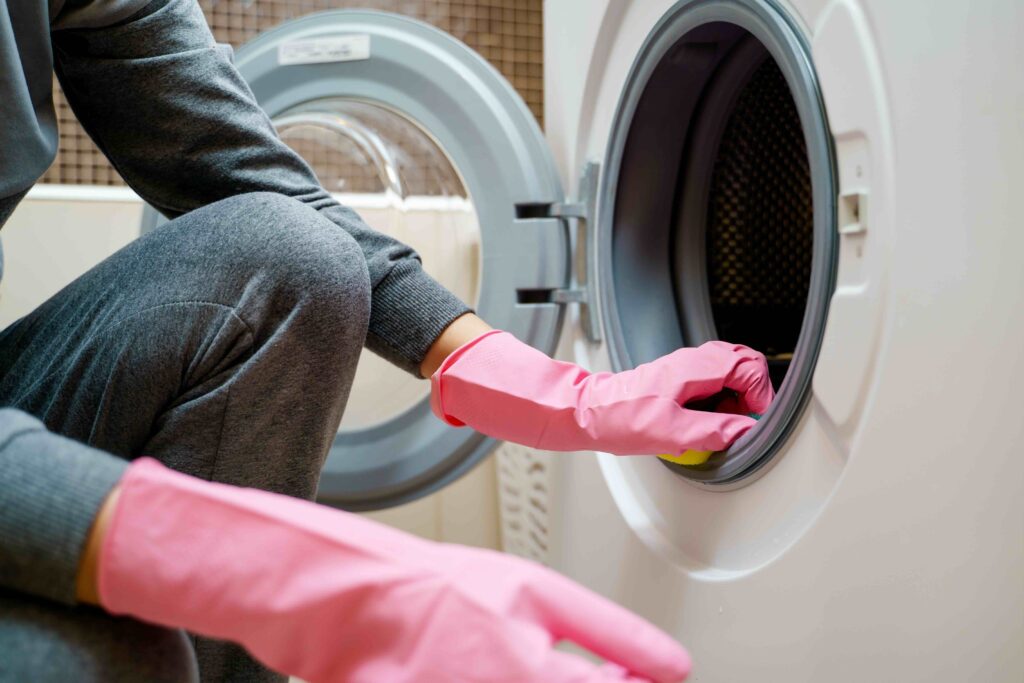
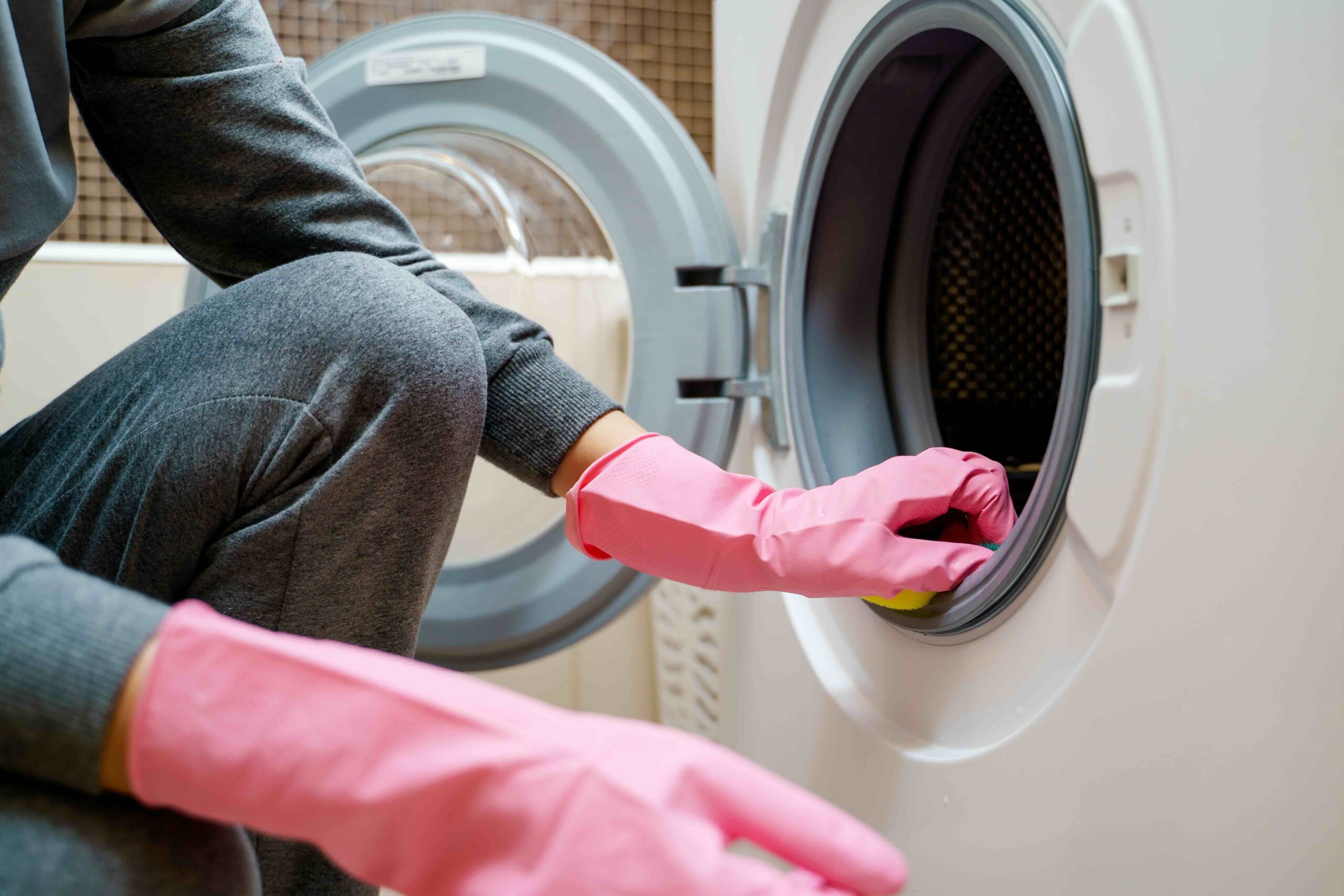
Front-load machines require a bit more attention, primarily because of the rubber door gasket that seals the drum. That gasket traps moisture after every cycle, and mold can develop there surprisingly fast. Begin by pulling back the gasket folds and wiping them thoroughly with a cloth dipped in a solution of one part bleach to ten parts water, or use straight white vinegar if you prefer to avoid bleach. Next, add a washing machine cleaning tablet or two cups of vinegar to the drum, and run a hot cleaning cycle. For the detergent and softener dispensers, remove them if possible and soak them in warm soapy water before scrubbing with a small brush. Wipe down the exterior door and the door glass as well. Leave the door slightly open after every wash to allow the interior to dry and reduce ongoing mold risk.
How Often Should You Be Doing This
Most appliance manufacturers and home maintenance experts recommend cleaning your washing machine once a month. If your household runs heavy laundry loads frequently, or if you wash a lot of athletic wear or pet bedding, consider cleaning it every two to three weeks. Signs that your machine is overdue for a cleaning include:
- A sour or musty odor coming from the drum or freshly washed clothes
- Visible residue or discoloration around the drum, gasket, or dispenser
- Clothes that feel stiff or smell unpleasant after washing
- Detergent that does not fully dissolve or rinse away during a cycle
Catching these signs early and responding with a proper cleaning routine can add years to the lifespan of your appliance.
Common Mistakes That Make the Problem Worse
A few habits that feel harmless can actually accelerate buildup inside your machine. Using too much detergent is one of the biggest culprits. More soap does not mean cleaner clothes. It means more residue left behind in the drum and internal components after every cycle. Liquid fabric softener is another contributor, as it coats the drum and dispenser over time. Leaving wet clothes sitting in the drum for extended periods creates the moisture environment that mold loves. And closing the machine door immediately after a cycle traps humidity inside. Switching to high-efficiency detergent, using less of it, and airing out the machine after each use are simple behavioral shifts that significantly reduce how quickly buildup returns after a deep clean.

When Cleaning Is Not Enough: Repair vs. Replacement
Sometimes a washing machine that smells or performs poorly is not a cleaning problem. It is a mechanical one. If your machine vibrates excessively, fails to drain properly, leaves clothes soaking wet after a spin cycle, or makes grinding or squealing noises, those are symptoms of component failure, not residue buildup. Common culprits include a worn drum bearing, a failing pump, a damaged door latch, or a malfunctioning control board. At that point, the conversation shifts from maintenance to repair or replacement, and that is where the cost conversation can get uncomfortable fast. Repair costs for major washing machine components can range from a few hundred dollars on the low end to nearly the cost of a replacement unit on the high end.
The Role of Preventive Maintenance in Appliance Longevity
Cleaning your washing machine is one piece of a broader preventive maintenance strategy. Other practices that extend the life of your laundry appliances include inspecting and replacing the water inlet hoses every three to five years, checking for leaks around connections regularly, keeping the machine level to prevent bearing wear, and avoiding overloading the drum. These small actions, done consistently, add up to meaningful savings over time. Appliances that are properly maintained last longer, operate more efficiently, and are less likely to fail unexpectedly. That last part matters enormously from a household budget standpoint.
Why a Home Warranty Makes Sense for Your Laundry Appliances
Even when you do everything right, appliances break down. Washing machines contain dozens of mechanical and electrical components, any one of which can fail without warning. That is where a home warranty becomes a genuinely practical tool for homeowners rather than just a nice-to-have. Armadillo home warranty coverage for washers and major home appliances is designed to take the financial sting out of unexpected repair or replacement costs. Instead of scrambling to cover a several-hundred-dollar repair bill, you pay a predictable monthly premium and a service fee when something goes wrong. Armadillo keeps the process simple, the coverage clear, and the experience straightforward for homeowners who have enough to manage already. If your washing machine ever decides to stop cooperating despite your best maintenance efforts, get a free home warranty quote to protect your laundry appliances today and find out exactly what it would take to have that coverage in place before the next repair call happens.

Frequently Asked Questions About Cleaning a Washing Machine
These are the questions homeowners ask most often when it comes to washing machine cleaning and maintenance.
What is the best thing to use to clean a washing machine?
White distilled vinegar and baking soda are the most effective natural options. For a deeper clean, commercial washing machine tablets like Affresh are specifically formulated to break down detergent residue and bacteria inside the drum and internal components.
Can I use bleach to clean my washing machine?
Yes, bleach can be used in diluted form, particularly to clean the rubber door gasket on front-load machines where mold commonly grows. Avoid mixing bleach with vinegar, as the combination produces harmful fumes. Use one or the other, not both in the same cleaning session.
How often should I clean my washing machine?
Once a month is the general recommendation for most households. High-volume laundry households or those washing heavily soiled items regularly may benefit from cleaning every two to three weeks.
Why does my washing machine smell bad even after cleaning?
Persistent odors usually indicate mold or mildew trapped in the door gasket, drum holes, or dispenser drawer. A targeted cleaning of those specific areas with vinegar or diluted bleach, combined with leaving the door open after each wash, typically resolves the issue.
Is it safe to use vinegar in a washing machine?
White distilled vinegar is safe for most washing machines when used in appropriate amounts. Avoid using it excessively or too frequently in machines with rubber components, as prolonged exposure to acidity can eventually degrade certain gasket materials.
Does a dirty washing machine affect how clean my clothes get?
Yes. Residue and bacteria inside the drum can transfer to clothing during wash cycles, leaving fabrics smelling stale or feeling coated. A clean machine delivers noticeably better results in both odor and cleanliness of the laundry.
What parts of the washing machine are most commonly missed during cleaning?
The rubber door gasket on front-loaders, the detergent and fabric softener dispensers, and the drum holes or perforations are the areas most often overlooked. These are also the spots most prone to mold and residue buildup.
Can a home warranty cover washing machine repairs?
Many home warranty plans include coverage for washing machines and other laundry appliances. Coverage typically applies to mechanical and electrical component failures rather than cosmetic damage or issues caused by lack of maintenance.
What happens if I never clean my washing machine?
Over time, uncleaned machines develop significant buildup that reduces efficiency, causes persistent odors, increases wear on internal components, and can lead to premature mechanical failure. Regular cleaning is one of the simplest ways to extend the appliance’s operational lifespan.
How do I know if my washing machine needs a repair rather than just a cleaning?
If the machine is making unusual noises, failing to drain or spin properly, leaking water, or displaying error codes that do not clear, those are signs of mechanical failure rather than maintenance issues. A qualified technician should evaluate the appliance in those cases.