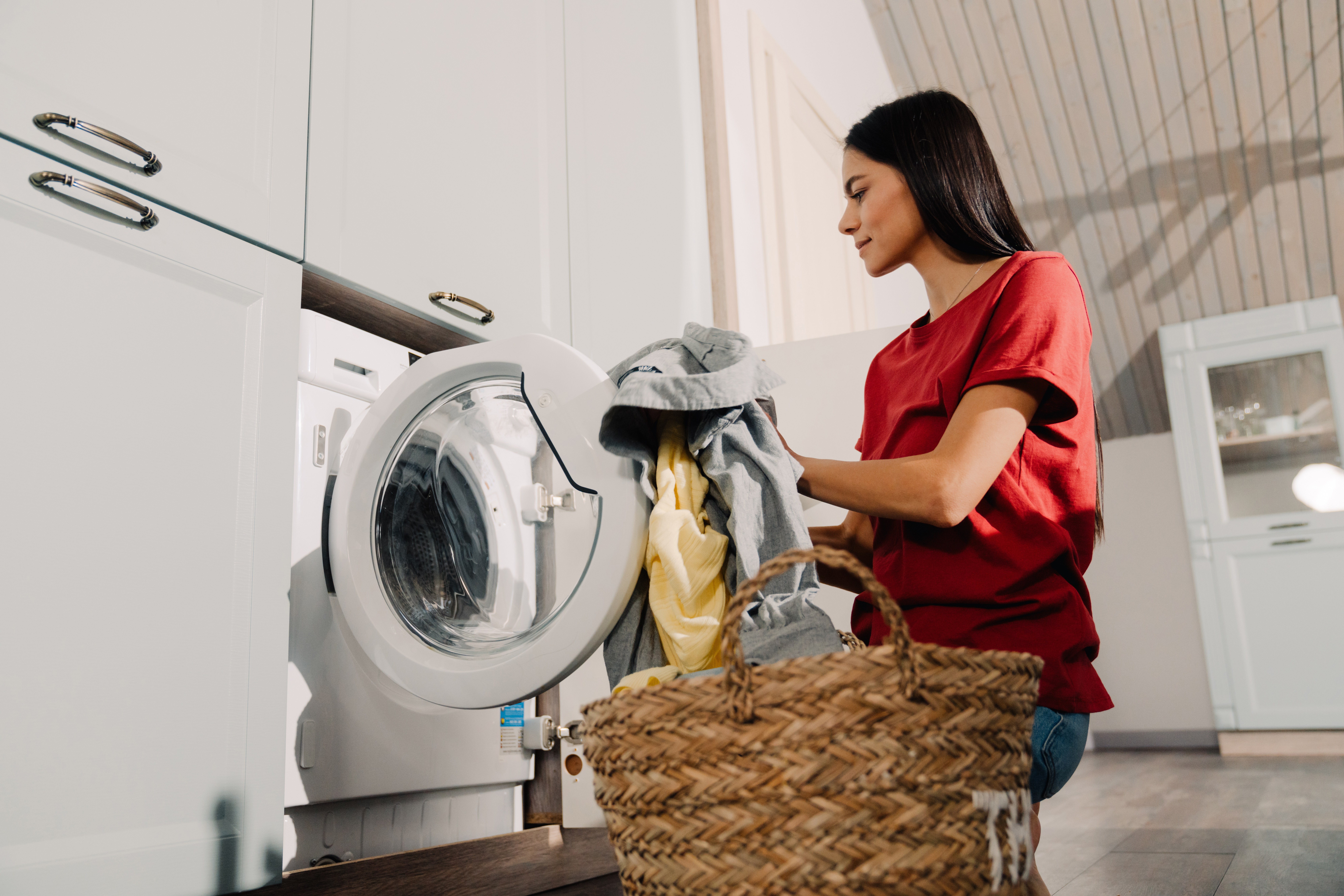
Why Cleaning Your Washing Machine Actually Matters
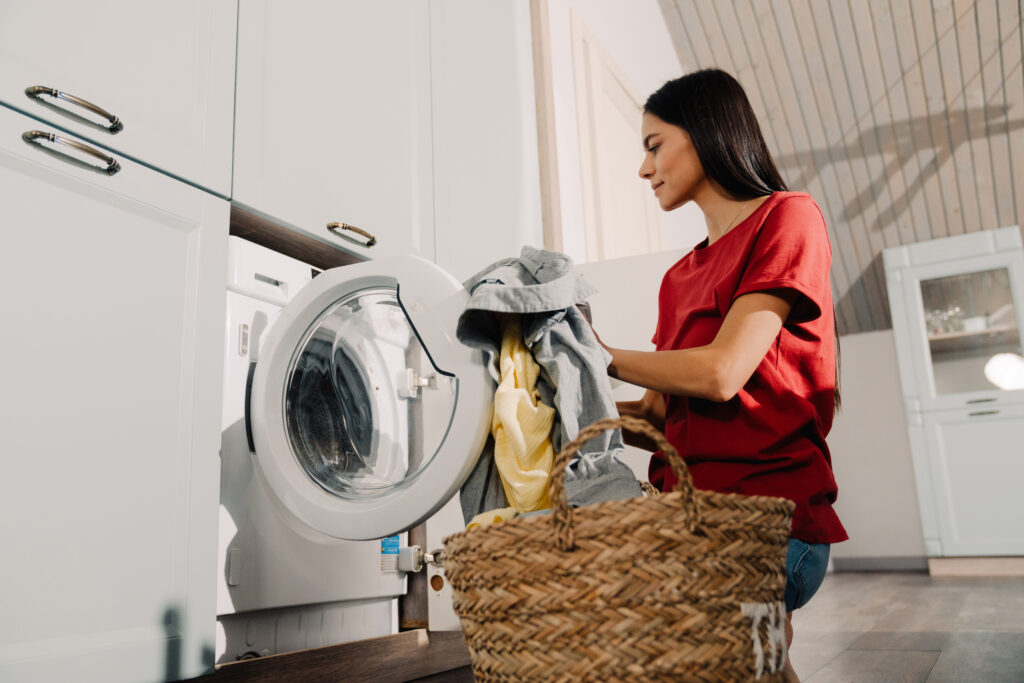
Most homeowners spend a good amount of time thinking about what goes into their washing machine. Detergent, fabric softener, the right cycle for delicate fabrics. What fewer people think about is the machine itself. And here is the thing — your washer works hard. It processes everything from gym clothes to muddy jeans, and over time, residue builds up. Detergent scum, mineral deposits, mold, mildew, and bacteria quietly accumulate inside the drum, dispenser trays, and seals. That buildup does not just affect how clean your laundry comes out. It can also affect how well the appliance performs and how long it lasts.
How a Washing Machine Actually Works
Before getting into the cleaning process, it helps to understand the basics of how your washing machine operates. Whether you have a top-load or front-load model, the core function is the same: water is mixed with detergent inside a drum, clothes are agitated to release dirt, and then the machine drains and spins to remove excess water. Front-load washers use a horizontal drum and gravity, while top-load machines use an agitator or impeller to move clothes through the water. Both designs have surfaces that trap lint, soap residue, and moisture — which is exactly why regular cleaning is not optional. It is maintenance.
Signs Your Washing Machine Needs Cleaning
Sometimes the machine tells you what it needs before you even think to ask. If your laundry is coming out with a musty smell, that is a red flag. If you notice visible residue inside the drum, a film on the door gasket, or detergent buildup in the dispenser drawer, those are all signs the machine is overdue for a cleaning cycle. Some homeowners also notice their clothes are not rinsing as thoroughly as they used to. That can happen when soap scum coats the drum walls and interferes with water flow and drainage.
What You Need to Clean a Washing Machine
- White distilled vinegar (at least two cups)
- Baking soda (one half cup)
- A washing machine cleaning tablet or powder (optional but effective)
- A microfiber cloth or sponge
- An old toothbrush for detail work around seals and dispensers
- Warm water
You do not need expensive specialty products to get this done right. Most of what you need is already in your pantry. That said, commercial washing machine cleaners like Affresh or similar tablets are formulated specifically to break down mineral deposits and soap buildup, and they work well as a complement to your regular maintenance routine.

Step-by-Step: How to Clean a Front-Load Washing Machine
Front-load washers are notorious for mold growth along the rubber door gasket. Start there. Pull back the rubber seal and wipe down every surface you can reach with a cloth dampened in a mixture of equal parts white vinegar and warm water. Use the toothbrush to scrub into the crevices. Next, remove the detergent dispenser drawer entirely if it slides out, and soak it in warm water for about ten minutes before scrubbing it clean. From there, add two cups of white vinegar directly to the drum and run a hot water cycle — the longest, hottest setting your machine offers. After that cycle completes, sprinkle half a cup of baking soda into the drum and run a second hot cycle. When both cycles are done, wipe the inside of the drum and door glass with a dry cloth and leave the door open to air out completely.
Step-by-Step: How to Clean a Top-Load Washing Machine
Top-load machines have a slightly different approach. Fill the drum with hot water using the largest load setting, then add four cups of white vinegar. Pause the cycle and let the water and vinegar mixture sit for about an hour. This gives it time to break down residue and neutralize odors. While you wait, dip a cloth into the solution and wipe down the top of the drum, the lid, and any accessible components. After the soak, let the cycle run through completely. Then run a second full hot water cycle with half a cup of baking soda to rinse everything through. Wipe down the drum and lid when finished, and leave the lid open to allow moisture to escape.
Do Not Forget the Details
The big drum cleaning gets all the attention, but the details matter just as much. The dispenser drawer, whether built-in or removable, is a magnet for detergent gunk and mold. Clean it every time you do a full machine cleaning. The exterior of the machine, the control panel, and the area behind and around the machine also deserve attention. Lint and dust accumulate around the back and underneath the unit, and that buildup can actually restrict airflow and contribute to overheating in some models. The drain filter, found on most front-load machines near the bottom front panel, should also be checked and cleared of debris every few months.
How Often Should You Clean Your Washing Machine
A full cleaning cycle should happen at least once a month. If you run multiple loads per day or live in a hard water area, you may want to clean more frequently — every two to three weeks is not excessive in those situations. Between deep cleanings, there are small habits that make a real difference. Using high-efficiency detergent in the correct amount, leaving the door or lid open after every wash to reduce moisture buildup, and wiping down the gasket after each load — these habits extend the life of your machine and reduce the chance of odor or mold developing between cleanings.
Common Mistakes That Shorten a Washer’s Lifespan
- Using too much detergent, which creates excessive residue and foam buildup
- Leaving wet laundry sitting in the drum for hours after the cycle ends
- Never cleaning the drain pump filter, which can lead to drainage problems
- Consistently overloading the machine, which strains the drum bearings and motor
- Ignoring early warning signs like unusual noises, slow draining, or error codes
Washing machines are durable appliances, but they are not invincible. The habits built around daily use have a direct impact on how well the machine performs over time. Cleaning is part of ownership, and skipping it has a cost — sometimes literally, when a neglected appliance needs a repair that proper maintenance might have prevented.
How Armadillo Helps Protect the Appliances You Depend On Every Day
Keeping your washing machine clean is smart, proactive ownership. But even the most diligently maintained appliances eventually need repairs — and that is where having the right protection in place makes all the difference. Armadillo home warranty coverage for washers and major home appliances is built around exactly this kind of real-world scenario, giving homeowners a straightforward, honest layer of financial protection when something breaks down unexpectedly. Armadillo keeps things simple. No confusing exclusions buried in fine print, no runaround when you need service. If your washing machine fails despite your best maintenance efforts, you should not have to absorb that cost alone. Get a free home warranty quote to protect your washing machine and home systems today and find out just how affordable that peace of mind can be. Armadillo was built for homeowners who take their homes seriously — and that is exactly the kind of homeowner who takes the time to read an article like this one.

Frequently Asked Questions About Cleaning a Washing Machine
These are the questions homeowners ask most often when it comes to washing machine maintenance and care.
How often should I clean my washing machine?
Most manufacturers recommend cleaning your washing machine once a month. If you use the machine heavily or live in a hard water area, cleaning every two to three weeks will help prevent buildup and odor from developing.
Can I use bleach to clean my washing machine?
Yes, bleach can be used to sanitize a washing machine drum. Add half a cup of liquid chlorine bleach to the drum and run a hot cycle. However, do not combine bleach with vinegar or baking soda in the same cycle, as mixing these can create harmful fumes.
Why does my washing machine smell even after cleaning it?
Persistent odor usually points to mold or mildew hiding in the door gasket, the drain pump filter, or the detergent dispenser. Check and clean all three of those areas thoroughly, and make sure you are leaving the door open between washes to allow moisture to escape.
What is the best product to clean a washing machine?
White distilled vinegar and baking soda are effective and affordable options for routine cleaning. Commercial tablets like Affresh are formulated specifically to remove mineral deposits and detergent residue and work well for monthly maintenance cycles.
Is it safe to run a cleaning cycle with clothes in the machine?
No. Cleaning cycles use concentrated solutions and high temperatures that are not intended to come into contact with clothing or fabrics. Always run cleaning cycles with an empty drum.
Why is my front-load washer more prone to mold than a top-load model?
Front-load washers use a rubber door gasket that creates a tight seal to prevent leaks. That seal traps moisture and detergent residue, which creates an ideal environment for mold and mildew growth. Regular wiping of the gasket and leaving the door open after use are the most effective ways to combat this.
How do I clean the drain pump filter on my washing machine?
On most front-load washers, the drain pump filter is located behind a small panel at the bottom front of the machine. Place a towel and shallow container underneath, then unscrew the filter cap slowly to drain residual water. Remove any debris, rinse the filter under running water, and reinsert it securely.
Does hard water affect how I should clean my washing machine?
Yes. Hard water causes mineral scale to accumulate inside the drum, hoses, and heating elements more quickly than soft water. If you have hard water, cleaning more frequently and using a descaling agent or white vinegar regularly will help prevent buildup from affecting machine performance.
Can a dirty washing machine damage my clothes?
It can. Residue and mold inside the drum can transfer onto fabric during a wash cycle, leaving clothes with a musty smell or visible marks. In some cases, a heavily scaled or dirty machine may not rinse clothes thoroughly, leaving detergent residue on fabrics that can irritate sensitive skin.
Does cleaning my washing machine extend its lifespan?
Regular cleaning directly contributes to appliance longevity. Removing mineral deposits, detergent buildup, and debris from the drum and filter reduces strain on the motor, pump, and internal components, helping the machine run more efficiently and with fewer breakdowns over time.