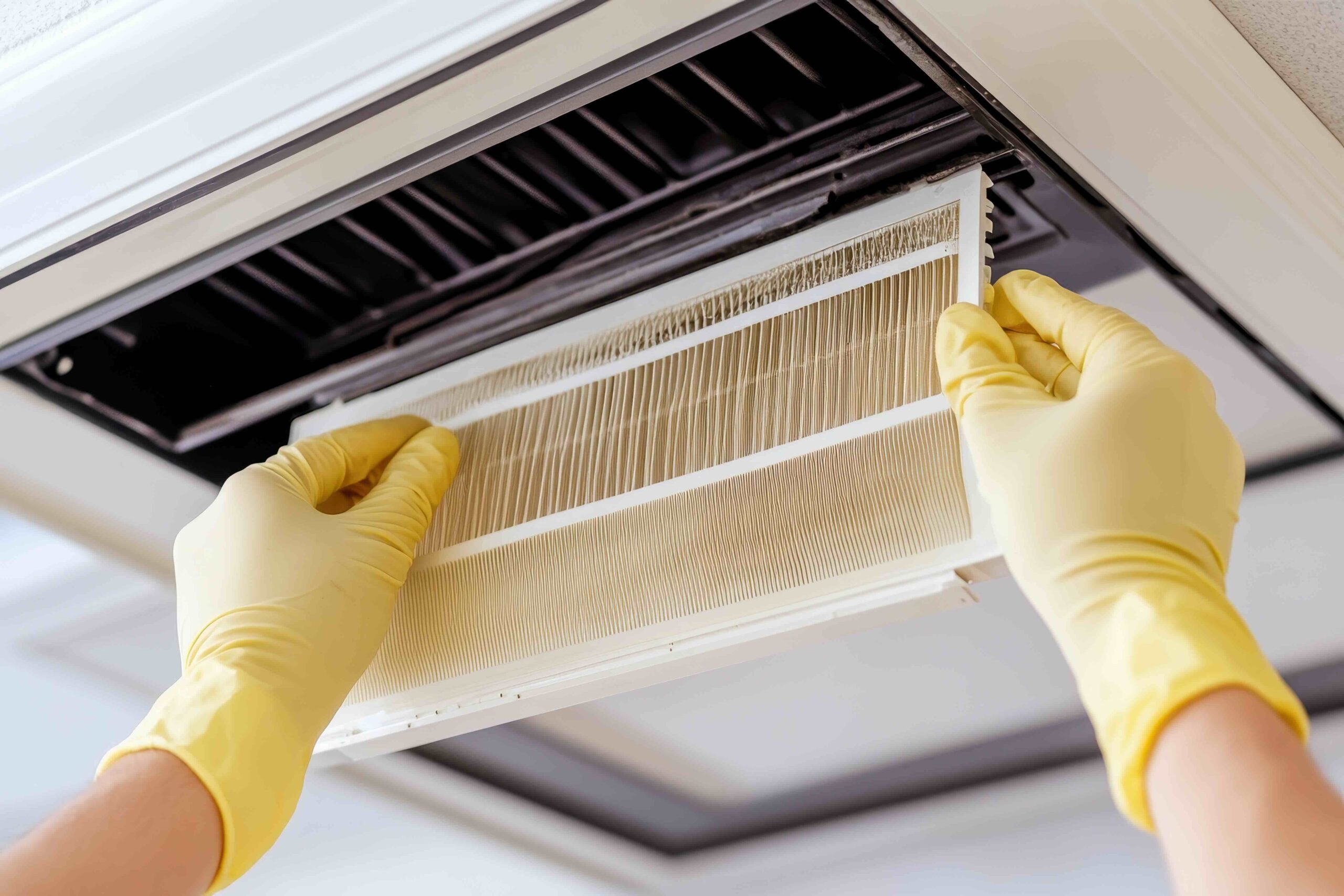
Why Your Oven Hood Filter Deserves More Attention Than It Gets
Most homeowners think about cleaning the stovetop, scrubbing the oven interior, and wiping down cabinet faces. The range hood filter, though? It quietly sits up there collecting grease, smoke, and cooking residue until it is either completely clogged or someone finally notices the kitchen smells a little off. Cleaning your oven hood filter is one of those maintenance tasks that takes maybe twenty minutes but makes a significant difference in how your kitchen performs and how long your appliances last. This guide walks through everything you need to know about doing it right.
What Is an Oven Hood Filter and What Does It Actually Do
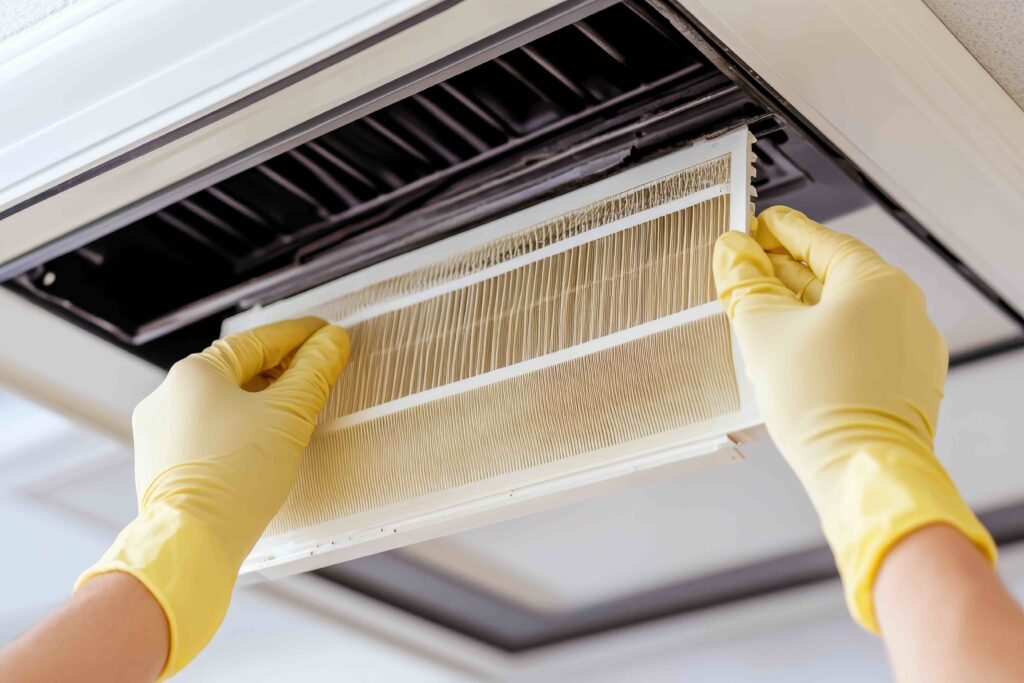
The range hood, also called the oven hood or kitchen exhaust hood, sits above your cooktop and pulls airborne grease, steam, smoke, and cooking odors out of your kitchen. The filter is the component that catches all of that before it enters the ductwork or the recirculation fan. Most residential range hoods use either a mesh aluminum filter or a baffle filter made from stainless steel. Both trap grease particles as air flows through them. Over time, those particles accumulate into a thick, sticky layer that reduces airflow, creates a fire hazard, and forces your motor to work harder than it should. Think of it as the lungs of your cooking space. When the filter is clogged, the whole system struggles.
How Often Should You Be Cleaning Your Range Hood Filter
The honest answer depends on how much you cook. For households that use the stove daily and cook high-heat meals involving oils and fats, cleaning the filter once a month is a reasonable standard. For lighter cooking, every two to three months is typically sufficient. A simple visual test works well here. If the filter looks visibly coated in a yellowish or brownish residue, or if grease drips when you touch it, it is well past due. Some filters also lose their metallic sheen when buildup reaches a concerning level. The rule of thumb used across the home services industry is: if you would not feel comfortable running your finger across it, clean it now.

Step-by-Step Guide to Cleaning an Oven Hood Filter
The process is more straightforward than most people expect. Here is a reliable method that works well for standard aluminum mesh filters.
- Remove the filter by sliding or unclipping it from the hood unit, referring to your appliance manual if needed.
- Bring a large pot of water to a boil, then pour it into a sink or basin deep enough to submerge the filter.
- Add a generous squirt of dish soap and about a quarter cup of baking soda to the hot water and stir gently.
- Submerge the filter and let it soak for at least fifteen to twenty minutes. For heavily soiled filters, extend the soak time.
- Use a non-abrasive brush or old toothbrush to scrub away loosened grease, paying attention to the corners and mesh openings.
- Rinse thoroughly under hot running water until all soap residue is gone.
- Allow the filter to air dry completely before reinstalling it to prevent moisture from entering the motor area.
For baffle filters, which are typically found in higher-end range hoods, the same process applies. Many baffle filters are also dishwasher-safe, which makes cleaning even simpler. Check the manufacturer documentation before placing any filter in a dishwasher to confirm it is rated for that method.
Common Mistakes Homeowners Make When Cleaning Hood Filters
One of the most frequent errors is using cold or lukewarm water. Grease is hydrophobic and stubborn at lower temperatures. Hot water breaks it down significantly faster. Another mistake is reinstalling a wet filter, which can introduce moisture into the hood motor and contribute to mold growth inside the ductwork. Some homeowners also use harsh chemical degreasers without proper ventilation or without checking whether those products are safe for aluminum, which can cause surface corrosion. Skipping the rinse step is another issue. Soap residue left in the filter mesh can attract more debris during cooking, making future cleanups harder. The process is simple, but the details matter.
Key Benefits of Keeping Your Hood Filter Clean
This maintenance habit pays off in several practical ways that directly affect your home environment and your wallet.
- Improved air quality in the kitchen, with better removal of smoke, steam, and cooking odors.
- Reduced fire risk, since grease buildup in filters and ductwork is a documented cause of kitchen fires.
- Extended appliance lifespan, as a clean filter allows the motor to run at intended capacity without overheating.
- Lower energy consumption, since the hood does not have to work as hard to pull air through a clear filter.
- Better protection for surrounding cabinets and surfaces, which can deteriorate when exposed to excess grease vapor over time.
When to Replace Instead of Clean
Filters do not last forever. If yours shows signs of warping, torn mesh, corroded metal, or structural damage that cleaning cannot address, replacement is the right call. Most aluminum mesh filters cost between ten and thirty dollars and are readily available through appliance parts suppliers or directly from the manufacturer. Baffle filters tend to cost more but also tend to last longer with proper care. As a general benchmark, replacing the filter every one to two years alongside regular cleaning intervals is a reasonable maintenance schedule for an active kitchen. If your range hood is making unusual noises or pulling air noticeably weaker than before, the filter condition is a logical first place to investigate before escalating to a repair call.
How This Connects to Broader Home System Maintenance
The range hood sits at an interesting intersection of kitchen appliances and ventilation systems. Both of those categories carry real implications for home warranty coverage. When a motor fails or a blower stops functioning, that is the kind of repair that can be covered under a home warranty plan depending on the terms. The filter itself is a consumable maintenance component, meaning homeowners are generally responsible for keeping it clean and replacing it when needed. That distinction matters. A well-maintained hood with a clean filter that experiences a mechanical failure is a much cleaner warranty claim than one where a neglected filter has caused motor strain over years of use. Regular maintenance protects both the appliance and your coverage options.
Why Armadillo Is the Right Partner for Kitchen Appliance Coverage
Staying on top of maintenance tasks like cleaning your hood filter is exactly the kind of proactive home ownership that keeps appliances running well. But even when you do everything right, mechanical failures happen. That is where having the right home warranty makes all the difference. trusted home warranty coverage for kitchen appliances and essential home systems gives homeowners a financial safety net when a range hood motor burns out, a dishwasher pump fails, or any number of unexpected repair costs arrive without warning. Armadillo offers straightforward plans with transparent terms, which means no guessing about what is covered when something breaks. If you have been putting off protecting your home appliances, now is a good time to take the first step and get a free home warranty quote for kitchen and appliance protection in just a few minutes. Peace of mind is a reasonable thing to invest in.

Frequently Asked Questions About Cleaning Oven Hood Filters
Here are answers to the most common questions homeowners ask about oven hood filter maintenance and care.
How do I know when my oven hood filter needs cleaning?
Visual inspection is usually sufficient. If the filter appears visibly coated in grease, has a yellowish or brown discoloration, or feels sticky to the touch, it is time to clean it. A noticeable drop in suction power from the hood is another reliable indicator.
Can I put my range hood filter in the dishwasher?
Many baffle-style filters and some aluminum mesh filters are dishwasher-safe. Always verify with the manufacturer documentation before using this method, as some materials can warp or corrode under high dishwasher heat.
What is the best degreaser for hood filters?
A combination of boiling water, standard dish soap, and baking soda is highly effective and safe for most filter materials. Commercial degreasers can work, but check that the product is compatible with aluminum and use it in a well-ventilated area.
How long should I soak a greasy hood filter?
For moderately soiled filters, fifteen to twenty minutes in hot soapy water is usually enough. For filters with heavy grease accumulation, extending the soak to thirty minutes or more before scrubbing will produce better results.
Is a clogged hood filter a fire hazard?
Yes. Grease is flammable, and a heavily saturated filter poses a genuine fire risk, particularly during high-heat cooking or if a flare-up occurs on the stovetop. Regular cleaning is one of the most straightforward fire prevention steps available to homeowners.
How often should I replace my oven hood filter entirely?
For most households, replacing the filter every one to two years is appropriate, assuming regular cleaning has been performed. Filters that show signs of physical damage, warping, or corrosion should be replaced regardless of age.
Will a dirty hood filter affect my home warranty coverage?
Most home warranty providers expect homeowners to perform routine maintenance. A mechanical failure linked directly to neglected filter maintenance could potentially complicate a claim. Keeping filters clean protects both the appliance and the validity of any warranty coverage.
Can I run my range hood without a filter installed?
Operating a range hood without a filter allows grease and particles to enter the ductwork or motor components, which can cause buildup and mechanical damage over time. It is not recommended, even for brief periods.
What should I do if my range hood motor sounds different after cleaning the filter?
If the motor noise changes after reinstalling a recently cleaned filter, first confirm the filter is seated correctly and fully dry. If the issue persists, the motor itself may have an underlying problem that warrants a professional inspection or a warranty service call.
Are charcoal filters the same as mesh grease filters?
No. Charcoal filters are used in ductless range hoods to absorb odors and are not washable. They require periodic replacement. Mesh and baffle filters are designed for grease capture in ducted systems and can be cleaned and reused with proper maintenance.