Can You Really Clean Shoes in a Washing Machine? Here Is What Every Homeowner Should Know
So here is the thing — most people have thrown a pair of sneakers into the washing machine at some point. Maybe it was out of desperation, maybe curiosity, or maybe the mud situation just got completely out of hand. The washing machine is one of the most used appliances in the home, and its capabilities often get tested well beyond laundry loads. Cleaning shoes in a washing machine is not a new concept, but doing it correctly — without destroying your footwear or your appliance — takes a little more thought than just tossing them in and hitting start. This guide breaks it all down so you can make a smart, informed decision the next time your shoes need more than a quick wipe-down.
Understanding Your Washing Machine Before You Start
Your washing machine is an engineered home appliance that is designed primarily for fabric-based items. Most modern units — whether top-load or front-load — operate using a drum mechanism, water intake, a motor, and a spin cycle. These components work in coordination to agitate, rinse, and extract water from fabrics. What they are not specifically designed for is handling hard, dense materials like rubber soles, metal eyelets, or rigid shoe structures. That said, many machines can handle shoes without incident, provided you are thoughtful about how you load them and what cycle settings you choose. Knowing your machine matters here. Front-load washers tend to be gentler than top-loaders with agitators, which can be more aggressive and potentially cause mechanical stress when shoes bang around inside the drum.
Which Shoes Are Safe to Machine Wash
Not every shoe belongs in a washing machine, and this is where a lot of people make their first mistake. The material of the shoe is the single most important factor to consider before loading anything up.
- Canvas sneakers and fabric-based athletic shoes are generally safe for machine washing
- Mesh running shoes with flexible soles can typically handle a gentle cycle
- Cotton or synthetic fabric shoes with rubber soles are usually low-risk candidates
- Leather, suede, and genuine or faux leather shoes should never go in the washing machine
- Dress shoes, heels, and boots with structural components are not suitable for machine washing
- Shoes with embellishments, glued decorations, or memory foam insoles require hand-washing only
If you are unsure, check the shoe’s care label — yes, some shoes actually have them — or consult the manufacturer’s website. When in doubt, hand-washing is always the safer route.
How to Prepare Shoes for the Washing Machine
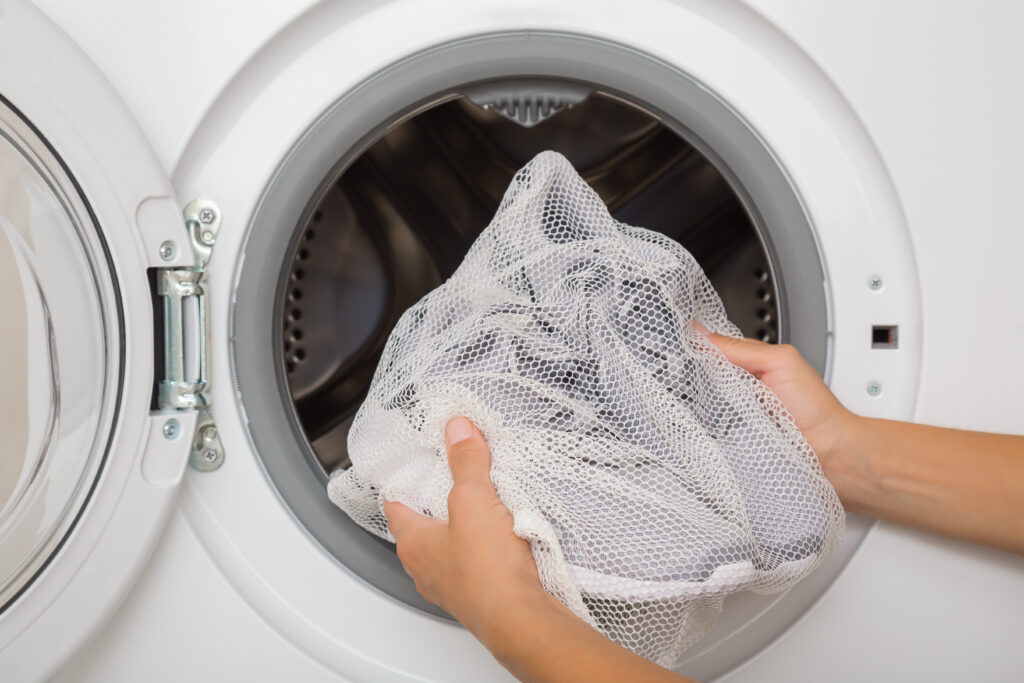
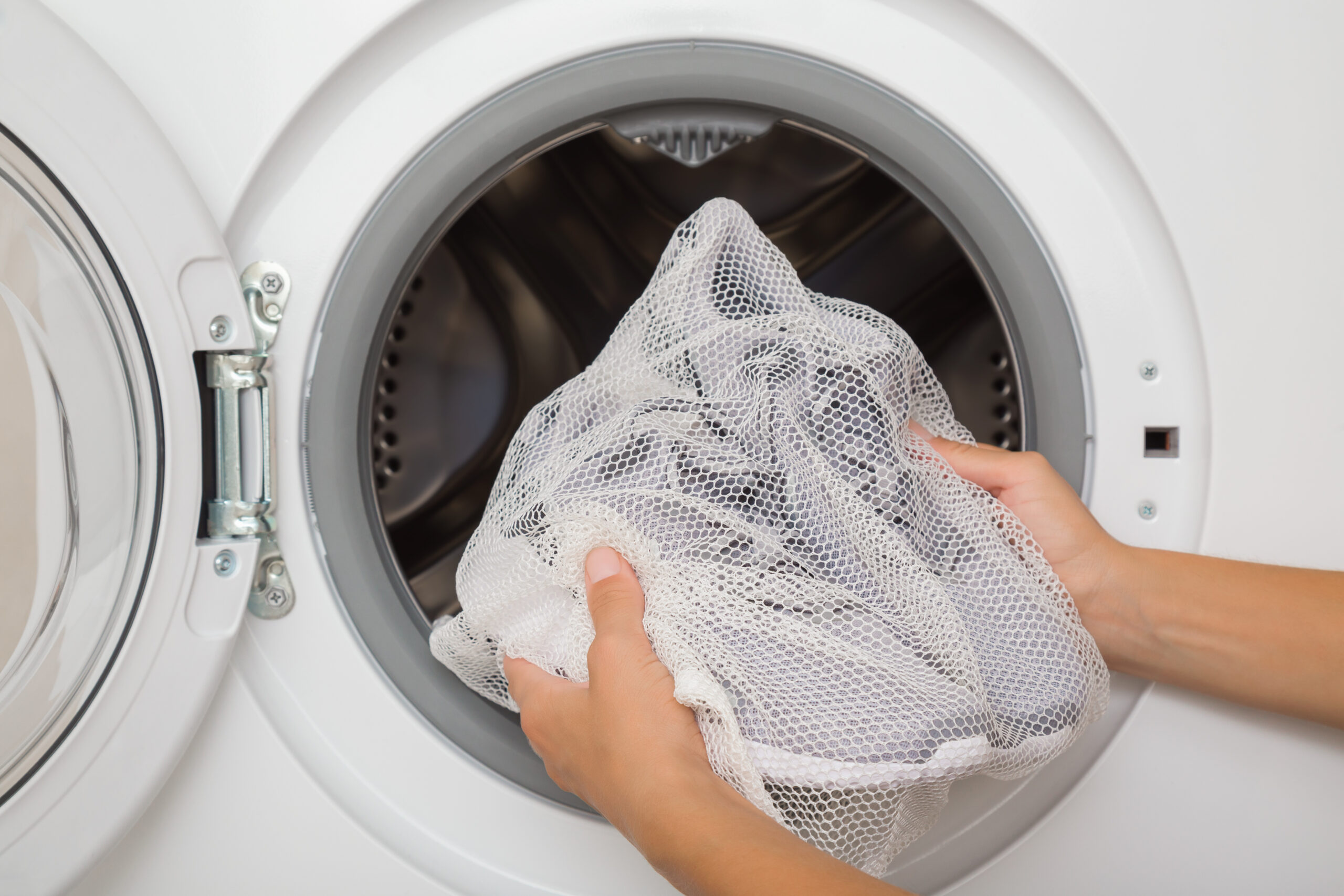
Preparation is where most people skip ahead too quickly. Taking five extra minutes before the wash cycle can make a significant difference in the outcome — both for the shoes and for the machine itself. Start by removing the laces and insoles. These should be washed separately, either by hand or placed inside a mesh laundry bag in the machine. Knock off any loose dirt, mud, or debris over a trash can or outside. Scrub the soles with a dry brush to dislodge any embedded grit that could scratch the drum interior. Place the shoes inside individual mesh laundry bags or pillowcases. This step is critical — it cushions the shoes during the spin cycle and prevents them from slamming against the drum walls, which can cause damage to both the shoes and the appliance over time.
The Right Washing Machine Settings for Shoes
Cycle selection is not something to rush through. The wrong settings can warp soles, deteriorate adhesives, or put unnecessary stress on your washing machine’s drum and bearings. Always use cold water — hot water weakens glue bonds and can cause materials to shrink or warp. Select a gentle or delicate cycle with a low spin speed. High spin settings create significant force inside the drum, and shoes are heavy enough to throw the drum off balance, potentially straining the motor or causing the machine to vibrate excessively. Use a small amount of liquid detergent rather than powder, as powder can leave residue inside shoe fabrics. Skip the fabric softener entirely — it can break down certain shoe materials and is generally unnecessary here.

Balancing the Load to Protect Your Machine
One often-overlooked concern is how shoe washing affects your machine’s balance. Washing machines are calibrated to handle distributed loads — a single pair of shoes, or even two, can create an uneven load that causes the drum to thump and shake during the spin cycle. To counteract this, add a few old towels to the load. They cushion the shoes, balance the weight inside the drum, and reduce the banging noise that can become alarming mid-cycle. Avoid using good or white towels, as shoe dyes can bleed. This simple step reduces mechanical stress on your washing machine and helps extend the life of the appliance.
Drying Shoes After Machine Washing
Here is where things can go sideways fast if you are not careful. The dryer is not your friend when it comes to shoes — at least not in most situations. High dryer heat can melt adhesives, warp rubber soles, and shrink fabric uppers. Air drying is always the recommended approach. Stuff the shoes loosely with dry paper towels or newspaper to help them hold their shape as they dry. Place them in a well-ventilated area away from direct sunlight, which can cause fading or material degradation. Avoid setting them directly on heating vents or near radiators. Drying time will vary but expect anywhere from 8 to 24 hours depending on material thickness and ambient conditions.
Common Mistakes That Damage Shoes and Appliances
Even with the best intentions, certain habits can cause real damage. Skipping the mesh laundry bag is probably the most common error, and it leads to shoes banging around the drum with nothing absorbing the impact. Using hot water is another frequent misstep that shortens the life of the shoe. Overloading the machine with multiple pairs at once strains the motor and disrupts load balance. Washing shoes too frequently, even the right way, degrades materials faster than normal wear would. And running a full spin cycle at high speed when washing shoes puts the machine under stress that adds up over repeated use. Being mindful of these pitfalls protects both your footwear investment and the longevity of your appliance.
How Home Warranties Relate to Washing Machine Care
Your washing machine is one of the hardest-working appliances in your home, and it does not take much for mechanical wear to turn into a costly repair. Motor issues, drum bearing failures, and control board malfunctions are all relatively common in mid-to-older machines. When you push your washing machine beyond its intended design — even in small ways, like frequently washing unbalanced heavy loads — you compound that wear over time. A home warranty plan is designed to step in when covered appliances break down due to normal wear and tear. Understanding what your machine can handle, and using it accordingly, is a smart homeownership habit that pairs naturally with having a warranty in place for the unexpected moments that happen regardless of how careful you are.
Why Armadillo Is the Smart Choice for Homeowners Who Care About Their Appliances
Homeownership involves a constant balancing act between maintaining systems, protecting appliances, and managing the unexpected. Whether it is a washing machine that develops a motor issue after years of use or a breakdown that comes out of nowhere, having coverage matters. Armadillo home warranty plans built for everyday homeowners are designed to take the financial stress out of those moments by covering the systems and appliances you rely on most. Armadillo keeps things straightforward — no complicated exclusions designed to trip you up, no confusing fine print that leaves you guessing. If your washing machine breaks down from covered mechanical failure, you have a clear path to getting it repaired or replaced without draining your budget. For homeowners who want real protection without the runaround, get a personalized home warranty quote that covers your washing machine and more and find out just how simple coverage can be.

Frequently Asked Questions About Cleaning Shoes in a Washing Machine
Here are answers to the most common questions homeowners ask about washing shoes in the machine, so you can feel confident every step of the way.
Can all types of shoes go in the washing machine?
No. Canvas sneakers, mesh athletic shoes, and fabric-based footwear are generally safe. Leather, suede, dress shoes, and shoes with structural hardware or embellishments should always be hand-washed or professionally cleaned.
What washing machine cycle is best for cleaning shoes?
Use a gentle or delicate cycle with cold water and a low spin speed. This minimizes mechanical stress on both the shoes and the washing machine drum.
Will washing shoes damage my washing machine?
Washing shoes incorrectly — without a mesh bag, at high spin speeds, or without balancing the load with towels — can stress the drum, bearings, and motor over time. Done properly, occasional shoe washing poses minimal risk to most machines.
Should I use detergent when washing shoes in a machine?
Yes, but use a small amount of liquid detergent only. Avoid powder detergent, which can leave residue in fabric uppers, and skip fabric softener entirely.
Can I put shoes in the dryer after machine washing?
It is not recommended. High heat can warp rubber soles and break down adhesives. Air drying in a well-ventilated area is the safest method for preserving the shoe’s shape and structure.
How often can I machine wash my shoes?
Frequent machine washing degrades materials faster. Reserve machine washing for heavily soiled shoes and rely on spot cleaning for routine maintenance to extend the life of your footwear.
Why should I put shoes in a mesh laundry bag before washing?
A mesh laundry bag cushions the shoes during the cycle, prevents them from slamming against the drum walls, reduces noise, and protects the washing machine’s interior from impact damage.
Can washing shoes void my home warranty on the washing machine?
Home warranties typically cover mechanical failures due to normal wear and tear. Damage resulting from misuse or improper loading could affect a claim, which is why following proper shoe-washing practices matters even beyond just protecting your footwear.
What should I add to the wash load when cleaning shoes?
Add a few old towels to the load alongside the shoes. This balances the drum, reduces excessive movement, cushions impact, and helps the machine run more smoothly throughout the cycle.
Does a home warranty cover washing machine repairs?
Many home warranty plans include washing machine coverage for mechanical and electrical failures that result from normal wear and tear. Coverage details vary by plan, so reviewing your specific policy terms is always the best approach.