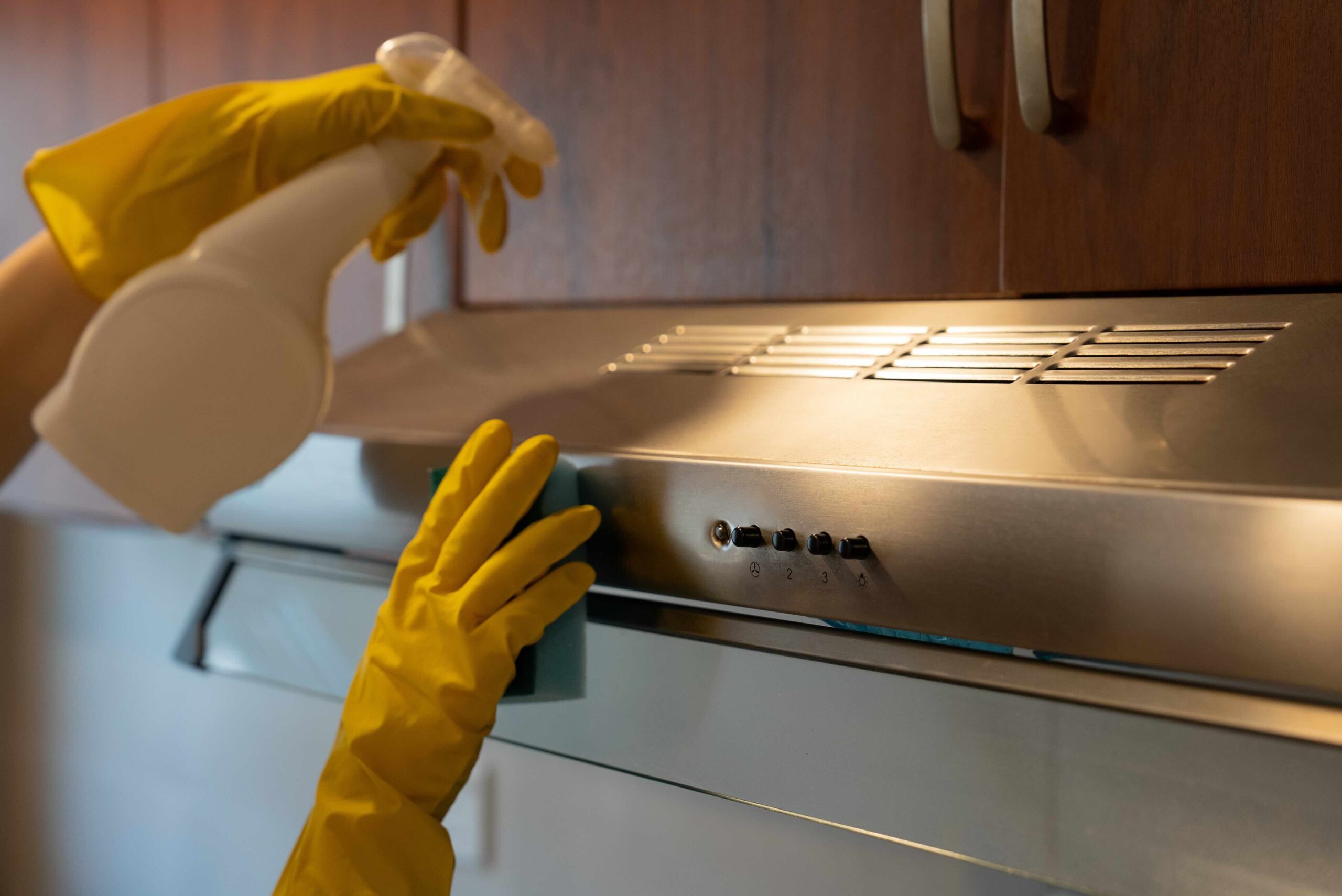
The Best Way to Clean Stainless Steel Appliances: A Homeowner’s Guide
Stainless steel appliances are the crown jewels of modern kitchens. Their sleek surface signals a sense of cleanliness, durability, and style that complements virtually any home design. However, beneath their shine lies a not-so-subtle truth: they show every fingerprint, smudge, and streak. Keeping stainless steel appliances clean is not just about aesthetics—it’s about longevity, functionality, and maintaining the integrity of your home systems. As professionals in the home warranty industry, we’ve seen what happens when improper cleaning methods lead to permanent damage. Understanding the right techniques and committing to regular maintenance can make all the difference. Here’s how to care for your stainless steel appliances with precision, patience, and just a bit of know-how.
Understanding Stainless Steel Surfaces
Before you reach for that spray bottle, it’s worth understanding what makes stainless steel… well, stainless. Technically an alloy, stainless steel is composed primarily of iron, but it’s the addition of chromium—around 10.5% or more—that gives it its hallmark resistance to rust and corrosion. When exposed to oxygen, chromium forms a passive layer over the surface. That’s the key. This invisible film protects against moisture and contaminants, but it’s fragile. Harsh chemicals or abrasive tools can compromise it, leading to pitting, discoloration, or even oxidation. That’s why careful cleaning is essential. This isn’t just about wiping down—it’s about preserving the lifespan of your investment.
The Right Way to Clean: Products that Work
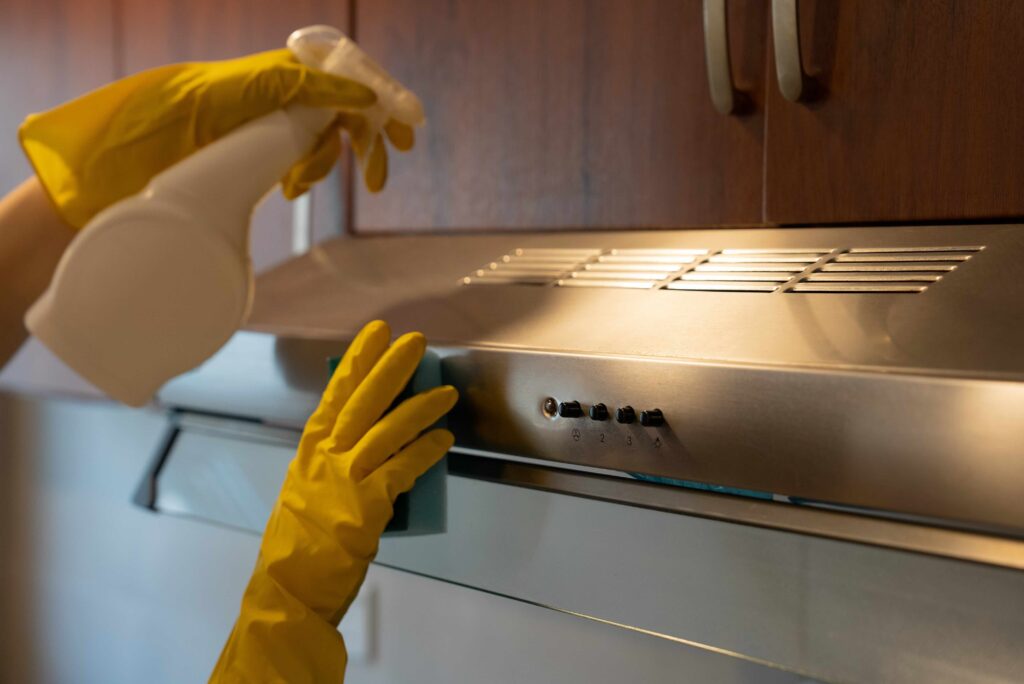
Choosing the right cleaning solution isn’t just about effectiveness—it’s about compatibility. You want a formula that cleans without stripping. For daily maintenance, a simple mixture of mild dish soap and warm water works wonders. Apply using a soft microfiber cloth and wipe in the direction of the grain. Rinse with clean water and dry to prevent watermarks. For more persistent smudges or fingerprint oils, dedicated stainless steel cleaners are formulated to dissolve residue without corroding the metal. Avoid anything containing bleach, ammonia, or abrasive particles. These are frequent culprits in the degradation of appliance surfaces and often void warranties by causing irreparable harm.
The Grain Direction: Why It Matters
It might seem unnecessary to consider which way your appliance’s grain runs, but it’s pivotal. Stainless steel is brushed during manufacturing to create a fine grain pattern. Cleaning along this grain helps lift dirt and residue effectively, while minimizing scratches. You’ll notice fewer streaks and a more uniform finish if you align your movements accordingly. A quick glance, usually under natural light, will help you identify whether the grain moves horizontally or vertically. From there, every motion—scrubbing, polishing, drying—should match that pattern. It’s attention to detail that extends the life of stainless steel finishes significantly.
Common Cleaning Mistakes to Avoid
In our experience handling claims related to appliance failures, many issues start with poor maintenance. Among the most common errors: using steel wool or abrasive pads, spraying cleaners directly onto the surface rather than onto a cloth, neglecting to dry surfaces after cleaning, and using general-purpose cleaners that contain damaging chemicals. Another misstep is skipping routine care entirely. Smears, grime, and even food particles can cause long-term cosmetic or structural damage if left untreated. Once pits or rust set in, they often spread—and at a certain point, the appliance loses both value and viability as a warrantable item.
Polishing for Performance and Appearance
After cleaning, polishing is the finishing touch—not obligatory, but recommended. It restores luster, repels fingerprints, and builds a layer of additional protection against moisture and oils. There are specialized polishing solutions available, though household items like a few drops of mineral oil can work effectively. Apply a small amount onto a microfiber cloth and rub gently along the grain. Buff until the finish shines without streaks. This practice not only elevates appearance but subtly deflects future grime, reducing your workload. Over-polishing, however, can leave residues that attract dirt. Keep the coatings light and sparing, and avoid waxy build-ups altogether.
What Not to Clean Stainless Steel With
It’s worth underscoring the substances that should never come near your stainless steel appliances. Chlorine-based disinfectants, bleach, glass cleaners with ammonia, and hard water can all compromise that crucial chromium barrier. Toilet bowl cleaners, oven sprays, and other strong degreasers fall into this category too. Vinegar and baking soda tend to receive mixed reviews. Though they can be safe if used with precision and promptly rinsed, inconsistent usage often results in etched or dullened surfaces. When in doubt, consult your appliance’s user manual. Many manufacturers specify compatible cleaning agents, and deviating from those can void your warranty instantly.
How Regular Maintenance Supports Appliance Longevity
Regular maintenance is more than a surface-level concern; it’s a defensive strategy. In the home warranty industry, we’ve found that many appliance breakdowns originate from subtle, cumulative misuse. When grime builds up in vent areas, along seals, or around buttons and displays, heat and moisture can become trapped. Over time, this puts extra strain on components and can lead to operational failures. Proper cleaning keeps hardware ventilated and functioning within intended parameters. It also helps homeowners catch early signs of damage—such as rust spots or surface bubbling—before they evolve into more costly repair claims or non-covered failures.
Protecting Your Investment with Armadillo
Stainless steel appliances are long-term performers—but only when cared for with diligence and the right support system in place. At Armadillo, we understand how everyday upkeep affects overall home performance and how a single oversight can turn into an expensive emergency. That’s why our home warranty plans are built around protection that makes sense. Whether you’ve just installed new stainless steel appliances or want to ensure your existing systems are covered, a home warranty can offer peace of mind. It’s coverage designed for today’s appliances and the real-life challenges that come with them. Learn more about how Armadillo can safeguard your kitchen’s most valuable players at www.armadillo.one, or start building your custom plan at our plan builder. Protect your appliances—and protect your home—without compromising on convenience or coverage.