Why Your AC Drain Line Deserves More Attention Than You Are Giving It
Most homeowners spend a fair amount of time thinking about their air filters, their thermostat settings, maybe even their refrigerant levels. The condensate drain line, though? That little PVC pipe tucked away near the air handler barely gets a second thought — until it clogs and water starts backing up somewhere it absolutely should not be. A blocked AC drain line is one of the most common causes of water damage inside a home, and the frustrating part is that it is almost entirely preventable. Understanding how the drain line works and how to clean it out is not complicated. It just takes a bit of know-how and about twenty minutes of your time.
What Is an AC Drain Line and What Does It Actually Do
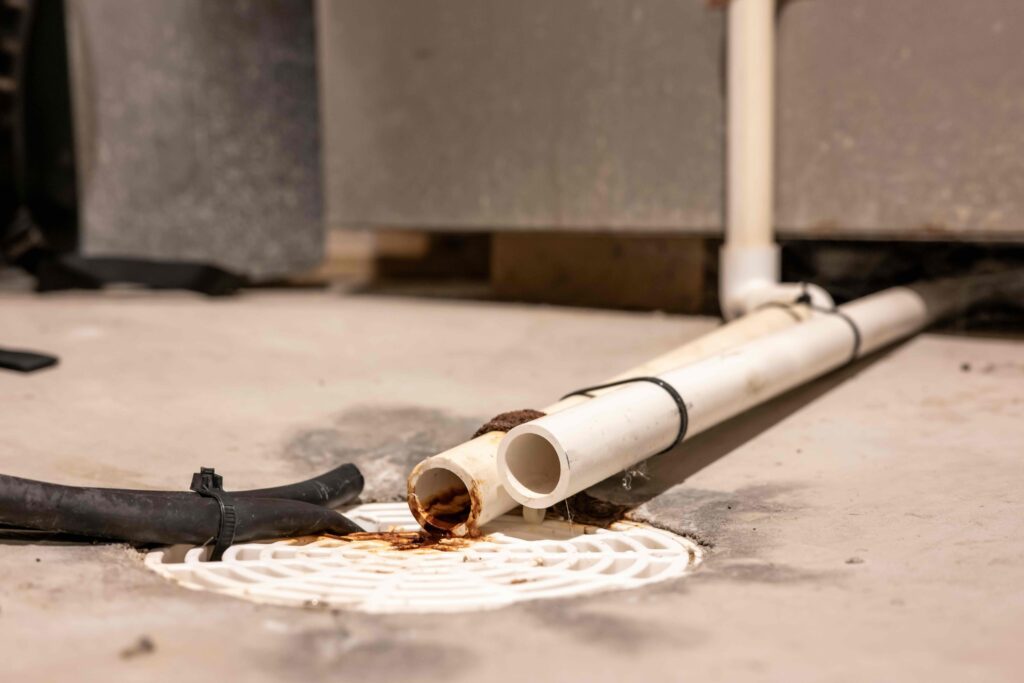
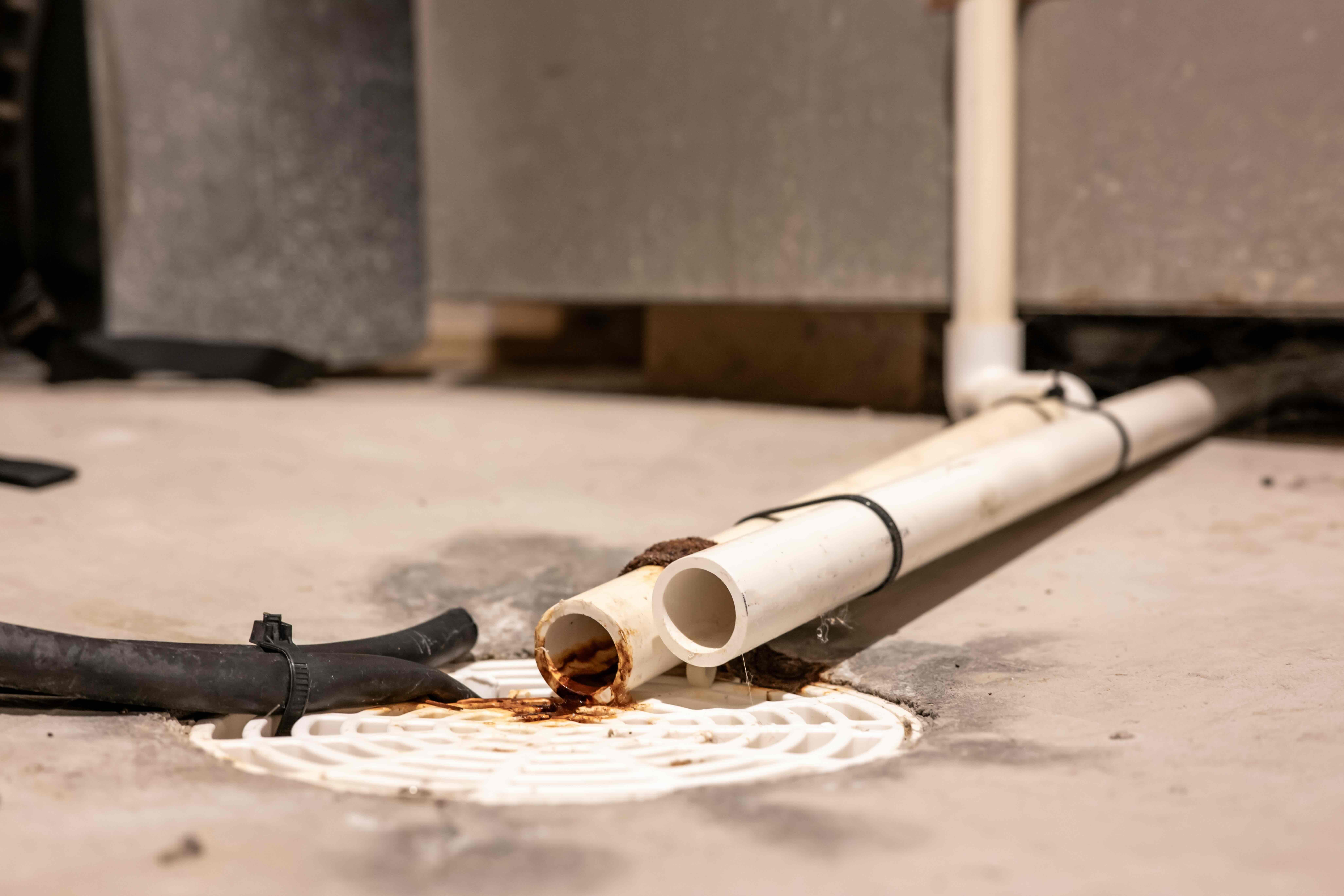
When your air conditioner runs, it does more than cool the air — it also pulls moisture out of it. That is the dehumidification part of the process. As warm, humid air passes over the cold evaporator coil inside your air handler, condensation forms on the coil and drips down into a drain pan. From there, it exits your home through the condensate drain line, which is typically a white PVC pipe that runs from the air handler to a floor drain, utility sink, or an exterior discharge point outside your home. It is a simple system, but simplicity does not mean it is immune to problems. Algae, mold, mildew, and debris can accumulate inside that pipe over time, and when enough builds up, the line clogs.
Signs Your AC Drain Line May Be Clogged
Catching a clogged drain line early can mean the difference between a quick fix and a significant water damage claim. There are some clear signals worth watching for:
- Water pooling around your indoor air handler or furnace
- A musty or mildew-like smell coming from your vents or air handler area
- Your AC system shutting off unexpectedly due to a float switch trigger
- Visible overflow from the condensate drain pan
- Water stains on ceilings or walls near the air handler
If you notice any of these, do not wait. A slow drain can become a full blockage faster than expected, especially during peak cooling season when the system is running constantly and producing more condensation than usual.
How to Clean Out Your AC Drain Line Step by Step
Cleaning the drain line yourself is a manageable task for most homeowners. You do not need to be particularly handy. The supplies are basic and the process is straightforward. Start by turning off your HVAC system at the thermostat and at the breaker to avoid any safety issues. Locate the condensate drain line, which usually begins near the air handler as a PVC pipe with a small access point or cap on top. Remove the cap and use a wet-dry vacuum to suction out any standing water or debris from the line. Once cleared of the obvious blockage, pour about a cup of distilled white vinegar into the access point and let it sit for at least thirty minutes. Vinegar is mildly acidic and does a solid job breaking down algae and mold growth without damaging the pipe. After soaking, flush the line with warm water to push everything through. Check outside at the discharge point to confirm water is flowing freely. Some homeowners also use a purpose-built drain line brush or a thin flexible brush to physically clear stubborn buildup from inside the pipe before flushing.
How Often Should You Clean the AC Drain Line
Once a year is the general recommendation, and doing it at the start of cooling season makes the most sense. That said, if you live in a particularly humid climate, run your system heavily, or have had clog issues before, cleaning it every three to six months is a smarter routine. Preventive maintenance on the drain line is one of those unglamorous tasks that saves real money down the road. Pairing the cleaning with your regular filter changes is an easy way to build it into your home maintenance rhythm without having to think too hard about timing.

Can You Use Bleach Instead of Vinegar
This comes up often, and the honest answer is: it depends on who you ask. Some HVAC technicians recommend a diluted bleach solution — typically one part bleach to sixteen parts water — for a deeper disinfecting flush. Bleach is more aggressive against mold and algae than vinegar is. However, bleach can degrade certain pipe materials over time, and if it is used undiluted or too frequently, it can also damage the drain pan or surrounding components. Vinegar is the gentler, lower-risk option for routine maintenance. If you are dealing with a stubborn or recurring buildup, a diluted bleach flush used sparingly can be effective, but vinegar is the go-to for regular upkeep. Whatever you use, avoid mixing the two. That combination creates chlorine gas, which is genuinely dangerous in an enclosed space.
What Happens If You Ignore a Clogged Drain Line
The consequences escalate quickly. A minor clog that goes unaddressed can overflow the drain pan and allow water to sit on your flooring, inside wall cavities, or against drywall for days before anyone notices. Mold can begin forming in as little as twenty-four to forty-eight hours in those conditions. Beyond mold, standing water can warp wood subfloors, damage insulation, and in serious cases cause ceiling collapse if the air handler is located in an attic. Some newer systems have float switches that shut the unit down automatically when the pan fills, which prevents overflow — but that also means your AC stops cooling, often on the hottest day of the year. Bottom line: a neglected drain line is not a minor nuisance. It is a legitimate pathway to expensive repairs.
When to Call a Professional Instead of DIY
DIY drain line cleaning works well for routine maintenance and minor clogs. But there are situations where calling in an HVAC technician is the right move. If the line is completely blocked and vacuuming does not clear it, a professional may need to use a pressurized nitrogen flush or a drain snake to break through the obstruction. If you notice mold growth inside the air handler itself or on the evaporator coil, that requires more than a drain line flush. Similarly, if the system keeps triggering its float switch even after you have cleaned the drain, there may be a more significant issue with the slope of the drain line, a damaged pan, or a secondary drain that is also compromised. Knowing when the DIY approach has hit its limit is part of being a smart homeowner.
How AC Drain Line Issues Relate to Your Home Warranty
Here is where things get nuanced and worth understanding. Home warranties typically cover mechanical failures of covered systems and appliances — meaning a component breaks down due to normal wear and use. A clogged drain line caused by lack of maintenance, however, often falls outside standard coverage. Most home warranty contracts include language that excludes damage resulting from improper maintenance or neglect. That means if your air handler sustains water damage because a clogged drain overflowed and you had not cleaned it in years, the warranty may not cover the resulting repairs. On the other hand, if your AC system’s drain pan itself cracks or the float switch fails mechanically, a home warranty could very well cover those component repairs. Knowing the distinction matters, and it reinforces why routine maintenance — including cleaning the drain line — is not optional if you want to protect both your equipment and your coverage eligibility.
Why Armadillo Is Worth Considering for Your AC System Protection
Maintaining your AC drain line is something you can and should handle on your own. But when the system itself fails — a compressor goes out, a coil cracks, a motor stops running — that is when having real coverage behind you changes everything. Armadillo home warranty plans for HVAC systems and home cooling protection are built around transparency and straightforward coverage that homeowners can actually understand without needing to decode fine print. Armadillo covers mechanical failures on the systems that keep your home running, including your central air conditioning, so that when something breaks down through no fault of your own, you are not absorbing the full cost out of pocket. If you want to pair your smart home maintenance habits with coverage that has your back when maintenance alone is not enough, take a few minutes to get a free home warranty quote for your AC and major home systems and see what protection looks like for your specific home. It is a straightforward process and the kind of decision that tends to feel very smart the moment something unexpected goes wrong.

Frequently Asked Questions About Cleaning Your AC Drain Line
How do I know where my AC condensate drain line is located?
The condensate drain line is typically a white PVC pipe that exits near your indoor air handler unit, often located in a utility closet, basement, attic, or garage. It usually runs to a floor drain, utility sink, or terminates outside at ground level near the exterior of your home.
How often should I clean my AC drain line?
Once per year is the minimum recommendation for most homes. Homeowners in humid climates or those who run their systems heavily should clean the drain line every three to six months to prevent buildup and blockages.
What is the best thing to pour down an AC drain line?
Distilled white vinegar is widely recommended for routine cleaning. It is mildly acidic, effective against algae and mold, and safe for PVC pipes. A diluted bleach solution can be used occasionally for deeper disinfection but should not be used as a regular method.
Can a clogged AC drain line cause water damage inside my home?
Yes. A blocked drain line causes the condensate pan to overflow, which can lead to water damage on flooring, walls, ceilings, and insulation. If the air handler is in an attic, the risk of structural water damage is especially significant.
Will my AC stop working if the drain line is clogged?
Many modern AC systems are equipped with a float switch in the drain pan that automatically shuts the system off when water reaches a certain level. This prevents overflow but also means your system stops cooling until the clog is cleared.
Can I use a wet-dry vacuum to unclog my AC drain line?
Yes, a wet-dry vacuum is one of the most effective tools for clearing a clogged condensate drain line. Attach the hose to the exterior discharge end of the drain line and run the vacuum for a minute or two to suction out the blockage.
Does a home warranty cover AC drain line clogs?
Typically, no. Most home warranty plans exclude damage or failures caused by lack of maintenance, and a clogged drain line usually falls into that category. However, mechanical component failures related to the drain system, such as a failed float switch, may be covered depending on your plan.
Is it safe to use bleach in my AC drain line?
A diluted bleach solution can be used safely in moderate amounts for occasional disinfecting. However, concentrated bleach or frequent use can damage pipe materials and drain pan components. Never mix bleach with vinegar, as the combination produces harmful chlorine gas.
How long does it take to clean an AC drain line?
The process typically takes between fifteen and thirty minutes from start to finish, including the vinegar soak time. It is one of the quickest and most cost-effective maintenance tasks a homeowner can perform on their HVAC system.
When should I call a professional to deal with an AC drain line problem?
If vacuuming and flushing do not clear the blockage, if your system continues triggering its float switch after cleaning, or if you notice mold growth inside the air handler or on the evaporator coil, it is time to contact a licensed HVAC technician for a more thorough inspection and repair.