What Is an Air Conditioner Drain Pan and Why Does It Matter?
If you have ever dealt with water pooling around your indoor HVAC unit, chances are the culprit was a neglected air conditioner drain pan. This small but critical component sits beneath your air handler or evaporator coil and collects the condensation that naturally forms during the cooling process. It sounds simple enough, and honestly, it is — but when that pan gets dirty, clogged, or cracked, it can set off a chain of problems that reach well beyond your HVAC system. Water damage, mold growth, and even system shutdowns are all on the table. Understanding what the drain pan does and how to keep it clean is one of those homeowner basics that pays off in a big way.
How the Air Conditioner Drain Pan Works
Your air conditioner does more than cool the air — it removes humidity from it as well. As warm, humid air passes over the cold evaporator coil, moisture condenses on the coil’s surface, similar to how a cold glass of water sweats on a warm day. That condensation drips down into the drain pan below. From there, a drain line carries the water out of your home, typically to a floor drain, utility sink, or outside. Most systems have a primary drain pan located directly under the coil and a secondary or overflow pan positioned lower as a backup. When the primary drain line gets clogged, the overflow pan is the last line of defense before water starts causing real damage. That is why keeping both pans clean and the drain line clear is so important.
Why Drain Pans Get Dirty in the First Place
This is where things get a little less pleasant but very worth knowing. The inside of a drain pan is a consistently damp, dark environment — which makes it a prime location for algae, mold, mildew, and bacterial growth. Over time, a slimy biofilm can build up along the bottom and sides of the pan, eventually making its way into the drain line and causing a clog. Dust and debris from the air also contribute to buildup. Once the drain line is blocked, water backs up into the pan, overflows, and you end up with water damage to your ceiling, walls, or flooring depending on where your air handler is located. Some systems have a float switch that shuts down the unit when water levels get too high in the overflow pan, which is a helpful safeguard — but not a substitute for regular maintenance.
How to Clean Your AC Drain Pan the Right Way
Cleaning the drain pan is not a complicated task, but it does require some care. Most homeowners can handle this with a few basic supplies. Here is a straightforward approach to getting it done properly:
- Turn off your HVAC system completely before doing anything near the unit.
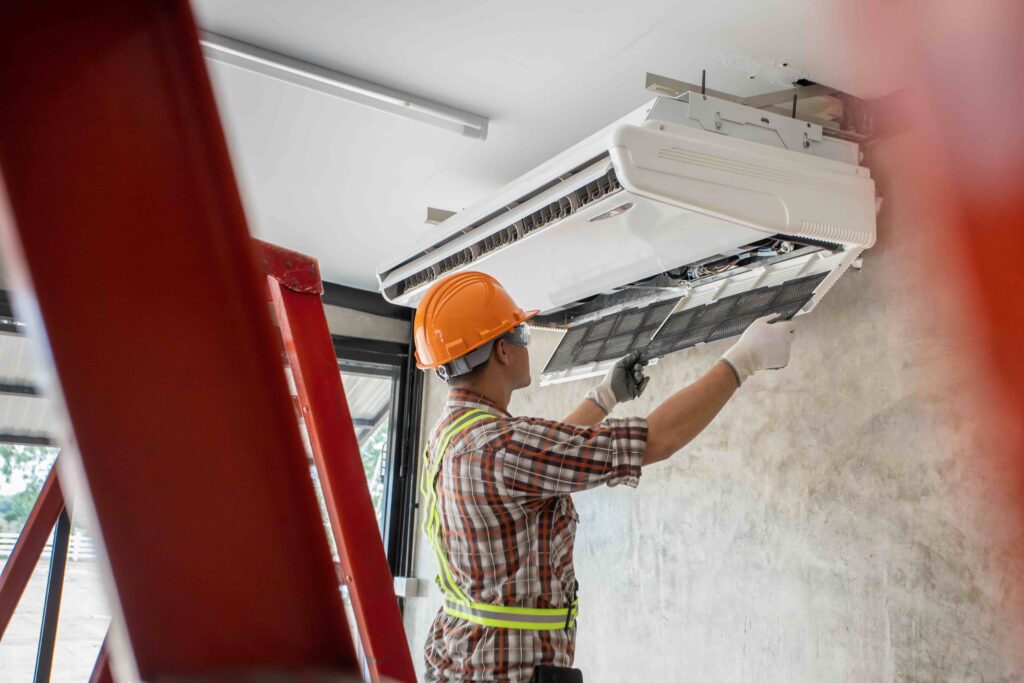
- Locate the drain pan — it is typically found beneath the evaporator coil inside the air handler cabinet.
- Use a wet-dry vacuum to remove any standing water from the pan.
- Clean the pan with a mixture of warm water and white vinegar or a mild bleach solution to eliminate biological growth.
- Flush the drain line with the same solution to clear any buildup that may be forming inside.
- Inspect the pan for cracks, rust, or damage while you have access to it.
- Consider using drain pan tablets, which are slow-dissolving antimicrobial tablets designed to prevent algae growth between cleanings.
Aim to clean the drain pan at least once a year, ideally at the start of the cooling season. If you live in a particularly humid climate, twice a year is a smarter schedule.

The Key Advantages of a Clean AC Drain Pan
Staying on top of drain pan maintenance delivers some genuinely meaningful benefits for your home and your wallet. A clean drain pan means water flows freely through the drain line, which reduces the risk of overflow and water damage. It also limits the conditions that allow mold and mildew to establish themselves — and once mold gets into your HVAC system, it can circulate spores throughout your entire home. Beyond the health angle, a clean system simply runs more efficiently. When components are not struggling against clogs or moisture-related issues, the unit operates closer to its rated efficiency, which shows up on your energy bill. And perhaps most practically, routine maintenance extends the life of the equipment, which is always a win for homeowners trying to delay expensive replacement costs.
Common Problems That Stem From a Neglected Drain Pan
Skipping drain pan maintenance tends to catch up with homeowners at the worst possible times — usually in the middle of summer when the system is working hardest. A clogged drain line causing an overflow is the most common issue, but it is far from the only one. Cracked or corroded drain pans are another concern, particularly in older systems. A crack in the pan means water bypasses the drainage system entirely and drips directly onto whatever surface sits below the unit. Rust can also weaken the structural integrity of metal pans over time. And then there is the mold problem — HVAC-related mold is not just an air quality concern, it can be an expensive remediation project if it spreads to surrounding building materials. None of these outcomes are inevitable with routine upkeep, but they become increasingly likely without it.
When to Call a Professional for Drain Pan Issues
There are times when the drain pan situation is beyond a DIY fix. If you notice standing water that returns quickly after cleaning, a persistent musty odor coming from your vents, visible mold growth inside the air handler cabinet, or a cracked and leaking pan, it is time to bring in an HVAC technician. Replacing a drain pan — especially the primary pan that is often part of the evaporator coil assembly — can be more involved than it looks. Attempting it without the right tools or knowledge risks damaging refrigerant lines or electrical components. A qualified technician can also inspect the entire drainage system, check the float switch, and assess whether any water damage has already occurred in areas you may not be able to see.
Drain Pan Maintenance and Your Home Warranty Coverage
Here is something many homeowners do not think about until they are already dealing with a problem: how does routine maintenance relate to home warranty coverage? Most home warranty plans cover HVAC systems, including key components like the evaporator coil and air handler. However, coverage typically applies to mechanical failures rather than issues caused by lack of maintenance. A drain pan that cracks due to normal wear and age is a different conversation than one that overflows because the drain line was never cleaned. Understanding the distinction matters, because it directly affects whether a claim gets approved. Keeping records of your maintenance activity — even simple things like drain pan cleanings — is a smart habit that supports your position if a warranty claim ever becomes necessary.
Why Armadillo Is the Right Partner for HVAC Protection
Staying current on HVAC maintenance is your responsibility as a homeowner, but what happens when something breaks down despite your best efforts? That is exactly the kind of scenario a reliable home warranty is designed for. Armadillo’s home warranty plans for HVAC system coverage are built with straightforward terms, transparent pricing, and a claims process that does not make you jump through hoops. When your air conditioning system fails unexpectedly — whether it is a failed blower motor, a damaged evaporator coil, or another covered component — having the right plan in place means you are not facing that repair bill alone. Armadillo covers the systems and appliances that keep your home running, and the HVAC system is one of the most important ones in the house. If you are thinking about adding that layer of protection, now is a good time to get a free home warranty quote for your air conditioning system and see exactly what coverage looks like for your home.

Frequently Asked Questions About AC Drain Pans
Here are answers to the most common questions homeowners have about air conditioner drain pans and how to keep them in good shape.
How often should I clean my AC drain pan?
At minimum, clean the drain pan once per year before the start of the cooling season. In humid climates or homes where the AC runs heavily, cleaning it twice a year is a better approach to prevent algae and mold buildup.
What causes the AC drain pan to overflow?
The most common cause of an overflowing drain pan is a clogged condensate drain line. Algae, mold, and debris accumulate inside the line over time and restrict or block water flow, causing the pan to fill up and eventually overflow.
Can a dirty drain pan affect indoor air quality?
Yes. Mold and bacteria that grow in a neglected drain pan can be introduced into the airflow that circulates through your home, potentially causing musty odors and contributing to respiratory irritation, especially for allergy or asthma sufferers.
How do I know if my AC drain pan is cracked?
Signs of a cracked drain pan include water stains or moisture on the floor or ceiling near the air handler, unexplained water damage in adjacent areas, and visible cracks or rust on the pan itself during inspection.
What are drain pan tablets and do they work?
Drain pan tablets are slow-dissolving antimicrobial tablets placed directly in the drain pan to inhibit algae and microbial growth between cleanings. They are widely used and generally effective as a supplemental preventive measure, though they do not replace periodic manual cleaning.
Is a secondary drain pan required for all AC systems?
Not all systems have a secondary drain pan installed, but building codes in many areas require one when the air handler is located in a space where an overflow could cause significant property damage, such as an attic or upper-floor closet.
Will my home warranty cover a damaged AC drain pan?
Coverage depends on the specific home warranty plan and the cause of the damage. Drain pan failures due to normal wear and mechanical breakdown may be covered, while damage caused by neglected maintenance typically is not. Always review your plan’s terms carefully.
Can I use bleach to clean my AC drain pan?
Yes, a diluted bleach solution — roughly one cup of bleach per gallon of water — is an effective option for killing mold and algae in the drain pan. White vinegar is a gentler alternative that also works well for routine cleanings.
What happens if the float switch in my AC system fails?
The float switch is designed to shut down the AC unit when the overflow pan fills with water, preventing further water damage. If the float switch fails, the system will not shut off automatically during an overflow event, which increases the risk of significant water damage to your home.
How much does it cost to replace an AC drain pan?
Replacement costs vary depending on the type of pan and how accessible it is. A secondary overflow pan is typically an inexpensive part, often under fifty dollars, but labor costs and the complexity of accessing the primary drain pan built into the evaporator coil assembly can raise the total repair cost considerably.