What Is a Condensate Drain Line and Why Should Homeowners Care?
Your air conditioner does more than cool your home. It also pulls moisture out of the air, and that moisture has to go somewhere. That somewhere is a small but critically important component called the condensate drain line. It is a pipe, typically made of PVC, that carries the water your AC system collects during normal operation away from the unit and out of your home. Most homeowners never think about it until something goes wrong. And when it does go wrong, the results can be surprisingly expensive and frustrating. Understanding what a condensate drain line is and how to maintain it properly is one of those things that separates proactive homeowners from reactive ones.
How the Condensate Drain Line Actually Works
When warm, humid air passes over your air conditioner’s evaporator coil, condensation forms on the coil’s surface, much like how a cold glass sweats on a hot day. That water drips down into a collection pan called the condensate pan or drip pan, which sits directly beneath the evaporator coil. From there, gravity or sometimes a small pump moves the water through the condensate drain line and out of your home, usually to a floor drain, outside, or into a utility sink. The system is simple by design, but that simplicity creates a vulnerability. The pipe is dark, consistently moist, and carries organic material, which makes it an ideal environment for algae, mold, mildew, and other biological buildup to develop over time.
Signs That Your Condensate Drain Line Is Clogged
A clogged condensate drain line is one of the most common HVAC service calls, especially during peak cooling seasons. Knowing what to look for can help you catch it early before minor buildup turns into a major water damage situation. Here are some of the most common warning signs homeowners encounter:
- Water pooling around the base of your indoor AC unit or air handler
- The AC system shutting off unexpectedly due to a float switch being triggered
- Musty or moldy odors coming from your vents or the area around the unit
- Visible water stains on ceilings or walls near the air handler
- A full or overflowing condensate drip pan
If you are noticing any of these signs, the drain line is likely the first place worth checking. The good news is that the fix, when caught early, is usually straightforward.
How to Clean a Condensate Drain Line Step by Step
Cleaning your condensate drain line is a maintenance task many homeowners can handle themselves with minimal tools. The most commonly recommended method uses distilled white vinegar, which is mildly acidic and effective at breaking down algae and biological growth without damaging the pipe. Start by turning off your AC system at the thermostat and the breaker. Locate the condensate drain line, which typically has a T-shaped vent cap with a small opening near the air handler. Remove the cap, pour about a quarter cup of distilled white vinegar into the opening, and let it sit for approximately 30 minutes. Follow that with a slow flush of water to clear any loosened debris. For more stubborn clogs, a wet-dry vacuum attached to the outdoor end of the drain line can provide enough suction to dislodge whatever has built up inside.

How Often Should You Be Cleaning the Drain Line?
Most HVAC professionals recommend cleaning your condensate drain line at least once a year, ideally in the spring before cooling season begins. If you live in a particularly humid climate or run your AC system heavily during summer months, doing it twice a year is a reasonable precaution. Some homeowners adopt a monthly routine of pouring a small amount of vinegar into the drain access point to prevent buildup from accumulating in the first place. This kind of low-effort, consistent maintenance is genuinely one of the most cost-effective habits a homeowner can develop. Compared to the cost of water damage remediation or replacing a damaged ceiling, a bottle of white vinegar looks like a very smart investment.
Key Advantages of Keeping Your Condensate Drain Line Clean
Staying on top of this maintenance task offers benefits that extend well beyond avoiding a soggy floor. A clear drain line means your AC system does not have to work harder than it needs to, which supports overall energy efficiency and prolongs the life of the equipment. Preventing standing water in the drip pan also reduces the likelihood of mold growth inside your air handler, which can affect indoor air quality throughout the entire home. Beyond that, many modern HVAC systems come equipped with a safety float switch that automatically shuts the unit off when the drip pan fills up. While that feature exists to prevent water damage, repeated shutdowns caused by clogging can put unnecessary stress on the system over time.
Common Drawbacks and Limitations to Keep in Mind
While DIY condensate drain line cleaning is approachable, it does have its limits. Vinegar flushes work well for preventive maintenance and light buildup, but they may not clear a heavily compacted clog deep within the line. In those cases, professional HVAC service is the right call. Additionally, if your system is older or the drain line has never been properly maintained, there may be underlying issues like cracks in the pipe, a damaged drip pan, or a malfunctioning condensate pump that cleaning alone will not resolve. It is also worth noting that if your drain line runs through finished areas of your home and a clog has already caused water intrusion, the secondary damage, such as drywall, insulation, or flooring damage, often falls outside basic HVAC repair territory and can get expensive quickly.
Practical Tips for Long-Term Condensate Line Maintenance
A few consistent habits go a long way toward keeping your condensate drain line in good working order year after year. Scheduling an annual HVAC tune-up is one of the simplest ways to ensure a professional is inspecting and clearing the line as part of regular service. Keeping the area around your air handler clean and free from dust can reduce the amount of debris that finds its way into the system. Installing an algae prevention tablet in the drip pan is another option many homeowners use to slow biological growth between cleanings. Finally, knowing where your condensate drain line exits the home and checking it periodically for blockages or backflow is a quick visual inspection that takes less than a minute and can prevent a significant amount of trouble.
How a Home Warranty Can Help When HVAC Problems Go Beyond Maintenance
Regular cleaning is a homeowner responsibility, but HVAC systems are complex, and not every failure comes with a warning. When a condensate pump fails, when the float switch malfunctions, or when a clog causes enough backpressure to damage internal components, the repair costs can escalate quickly. That is where having a reliable home warranty becomes genuinely valuable. At Armadillo home warranty coverage for HVAC systems, the goal is to make sure that when something breaks down beyond normal upkeep, you are not facing those costs alone. HVAC coverage through Armadillo includes key components of your system, so a problem that starts with a backed-up drain line does not end with an unexpected bill that wrecks your budget. If you want to understand exactly what your home’s cooling system protection could look like, take a moment to get a free home warranty quote for your air conditioning system and see what fits your home and your budget today.

Frequently Asked Questions About Condensate Drain Line Cleaning
What causes a condensate drain line to clog?
The most common cause is algae and mold growth, which thrive in the consistently moist environment inside the pipe. Dust, debris, and other organic material that pass through the system can also contribute to buildup over time.
Can a clogged condensate drain line damage my home?
Yes. When the drain line is blocked and water cannot exit properly, it overflows from the drip pan and can cause water damage to ceilings, walls, flooring, and insulation, particularly when the air handler is installed in an attic or above a finished living space.
How do I know where my condensate drain line is located?
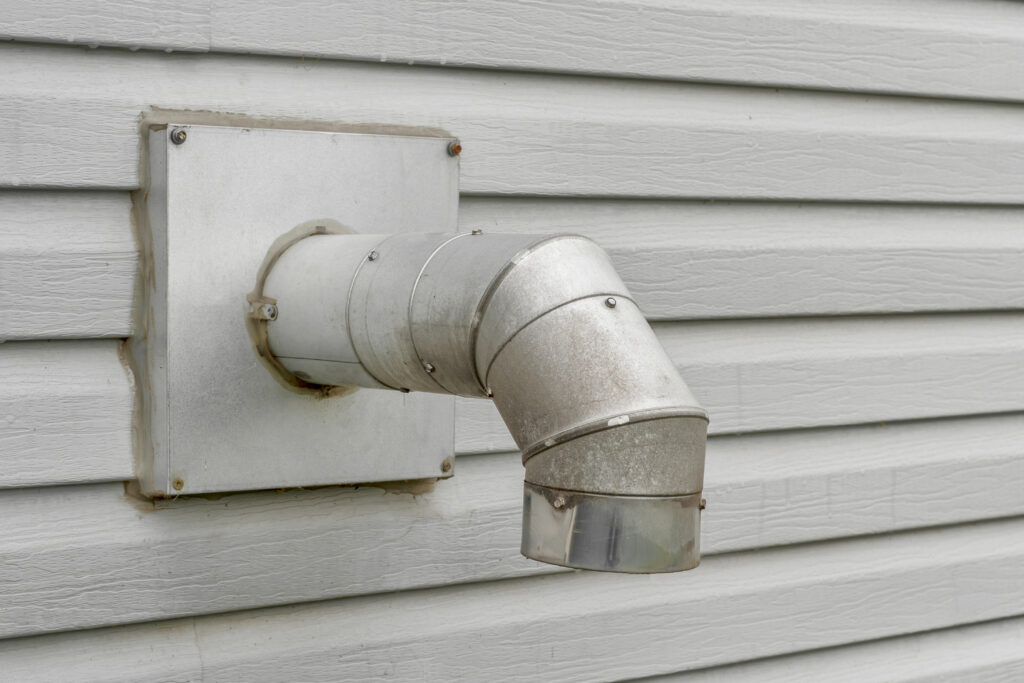
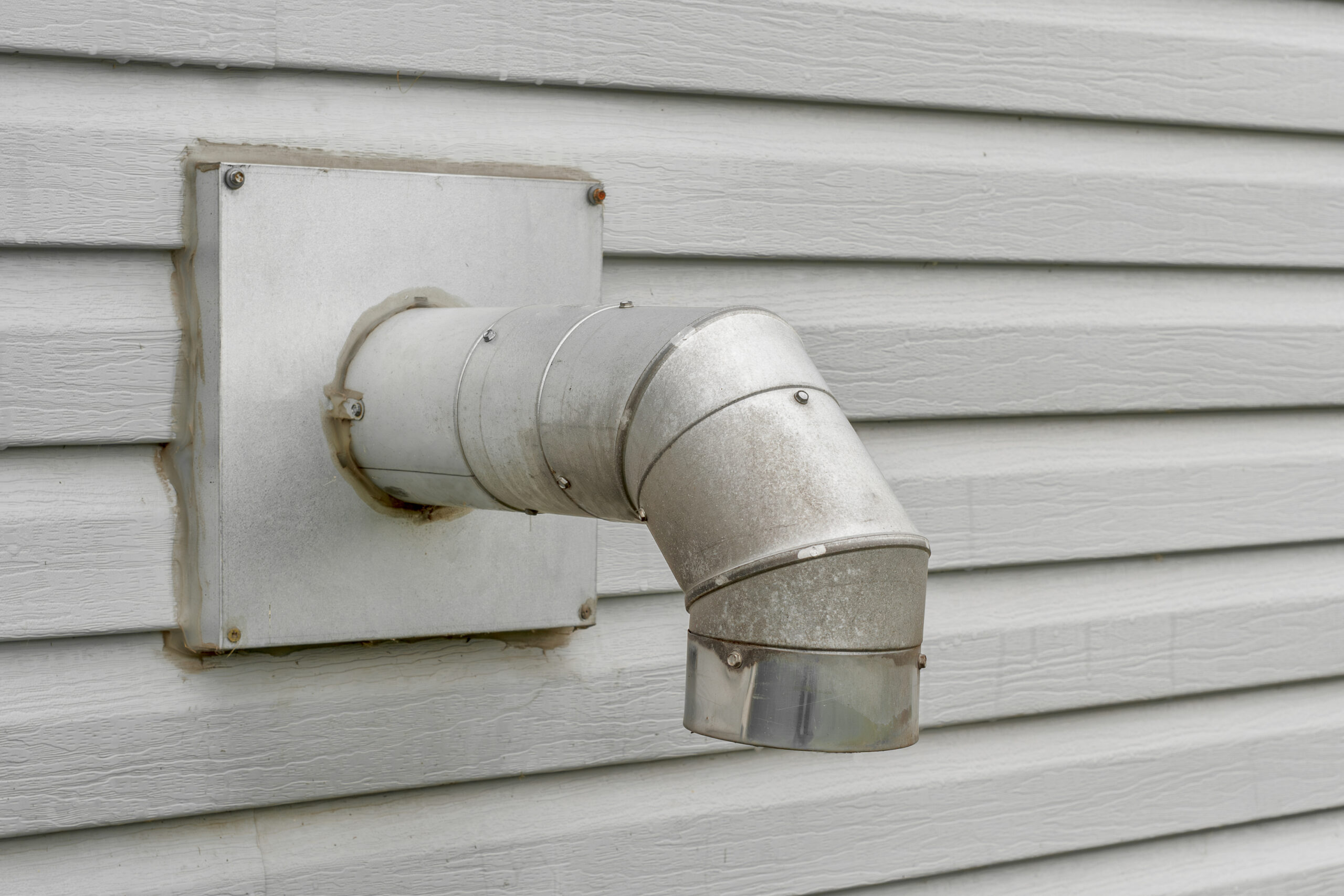
The condensate drain line typically exits near your indoor air handler unit. It is usually a white PVC pipe with a small access port or cap. The other end generally exits outside near the foundation or connects to a floor drain or utility sink.
Is vinegar safe to use in a condensate drain line?
Distilled white vinegar is widely considered safe and effective for routine condensate drain line maintenance. It breaks down algae and light buildup without corroding the PVC pipe or causing harm to the drain system.
How much does it cost to have a professional clean a condensate drain line?
Professional condensate drain line cleaning typically ranges from $75 to $250 depending on your location, the severity of the clog, and whether it is part of a broader HVAC tune-up service. Severe blockages or associated repairs will cost more.
Does a home warranty cover condensate drain line issues?
Coverage varies by provider and plan. Some home warranties cover components directly related to the HVAC system that fail due to mechanical breakdown. It is important to review your specific policy terms to understand what is and is not included.
What happens if I ignore a clogged condensate drain line?
Ignoring it can lead to water overflow, mold growth inside the air handler, damage to surrounding structures, reduced system efficiency, and in systems with a float switch, repeated automatic shutdowns of your air conditioning unit.
Can I prevent condensate drain line clogs entirely?
While no method guarantees complete prevention, regular vinegar flushes, algae prevention tablets in the drip pan, clean air filters, and annual professional HVAC maintenance significantly reduce the likelihood of clogs forming.
What is a condensate pump and when is it needed?
A condensate pump is a small device used when gravity alone cannot move the water from the drip pan to the drain point. It is common in basement installations or situations where the drain outlet is higher than the unit. If the pump fails, water can back up just as it would with a clogged line.
Should I clean my condensate drain line myself or hire a professional?
For routine preventive maintenance, a DIY vinegar flush is generally effective and safe. For persistent clogs, visible damage, or if you are unsure of your system’s configuration, hiring a licensed HVAC technician is the more reliable option.