Why Cleaning Your Dryer Is One of the Most Important Home Maintenance Tasks You Can Do
Most homeowners think about cleaning the lint trap and call it a day. Totally understandable — the lint trap is right there, easy to access, almost impossible to forget. But a truly clean dryer involves quite a bit more than that. Lint builds up in places you cannot see, inside the vent duct, behind the drum, along the exhaust path, and that buildup quietly creates real problems over time. We are talking reduced efficiency, longer drying times, and in worst-case scenarios, a fire hazard that nobody saw coming. Learning how to clean your dryer properly is one of those foundational home maintenance skills that pays off in a serious way.
How a Dryer Actually Works — And Why Lint Is the Enemy
A dryer operates by pulling in ambient air, heating it, tumbling wet clothes through that warm air, and then exhausting the now-moisture-laden air out through a vent duct. It sounds simple because it is — mechanically, dryers are not especially complicated appliances. But here is the thing: every cycle pulls tiny fabric fibers off your clothes. Those fibers are lint. Some get caught in the lint trap, which is what the trap is designed for. But a meaningful percentage makes it past the trap and continues traveling through the exhaust pathway. Over time, that lint accumulates inside the vent duct, around the duct opening, and sometimes inside the dryer cabinet itself. That buildup restricts airflow, which makes the heating element work harder, which increases energy usage and wear. Left long enough, lint inside a hot vent pathway becomes a legitimate fire risk — the U.S. Fire Administration has flagged dryers as a significant source of home fires, with failure to clean them listed as the leading contributing factor.
What You Actually Need to Clean a Dryer
Before getting into the process, gather the right tools. Cleaning a dryer is not a complicated job, but having the proper equipment makes it faster and more thorough. Here is what to have on hand:
- A dryer vent cleaning brush kit — a flexible rod brush long enough to reach through your vent duct
- A vacuum cleaner with a narrow hose attachment
- A microfiber cloth and mild all-purpose cleaner
- A screwdriver, in case you need to disconnect or access panels
- A flashlight for inspecting interior duct connections
None of this requires a trip to a specialty store. Most home improvement retailers carry vent cleaning brush kits at a reasonable price, and the rest you likely already own.
Step-by-Step Guide to Cleaning Your Dryer
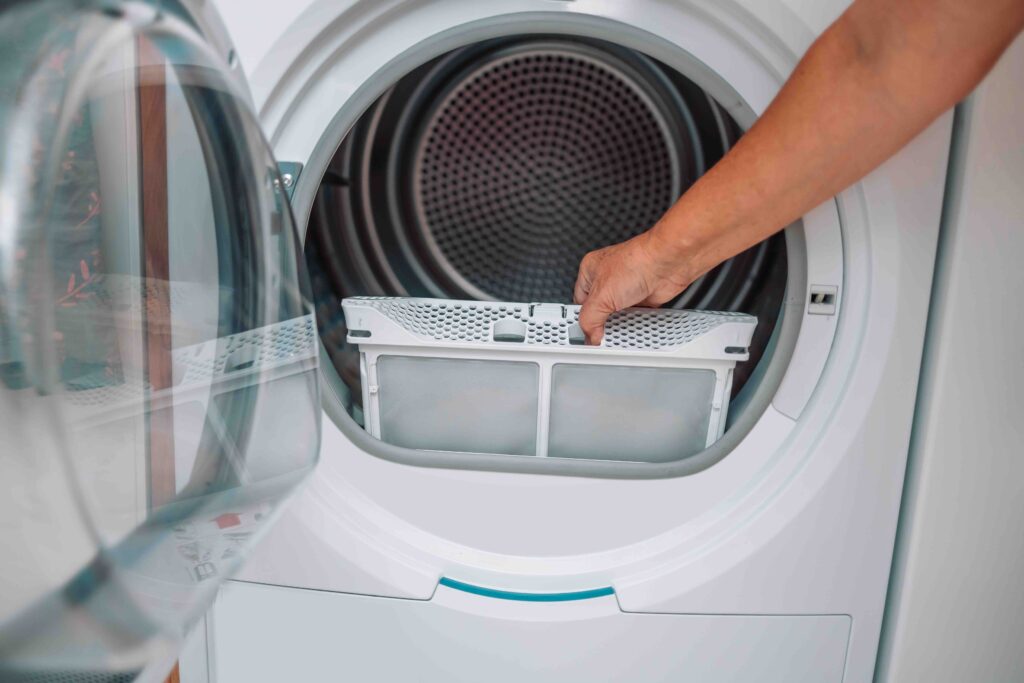
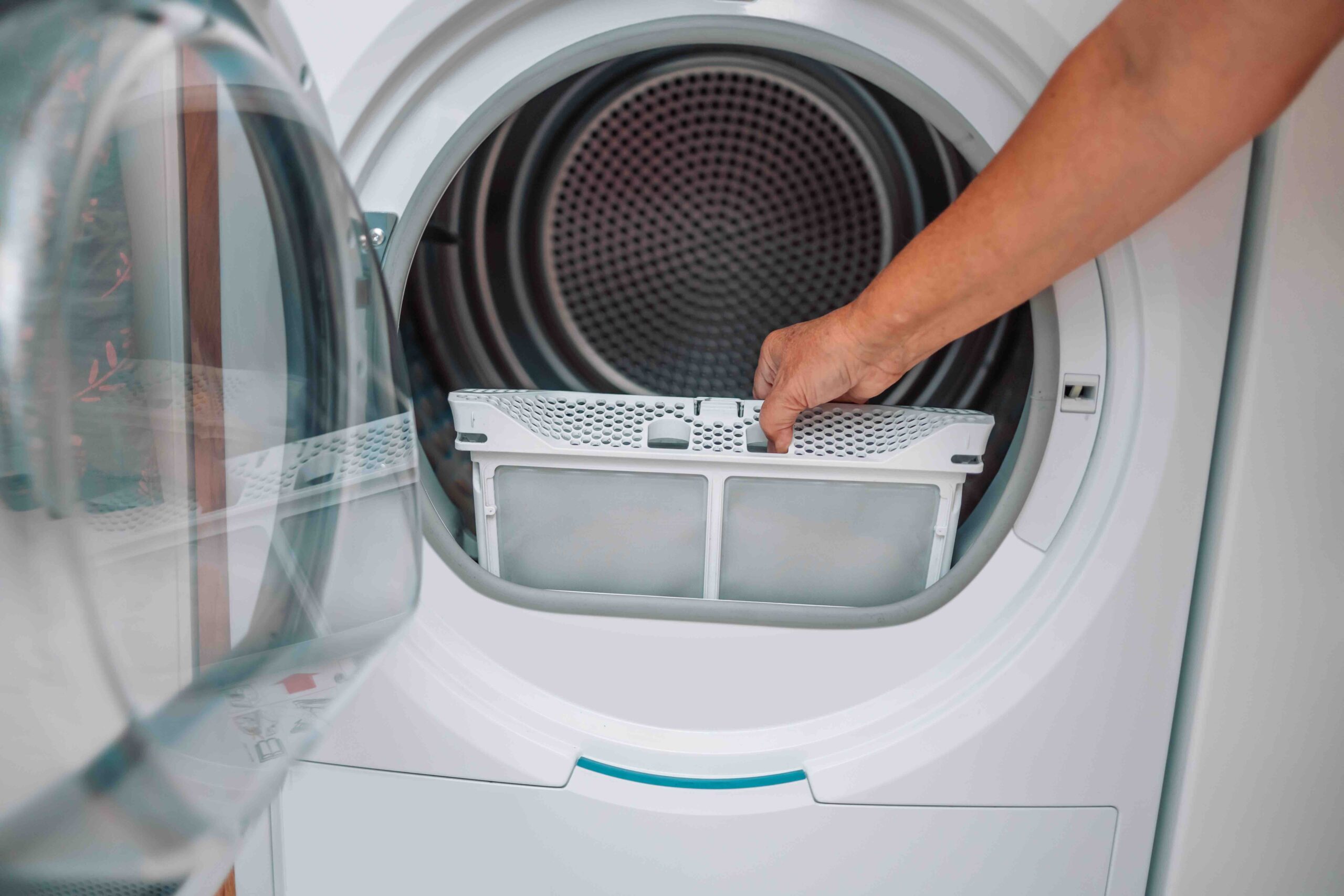
Start with the lint trap. Remove it completely, peel off any accumulated lint, and then wash the screen itself with warm soapy water. Dryer sheets leave a waxy residue on the mesh that reduces airflow even when the screen looks clean — you can test this by holding a wet lint trap under running water to see if water passes through freely. Let it dry completely before reinstalling. Next, use your vacuum’s narrow attachment inside the lint trap housing to pull out any lint that has fallen below the screen. You may be surprised how much collects down there. After that, pull the dryer away from the wall and disconnect the vent duct from the back of the machine. Use the flexible brush kit to clean the full length of the duct, working from both the dryer end and the exterior vent cap end. Vacuum out any loosened debris. While the dryer is pulled out, wipe down the back of the machine and the surrounding floor and wall area. Reconnect the duct securely, making sure there are no kinks or loose connections, and push the dryer back into position. Finally, run a short air-only cycle or a timed cycle without clothes to confirm airflow feels strong at the exterior vent.

How Often Should You Clean Your Dryer
The lint trap should be cleared after every single load — no exceptions. The vent duct and internal components need attention at least once a year for most households, and more frequently if you have a large family, multiple pets, or run the dryer heavily. If your dryer is taking noticeably longer to dry a standard load, that is a signal that airflow is restricted and a thorough cleaning is overdue. The exterior vent cap should also be inspected seasonally to make sure it opens freely and is not obstructed by debris, nesting material, or ice in colder climates.
The Advantages of Keeping Your Dryer Clean
The benefits of regular dryer cleaning extend well beyond fire prevention, though that alone is reason enough. A clean dryer operates more efficiently, which directly reduces energy consumption per load. Clothes dry faster and come out less worn from excessive heat exposure. The dryer itself experiences less mechanical strain, which translates to a longer appliance lifespan. For homeowners thinking about long-term costs, a dryer that runs clean and efficient for twelve to fifteen years is far more economical than one that fails prematurely at seven years due to neglected maintenance.
Common Mistakes Homeowners Make When Cleaning Their Dryer
The most common mistake is treating lint trap cleaning as the only necessary step. As noted earlier, that addresses only a fraction of the issue. Another frequent misstep is using foil accordion-style vent ducts, which are prone to kinking and collecting lint at every bend. Rigid metal duct is the better long-term choice. Some homeowners also neglect the exterior vent cap entirely, which can become blocked and force exhaust air back into the duct system. And perhaps the most overlooked issue: not reconnecting the vent duct securely after cleaning, leaving a gap that deposits exhaust air — and its moisture — directly into the space behind the dryer.
Signs Your Dryer Needs Professional Attention
Regular cleaning handles the majority of maintenance needs, but some situations call for a professional. If your dryer is running hot to the touch on the exterior cabinet, shutting off mid-cycle due to overheating, producing a burning smell, or making unusual mechanical noises, these are indicators that something beyond lint buildup may be at play. A heating element issue, a failing thermostat, or a motor problem are not DIY repairs for most homeowners. Recognizing the difference between a maintenance issue and a mechanical failure is an important part of responsible appliance ownership.
How a Home Warranty Supports Dryer Ownership
Even with diligent cleaning and maintenance, appliances eventually wear out. Dryers are mechanical systems with components that have finite lifespans — the heating element, drum support rollers, belts, thermal fuses, and motor all face wear cycles regardless of how well-maintained the unit is. When one of those components fails, repair costs can range from modest to significant depending on the part and the labor involved. That is precisely where a home warranty adds meaningful value. A home warranty plan covers mechanical failures that stem from normal wear and use, which means a failed heating element or motor breakdown is handled without an unexpected out-of-pocket expense derailing your month.
Why Armadillo Is the Smart Choice for Protecting Your Home Appliances
Staying on top of dryer maintenance is absolutely within your control — and you should. But no amount of cleaning protects against the inevitable mechanical wear that comes with years of regular use. That is where having the right coverage in your corner makes all the difference. Armadillo home warranty plans built for modern homeowners are designed to cover the real-world breakdowns that happen to well-maintained appliances and home systems alike. There are no complicated exclusions buried in fine print, and getting started is genuinely straightforward. If your dryer, washer, HVAC, or any other major system decides to stop cooperating, you want a plan that responds clearly and fairly. Take two minutes and get a dryer and appliance warranty quote that fits your home and budget — because peace of mind is a lot cheaper than an emergency repair bill.

Frequently Asked Questions About Cleaning Your Dryer
Real questions, straightforward answers — here is what homeowners most commonly want to know about dryer cleaning and maintenance.
How often should I clean the dryer vent duct?
At minimum, clean the vent duct once per year. Households with heavy dryer usage, pets, or large families should clean it every six months to maintain safe, efficient airflow.
Can a clogged dryer vent really cause a fire?
Yes. Lint is highly flammable, and when it accumulates inside a heated vent pathway, the risk of ignition is real. The U.S. Fire Administration identifies failure to clean dryers as the leading cause of dryer-related home fires.
What is the best type of dryer vent duct to use?
Rigid metal duct is the safest and most efficient option. It does not kink, does not trap lint at bends as easily as flexible foil duct, and is more durable over time.
How do I know if my dryer vent is blocked?
Signs include clothes taking multiple cycles to dry fully, the dryer exterior becoming unusually hot, a musty or burning smell during operation, and weak airflow at the exterior vent cap.
Should I clean inside the dryer cabinet itself?
Periodically, yes. Lint can accumulate inside the dryer cabinet around the drum and motor area. This typically requires removing a panel and is worth doing every few years or if you notice burning smells without a duct obstruction.
Is it safe to clean the dryer vent myself or do I need a professional?
Most homeowners can clean the dryer vent duct themselves using a flexible brush kit and a vacuum. However, if the duct run is very long, difficult to access, or you suspect an interior cabinet lint buildup, a professional dryer vent cleaning service is a worthwhile investment.
Does cleaning the lint trap with every load really make a difference?
Absolutely. A clogged lint trap forces the dryer to work harder, extends drying time, increases energy usage, and accelerates wear on internal components. It is the single easiest maintenance step you can take.
Will cleaning my dryer lower my energy bill?
Yes. A dryer with unrestricted airflow dries clothes faster and uses less energy per cycle. Over the course of a year with regular use, the savings on your utility bill can be meaningful.
Does a home warranty cover dryer repairs?
Most home warranty plans cover mechanical and electrical failures in dryers that result from normal wear and use. Coverage typically includes components like the heating element, motor, drum support rollers, and thermal fuse. Maintenance-related issues like lint buildup are generally excluded, which is why keeping up with regular cleaning matters.
How long should a dryer last with proper maintenance?
A well-maintained dryer typically lasts between ten and fifteen years. Regular cleaning, proper venting, and prompt attention to minor issues all contribute to reaching the upper end of that range.