Why Your Garbage Disposal Smells — And What You Can Do About It
If you have ever walked into your kitchen and caught a whiff of something unpleasant creeping up from the sink, your garbage disposal is probably the culprit. It happens in almost every home at some point, and it is one of those things that is easy to ignore until it becomes impossible to ignore. The good news is that cleaning a garbage disposal naturally is straightforward, effective, and does not require a cabinet full of harsh chemicals. With a few ingredients you likely already have on hand, you can keep this hardworking appliance fresh, functional, and running smoothly for years to come.
What a Garbage Disposal Actually Does
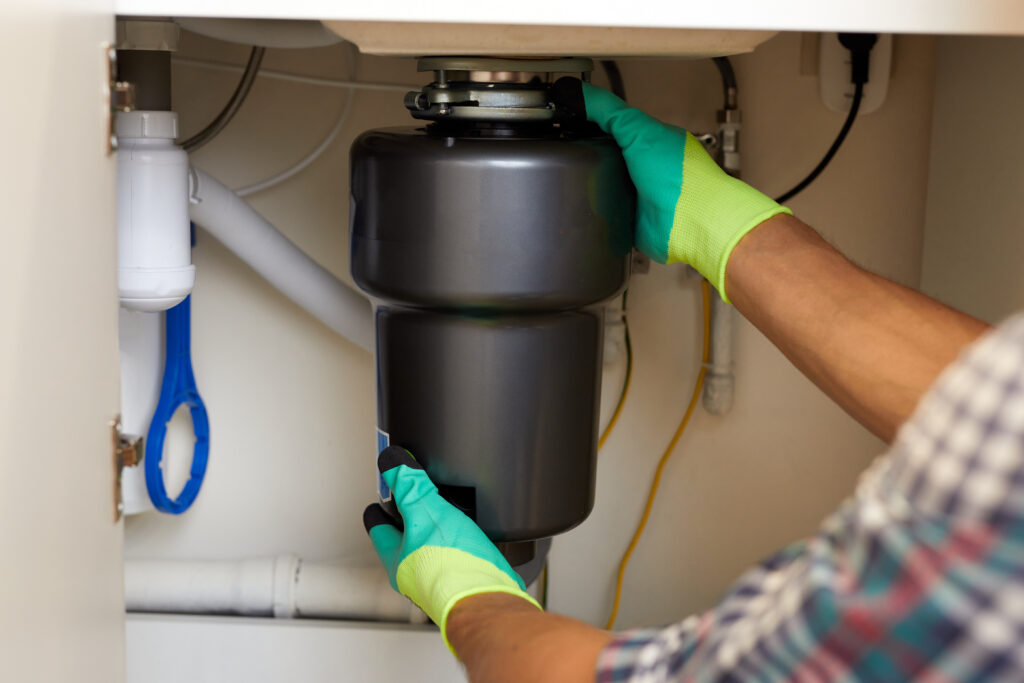
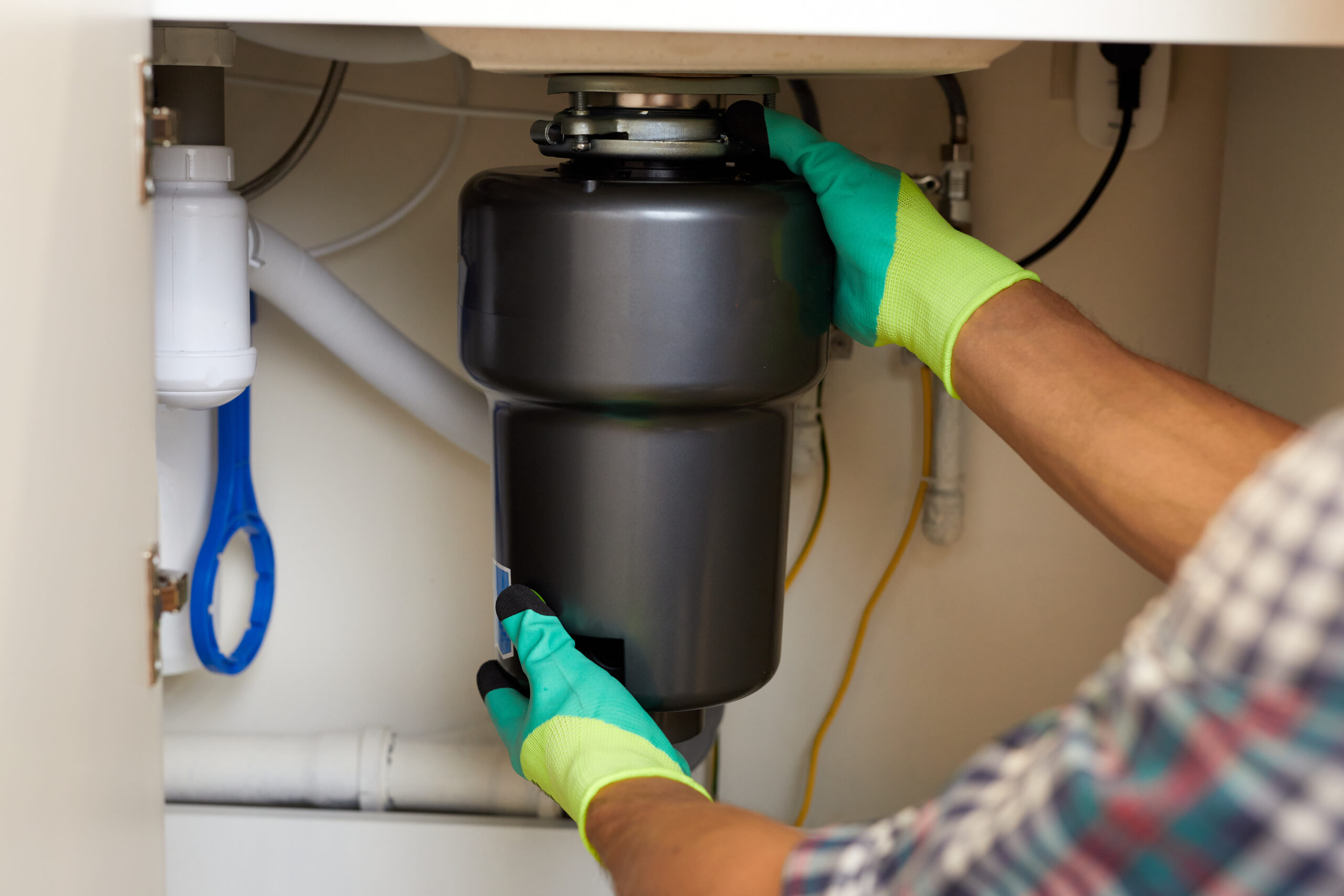
Before getting into cleaning methods, it helps to understand what you are working with. A garbage disposal is an electrically powered appliance installed beneath your kitchen sink between the drain and the drain trap. It uses a spinning plate with impellers — not blades, despite what most people assume — to grind food waste into fine particles small enough to pass through your plumbing system. It runs on a motor, typically ranging from one-third to one full horsepower, and handles everything from vegetable peels to small bits of leftover food. That said, it is not a trash can. Grease, fibrous vegetables, starchy foods, and coffee grounds can all cause buildup over time, which is exactly why regular cleaning matters.
Why Natural Cleaning Methods Work So Well
Chemical drain cleaners are widely available, but they come with real downsides — they can corrode your pipes, damage the rubber components inside your disposal, and introduce harsh substances into your water supply. Natural cleaning methods, on the other hand, use the power of simple chemistry and physical action to break down food residue, eliminate odor-causing bacteria, and flush debris out of hard-to-reach areas. They are safer for your plumbing, better for the environment, and honestly just as effective when done consistently. The trick is making these cleanings a regular habit rather than a reactive one.

The Classic Baking Soda and Vinegar Method
This is probably the most well-known natural cleaning combination, and it earns that reputation. The fizzing reaction between baking soda and white vinegar creates a gentle but effective scrubbing action that loosens food particles stuck to the interior walls of your disposal. Here is how to do it properly:
- Pour half a cup of baking soda directly into the disposal opening
- Follow with one cup of white vinegar
- Let the mixture fizz and sit for about ten to fifteen minutes
- Flush the disposal with hot water while running it for thirty seconds
This method neutralizes odors rather than masking them, which is what separates it from most store-bought options. Repeating this once every one to two weeks makes a noticeable difference in keeping odors at bay.
Ice and Salt for a Deeper Physical Clean
One thing baking soda and vinegar cannot do is physically scrub the grinding components inside your disposal. That is where ice and coarse salt come in. Tossing a cup or two of ice cubes along with half a cup of coarse salt into your disposal and running it without water for about fifteen to twenty seconds does something surprisingly effective. The ice helps sharpen and clean the impellers, while the salt acts as a mild abrasive to scrub away buildup on the grinding plate and interior surfaces. After the grinding stops, run cold water through for another thirty seconds to flush everything out. It sounds simple because it is — and it works.
Citrus Peels for Freshness and Mild Cleaning Action
There is a reason so many commercial cleaning products lean on citrus scents — the oils in lemon, lime, and orange peels do actual work beyond smelling good. The natural acids in citrus peels help cut through grease and residue while leaving a clean, fresh scent behind. After using your disposal, drop a few citrus peels in and run the unit with cold water for about twenty to thirty seconds. This works well as a finishing step after the baking soda and vinegar treatment or after the ice and salt method. It is also just a satisfying way to use peels that would otherwise go straight into the trash.
Do Not Forget the Splash Guard
Most homeowners clean inside the disposal and completely forget about the rubber splash guard — the black rubber flap that sits at the top of the drain opening. That thing collects a surprising amount of grime, grease, and bacteria on its underside, and it is often the actual source of persistent kitchen odors. Cleaning it is simple but requires a little manual effort. Use an old toothbrush or a small scrub brush with a mixture of dish soap and warm water to scrub both the top and underside of the splash guard thoroughly. Some splash guards are removable, which makes this even easier. This step alone can dramatically reduce odors that no amount of baking soda seems to fully eliminate.
Common Mistakes That Make Things Worse
Knowing what not to do is just as important as knowing the right cleaning techniques. Some habits that seem harmless can actually accelerate buildup, damage your disposal, or create worse odors over time. A few things to avoid:
- Pouring grease or oil down the disposal — it solidifies and creates stubborn buildup
- Using hot water while grinding food — cold water is better because it keeps grease solid for easier grinding
- Grinding fibrous or starchy foods like celery, banana peels, or potato skins — these can wrap around internal components
- Overloading the disposal with large food quantities at once
- Using bleach directly in the disposal — it can damage rubber seals and internal components
How Often Should You Clean Your Garbage Disposal
Consistency is the key ingredient in all of this. A light cleaning with citrus peels or a quick baking soda and vinegar rinse can be done once or twice a week without much effort. A more thorough cleaning — including the ice and salt scrub plus a full splash guard cleaning — is worth doing every two to four weeks depending on how heavily you use the disposal. If your disposal is used daily and handles a lot of food waste, leaning toward more frequent cleanings makes sense. For lighter use, the longer end of that range is perfectly fine. The goal is to stay ahead of buildup before it becomes a problem rather than scrambling to fix one.
How Armadillo Home Warranty Protects the Appliances You Rely On
Keeping your garbage disposal clean is a smart maintenance habit, but even a well-maintained appliance can break down when you least expect it. Mechanical failures, motor burnout, or electrical issues can take a perfectly good disposal out of commission without warning — and repairs or replacements are rarely cheap. That is where having a reliable home warranty makes all the difference. Armadillo home warranty coverage for kitchen appliances and home systems is designed to give homeowners real financial protection when things stop working, without the runaround or fine print surprises that frustrate so many people. Whether it is your garbage disposal, your dishwasher, or a more significant system failure, coverage through Armadillo means you are not absorbing the full cost out of pocket. If you want to see exactly what is covered in your area, you can get a free home warranty quote for garbage disposal and appliance protection in just a few minutes. Home maintenance is already a full-time job — your warranty should be the part that makes it easier, not harder.

Frequently Asked Questions About Cleaning Your Garbage Disposal Naturally
These are the questions homeowners ask most often when it comes to garbage disposal maintenance, odor control, and natural cleaning methods.
Can I use baking soda and vinegar in my garbage disposal every week?
Yes, using baking soda and vinegar weekly is safe and actually beneficial. The combination helps break down food residue, neutralize odors, and maintain cleaner internal surfaces without causing any damage to the disposal or your plumbing.
Why does my garbage disposal still smell after cleaning it?
The most common reason a disposal continues to smell after cleaning is a dirty splash guard. The underside of the rubber flap collects grease and bacteria and is often overlooked. Scrubbing it thoroughly with a brush and dish soap usually resolves persistent odors.
Is it safe to put lemon peels in a garbage disposal?
Yes, lemon peels are safe for most garbage disposals and are an effective natural deodorizer. Use small pieces rather than large chunks, and always run cold water while the disposal is operating to flush everything through properly.
What should I never put in my garbage disposal?
Avoid grease, oil, fibrous vegetables like celery and artichokes, starchy foods like potato peels and pasta, coffee grounds in large quantities, eggshells in large amounts, and any non-food items. These can cause clogs, damage the motor, or create persistent odor problems.
Does hot or cold water work better when running the garbage disposal?
Cold water is recommended when running the disposal because it keeps fats and grease in solid form, making them easier to grind and flush through the drain. Hot water can liquefy grease, which then re-solidifies further down the pipe and causes buildup.
How do I know if my garbage disposal needs professional repair rather than just cleaning?
If your disposal hums but does not grind, makes unusual grinding or rattling noises, leaks from the bottom, trips the reset button repeatedly, or does not respond at all, those are signs of a mechanical or electrical issue that goes beyond cleaning and requires professional attention.
Can I use bleach to clean my garbage disposal?
It is generally not recommended to use bleach directly in your garbage disposal. Bleach can degrade the rubber components inside the unit and may contribute to corrosion over time. Natural alternatives like baking soda, vinegar, and citrus peels are safer and equally effective.
How long does a garbage disposal typically last?
A well-maintained garbage disposal typically lasts between eight and fifteen years. Regular cleaning, avoiding problematic food items, and addressing minor issues promptly can help extend the lifespan of the unit significantly.
Will a home warranty cover my garbage disposal if it breaks down?
Many home warranty plans do include garbage disposals under appliance coverage, though the specifics vary by provider and plan. It is important to review your coverage details to confirm whether the disposal is included and under what conditions repairs or replacements are covered.
Is it worth cleaning a garbage disposal that is already old?
Regular cleaning is still worthwhile for an older disposal because it prevents odors, reduces the risk of clogs, and can extend the time before a full replacement is needed. That said, if the unit is already experiencing mechanical problems, cleaning alone will not resolve underlying wear and tear.