Why Cleaning Your Oven Matters More Than You Think
Most homeowners do not think about the oven until something goes wrong. Maybe there is smoke pouring out when you preheat it, or a strange smell is filling the kitchen before the food even goes in. The truth is, oven maintenance is one of those tasks that quietly determines how long your appliance lasts and how efficiently it runs day to day. Grease buildup, food residue, and carbon deposits do not just affect how your food tastes. They affect the appliance itself, straining heating elements and sensors in ways that add up over time. Cleaning your oven regularly is not just about hygiene. It is about protecting something you rely on constantly.
How Your Oven Actually Works
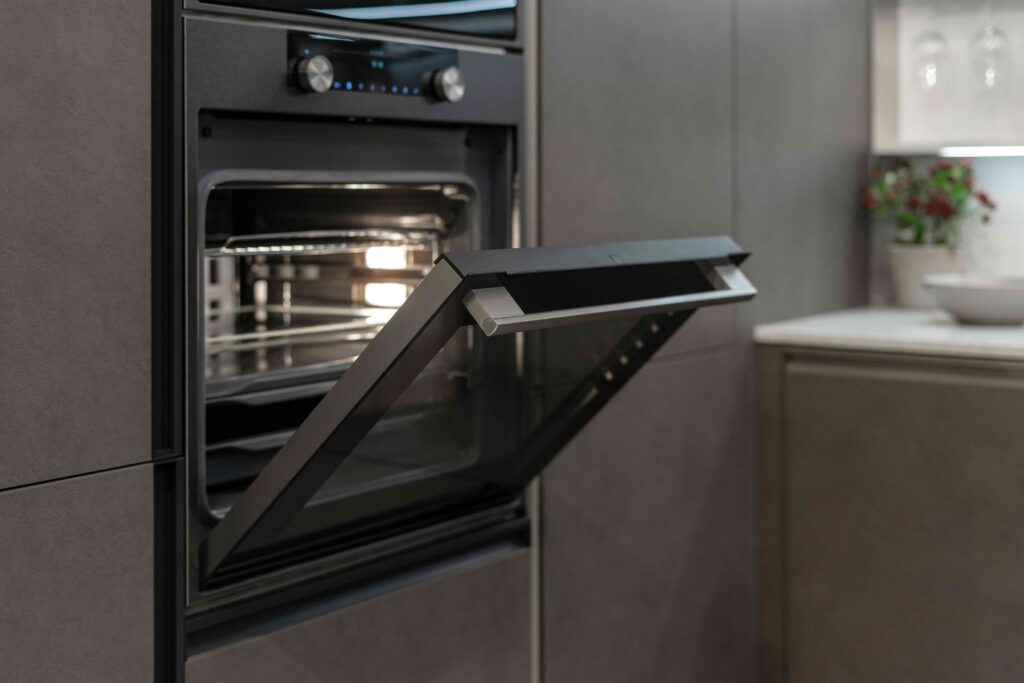
Before getting into the cleaning process, it helps to understand what is happening inside the unit. Whether you have a gas or electric oven, the core function is the same. Heat is generated and circulated within an insulated cavity to cook food at a controlled temperature. In an electric oven, heating elements located at the top and bottom of the cavity convert electrical energy into heat. In a gas oven, a burner ignites gas to produce a flame that heats the space. Convection ovens add a fan to circulate that heat more evenly. Every one of these components is affected by accumulated grease and debris. When buildup coats heating elements or blocks air circulation, the appliance has to work harder to reach and maintain temperature. That extra strain accelerates wear.
The Two Main Cleaning Methods
There are two primary approaches to cleaning an oven, and knowing the difference matters. The first is the self-cleaning cycle, a feature built into many modern ovens that uses extremely high heat, typically between 800 and 900 degrees Fahrenheit, to incinerate food residue into a fine ash that you simply wipe away. The second method is manual cleaning, which involves applying a cleaning solution, whether commercial or homemade, letting it sit, and then scrubbing the interior surfaces by hand. Both approaches have their place depending on the level of buildup, your appliance type, and how much time you have available.

Step-by-Step Guide to Manual Oven Cleaning
Manual cleaning is thorough, effective, and gives you the most control. Here is how to approach it properly.
- Remove oven racks and any loose debris before applying any cleaning solution to the interior walls and floor of the oven.
- Apply a commercial oven cleaner or a baking soda and water paste generously across the interior surfaces, avoiding heating elements and any vents.
- Allow the solution to sit for at least 30 minutes, or overnight for heavier buildup, so it can break down grease and carbonized residue.
- Wipe down all surfaces with a damp cloth or sponge, rinsing frequently to remove both the cleaner and the loosened grime.
- Clean oven racks separately in warm, soapy water in the sink or bathtub, scrubbing with a non-abrasive pad before rinsing and drying them thoroughly.
- Wipe the oven door glass with the same cleaning solution, then dry with a clean cloth to prevent streaking.
Using the Self-Cleaning Cycle the Right Way
The self-cleaning feature is convenient, but it is not without its drawbacks. The extremely high temperatures involved can put stress on oven components, and the process produces smoke and fumes that require good ventilation. Before running a self-clean cycle, remove all oven racks unless the manufacturer specifically states they are safe to leave in. Open windows and run your kitchen exhaust fan throughout the cycle. Expect the process to take anywhere from two to four hours. Once the cycle is complete and the oven has cooled completely, simply wipe away the remaining ash with a damp cloth. Do not attempt to open the oven door during the cycle, as most modern units will lock automatically for safety.
Common Mistakes Homeowners Make When Cleaning an Oven
Even well-intentioned cleaning routines can backfire if the process is not done carefully. One of the most common errors is spraying commercial cleaner directly onto the heating elements, which can cause damage and create a fire hazard the next time the oven is used. Another mistake is skipping the ventilation step during self-cleaning, which can trigger smoke alarms and fill the home with unpleasant fumes. Some homeowners also use abrasive scrubbing pads on the oven interior, which can scratch protective surfaces and make future buildup even harder to remove. Rushing the process and not allowing cleaning agents enough dwell time is another frequent issue, leaving behind residue that burns off the next time you cook and creates exactly the smell and smoke you were trying to avoid.
How Often Should You Clean Your Oven
The right cleaning frequency depends on how often you use your oven and what you typically cook. As a general rule, a light wipe-down after spills occurs immediately is the most effective strategy. For regular home cooks, a deeper clean every one to three months keeps buildup manageable. If you only use the oven occasionally, twice a year may be perfectly sufficient. Running the self-clean cycle more than a few times a year is generally not recommended, as the intense heat cycle can wear down components faster than the gradual buildup of grease would on its own. Consistent light maintenance is almost always preferable to infrequent deep cleaning sessions.
What Oven Issues Can Signal a Larger Problem
Cleaning your oven regularly also gives you a chance to notice things that might otherwise go undetected. Visible damage to a heating element, uneven cooking results that cleaning alone does not resolve, unusual sounds during operation, or persistent error codes on the control panel are all signs that the appliance may need professional attention. Oven repairs are not always dramatic or obvious at first. A failing temperature sensor, a damaged door gasket, or a malfunctioning igniter in a gas oven can all create symptoms that look and feel like a dirty oven but are actually mechanical issues. Catching these early through regular maintenance can make the difference between a simple repair and a full replacement.
Why a Home Warranty Makes Appliance Maintenance Less Stressful
Regular oven cleaning is something every homeowner can and should do. But even the most diligently maintained appliance can fail without warning. A heating element burns out, a control board malfunctions, an igniter stops working. These repairs are not always inexpensive, and they tend to happen at the worst possible time. That is exactly where a home warranty adds real value. With the right coverage in place, you are not left calculating whether a repair bill is worth it or scrambling to find a qualified technician. Armadillo home warranty protection for kitchen appliances and home systems is designed to give homeowners straightforward, reliable coverage without the fine print frustrations. When your oven or another major appliance breaks down, Armadillo connects you with vetted service professionals and handles the logistics so you can focus on your home rather than the hassle. If you are ready to stop worrying about what the next repair might cost, get a free home warranty quote for oven and appliance coverage today and see what a plan looks like for your home.

Frequently Asked Questions About Cleaning Your Oven
These are the questions homeowners ask most often about oven cleaning, maintenance, and what to watch out for along the way.
How long should I let baking soda paste sit in the oven before wiping it out?
For light buildup, 30 minutes is usually sufficient. For heavier grease and carbonized residue, leaving the paste overnight produces significantly better results and makes the scrubbing process much easier.
Can I use the self-cleaning cycle on any oven?
No. Not all ovens have a self-cleaning feature, and those that do may have specific instructions or restrictions. Always consult your owner’s manual before running a self-clean cycle to confirm compatibility and follow proper safety steps.
Is it safe to use commercial oven cleaner on a self-cleaning oven?
Most manufacturers advise against it. The interior coating of a self-cleaning oven is specially designed to withstand high heat, and chemical cleaners can damage that coating. Stick to the self-clean feature or a mild baking soda solution for those models.
Why does my oven smoke even after I cleaned it?
Residual cleaning solution that was not fully rinsed out is usually the culprit. Running the oven at a low temperature for 15 to 20 minutes after cleaning helps burn off any remaining residue. If smoking persists, there may be a buildup in a hard-to-reach area or a separate mechanical issue.
How do I clean between the oven door glass panels?
Some oven doors allow you to disassemble the panels for cleaning, which is the most thorough approach. If your model does not, a thin flexible brush or a degreaser applied with a narrow tool can help clean the gap. Check your owner’s manual for door disassembly instructions specific to your model.
Does running the self-clean cycle damage the oven over time?
Yes, repeated self-clean cycles can accelerate wear on components like heating elements, thermal fuses, and door latches due to the extreme heat involved. Limiting self-clean use to a few times per year and maintaining regular light cleaning between cycles is the recommended approach.
What is the best homemade oven cleaner solution?
A paste made from baking soda and water, with a small amount of dish soap added, is one of the most effective and safest homemade options. Applied generously and left to sit for several hours, it breaks down grease without the harsh fumes associated with commercial products.
Can a dirty oven affect cooking performance?
Absolutely. Heavy grease buildup interferes with heat distribution, causes uneven cooking, produces smoke and odors, and can even affect how accurately the oven reaches and holds its set temperature. Regular cleaning directly supports consistent cooking results.
Does my home warranty cover oven repairs?
Many home warranty plans include coverage for built-in ovens and ranges, covering mechanical and electrical failures that occur through normal use. Coverage specifics vary by provider and plan, so reviewing what is included before you need a repair is always worthwhile.
How do I know if my oven needs a repair rather than just a cleaning?
If your oven is not reaching the correct temperature, takes significantly longer than usual to preheat, produces unusual sounds, shows error codes, or has a visibly damaged heating element, those are signs of a mechanical issue that cleaning alone will not resolve. A qualified appliance technician should assess the unit in those cases.