When Your Drains Are Telling You Something Is Wrong
There is a particular kind of dread that comes with a slow drain. You notice the water pooling around your feet in the shower, or the kitchen sink taking just a little too long to clear, and somewhere in the back of your mind, you already know. A main sewer line clog is not a small inconvenience. It is the kind of problem that quietly escalates until it becomes very, very obvious. Understanding how to clear a main sewer line clog — and what that process actually involves — can save you time, money, and a fair amount of stress. This guide breaks it all down clearly, practically, and without the unnecessary drama.
What Is the Main Sewer Line and Why Does It Matter
The main sewer line is the central pipe that connects all of your home’s drains to the municipal sewer system or your private septic tank. Every toilet flush, every sink rinse, every shower — it all flows through this single line. Think of it as the main artery of your home’s plumbing system. When it is clear, everything functions the way it should. When it is blocked, wastewater has nowhere to go, and it will find its way back into the most inconvenient places imaginable. Unlike a clogged sink that affects one fixture, a main sewer line clog affects the entire home. That distinction matters, and it matters a lot when you are trying to figure out the right solution.
How to Recognize a Main Sewer Line Clog
Not every sluggish drain signals a main line issue, but there are patterns worth knowing. When the problem is localized to one fixture, you are probably dealing with an isolated clog. When multiple fixtures start behaving strangely at the same time, the main line deserves a closer look. Here are the most common warning signs homeowners encounter:
- Multiple drains in the home are slow or completely backed up at the same time
- Toilets gurgle or bubble when you run water in a nearby sink
- Water backs up into the bathtub or shower when you flush the toilet
- A foul sewage odor is coming from drains throughout the house
- Your lowest drains are showing signs of overflow or backup
If two or more of those scenarios sound familiar, the main sewer line is likely the source of the problem. Acting quickly is important here. Waiting tends to make things considerably worse.
Common Causes Behind Main Sewer Line Clogs
Main sewer line clogs rarely happen overnight. They tend to develop over time, and understanding the cause can help you prevent them from recurring. Tree root intrusion is one of the most frequent culprits — roots naturally seek out moisture and can work their way into pipe joints over years of growth. Older homes with cast iron or clay pipes are especially vulnerable. Grease accumulation is another major factor. Even when poured in small amounts, grease coats the inside of pipes over time and eventually restricts flow. Flushing non-flushable items — wipes labeled as flushable, paper towels, hygiene products — is a leading cause in newer homes. Pipe deterioration and offsetting due to age or ground movement can also create natural collection points for debris. Each of these causes requires a slightly different approach to resolve.

Step-by-Step: How to Clear a Main Sewer Line Clog
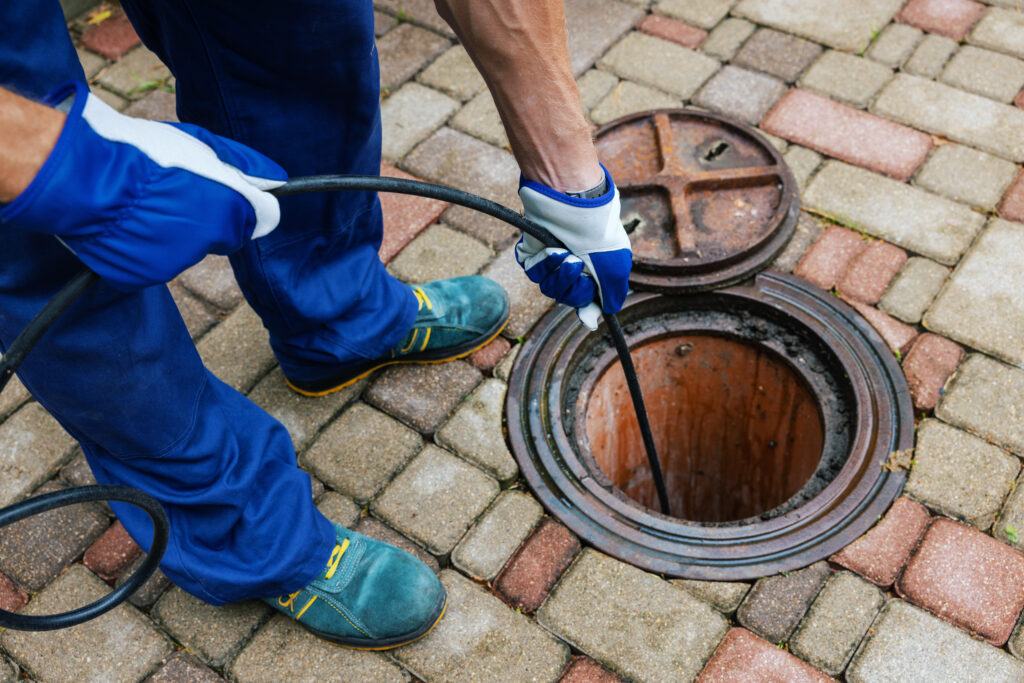

Clearing a main sewer line clog is not always a DIY project, but knowing the process helps you make informed decisions about when to roll up your sleeves and when to call in a professional. The first step is locating your main cleanout, which is typically a capped pipe found in the basement, crawlspace, or on the exterior of the home near the foundation. Once located, carefully remove the cap — do it slowly, because built-up pressure can cause wastewater to spill out immediately. From there, a few methods are used depending on the severity of the clog. A plumber’s snake or drain auger can physically break through blockages by threading through the pipe. For tougher clogs, hydro jetting uses high-pressure water to blast through obstructions and clean the pipe walls. If roots are involved, mechanical cutting tools or chemical root treatments may be necessary as well. Professional plumbers often conduct a camera inspection first to identify exactly where the clog is and what is causing it, which removes the guesswork and speeds up the resolution significantly.
DIY vs. Professional Service: Knowing the Difference
There is genuine value in knowing what you can handle yourself. A basic drain snake costs between twenty and sixty dollars at a hardware store, and for minor clogs near the surface, it can do the trick. However, main sewer line clogs are often further down the pipe, harder to reach, and more complex in nature. Hydro jetting equipment, for example, is expensive and requires professional training to operate safely. Camera inspection tools are not typically available to the average homeowner either. Attempting to clear a deep blockage with insufficient tools can push the clog further or cause pipe damage. As a general rule, if you have confirmed the issue is in the main line rather than a secondary drain, a licensed plumber is the smarter call. The cost of professional service typically ranges from two hundred to five hundred dollars for a standard snaking, and higher for hydro jetting or root removal. That investment is worthwhile when the alternative is sewage backup throughout your home.
Preventing Main Sewer Line Clogs Before They Start
Prevention is genuinely easier than repair in this case. A few consistent habits can extend the life of your sewer line significantly. Avoid flushing anything that is not toilet paper or human waste. Dispose of cooking grease in the trash, not the drain. Run hot water through your drains regularly to help keep buildup from solidifying. Schedule a professional drain inspection every few years, especially if your home is older or surrounded by mature trees. If tree roots have been a recurring issue, consider a preventive root treatment that discourages regrowth without harming the tree. These are not complicated adjustments, and they make a real difference over time.
What Home Warranties Cover When It Comes to Sewer Lines
This is the part where many homeowners are caught off guard. Standard homeowners insurance typically does not cover sewer line clogs or the damage they cause — that falls outside most policy scopes unless there is sudden and accidental damage from a covered event. A home warranty, on the other hand, is specifically designed to cover the repair or replacement of home systems and appliances that fail due to normal wear and use. Depending on the plan, main sewer line stoppages may be covered, including the cost of accessing and clearing the blockage. It is worth reviewing your plan documents carefully to understand exactly what is included. Coverage details vary between providers, so knowing what your plan addresses before a problem occurs is always the better approach.
The Hidden Cost of Ignoring a Main Sewer Line Problem
Deferred maintenance on a sewer line issue almost always results in higher costs down the road. A partial blockage that goes unaddressed can develop into a complete backup, which may cause sewage to enter the home. At that point, you are dealing with water damage restoration, potential mold remediation, and significant health hazards in addition to the original plumbing repair. In severe cases, a collapsed or deteriorated pipe may require full replacement, which can cost several thousand dollars. The financial and practical argument for addressing a suspected sewer line issue promptly is straightforward. Early action saves money, protects your home’s structure, and prevents the situation from becoming a health concern.
Why Armadillo Is the Smart Choice for Sewer Line Protection
When a main sewer line clog strikes, the last thing you want is to be on the phone with three different plumbers trying to figure out who covers what and at what cost. That is where having a dependable home warranty makes an enormous difference. Armadillo home warranty plans built for real homeowners are designed with exactly these kinds of unexpected, expensive repairs in mind. Armadillo keeps things simple: straightforward coverage, honest pricing, and a service experience that does not make you feel like you need a law degree to understand your policy. Whether you are dealing with a sewer line stoppage or any number of other home system failures, having the right plan in place changes the experience entirely. If you have been putting off getting covered, now is a practical time to take a look at your options and get a free home warranty quote for sewer line and plumbing coverage so you know exactly what protection looks like for your specific home.

Frequently Asked Questions About Main Sewer Line Clogs
What are the first signs of a main sewer line clog?
The earliest signs typically include multiple slow drains throughout the home, gurgling sounds coming from toilets when other fixtures are used, and water backing up into low-lying drains like bathtubs or floor drains when you flush a toilet.
Can I clear a main sewer line clog myself?
Minor clogs near the surface can sometimes be addressed with a drain snake, but most main sewer line blockages are located deeper in the pipe and require professional equipment such as a hydro jetter or motorized auger to resolve safely and completely.
How long does it take to clear a main sewer line clog?
A professional plumber can typically clear a standard main sewer line clog in one to three hours. More complex issues involving tree roots, collapsed pipes, or extensive buildup may take longer and require additional services.
How much does it cost to clear a main sewer line clog?
Costs generally range from two hundred to five hundred dollars for standard snaking services. Hydro jetting and root removal services can run between three hundred and one thousand dollars or more, depending on the severity and pipe accessibility.
Does homeowners insurance cover main sewer line clogs?
In most cases, standard homeowners insurance does not cover sewer line clogs caused by normal wear and deterioration. Coverage may apply if the damage results from a sudden, covered event, but routine blockages and gradual buildup are typically excluded.
Does a home warranty cover main sewer line clogs?
Many home warranty plans do include coverage for main sewer line stoppages, but the specifics vary by provider and plan. Reviewing your contract carefully or speaking with your warranty provider will confirm what is and is not included.
How do tree roots get into sewer lines?
Tree roots are naturally drawn to moisture and nutrients, and they can infiltrate small cracks or loose joints in sewer pipes over time. Once inside, they grow and expand, eventually causing significant blockages or even pipe damage.
How often should I have my main sewer line inspected?
For most homes, a professional sewer line inspection every two to three years is a reasonable standard. Homes with older pipes, large trees nearby, or a history of clogs may benefit from more frequent inspections.
What should I never flush down the toilet to protect my sewer line?
Avoid flushing wipes of any kind, paper towels, cotton balls, feminine hygiene products, dental floss, and medications. Even products marketed as flushable can contribute to blockages in main sewer lines over time.
Can a main sewer line clog fix itself?
No. Sewer line clogs do not resolve on their own. Without intervention, they typically worsen over time and can lead to complete backups, sewage overflow inside the home, and costly structural damage. Early action is always the better choice.