What Is a Plumbing Vent Pipe and Why Does It Matter?
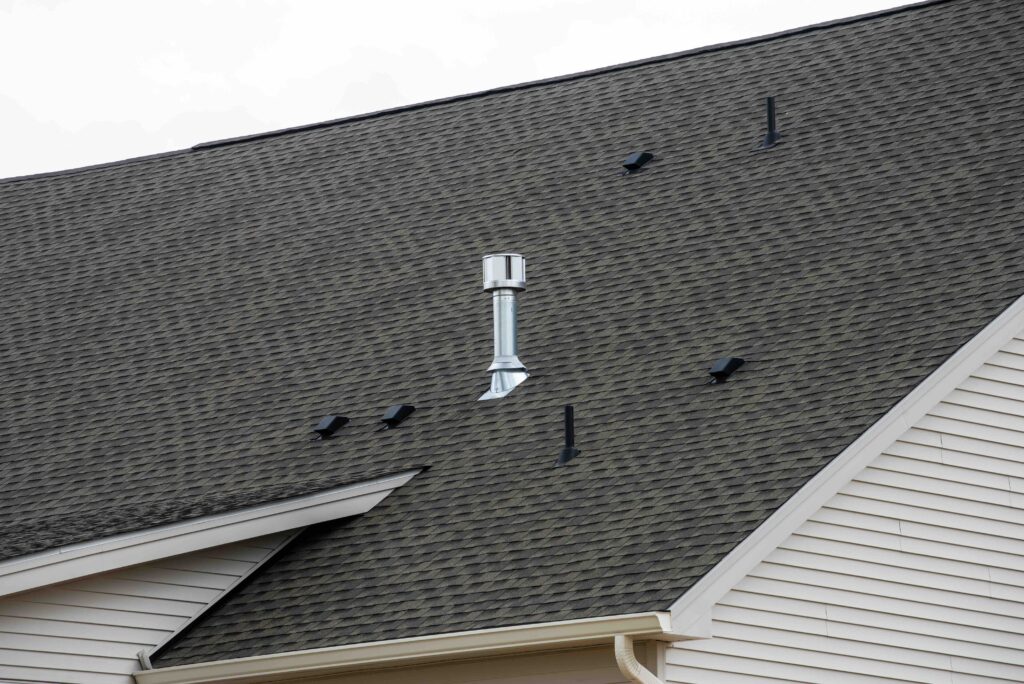
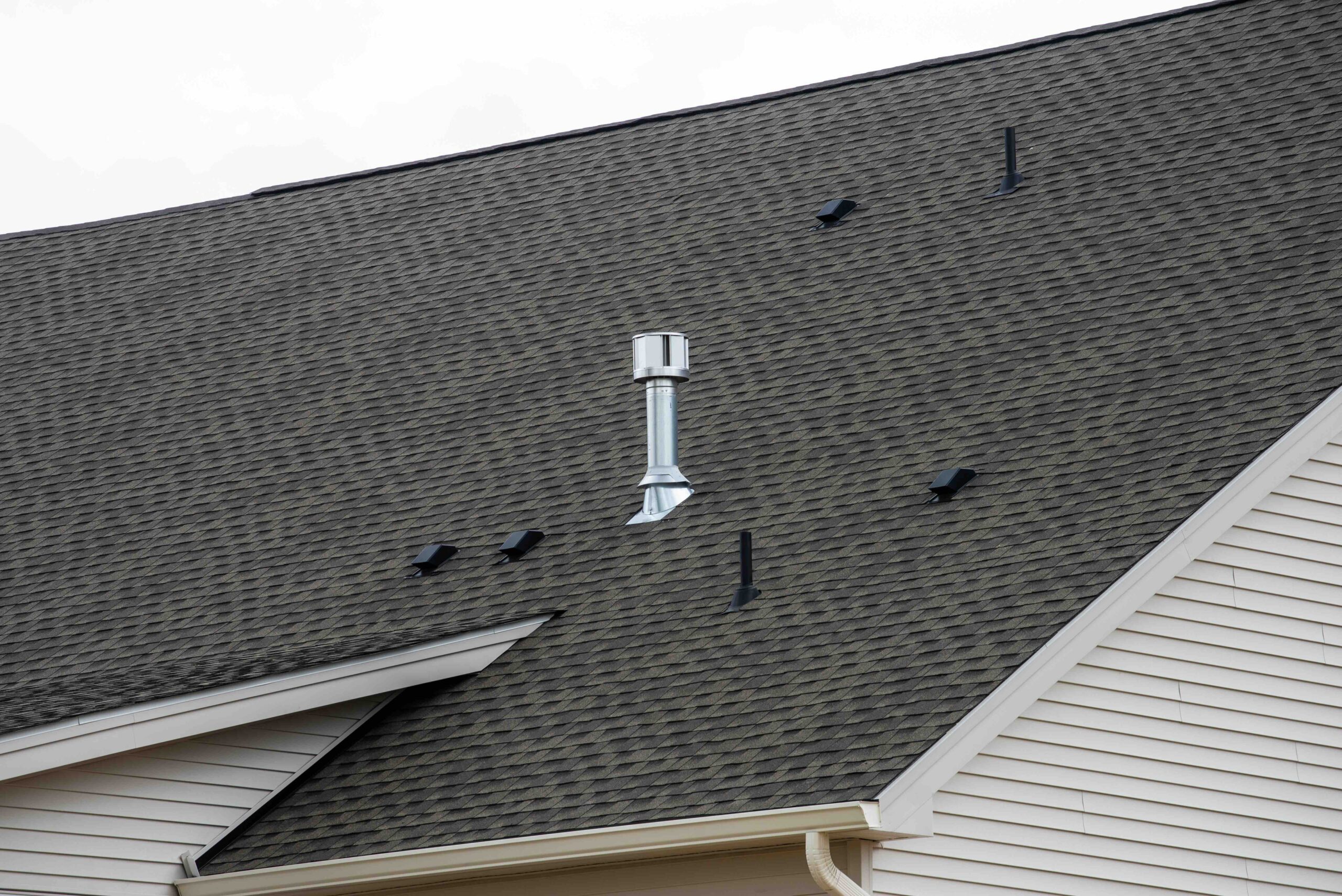
Most homeowners know about drain pipes. They know water goes down and eventually out. What a lot of people do not think about is the system working behind the scenes to make that happen cleanly and safely. That is where the vent pipe comes in. The plumbing vent pipe, sometimes called a drain-waste-vent pipe or stack vent, is a vertical pipe that runs from your plumbing system up through the roof of your home. Its job is to allow sewer gases to escape outside and to let fresh air into the drain system so water flows freely without creating that unpleasant gurgling sound or slow drain effect. Without it functioning properly, your entire plumbing system suffers. This is one of those components that works silently in the background until it does not, and then suddenly you notice every toilet flush, every slow sink, every odd smell.
How a Plumbing Vent Pipe Actually Works
The science here is straightforward once you see it laid out. When water drains through your pipes, it creates a pressure change. Without a way to equalize that pressure, you get suction. That suction pulls water out of your drain traps, which are those curved sections of pipe under sinks and toilets that hold a small amount of water. That small water barrier is what blocks sewer gas from entering your living space. The vent pipe solves the pressure problem by introducing air into the system. Think of it like putting your thumb over a straw filled with liquid versus leaving the top open. The open straw drains cleanly. The blocked one creates resistance. Your vent pipe keeps that straw open so everything flows the way it should.
Signs Your Vent Pipe May Be Clogged
A blocked vent pipe announces itself in several ways, none of them subtle once you know what to look for. The most common indicators include the following:
- Slow drains throughout the home, not just in one location
- Gurgling or bubbling sounds from toilets or sink drains after flushing or draining
- A persistent sewer smell inside the home, particularly near drains
- Toilets that seem sluggish or incomplete in flushing
- Visible debris, leaves, or animal nests visible at the rooftop vent opening
If you are noticing multiple symptoms at once, that is a fairly reliable signal that the issue is with the vent rather than an isolated drain clog. A single slow drain might be a localized blockage. Multiple drains behaving oddly at the same time almost always points upstream to the vent stack.
Common Causes of Vent Pipe Blockages
Vent pipes exit through your roof, which means they are exposed to everything the outdoors has to offer. Leaves and twigs are the most frequent culprits, especially in fall. Bird nests are surprisingly common. In colder climates, ice can form at the top of the pipe and create a temporary seal that disrupts airflow. In some older homes, the pipe diameter may simply be too narrow to handle the system demand, or the pipe itself may have corroded or shifted over time. Tree roots are less common for vent lines compared to drain lines, but in some configurations they can still cause issues. The point is, blockages are not rare. They happen to well-maintained homes regularly because the pipe opening is exposed to the elements year-round.

How to Clear a Vent Pipe: The Step-by-Step Process
Clearing a vent pipe is a manageable task for many homeowners, but it does require roof access, which introduces a safety element that should not be taken lightly. Always use proper footwear with grip, work on a dry day, and use a stable ladder. Once safely on the roof, locate the vent pipe opening. You may be able to see debris immediately. Start by removing any visible blockage by hand or with a garden trowel. From there, use a garden hose to run water down into the pipe. If the water backs up rather than draining freely, you have a deeper blockage. A plumber’s snake or drain auger fed down into the pipe can break up and retrieve that obstruction. Work slowly and methodically. Forcing a snake aggressively can damage older pipes. Once cleared, flush again with the hose to confirm flow is restored. If water drains freely and continuously without backing up, the vent is open.
When to Call a Professional Instead
There are situations where DIY intervention is not the right call. If you have any doubt about your ability to safely access your roof, stop there and contact a licensed plumber. Similarly, if you run a snake down the vent pipe and do not find a resolution, the problem may be deeper within the system or may not be vent-related at all. Some blockages require a professional-grade auger or a camera inspection to properly diagnose. Older cast-iron vent stacks can be fragile, and forcing tools into them without experience risks cracking the pipe itself. The repair cost of a damaged vent stack significantly exceeds a service call fee, so knowing when to step back is genuinely part of good home maintenance.
Preventive Maintenance for Your Plumbing Vent System
The best way to deal with a clogged vent pipe is to reduce the chances of it happening in the first place. Annual inspections of the rooftop vent opening are a smart habit, particularly going into fall and winter. Vent caps or mesh covers can help keep debris and animals out without restricting airflow. If your home is surrounded by trees, twice-yearly checks are a reasonable approach. During any professional plumbing service, ask the technician to include a quick vent system assessment. It takes minimal time and can catch early-stage issues before they develop into full blockages. Good preventive habits are genuinely cost-effective because plumbing repairs that stem from neglected vent maintenance tend to involve multiple systems by the time they surface.
How Vent Pipe Issues Connect to Larger Plumbing Problems
A vent pipe blockage left unaddressed does not stay contained. Over time, the pressure imbalance it creates wears on drain traps, can contribute to pipe joint stress, and consistently exposes your living space to low-level sewer gas infiltration. Hydrogen sulfide, one of the gases present in sewer lines, is not something you want circulating through a home even at trace levels. Beyond health concerns, persistent negative pressure in your plumbing system can cause fixture seals to degrade faster, leading to earlier-than-expected replacement needs. Understanding that the vent pipe is a core functional component of your overall plumbing system, not a peripheral part, changes how you prioritize its maintenance.
Why Armadillo Home Warranty Belongs in Your Plumbing Protection Plan
Plumbing issues have a way of surfacing at the worst possible time, and when they do, the costs add up fast. A vent pipe inspection that turns into a snaking service, a service call that uncovers a corroded stack, a repair that requires partial pipe replacement. None of that is cheap, and none of it is predictable. That is exactly the kind of scenario a strong home warranty is designed to handle. Armadillo home warranty plans built for plumbing system coverage are designed to give homeowners real protection against the unpredictable nature of home systems. When a plumbing issue goes beyond a DIY fix, you want a warranty partner who responds quickly and does not bury you in exclusion clauses. With Armadillo, coverage is straightforward and service is handled without unnecessary friction. If you have been putting off thinking about what happens when your plumbing system surprises you, now is the right time to take a closer look and get a free home warranty quote that includes plumbing protection tailored to your home.

Frequently Asked Questions About Clearing a Plumbing Vent Pipe
What does a plumbing vent pipe do?
A plumbing vent pipe allows sewer gases to exit your home through the roof and introduces air into the drain system to maintain proper pressure, which enables water to flow freely through your pipes.
How do I know if my vent pipe is clogged?
Common signs include slow drains in multiple locations, gurgling sounds from toilets or sinks, sewer-like odors inside the home, and toilets that do not flush completely.
Can I clear a vent pipe myself?
Yes, in many cases a homeowner can clear a vent pipe using a garden hose and a plumber’s snake, but roof access is required and safety precautions must be taken seriously. If you are not comfortable on a roof, hire a professional.
How often should a vent pipe be inspected?
At least once per year, ideally in late fall before winter weather sets in. Homes surrounded by trees benefit from semi-annual checks due to increased debris accumulation.
What causes a vent pipe to clog?
The most common causes are leaves, twigs, bird nests, and ice buildup in colder climates. In some cases, small animals can also create obstructions near the pipe opening.
How long does it take to clear a vent pipe blockage?
A surface-level blockage can be cleared in under an hour. Deeper blockages requiring a drain auger may take longer, and complex issues may require professional camera inspection before resolution.
Is a clogged vent pipe dangerous?
Yes, a blocked vent pipe can allow sewer gases including hydrogen sulfide to enter your home. Extended exposure to these gases poses a health risk, making prompt resolution important.
Will a clogged vent pipe cause sewage backup?
Not directly, but the pressure imbalance caused by a blocked vent can contribute to drain trap failures, which eventually allows gas and, in severe cases, waste to enter the living space.
Does a home warranty cover vent pipe repairs?
Coverage varies by provider and plan. Some home warranty plans include plumbing system components such as vent stacks and drain lines. Reviewing your specific coverage details or speaking with your warranty provider will clarify what is included.
Can a vent pipe blockage affect only one drain or all drains?
A true vent stack blockage typically affects multiple drains throughout the home. If only one drain is slow or gurgling, the issue is more likely a localized clog rather than a vent pipe problem.