
Turning Your Garage Into a Bedroom: What Every Homeowner Should Know
Converting a garage into a bedroom is one of those home improvement projects that sounds simple on paper but gets complicated fast. You have the space, you have the need — maybe a growing family, a college student returning home, or just the desire for more usable square footage. Whatever the reason, a garage conversion can genuinely transform how your home functions. But before you start pricing out paint swatches and bed frames, there is a lot to understand about how this process actually works, what it costs, and where things can go sideways. Let us walk through all of it.
How a Garage-to-Bedroom Conversion Actually Works
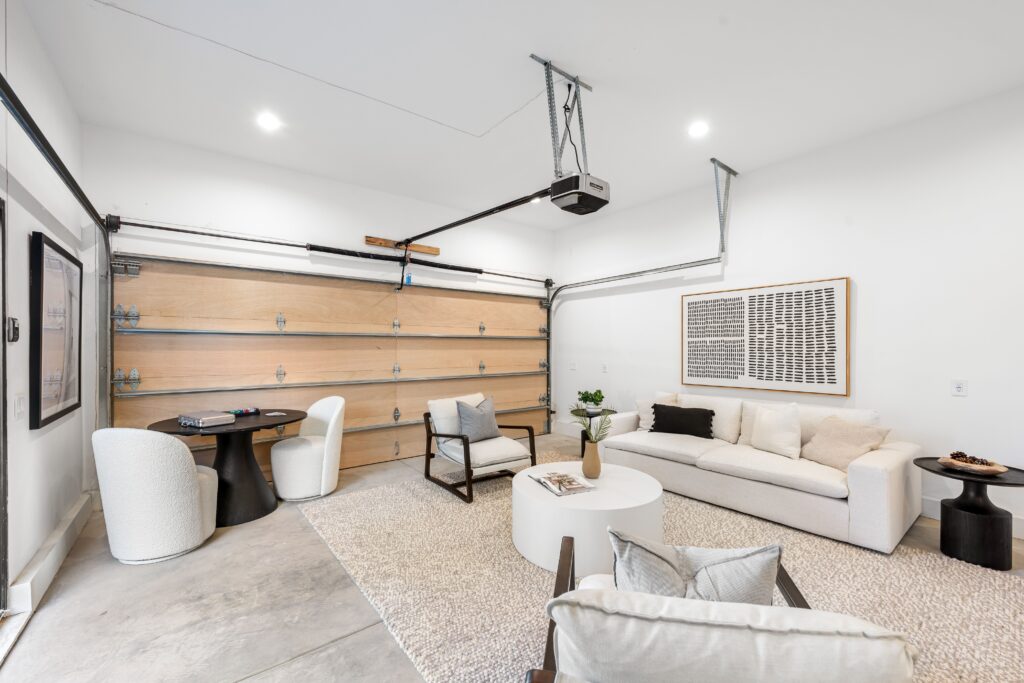
At its core, a garage conversion involves transforming an unfinished, utility-focused space into a livable room that meets residential building code requirements. That sounds straightforward, but the gap between a garage and a legal bedroom is significant. A proper conversion typically involves insulating the walls, ceiling, and floor; installing drywall; adding adequate heating and cooling; bringing in electrical circuits; and addressing ventilation. The garage door opening is usually enclosed with framing and often replaced with a wall, window, or standard door. Flooring goes over the concrete slab, sometimes with a subfloor layer first to manage moisture. Every element has to meet the code standards set by your local municipality, which can vary quite a bit depending on where you live.
Permits and Code Requirements You Cannot Skip
This is where a lot of homeowners stumble. Garage conversions almost always require a building permit, and skipping that step creates serious problems down the road — think issues with resale, insurance claims, and financing. A bedroom, by code definition, needs to meet minimum square footage requirements, have a certain ceiling height, include egress windows for emergency exits, and have its own heating source. Some jurisdictions also require the room to have a closet to be classified as a bedroom, though this varies. Pull the permit. Have the work inspected. It is not optional if you want the conversion to be legally recognized.

The Key Advantages of Converting Your Garage
When done correctly, a garage conversion offers some genuinely compelling benefits. It is one of the more cost-effective ways to add livable space to a home compared to a full addition, and the disruption to daily life tends to be lower since the space is already enclosed. Here is what homeowners tend to gain most from this type of project:
- Added square footage without the cost of building an entirely new structure
- Increased home value when the conversion is permitted and finished to a high standard
- Flexible use of space — bedroom today, rental unit or home office tomorrow
- Relatively faster project timeline compared to home additions
- Opportunity to improve energy efficiency in a space that was previously poorly insulated
Common Drawbacks to Consider Before You Commit
It is not all upside, and it is worth being honest about the challenges. Losing a garage means losing storage, vehicle protection, and in some markets, a feature that buyers expect to see. Depending on your neighborhood, a garage may even be required by your HOA or local zoning ordinance, which would make a full conversion impossible without a variance. Moisture is another common issue — concrete slabs can wick moisture upward, and without proper vapor barriers and flooring solutions, you can end up with a damp, uncomfortable room. Heating and cooling an attached garage that was never part of your home’s original HVAC design can also be tricky and expensive to do well. These are not reasons to walk away from the project necessarily, but they are reasons to plan carefully.
What the Conversion Will Cost You
Garage conversion costs vary widely depending on scope, region, and finish level. A basic conversion with standard finishes might run anywhere from ten thousand to twenty thousand dollars. A high-end finish with added plumbing, custom windows, or an attached bathroom can push costs to thirty thousand dollars or more. Labor typically makes up a significant portion of the total, especially for electrical and HVAC work. Getting at least three contractor quotes is a good starting point, and building in a contingency budget of ten to fifteen percent for surprises is always a smart move. Older homes in particular tend to reveal hidden issues once walls come down.
Systems and Appliances That Come Into Play
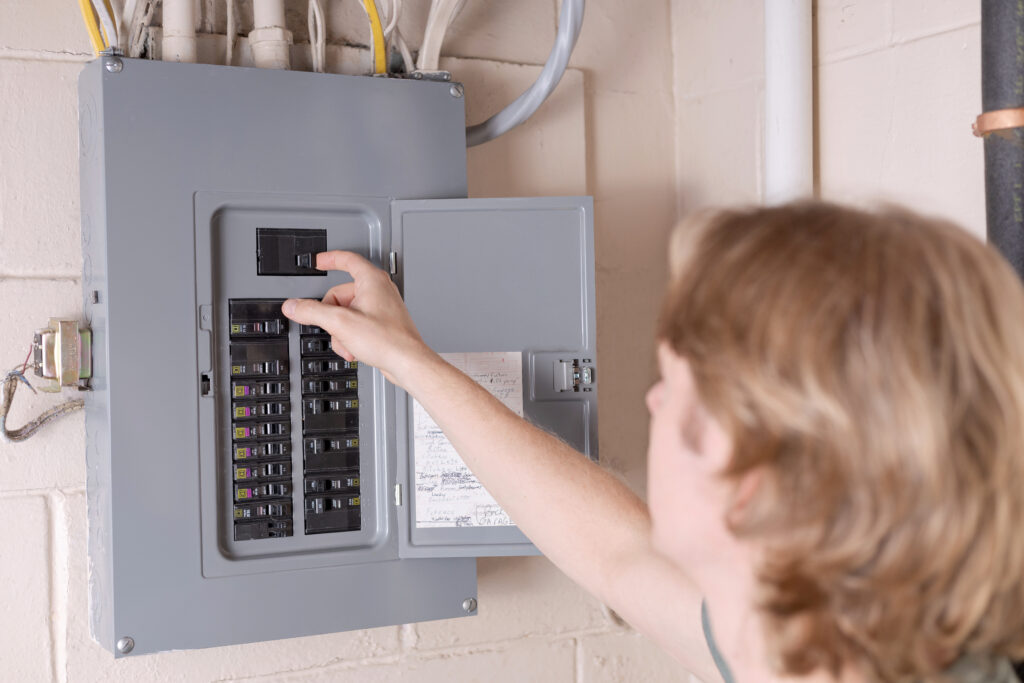
When you convert a garage, you are introducing that space to your home’s major systems in a real way for the first time. The HVAC system now needs to condition additional square footage. Electrical panels sometimes need upgrading to accommodate new circuits. If you are adding a bathroom, plumbing becomes part of the equation. These are not minor considerations. Each of these systems carries its own costs for installation and, importantly, for long-term maintenance and repair. A home warranty can be particularly relevant here because once those systems are integrated into your home, they are subject to the same wear and failure risks as everything else in the house.
Tips for a Smoother Garage Conversion Project
- Hire a contractor who has specifically done garage conversions and understands local code requirements
- Address moisture and insulation before anything else — these are foundational to the room’s livability
- Plan your electrical layout before drywall goes up to avoid costly changes later
- Check with your HOA and local zoning office early, before any money changes hands
- Consider the long view — design the space in a way that serves multiple potential uses over time
How Home Warranties Apply to Garage Conversions
Once your garage conversion is complete and the systems are up and running, those systems become part of your household infrastructure. The HVAC that now conditions your new bedroom, the electrical circuits feeding it, and any plumbing added during the project — these are all components that can fail over time. A home warranty is designed to help cover the cost of repair or replacement when covered systems and appliances break down due to normal wear and tear. For homeowners who have just invested significantly in a garage conversion, having that coverage in place is a logical next step. It turns an unpredictable expense into something far more manageable.
Why Armadillo Is the Right Home Warranty Partner for Your Converted Space
After putting real money and effort into converting your garage into a livable bedroom, protecting that investment just makes sense. Armadillo’s home warranty plans for whole-home system and appliance coverage are built for exactly this kind of situation — a home that has evolved, grown, and taken on new complexity over time. The systems you have now integrated into your home through this conversion deserve the same protection as everything else under your roof. Armadillo makes it simple to understand what is covered, what to expect when something breaks, and how to get help quickly. If you are ready to stop worrying about what a repair bill might look like after your garage bedroom conversion is complete, you can get a free home warranty quote for your newly converted bedroom and home systems in just a few minutes. No pressure, no confusing fine print — just clear coverage that works when you need it most.

Frequently Asked Questions About Garage-to-Bedroom Conversions
Do I need a permit to convert my garage into a bedroom?
Yes, in virtually every jurisdiction, converting a garage into a habitable bedroom requires a building permit. Skipping this step can cause problems when you sell the home, file an insurance claim, or seek financing.
Does a garage conversion add value to my home?
It can, but it depends on the market. In areas where square footage is at a premium, a permitted and well-finished garage conversion typically adds value. In markets where garages are highly desirable, the trade-off may be less favorable.
What makes a room legally qualify as a bedroom?
Most building codes require a bedroom to meet minimum square footage thresholds, have a certain ceiling height, include at least one egress window, and have a dedicated heating source. Some jurisdictions require a closet as well.
How long does a garage conversion typically take?
A straightforward garage conversion without plumbing usually takes between two and four weeks once permits are in hand and work begins. More complex projects with bathroom additions or significant structural changes can take longer.
Can I convert my garage into a bedroom if I have an HOA?
Not always. Some HOAs prohibit garage conversions or require that garages remain functional for vehicle storage. Check your HOA’s covenants, conditions, and restrictions before starting any planning.
Will my HVAC system handle the added square footage after a garage conversion?
It depends on the capacity of your existing system. An HVAC professional should assess whether your current system can adequately condition the new space or whether upgrades, additional zones, or supplemental heating and cooling are needed.
What is the biggest mistake homeowners make during a garage conversion?
Not addressing moisture control early enough. Concrete slabs can allow moisture to migrate upward, and without proper vapor barriers and flooring solutions, the converted space can become damp and uncomfortable over time.
Is a garage conversion covered by a home warranty?
The systems installed during a garage conversion — such as HVAC, electrical, and plumbing — can be covered by a home warranty once they are part of your home’s infrastructure, provided they meet the terms of your specific plan.
Can I add a bathroom to my garage conversion?
Yes, but it adds significant cost and complexity. Adding a bathroom requires plumbing rough-in work, additional permits, and may involve breaking through the concrete slab to reach existing drain lines.
How do I find a contractor qualified to do a garage conversion?
Look for licensed general contractors with documented experience in garage conversions specifically. Ask for references, verify licensing and insurance, and confirm they are familiar with your local permit and code requirements before hiring.