How to Cover a Window AC for Winter: Protecting Comfort and Efficiency
As temperatures fall and homeowners swap out window screens for storm windows, it’s easy to forget about one specific seasonal detail: your window air conditioner. Unlike central heating and cooling systems, a window unit supports seasonal cooling only. Which begs the question—what happens to it in winter? Covering your window AC during colder months isn’t just smart; it preserves performance, enhances energy efficiency, and protects your home. In this article, grounded in the home warranty space, we’ll explore how to properly cover a window AC for winter. Along the way, you’ll gain practical tools to preserve your appliance’s longevity while safeguarding your comfort.
Understanding How a Window AC Works
A window air conditioner operates using the familiar refrigeration cycle, pulling warm air from inside, passing it over cold coils, and blowing cooled air back inside. Meanwhile, heat and condensate are pushed out through the outer fan, or condenser, located outside the window. Most units are compact, combining the evaporator, compressor, and condenser into a single appliance that fits neatly into a window frame.
While optimal for single-room cooling during summer, these units aren’t built for year-round exposure to severe weather. Rain, snow, ice, and even persistent cold can stress seals, corrode coils, and lower performance over time. Leaving a unit uncovered through winter can compromise its operability come summer, especially if water infiltrates or debris accumulates in the mechanisms.
Why Covering Your Window AC Matters
The exterior portion of your AC faces the brunt of winter’s unpredictability. Without protection, grit, moisture, rust, and even pests can find their way into the machine. When internal components sit inactive through months of snow and freezing temperatures, deterioration accelerates. In some cases, coverings can even provide better insulation around the window frame, helping you maintain indoor warmth and energy savings.
Additionally, if your home warranty terms require proper maintenance of installed appliances, neglecting seasonal preparation like AC coverage could complicate future claims. Proactive homeownership isn’t just about fixing problems—it’s about avoiding them altogether.
When and How to Cover a Window AC
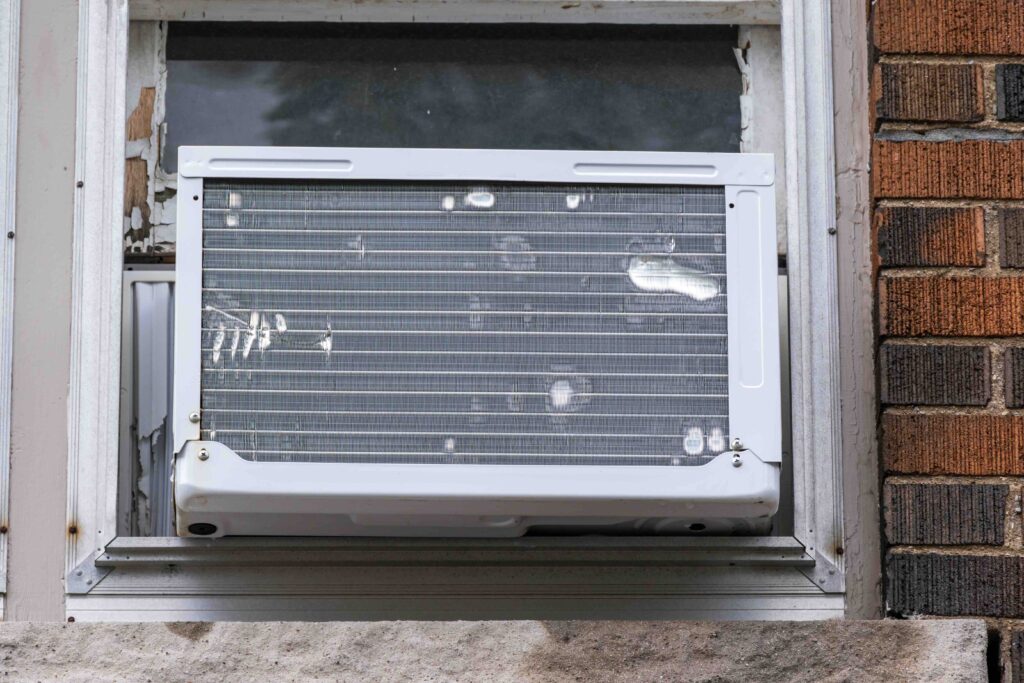
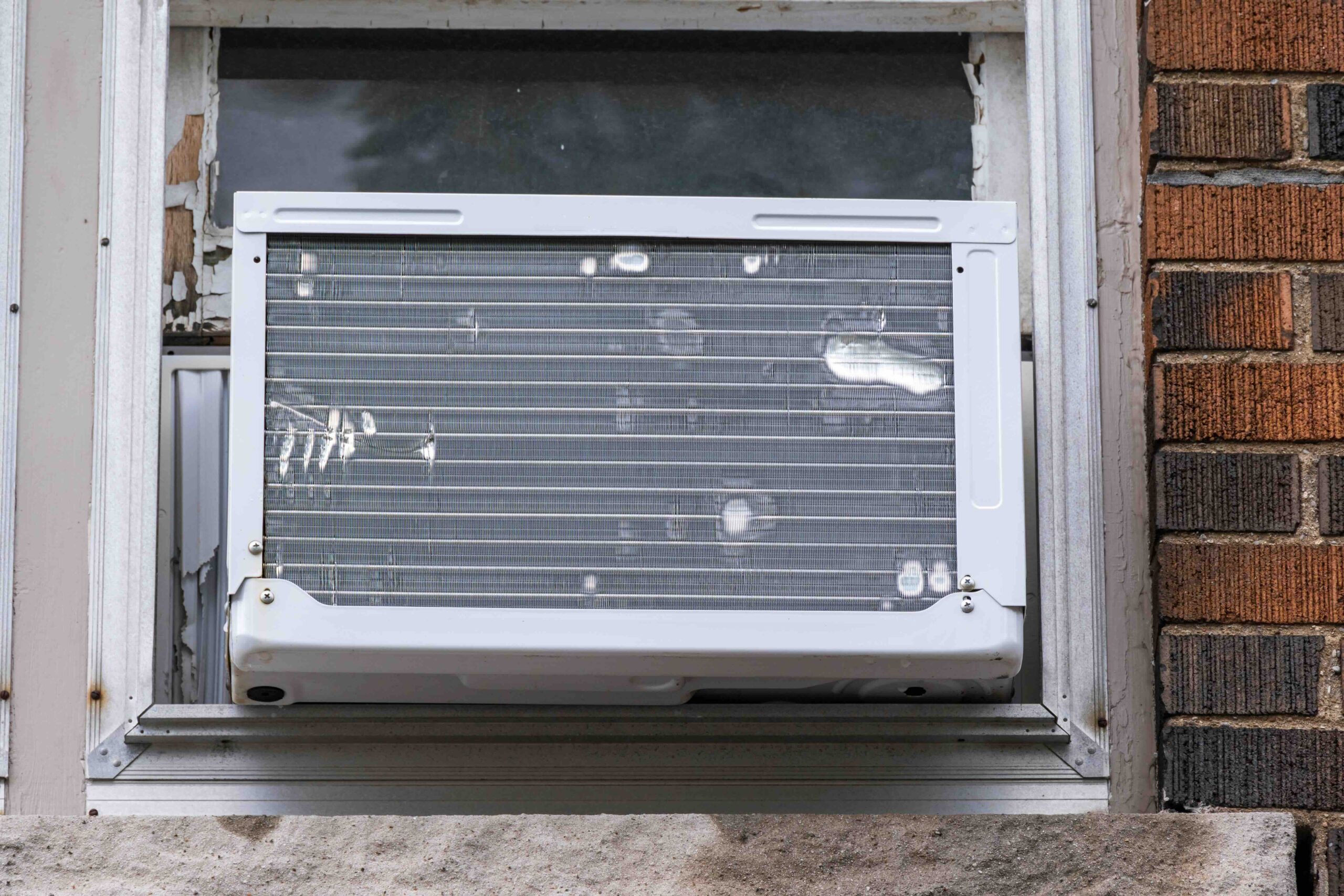
The ideal time to cover your window unit is in late fall, before your area experiences repeated freezing temperatures. Ensure the unit is shut off, unplugged, and completely dry. Clean dust from the external fins, remove leaves or debris around the unit, and inspect for any visible damage or leaks. Once prepped, you can install an insulating cover made for window AC units, usually available at home improvement or hardware stores.
Look for a cover made from waterproof material with added insulation. It should shield the external housing from snow and sleet without trapping moisture underneath. Wrap-around covers or models with adjustable straps provide the most secure fit, emphasizing seal integrity while avoiding damage to the exterior coils. If your unit lacks a mounting bracket or overhang, you may consider installing an additional plywood shield or small awning above to divert rainfall or melting ice.
Types of Covers and What to Avoid
Not all covers perform equally. Some homeowners reach for plastic sheeting or tarps, assuming they’ll get the job done affordably. While these might seem sufficient, they often create condensation underneath, leading to mold, mildew, or rust. Fabric covers made specifically for window air conditioners offer breathability, water resistance, and insulation without damaging the unit or impeding airflow during warming spells.
If you remove the unit during winter, which is often recommended in particularly harsh climates, store it upright in a dry location and seal its vent openings with foam to block pests and dust. When storing or covering, never fully enclose the unit in unventilated plastic. Trapped moisture can ruin the coils and motorized systems faster than you think.
Common Window AC Winter Mistakes
Several missteps can derail the best of intentions. One is assuming your window AC doesn’t need attention because it’s not being used. In fact, this dormant period is exactly when exposure becomes damaging. Another frequent issue involves leaving gaps in coverage or failing to insulate the window frame around the unit, which can create drafts, elevate heating costs, and compromise interior comfort.
Additionally, failing to inspect the unit in spring before restarting it can result in operational issues or unnoticed long-term damage. Covering should always be paired with pre-season cleaning and end-of-season inspection. Even a high-quality cover won’t protect forever if underlying maintenance is skipped.
What Covering Means for Home Energy Efficiency
Covering your window air conditioner isn’t just about preserving an appliance—it’s also about preserving the energy performance of your home as a whole. A window unit left uninsulated becomes a direct line of heat loss. Warm interior air escapes through poorly sealed gaps or an uncovered exterior face. In cold climates, energy costs can climb rapidly, meaning that small oversight can result in sizable energy bills.
Moreover, if your home has multiple window units, each uncovered opening multiplies inefficiency. Strategic winterization like covering ACs, sealing attic gaps, and insulating ductwork could cut your heating losses substantially. Think of it as a retention strategy, one that supports both your HVAC systems and your wallet.
How Home Warranties Factor In
Within the home warranty industry, proper usage and maintenance matter. While a warranty often does cover built-in systems and appliances from normal wear and tear, failures resulting from neglect might not qualify. Covering your window AC acts as a form of seasonal care that aligns with typical home maintenance expectations. It signals that you’re not only protecting the equipment—you’re actively limiting the risk of failure.
If your window AC is installed as a permanent fixture tied into your electrical system or mounted year-round, it may qualify under specific plan types. In this case, making sure your preventive steps—such as winter coverage—are documented goes a long way toward simplifying future claim support. Maintenance awareness today can keep your system claim-ready tomorrow.
Protect More Than Your AC This Winter
Maintaining your window AC between seasons is just one part of a bigger picture: preserving the comfort and performance of your entire home. A home warranty from Armadillo supports that effort by covering the systems and appliances you rely on—window units included, when qualified—backed by hassle-free claims, digital tools, and guided expertise. If you’re already thinking about insulation, protection, and preservation for winter, there’s no better time to look into coverage that gives you confidence regardless of the season.
Visit Armadillo’s homepage to learn more or get started with your customized home warranty plan here. Don’t just winterize your home—bulletproof it with protection that lasts well beyond the cold.