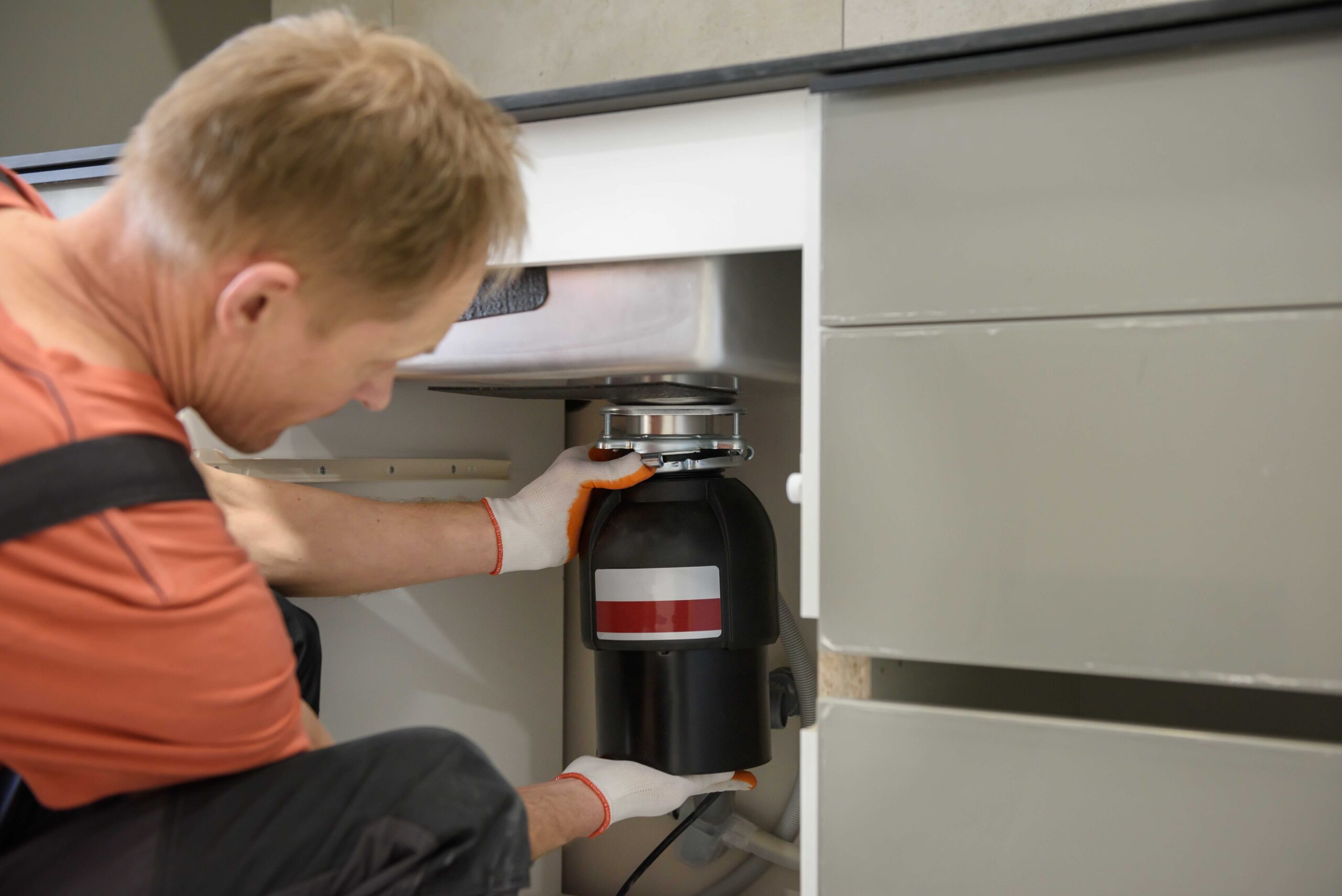
What Is a Garbage Disposal and Why Does It Start to Smell?
If you have ever walked into your kitchen and noticed an unpleasant odor drifting up from the sink, there is a good chance your garbage disposal is the source. Garbage disposals are one of those kitchen appliances that most homeowners rely on daily without giving much thought to until something goes wrong. They grind up food waste into small particles that can safely travel through your plumbing system, making kitchen cleanup faster and reducing the amount of organic material sent to landfills. But here is the part that tends to catch people off guard: the same unit that breaks down food waste can become a breeding ground for bacteria, mold, and buildup over time. That buildup is exactly what causes the smell. Understanding why it happens and how to address it is the first step toward a fresher, cleaner kitchen environment.
How a Garbage Disposal Actually Works
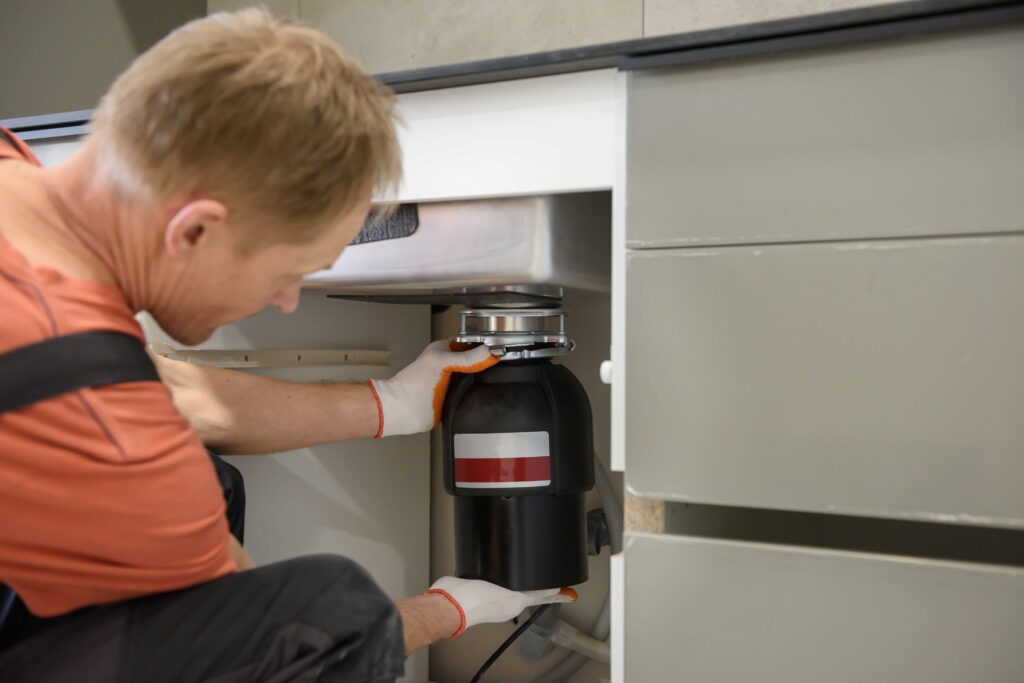
A garbage disposal is installed beneath your kitchen sink, connected to the drain opening. When you turn it on, an electric motor spins a rotating plate called an impeller. That plate forces food waste against a stationary grind ring, which breaks the material into fine particles. Water then flushes those particles down through your drain line and into the sewer system. The mechanism is relatively straightforward, which is part of why disposals are so durable. Most units last anywhere from eight to fifteen years with reasonable care. However, the interior of the disposal, particularly the underside of the rubber splash guard and the grinding chamber walls, is consistently exposed to food residue, grease, and moisture. That combination creates ideal conditions for bacterial growth, which is what produces the sour or rotten odor that becomes noticeable over time.
Common Causes of Garbage Disposal Odors
Not all disposal odors come from the same source, which is worth knowing before you start trying to fix the problem. The most frequent culprits include the following:
- Food particles trapped beneath the rubber splash guard, which is the black flap that sits in the drain opening
- Grease or oil buildup along the grinding chamber walls
- Protein-based food waste like meat or fish that decomposes quickly inside the unit
- Standing water inside the disposal that promotes mold growth between uses
- Buildup along the drain line just past the disposal outlet
Each of these issues has a slightly different solution, but the good news is that most of them can be addressed with items you already have at home.
How to Deodorize Your Garbage Disposal Effectively
Deodorizing a garbage disposal does not require specialty products or professional service in most cases. Start with the splash guard, since it tends to accumulate the most residue and is often overlooked. With the disposal turned off and unplugged or switched off at the breaker, lift the splash guard flaps and scrub both the top and underside with a small brush and dish soap. That single step alone eliminates a significant portion of odor-causing buildup. From there, running cold water and dropping in a few ice cubes along with a handful of rock salt helps scrub the interior grinding surfaces. The ice hardens any grease so it breaks off more easily, while the salt provides mild abrasion. Following that up with citrus peels, particularly lemon or orange, introduces natural oils that neutralize bacterial odors and leave behind a clean scent. Another reliable method involves pouring a half cup of baking soda into the disposal, followed by a cup of white vinegar. Let that mixture sit and fizz for a few minutes before rinsing with hot water. This combination breaks down organic residue and neutralizes odors at the source rather than masking them.

Preventive Habits That Keep Odors From Returning
Deodorizing is most effective when it is paired with a few consistent habits that prevent buildup from accumulating in the first place. Always run cold water for at least fifteen to twenty seconds before and after using the disposal. Cold water is preferred over hot because it keeps grease in solid form so it can be ground up and flushed out rather than coating the interior walls. Avoid putting fibrous foods like celery or artichoke leaves down the disposal, along with starchy foods such as pasta, rice, and potato peels. These materials do not break down efficiently and tend to accumulate as sludge. Fats, oils, and grease should never go down the disposal regardless of whether water is running. They may seem liquid in the moment, but they solidify as they cool and cling to the drain line walls. A quick monthly cleaning routine using the baking soda and vinegar method, followed by citrus peels, is enough to keep most disposals smelling fresh year-round.
Key Advantages of Maintaining a Clean Garbage Disposal
Regular cleaning and deodorizing offer benefits that extend beyond just eliminating bad smells. A well-maintained disposal runs more efficiently and is less likely to develop clogs, which means you are also protecting your drain lines from costly blockages. Bacterial buildup that goes unchecked can eventually affect the air quality in your kitchen, particularly in warmer months when odors intensify more quickly. Clean disposals also tend to last longer because residue buildup can create excess friction on the motor and grinding components over time. From a home maintenance perspective, treating the disposal as a system worth caring for, rather than an afterthought, is one of the more straightforward ways to protect a kitchen appliance that sees daily use.
Common Drawbacks and Limitations to Be Aware Of
Even with diligent maintenance, garbage disposals come with limitations. They are not designed to handle all food waste, and homeowners who use them indiscriminately tend to face more frequent issues. Hard materials like bones, fruit pits, and shellfish shells can damage the impeller over time. Coffee grounds are a commonly debated topic, and while they will not damage the unit, they tend to accumulate in the drain line and contribute to buildup. Disposals also require a functioning electrical connection and are sensitive to water flow, meaning a disruption to either can affect performance. If a disposal is older than ten years and is consistently producing odors even after thorough cleaning, that may be an indicator that internal components have worn down to the point where bacteria are embedding more deeply into the unit. At that stage, replacement becomes the more practical choice.
When to Call a Professional vs. Handle It Yourself
Most odor-related issues with garbage disposals fall squarely within the homeowner’s ability to address. Cleaning, deodorizing, and adjusting usage habits do not require professional assistance. However, there are situations that warrant a closer look from a qualified technician. If the disposal is making unusual grinding or humming noises, leaking from the bottom or sides, failing to power on, or if the odor persists after multiple thorough cleanings, those are signs that something mechanical may be failing. A licensed plumber or appliance technician can diagnose motor issues, seal failures, and internal component wear in a fraction of the time it would take to troubleshoot independently. Catching a mechanical issue early is almost always less expensive than waiting until the unit fails completely.
Does a Home Warranty Cover Your Garbage Disposal?
Here is where home warranty coverage becomes genuinely relevant to this conversation. Garbage disposals are often included in home warranty plans as part of standard appliance coverage, meaning that if your unit breaks down due to normal wear and tear, the cost of repair or replacement may be covered. That is a meaningful benefit given that a new garbage disposal can cost anywhere from one hundred to five hundred dollars depending on the model, plus installation. Many homeowners do not realize their disposal is covered until they are already facing an unexpected expense. Reviewing your home warranty plan to confirm what is included, and what conditions apply, is a simple step that could save you money the next time a covered appliance stops working.

Why Armadillo Is the Right Home Warranty Partner for Kitchen Appliance Protection
When a garbage disposal or any other kitchen appliance starts failing, the last thing you want to deal with is a complicated claims process or a warranty provider that is difficult to reach. That is where Armadillo stands apart. Armadillo offers straightforward home warranty plans designed to protect the systems and appliances homeowners rely on most, without the confusing exclusions or surprise fees that tend to define less transparent providers. If you are looking for a home warranty plan that covers kitchen appliances like garbage disposals, Armadillo makes it simple to understand exactly what you are getting before you commit to anything. The coverage is honest, the service is responsive, and the process is built around making your life easier, not more complicated. Whether your disposal is brand new or starting to show its age, having the right protection in place matters. Take a few minutes to get a free home warranty quote for garbage disposal and appliance coverage and find out exactly how affordable that peace of mind can be.
Frequently Asked Questions About Deodorizing Your Garbage Disposal
How often should I clean and deodorize my garbage disposal?
A thorough cleaning once a month is sufficient for most households. If you use the disposal frequently or process a lot of protein-based food waste, cleaning every two to three weeks will help prevent odor buildup more effectively.
Is it safe to put ice cubes in my garbage disposal?
Yes, ice cubes are safe and actually beneficial. They help scrub the interior surfaces of the grinding chamber and can dislodge grease or food residue that has adhered to the walls. Running ice with a small amount of rock salt enhances the cleaning effect.
Why does my garbage disposal smell even after cleaning it?
If the odor persists after a thorough cleaning, the underside of the rubber splash guard is likely still harboring bacteria. That area is easy to miss. Removing and scrubbing it manually is often the step that resolves stubborn smells. Persistent odors in older units may also indicate internal wear.
Can I use bleach to clean my garbage disposal?
Bleach is not recommended for routine disposal cleaning. It can damage the rubber components over time and may harm the drain line if used in large quantities. Baking soda, white vinegar, and dish soap are safer and equally effective alternatives.
What foods should I never put in a garbage disposal?
Avoid putting grease, oil, fibrous vegetables, starchy foods, hard items like bones or fruit pits, and large quantities of any single food item into the disposal. These materials either damage the unit, clog the drain line, or create the type of residue that leads to odor problems.
Does running hot water help clean the disposal?
Hot water is not ideal during operation because it can melt grease and allow it to coat the drain line walls rather than flushing out. Cold water is preferred while the disposal is running. Hot water can be used afterward in combination with baking soda and vinegar during a cleaning cycle.
How long does a garbage disposal typically last?
Most garbage disposals last between eight and fifteen years depending on the quality of the unit, frequency of use, and how well they are maintained. Units that are regularly cleaned and used within their intended capacity tend to reach the higher end of that range.
Is a garbage disposal covered under a standard home warranty plan?
Many home warranty plans include garbage disposals as part of appliance coverage, though specific terms vary by provider. It is worth reviewing your plan documents or contacting your provider directly to confirm whether your unit is covered and under what conditions.
What is the best natural deodorizer for a garbage disposal?
Citrus peels, particularly lemon or orange, are among the most effective natural deodorizers. The natural oils in the peel neutralize bacterial odors and leave a clean scent behind. Combined with baking soda and white vinegar, citrus peels form one of the most thorough natural cleaning combinations available.
When should I replace my garbage disposal instead of continuing to clean it?
If your disposal is more than ten years old, produces persistent odors despite regular cleaning, makes unusual mechanical sounds, leaks, or fails to start reliably, replacement is likely the more cost-effective decision. Continuing to repair an aging unit often costs more over time than installing a new one.