Why Shoe Disinfection Matters More Than You Think
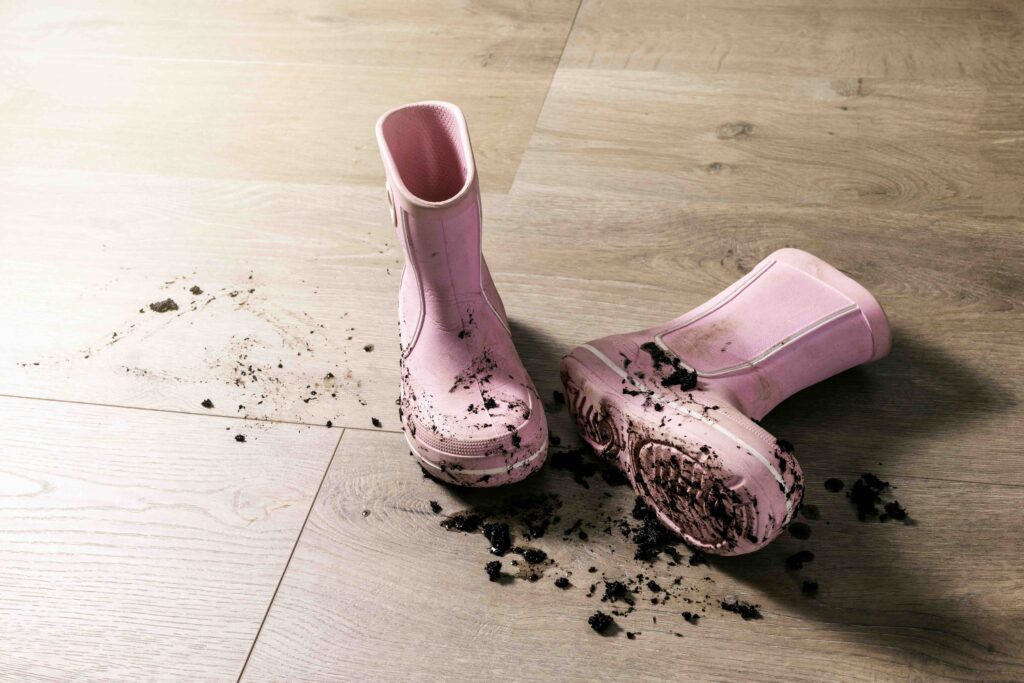
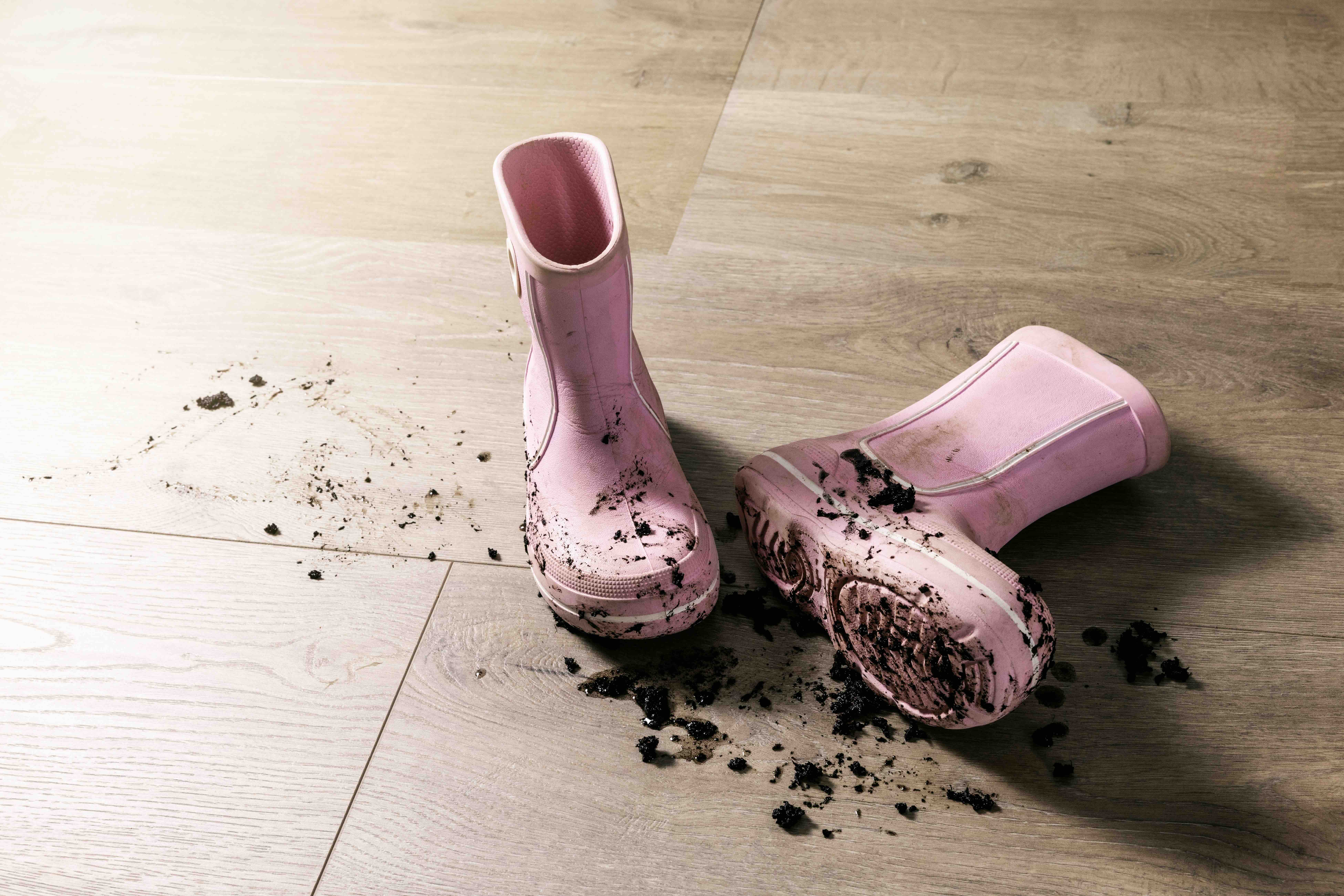
Most homeowners spend a fair amount of time thinking about indoor air quality, carpet cleanliness, and surface sanitation. Shoes, though, tend to fly under the radar. That is a problem. Your shoes travel across parking lots, public restrooms, grocery store floors, and sidewalks before landing directly on your home’s flooring. Studies have shown that the average shoe sole carries hundreds of thousands of bacteria, including strains linked to stomach illness and respiratory infection. The moment those shoes cross your threshold, that contamination transfers. Disinfecting your shoes is not an obsessive habit — it is a practical, protective one, and doing it correctly makes a genuine difference in the cleanliness of your home environment.
Understanding What You Are Actually Dealing With
Before diving into methods, it helps to understand the scope of what can live on the bottom of a shoe. Pathogens like E. coli, Staphylococcus, and even Clostridium difficile have been detected on footwear in controlled research environments. Beyond bacteria, shoes can carry mold spores, allergens, pesticide residue, and trace amounts of heavy metals picked up from outdoor surfaces. None of that belongs inside your home, especially if you have young children who crawl or play on the floor. The good news is that targeted disinfection methods can dramatically reduce this transfer — and most of them require nothing more than products you likely already own.
The Most Effective Methods for Disinfecting Shoes
There is no single universal method that works perfectly across every shoe type, so matching the approach to the material matters. Here are the most reliable options homeowners rely on:
- Disinfectant sprays containing at least 70 percent isopropyl alcohol are highly effective on rubber, synthetic, and hard-soled shoes. Spray the sole thoroughly, let it sit for at least 30 seconds, then wipe clean.
- UV shoe sanitizers use ultraviolet light to destroy the DNA of bacteria and fungi. These are particularly useful for the shoe interior and for athletic footwear that cannot be easily wiped down.
- Diluted bleach solution (one tablespoon per quart of water) can be applied to rubber and synthetic soles with a cloth or old toothbrush, then rinsed. Avoid using this on leather or colored fabric uppers.
- Washing machines work well for canvas, fabric, and athletic sneakers. Use hot water when the material allows, and add a disinfecting laundry additive to the cycle.
- Disinfecting wipes offer a fast, low-effort option for rubber and smooth-soled shoes and are ideal for a quick clean before entering the home.
How Often Should You Disinfect Your Shoes
Frequency depends on where the shoes have been and how often they are worn. Daily-use shoes worn in public spaces should be disinfected at least once or twice per week. Shoes worn in healthcare settings, gyms, or construction sites warrant daily attention. Shoes used exclusively indoors or in low-traffic areas can be addressed on a monthly basis. The most important habit to build is a simple one: remove shoes at the door. Creating a dedicated entryway zone prevents the bulk of outdoor contamination from entering your living space in the first place, and it significantly reduces the cleaning burden overall.

Disinfecting the Inside of Shoes
The exterior sole gets most of the attention, but the interior of a shoe is a warm, dark, moisture-rich environment — essentially ideal conditions for bacterial and fungal growth. Foot odor is often a direct symptom of microbial activity inside the shoe. UV sanitizing devices insert directly into the shoe and deliver a concentrated dose of germicidal light that penetrates fabric lining. Antibacterial sprays formulated for shoe interiors are another strong option. These products typically contain ingredients like tea tree oil, benzalkonium chloride, or alcohol, and they work by breaking down the cell walls of bacteria and neutralizing odor-causing microbes. Allow shoes to dry completely between wears — moisture is the real accelerant here, and a well-ventilated shoe storage area makes a tangible difference.
Material-Specific Considerations You Should Know
Not all shoes respond the same way to disinfection methods, and using the wrong product can permanently damage the material. Leather shoes should never be soaked or treated with bleach. Instead, use a leather-safe antibacterial spray or a diluted alcohol solution applied sparingly with a soft cloth. Suede is even more delicate — UV sanitizers or cedar shoe inserts with natural antimicrobial properties are the safest route. Canvas and mesh shoes generally handle machine washing well. Rubber-soled athletic shoes are among the easiest to disinfect and tolerate most spray-based products without issue. Always test any new product on a small, inconspicuous area before treating the entire shoe, especially with dyed or specialty materials.
The Connection Between Shoe Hygiene and Home Flooring Health
Your floors absorb a surprising amount of what your shoes carry in. Hardwood floors can harbor contaminants in grain seams. Carpet is particularly effective at trapping bacteria and allergens deep within its fibers — far below what routine vacuuming reaches. Tile and grout lines are another common collection point. Maintaining a shoe disinfection routine directly extends the life and cleanliness of your flooring, and it reduces the frequency with which deep cleaning or professional treatments are needed. For homeowners who have invested significantly in flooring, this is not a trivial point. The relationship between what enters your home on shoe soles and the long-term condition of your interior surfaces is direct and measurable.
Practical Tips for Building a Consistent Routine
Building a habit is the real challenge — most people understand the why but struggle with the how. Placing a disinfecting mat at the front and back entry points of your home creates a passive first line of defense. These mats, when kept moist with a diluted disinfectant solution, reduce sole contamination with every step. Keeping a small spray bottle of isopropyl alcohol near the entryway makes quick disinfection automatic rather than effortful. Designating a shoe storage bench with a dedicated cleaning kit underneath it reinforces the habit. For households with children, involving them early in the routine sets lifelong hygiene expectations and prevents the inconsistency that often undermines well-intentioned cleaning habits.
Common Mistakes Homeowners Make When Disinfecting Shoes
A few missteps tend to come up repeatedly. Using disinfectant wipes and immediately putting the shoe away defeats the purpose — disinfectants need dwell time, typically 30 to 60 seconds of contact to be effective. Skipping the interior entirely is another gap. And over-relying on a single method without considering material compatibility can damage shoes and leave contamination behind in ways that are not immediately visible. Some homeowners also assume that simply airing shoes out is sufficient — it reduces moisture but does not kill bacteria. Effective disinfection requires an active agent, whether chemical, thermal, or UV-based, not just passive exposure to air.
How Armadillo Home Warranty Supports the Bigger Picture of Home Protection
Maintaining a clean, healthy home goes well beyond surface-level hygiene. The systems and appliances that keep your home running — your HVAC, which filters the air that carries those tracked-in allergens, your washer that disinfects fabric shoes, your flooring systems that take the daily hit — all need protection of their own. That is where Armadillo home warranty coverage for essential home systems and appliances becomes genuinely relevant. When a covered system breaks down, Armadillo steps in to handle the repair or replacement, so you are not absorbing unexpected costs that derail your household budget. If protecting your home from the ground up sounds like the right move, you can get a free home warranty quote tailored to your home’s systems and appliances in just a few minutes. Taking care of the details — whether it is what comes in on your shoes or what keeps your home functioning — is what responsible homeownership looks like.
Frequently Asked Questions About Shoe Disinfection at Home
Homeowners regularly have questions about the best way to keep shoes clean and their homes protected. Here are the most common ones, answered directly.
What is the best product to disinfect the bottom of shoes?
Isopropyl alcohol at 70 percent concentration or higher is one of the most effective and accessible options for disinfecting shoe soles. Apply it with a cloth or spray bottle, allow it to sit for at least 30 seconds, and then wipe away residue. Disinfecting wipes with similar alcohol content also work well for quick applications.
Can I put my shoes in the washing machine to disinfect them?
Yes, for canvas, fabric, and most athletic sneakers, a washing machine cycle in hot water with a disinfecting laundry additive is an effective method. Remove laces and insoles beforehand and wash those separately. Avoid this method for leather, suede, or shoes with delicate construction.
Do UV shoe sanitizers actually work?
Yes. UV-C light has been well-documented as effective at destroying the DNA of bacteria and fungi, rendering them unable to reproduce. UV shoe sanitizers designed for home use can significantly reduce microbial presence inside shoes, particularly useful for athletic footwear worn regularly.
How do I disinfect leather shoes without damaging them?
Use a leather-compatible antibacterial spray or apply a small amount of diluted isopropyl alcohol with a soft cloth. Avoid saturating the leather, and follow up with a leather conditioner to restore moisture and prevent cracking. Never use bleach or harsh chemical cleaners on leather.
Is a shoe disinfecting mat worth having at the front door?
A disinfecting mat kept saturated with a diluted disinfectant solution — typically a bleach or quaternary ammonium compound mix — provides a passive first defense that reduces sole contamination with every entry. It is not a replacement for direct disinfection but meaningfully reduces the load of pathogens entering the home.
How long does it take for a disinfectant to actually kill bacteria on shoes?
Most disinfectants require a contact or dwell time of 30 seconds to 2 minutes to be effective. Simply wiping a surface and immediately removing the product reduces efficacy significantly. Apply, allow the required dwell time to pass, then wipe or allow to air dry.
What is the safest way to disinfect children’s shoes?
For children’s shoes, particularly those worn by toddlers who may mouth objects that touch the floor, machine washing in hot water is ideal for fabric styles. For non-washable materials, use a diluted alcohol spray on the exterior sole only and allow to dry fully before the child wears them again. Avoid chlorine bleach products near shoes children handle frequently.
Can disinfecting shoes help reduce allergens inside the home?
Yes. Shoes carry pollen, mold spores, and other outdoor allergens indoors. Regular sole disinfection and establishing a no-shoes-indoors policy can measurably reduce the allergen load on floors and in carpets, which in turn supports better indoor air quality — especially important for households with allergy sufferers or asthma.
Does air drying shoes count as disinfection?
No. Air drying reduces moisture, which slows microbial growth, but it does not kill existing bacteria or fungi. Effective disinfection requires an active agent such as an alcohol-based spray, UV light exposure, or a disinfecting wash cycle. Drying is an important complementary step, not a substitute.
How does shoe disinfection relate to overall home cleanliness?
Shoes are among the primary vehicles through which outdoor bacteria, fungi, allergens, and chemical residues enter the home. A consistent shoe disinfection routine directly reduces contamination on floors and carpets, extends the cleanliness of interior surfaces between deep cleans, and contributes to a healthier indoor environment overall.