When Your Washing Machine Breaks Down: What You Need to Know Before Water Goes Everywhere
A broken washing machine is one of those home problems that sounds manageable until you are standing in a laundry room with water pooling around your feet and no clear plan. Whether the machine stopped mid-cycle, the drain pump failed, or the appliance simply gave out after years of use, there is usually a significant amount of water left sitting inside the drum that needs to go somewhere. Knowing how to drain a broken washing machine safely and efficiently can save you from water damage, mold, and a lot of unnecessary stress. This guide walks you through the full process, explains what causes these situations, and helps you understand how a home warranty can protect you from the costs involved.
Why Washing Machines Break Down Mid-Cycle
Washing machines are complex appliances. They combine electrical components, mechanical parts, and plumbing in a single unit that runs multiple cycles per week for years at a time. When something goes wrong, it often happens during a wash or rinse cycle, which means water is actively inside the drum. Common culprits include a failed drain pump, a clogged drain hose, a worn lid switch, a broken motor, or control board malfunctions. In front-loading machines, door latch failures are also a frequent trigger. The result is the same regardless of cause: water trapped in the machine with no way out until you intervene manually. Understanding the failure point helps you decide whether this is a DIY fix or a job for a professional technician.
Safety First: What to Do Before You Start Draining
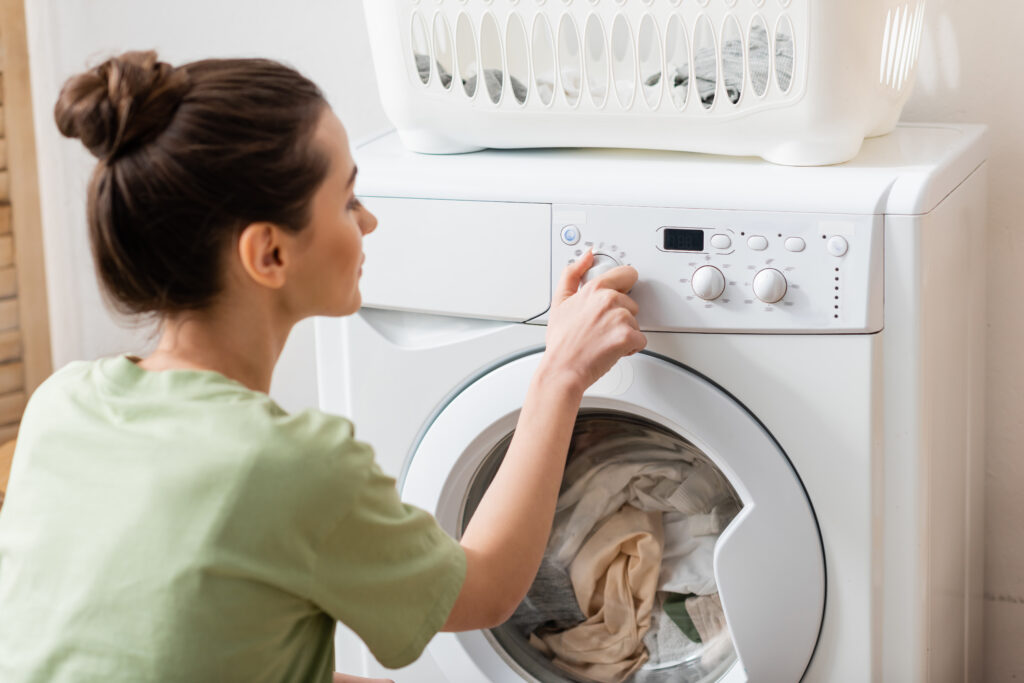
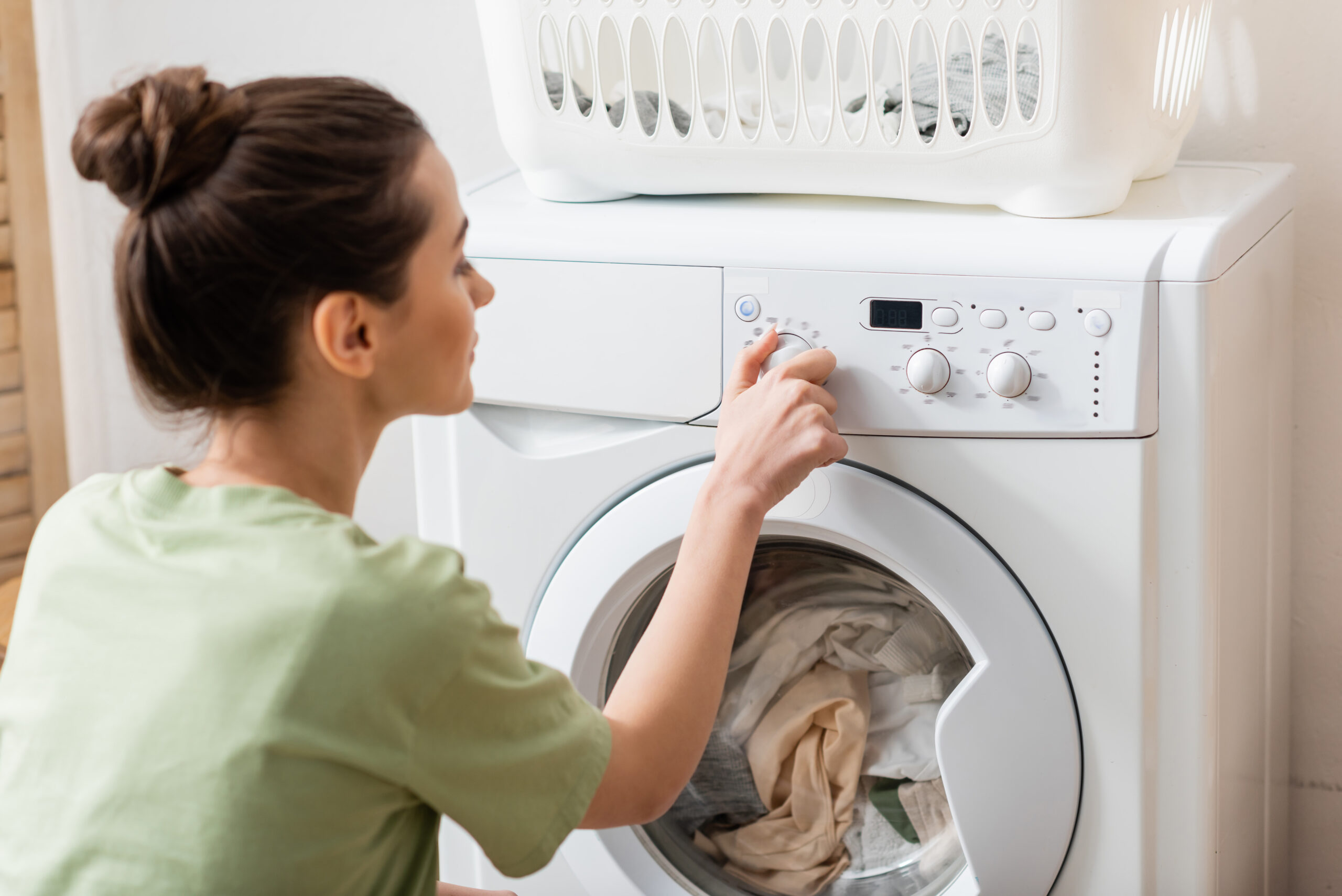
Before touching anything, disconnect the washing machine from its power source. This is not optional. You are working around water and electricity, and that combination demands respect. Unplug the machine directly from the wall outlet. If the plug is inaccessible, go to your breaker panel and shut off the circuit. Once the power is off, turn off the water supply valves behind the machine. These are typically two valves, one for hot and one for cold. Now you are working with standing water only, with no risk of more water entering the system or electrical hazards from an active circuit. Gather a few supplies before you begin: a shallow bucket or large basin, old towels, a wet/dry vacuum if you have one, and a pair of rubber gloves.

How to Drain a Broken Washing Machine Step by Step
The method you use depends on the type of machine you have and where the failure occurred. Here is a general process that works for most top-loading and front-loading models.
- Locate the drain hose at the back of the machine. It typically connects to a standpipe or utility sink. Carefully lower this hose below the water level inside the drum and direct it into your bucket, allowing gravity to pull the water out.
- For front-loading machines, check for a small access panel at the bottom front of the unit. Behind it, you will usually find a drain filter and a small drain hose. Open the small hose slowly and let water drain into your shallow container, emptying as needed.
- If neither method is producing results, use a wet/dry vacuum inserted directly into the drum to remove water manually. This takes longer but works reliably.
- Once the drum is empty, remove the drain filter if accessible and clean out any lint, debris, or foreign objects that may have contributed to the blockage.
What to Do After the Water Is Out
Once the machine is drained, dry the interior of the drum thoroughly with old towels. Leave the door or lid open to allow airflow and prevent mildew from developing inside the drum. Inspect the drain hose for kinks, cracks, or clogs. Check the filter for debris. At this point, you have a clearer picture of whether the issue is a simple blockage you cleared yourself or a deeper mechanical failure that requires a repair technician. Document any visible damage with photos before moving forward with repairs or filing a claim, especially if you have a home warranty in place.
Common Mistakes Homeowners Make During This Process
Rushing through the draining process without cutting power is the most dangerous mistake, and it happens more often than it should. Beyond that, a few other errors are worth knowing in advance. Tilting the machine to access the drain filter can cause internal components to shift or worsen existing damage. Forcing the drain hose when it is stuck can crack the connection point and create a leak that did not exist before. Using a regular household vacuum instead of a wet/dry model is another issue, as standard vacuums are not designed to handle liquid and can be permanently damaged. Taking a methodical approach from the start protects both you and the appliance.
When to Call a Repair Technician
Draining the machine manually is a temporary measure. It addresses the symptom, not the cause. If the drain pump has failed, the control board is malfunctioning, or the motor has seized, those are repairs that require a professional with the right diagnostic tools and replacement parts. Signs that you need a technician include unusual noise before the failure, error codes on digital displays, the machine not responding to any commands, or visible burn marks near the control panel. Do not attempt to open sealed electrical components yourself. The cost of a professional repair can range from a modest service fee to several hundred dollars depending on the part involved, which is where home warranty coverage becomes genuinely valuable.
How to Prevent This From Happening Again
Preventive maintenance goes a long way with washing machines. Cleaning the drain filter every one to three months removes the buildup that causes most drain-related failures. Running a cleaning cycle monthly with a washing machine cleaner tablet keeps the drum, hoses, and pump free of residue. Avoid overloading the machine, as excess weight strains the motor and drum bearings over time. Check the hoses annually for signs of wear, cracking, or bulging, and replace them every five years as a standard practice. These are small habits that extend the life of an appliance that most households depend on multiple times per week.
How a Home Warranty Covers Washing Machine Repairs
A home warranty is a service contract that covers the repair or replacement of major home systems and appliances when they break down due to normal wear and use. Washing machines are typically included in appliance coverage plans. When your machine fails, you contact your warranty provider, pay a service fee, and a pre-screened technician is dispatched to diagnose and repair the issue. This eliminates the uncertainty of finding a reliable repair person and limits your out-of-pocket expense significantly. Coverage usually extends to mechanical and electrical failures of covered components, including the motor, pump, and control board. Exclusions vary by provider, so reading the terms carefully is always the right move.
Why Armadillo Is the Right Home Warranty Partner for Appliance Coverage
When a washing machine breaks down unexpectedly, the last thing a homeowner needs is confusion about who to call and how much it will cost. That is exactly the problem a well-designed home warranty solves, and it is what Armadillo’s home appliance protection plans are built around. Armadillo offers straightforward coverage with transparent terms, no surprise exclusions buried in fine print, and a simple claims process designed to get your appliances working again without unnecessary friction. If your washing machine drains its last cycle and a technician determines the pump or motor has failed, Armadillo is there to handle the repair cost. For homeowners who want real protection against the kind of appliance breakdowns that disrupt daily life, you can get a free home warranty quote for washing machine and appliance coverage in just a few minutes. It is a practical decision that pays for itself the first time something breaks.

Frequently Asked Questions About Draining a Broken Washing Machine
Answers to the questions homeowners ask most when facing a washing machine failure at home.
Is it safe to drain a washing machine yourself?
Yes, it is safe as long as you disconnect the machine from power before you begin. Never attempt to drain a washing machine while it is still plugged in or connected to an active electrical circuit.
How long does it take to manually drain a washing machine?
Depending on how much water is in the drum and the method you use, manual draining typically takes between 15 and 45 minutes. Using a wet/dry vacuum tends to be faster than gravity draining through the hose.
Can I use my washing machine after draining it manually?
Not until the underlying problem is identified and repaired. Manually draining the machine removes the water but does not fix the mechanical or electrical failure that caused the water to become trapped in the first place.
What causes a washing machine to stop draining on its own?
The most common causes are a clogged drain filter, a kinked or obstructed drain hose, a failed drain pump, a broken lid switch, or a malfunctioning control board. A technician can diagnose the specific failure.
Does a home warranty cover a broken washing machine drain pump?
Most home warranty appliance plans cover the drain pump as part of the washing machine’s mechanical components. Coverage terms vary, so reviewing your specific plan details is important before assuming a component is included.
How do I find the drain filter on my washing machine?
On front-loading machines, the drain filter is typically located behind a small access panel at the bottom front of the unit. On top-loading machines, the filter is often located inside the drum near the agitator or along the top of the tub.
What if water will not drain through the hose or filter?
If gravity draining and filter access are not working, use a wet/dry vacuum inserted into the drum opening to remove water manually. This method is reliable regardless of where the mechanical failure occurred.
How much does it cost to repair a washing machine drain pump?
Drain pump replacement typically costs between 150 and 350 dollars, including parts and labor, depending on the machine’s brand and model. A home warranty can reduce this expense to a predictable service call fee.
Can a clogged washing machine drain cause water damage to my home?
Yes. If a clogged drain causes water to overflow from the machine or back up through a standpipe, it can damage flooring, walls, and subflooring. Acting quickly to drain the machine manually reduces the risk of secondary water damage.
How often should I clean my washing machine drain filter to prevent clogs?
Cleaning the drain filter every one to three months is a standard recommendation. If you wash items that shed significant lint or debris, such as pet bedding or work clothing, cleaning it monthly is advisable.