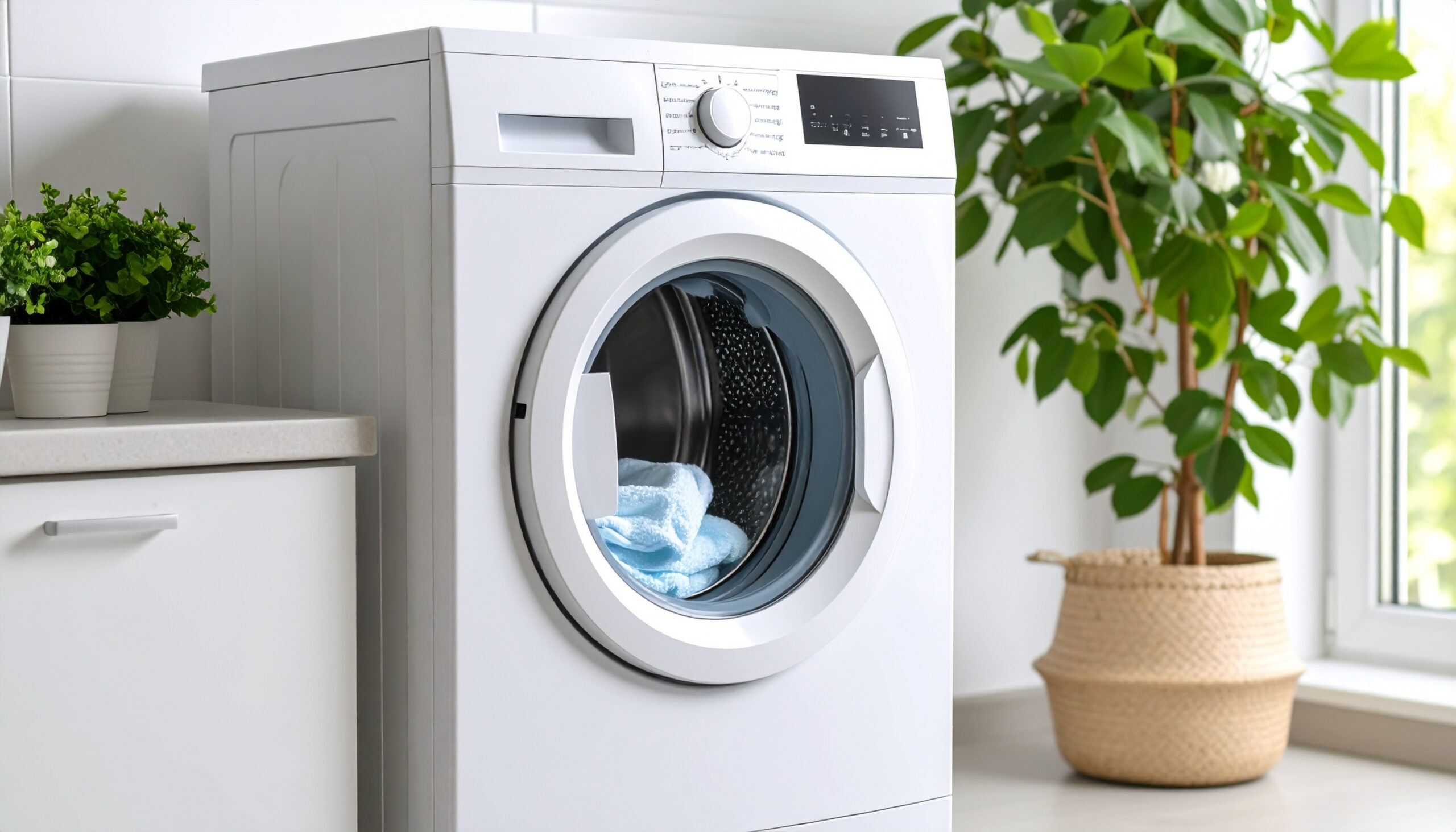
What Happens When Your Front Load Washer Stops Draining
There are few things more frustrating than opening your front load washer to find a tub full of standing water and soaking wet clothes that went nowhere. It happens to a lot of homeowners, and honestly, the problem is usually more manageable than it looks. Front load washers are efficient, water-smart machines, but their drain systems have some quirks worth understanding. Whether you are dealing with a soggy load right now or just want to be prepared, this guide walks through everything you need to know about how front load washers drain, what goes wrong, and how to handle it without panicking.
How a Front Load Washer Drain System Actually Works
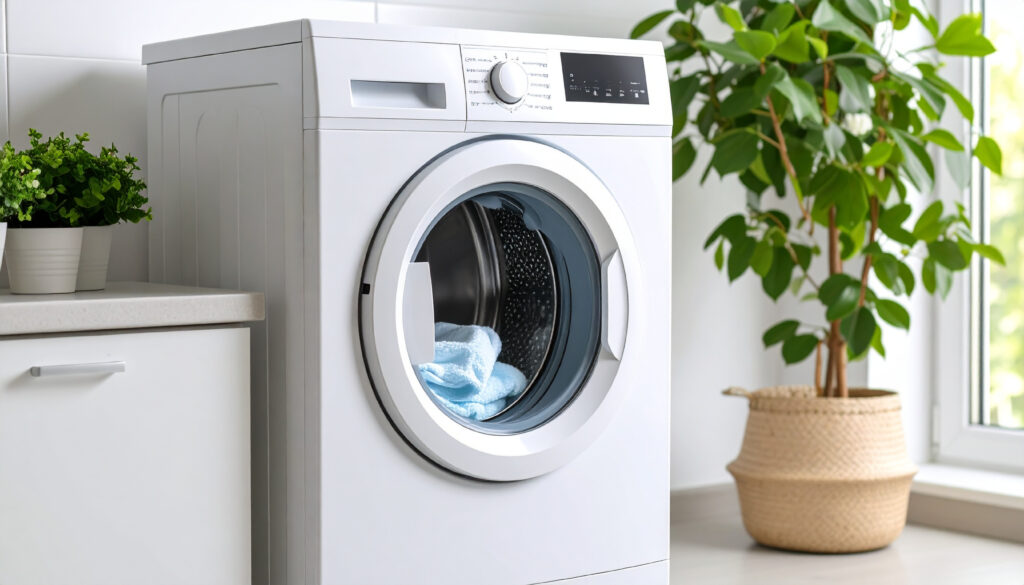
Before troubleshooting anything, it helps to understand the basic mechanics. Front load washers drain using a pump that pulls water out of the drum and pushes it through a drain hose, which connects to your home’s standpipe or utility sink. Most models also have a drain filter, sometimes called a coin trap or pump filter, located near the bottom front of the machine behind a small access panel. This filter catches lint, coins, hair ties, and other debris before they reach the pump. The drain pump itself is motor-driven and typically activates during the spin cycle to remove water efficiently. When any part of this system gets blocked, worn, or disconnected, water stays right where it is.
Signs Your Front Load Washer Is Not Draining Properly
Catching a drain issue early can save you from a much larger headache. The signs are usually pretty obvious, but some are subtler than you might expect.
- Standing water remaining in the drum after a cycle completes
- Clothes that feel excessively wet after the spin cycle
- Error codes on the display panel, often referencing drain or pump failures
- Unusual humming or grinding sounds during the drain phase
- Water leaking from the front of the machine near the filter access panel
- Cycles that take significantly longer than normal to finish
If you notice any combination of these, the drain system is almost certainly the first place to investigate.
How to Manually Drain a Front Load Washer Step by Step
If your washer is full of water and needs to be drained before you can do anything else, the process is straightforward, though a bit messy. Start by unplugging the machine from the power outlet. Locate the filter access panel, which is typically a small door at the lower front of the machine. Place towels on the floor and have a shallow pan or baking dish ready to catch water. Most front load washers have a small drain hose tucked next to the filter, which you can pull out and uncap to let water flow into your pan gradually. Once the bulk of the water has drained, you can unscrew and remove the filter. Expect more water to come out. Clean the filter thoroughly under running water, check the filter housing for blockages, and reinstall everything securely before running another cycle.
The Most Common Reasons a Front Load Washer Will Not Drain
Understanding the root cause is half the battle. Most drain failures in front load washers trace back to a handful of repeat offenders. A clogged drain filter is by far the most frequent culprit, and it is entirely preventable with routine cleaning every one to three months. A kinked or obstructed drain hose is another common issue, particularly if the washer has been recently moved or pushed too close to the wall. The drain pump itself can fail over time, either from wear or from debris that gets past the filter and damages the impeller. Occasionally the issue is with the home’s standpipe, which can become clogged or may not be tall enough to prevent siphoning. And in some cases, a software or sensor error tells the machine it has not finished draining even when it has, triggering a mid-cycle stop.

Advantages of Understanding Your Washer’s Drain System
Taking the time to learn how your front load washer drains is genuinely worth it. Homeowners who understand the basics are far less likely to call a repair technician for something they could have resolved in fifteen minutes with a pan and a towel. Knowing how to clean the drain filter regularly extends the life of your drain pump, which is one of the more expensive components to replace. It also means you can accurately describe the problem when you do need professional help, which speeds up diagnosis and reduces service call costs. There is real value in being an informed appliance owner, and the drain system on a front load washer is one of the easier systems to get familiar with.
Key Drawbacks and Maintenance Challenges to Be Aware Of
Front load washers are excellent machines, but their drain systems do require more deliberate maintenance than top loaders. The drain filter needs regular attention and is something many homeowners forget entirely until a problem surfaces. The door gasket, while not part of the drain system directly, traps moisture and debris that can contribute to odor and mold issues if the machine is not left slightly ajar between uses. Drain hoses on front loaders are also more sensitive to positioning. The hose needs to enter the standpipe at a height between 30 and 96 inches to prevent siphoning or backflow. If your washer was installed without attention to this detail, it can cause recurring drain issues that seem mysterious until the hose position is corrected.
When to Call a Professional for Front Load Washer Drain Repairs
There is a reasonable line between DIY maintenance and repairs that genuinely need a technician. Cleaning the filter, inspecting the drain hose, and resetting the machine are all well within reach for most homeowners. But if the drain pump itself has failed, that typically requires disassembling the machine to access and replace it, which involves working with electrical components and water connections simultaneously. Similarly, if the issue is a faulty control board or a broken door latch preventing the spin cycle from engaging properly, professional diagnosis is the smarter path. Attempting complex repairs without the right tools or experience can void your warranty, damage the appliance further, or create a safety risk.
Preventive Maintenance Tips to Keep Your Front Load Washer Draining Smoothly
Prevention is far less expensive than repair, and a front load washer’s drain system responds very well to consistent care. A few habits make a meaningful difference over the life of the appliance.
- Clean the drain pump filter every one to three months depending on usage frequency
- Check pockets before loading laundry to keep coins, keys, and debris out of the drum
- Inspect the drain hose annually for kinks, cracks, or loose connections at the standpipe
- Leave the washer door slightly open after cycles to reduce moisture buildup in the drum and gasket area
- Run a monthly cleaning cycle with a washer-safe cleaner to reduce residue that can contribute to pump clogs
- Avoid overloading the machine, which puts excess strain on the drain pump during spin
These steps take minimal time but significantly reduce the likelihood of a mid-cycle drainage failure.
Why Armadillo Home Warranty Is the Smart Choice for Appliance Protection
Front load washers are one of the hardest-working appliances in any home, and when the drain pump fails or an electrical issue shuts the machine down mid-cycle, repair costs can climb quickly. That is exactly where a home warranty adds real, tangible value. Armadillo home warranty coverage for washers and major appliances is designed to step in when breakdowns happen, covering the repair and replacement costs that catch homeowners off guard. Armadillo offers straightforward plans with transparent terms, so you know what is covered before something goes wrong rather than finding out the hard way. If your front load washer is aging, or if you recently purchased a home and are inheriting appliances you know nothing about, this is exactly the kind of protection that makes sense. Take two minutes to get a free home warranty quote that covers washer drain pump repairs and more and see what a plan looks like for your home. The peace of mind is worth it, and the process is genuinely that simple.

Frequently Asked Questions About Draining a Front Load Washer
These are the questions homeowners ask most often when dealing with front load washer drain issues.
How do I drain a front load washer that is full of water?
Unplug the washer, locate the filter access panel at the bottom front of the machine, place towels and a shallow pan on the floor, then pull out the small emergency drain hose and uncap it to let water flow out gradually. Once most of the water is out, unscrew the filter to release the remaining water and inspect it for blockages.
Where is the drain filter on a front load washer?
The drain filter is typically located behind a small access door at the lower front of the machine, near the floor. It may be covered by a rectangular or circular panel that pops open or unscrews depending on the brand and model.
How often should I clean the drain filter on a front load washer?
Most manufacturers recommend cleaning the drain filter every one to three months. If you wash heavily soiled items or have pets, monthly cleaning is a better habit to adopt.
Why does my front load washer stop mid-cycle without draining?
This is most commonly caused by a clogged drain filter, a blocked or kinked drain hose, a failing drain pump, or an error code triggered by the machine’s sensor system. Checking the filter first is always the right starting point.
Can a clogged drain filter damage my washer?
Yes. A severely clogged filter forces the drain pump to work harder than it should, which accelerates wear and can lead to pump failure. Regular filter cleaning is one of the simplest ways to extend the life of your machine.
What does a failing drain pump sound like?
A failing drain pump often produces a loud humming, grinding, or buzzing sound during the drain cycle. If the pump is completely seized, you may hear nothing at all during what should be the drain phase.
Is it safe to manually drain a front load washer yourself?
Yes, as long as the machine is unplugged first. The process involves water management rather than electrical work, and it is well within reach for most homeowners with basic household tools and some towels on hand.
Why does my front load washer smell bad near the drain area?
Odors near the drain area are usually caused by mold, mildew, or trapped debris in the filter or door gasket. Cleaning the filter regularly and leaving the door slightly ajar between washes reduces moisture buildup and helps prevent odor development.
How high should the drain hose be positioned on a front load washer?
The drain hose should enter the standpipe or drain connection at a height between 30 and 96 inches from the floor. Too low and the washer may siphon water back in continuously; too high and the pump may struggle to push water out effectively.
Does a home warranty cover front load washer drain pump repairs?
Many home warranty plans do cover drain pump repairs and replacements when the failure is due to normal mechanical wear. Coverage details vary by provider and plan, so reviewing what is included before a breakdown occurs is the best approach.