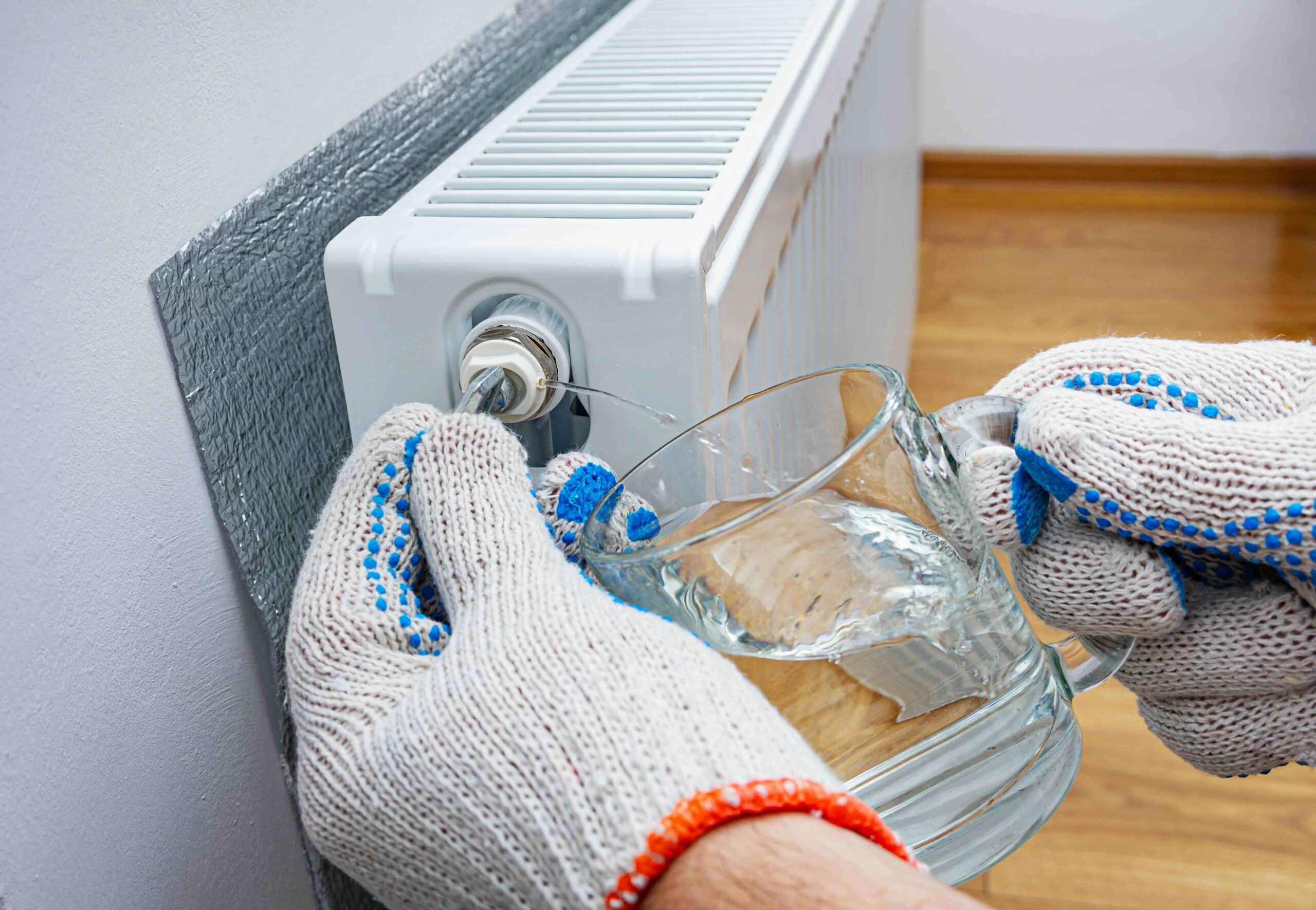
Why Draining Your Hot Water Heater Is One of the Most Overlooked Home Maintenance Tasks
There is a good chance you have never drained your water heater. You are in excellent company — most homeowners have not. It sits in a corner of the garage or utility closet doing its job quietly, and nobody thinks twice about it until the water runs cold or something worse happens. The thing is, draining a water heater is one of those maintenance tasks that pays real dividends over time. It extends the life of the unit, keeps energy costs down, and can save you from an expensive repair or replacement. So let us walk through exactly what this process involves, why it matters, and what you should know before you get started.
What Happens Inside Your Water Heater Over Time
Most homes in the United States receive hard water — water that contains dissolved minerals like calcium and magnesium. Every time your water heater heats that water, those minerals separate out and settle at the bottom of the tank. Over months and years, this buildup becomes a thick layer of sediment. That layer acts as insulation between the burner and the water, which means the heater has to work harder and longer to bring your water up to temperature. The result is higher energy bills, more wear on the heating element, and a unit that simply does not last as long as it should. Draining the tank flushes that sediment out before it becomes a serious problem.
How a Water Heater Actually Works
Before diving into the draining process, it helps to understand the basics. A traditional tank water heater — the kind most homes have — holds anywhere from 30 to 80 gallons of water and keeps it at a set temperature around the clock. Cold water enters through an inlet pipe at the top, gets heated by either a gas burner or electric heating element, and then exits through the outlet pipe when you turn on a hot water tap. A thermostat controls the temperature, typically set somewhere between 120 and 140 degrees Fahrenheit. A pressure relief valve serves as a safety mechanism in case internal pressure gets too high. All of this is happening continuously, which is exactly why sediment accumulation is so inevitable.
Step-by-Step Overview of the Draining Process
Draining a hot water heater is a manageable DIY task for most homeowners, but it does require attention to detail and a respect for hot water safety. Here is how it generally goes:
- Turn off the power supply — switch off the circuit breaker for electric units, or set a gas unit to the pilot setting.
- Shut off the cold water supply valve at the top of the tank.
- Allow the water to cool for a few hours if possible — water inside can be scalding hot.
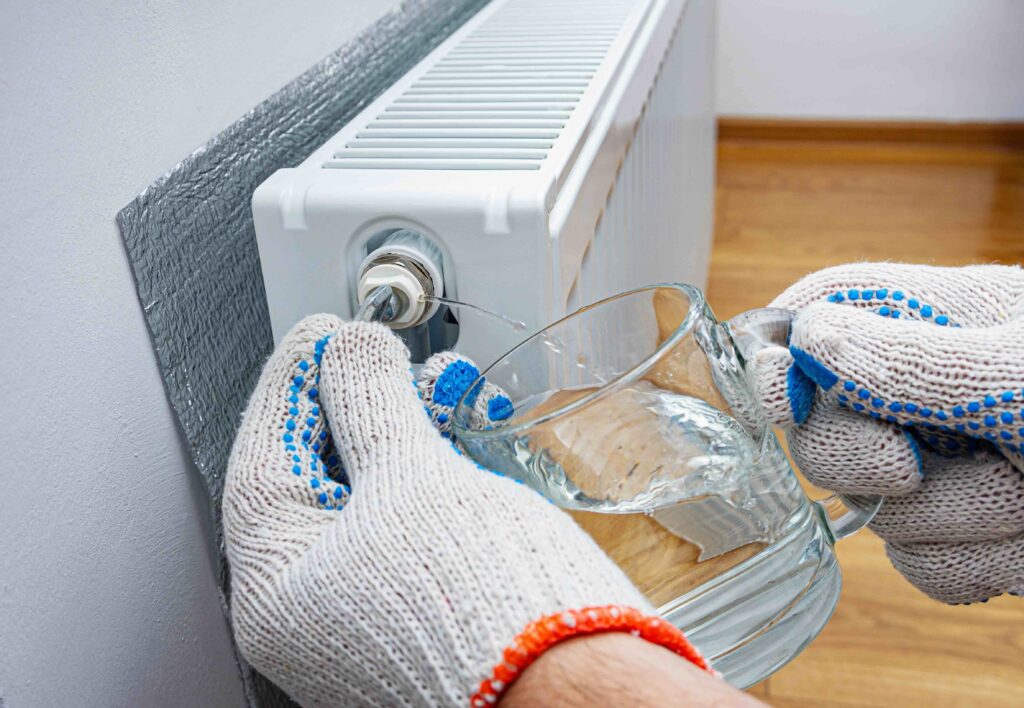
- Connect a garden hose to the drain valve at the base of the tank and run it to a floor drain, outside, or into buckets.
- Open a hot water tap somewhere in the house to allow air into the system and help water flow out.
- Open the drain valve and let the tank empty completely.
- Briefly turn the cold water supply back on to flush any remaining sediment, then shut it off again.
- Close the drain valve, refill the tank, restore power or relight the pilot, and check for any leaks.
The full process can take anywhere from one to two hours depending on the tank size and how much sediment is present. If the drain valve is old or corroded, it may drip after closing, which is worth noting before you start.
The Real Benefits of Flushing Your Water Heater Regularly
Flushing your water heater once a year delivers measurable results. A clean tank heats water more efficiently, which means the unit does not run as frequently or as long. That translates directly into lower monthly energy costs. Beyond efficiency, regular draining can extend the life of your water heater by several years. The average tank water heater lasts between 8 and 12 years. Homeowners who maintain their units consistently often see them push past that range. There is also a water quality benefit — sediment that sits long enough can affect the taste and smell of your hot water, and flushing removes that buildup before it becomes noticeable.

Common Drawbacks and Challenges to Be Aware Of
This task is not without its complications. Drain valves on older water heaters can be made of plastic, and they are notorious for cracking or failing to seal properly after being opened for the first time in years. If you open a valve that has never been touched and it does not close fully afterward, you are dealing with a slow drip at minimum and a more urgent repair at worst. Sediment can also clog the drain valve mid-flush, making it difficult to get all the water out. In severe cases, the sediment layer can be so thick that it has essentially hardened at the bottom of the tank, meaning flushing will not help much at that stage. For tanks in this condition, replacement is often the more practical path.
How Often Should You Actually Drain Your Water Heater
Most manufacturers and plumbing professionals recommend draining and flushing a tank water heater once per year. If your home has particularly hard water, bumping that up to every six months makes sense. Installing a water softener can also reduce the rate of sediment buildup significantly, which gives you a bit more breathing room between flushes. If you have never drained your current water heater and it is more than a few years old, getting it done sooner rather than later is a smart move. The longer sediment sits undisturbed, the more likely it is to solidify and become difficult to remove.
Signs Your Water Heater May Already Be in Trouble
Sometimes the water heater gives you clear signals that it needs attention. Rumbling or popping noises during heating cycles are among the most common indicators of heavy sediment buildup — that sound is water working its way through the sediment layer and essentially boiling beneath it. Inconsistent water temperatures, longer wait times for hot water, and a visible reduction in hot water volume are also signs worth taking seriously. Rust-colored water coming from hot water taps could indicate internal corrosion, which is a more serious issue that flushing will not resolve on its own. At that point, a plumber should evaluate the unit.
When to Call a Professional Instead of DIYing It
Not every situation calls for the DIY approach. If your water heater is older, if you notice corrosion around the tank or fittings, or if you are dealing with a gas unit and feel uncertain about relighting the pilot safely, calling a licensed plumber is the right call. The same applies if your drain valve is stuck, damaged, or actively leaking after being opened. A professional can assess the overall condition of the unit while they are there, which often saves homeowners from a surprise failure down the road. Routine maintenance visits from a plumber every couple of years are not excessive — they are practical.
Why a Home Warranty Makes Water Heater Problems Far Less Stressful
Here is the part that a lot of homeowners do not think about until they are standing in a cold shower: water heaters fail. Even well-maintained ones eventually give out, and when they do, the replacement cost can land anywhere between $600 and $2,000 or more depending on the unit and the installation complexity. That is where a home warranty comes in. Armadillo home warranty coverage for water heaters and major home systems means that when something breaks down, you are not starting from zero trying to figure out who to call or what it is going to cost you. Armadillo covers mechanical failures due to normal wear and tear, which is exactly the kind of thing that happens to a water heater that has been quietly doing its job for a decade. If you want to understand your options before something goes wrong, you can get a free home warranty quote to protect your water heater and home systems in just a few minutes. Maintenance tasks like draining your water heater are always worth doing — and pairing that effort with solid coverage is what responsible homeownership actually looks like.

Frequently Asked Questions About Draining a Hot Water Heater
Answers to the questions homeowners ask most often about water heater maintenance, sediment flushing, and what to expect during the process.
How often should I drain my hot water heater?
Most manufacturers recommend draining and flushing your water heater once per year. If your home has hard water, consider doing it every six months to prevent heavy sediment buildup.
What happens if I never drain my water heater?
Sediment accumulates at the bottom of the tank, reducing efficiency, increasing energy costs, and shortening the lifespan of the unit. In severe cases, the sediment can harden and make flushing ineffective, leaving replacement as the only practical option.
Is it safe to drain a water heater myself?
Yes, for most homeowners it is a manageable DIY task. The main safety consideration is hot water — always allow the tank to cool or exercise caution when working with water that may still be very hot. If you have a gas unit and are uncertain about the pilot light, call a professional.
How long does it take to drain a hot water heater?
The process typically takes between one and two hours from start to finish, including cool-down time and refilling the tank. Larger tanks and heavier sediment loads can extend the process.
What are the signs that my water heater has too much sediment buildup?
Rumbling or popping sounds during heating cycles, inconsistent water temperatures, longer wait times for hot water, and discolored water coming from hot taps are all common signs of sediment-related issues.
Can draining my water heater cause a leak?
Opening the drain valve on an older unit can sometimes reveal a valve that no longer seals properly afterward. This is more common on tanks that have never been drained. Having a replacement drain valve on hand before you start is a smart precaution.
Should I drain my water heater if it is already old?
If the unit is near or beyond its expected lifespan and has never been drained, flushing it may dislodge sediment that was actually slowing a small leak. It is worth having a plumber evaluate the condition of the tank before attempting a flush on a very old unit.
Does draining a water heater help with energy efficiency?
Yes. Sediment acts as an insulating layer between the heat source and the water, forcing the heater to work harder. Removing that buildup allows the unit to heat water more efficiently, which can reduce energy consumption and lower utility bills.
Will my home warranty cover water heater repairs or replacement?
Many home warranty plans cover water heater failures caused by normal wear and tear, including mechanical breakdowns. Coverage specifics vary by plan, so reviewing your policy details or speaking with your warranty provider is the best way to confirm what is included.
Can I drain a tankless water heater the same way?
Tankless water heaters do not accumulate sediment the same way traditional tank units do, but they do require periodic flushing to remove mineral scale from the heat exchanger. The process is different and typically involves running a descaling solution through the unit rather than simply draining a tank.