
What Happens When Your Basement Floods and Why It Matters
A flooded basement is one of those home emergencies that catches people completely off guard. One minute everything is fine, the next you are standing at the top of the stairs looking at a few inches of water where your storage boxes used to be. Whether it came from a heavy rainstorm, a burst pipe, a failed sump pump, or a backed-up drain, the source almost does not matter once the water is already there. What matters is what you do next. Acting quickly and methodically can be the difference between a manageable cleanup and a full-scale mold remediation project that costs thousands of dollars. This guide walks you through the entire process of drying out a flooded basement, from the first moment you discover standing water all the way through the final steps of prevention and protection.
Safety First Before You Touch Anything
Before you grab a mop or start pulling up soaked carpet, stop and think about safety. Standing water in a basement can be a serious electrical hazard, especially if your electrical panel, outlets, or any plugged-in appliances are in or near the affected area. Do not enter the basement until you have shut off the electricity to that area at the breaker panel. If the panel itself is in the basement and you cannot safely reach it, call your utility company. Also worth noting is that floodwater, particularly water that came in from outside or through a sewer backup, can carry contaminants, bacteria, and even raw sewage. Wearing rubber boots and waterproof gloves is not optional in that situation. Once you have confirmed the space is electrically safe and you have proper protective gear, you can move forward with confidence.
Remove Standing Water as Fast as Possible
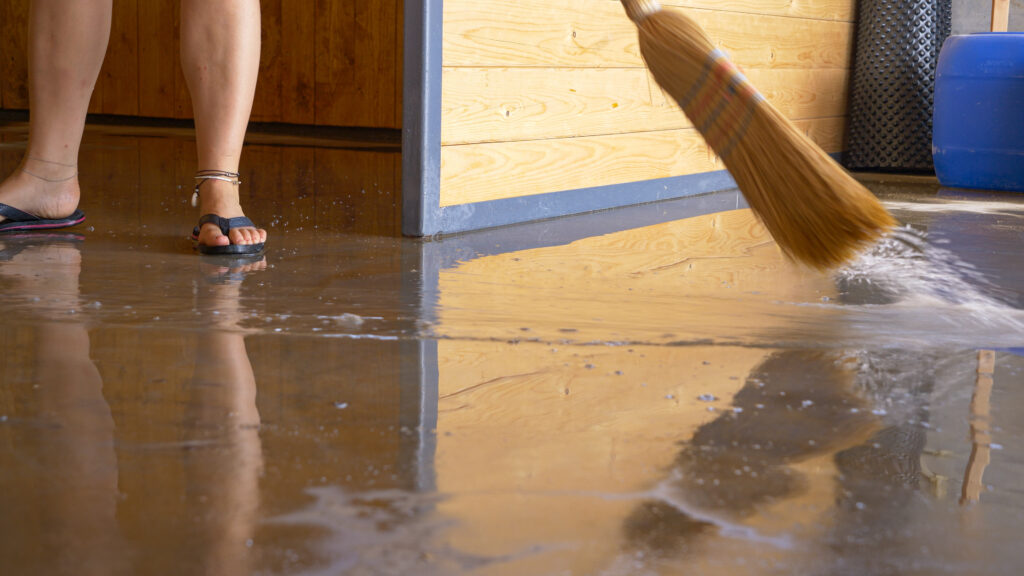
Time is genuinely working against you here. The longer water sits, the deeper it soaks into porous materials like wood, drywall, insulation, and concrete. Your goal in the first few hours is to remove as much standing water as possible. For significant flooding, a submersible pump or a wet-dry shop vacuum is your best friend. Submersible pumps can move large volumes of water quickly and are available at most hardware stores for rent or purchase. Once the bulk of the water is gone, use the wet-dry vacuum to pull up the remaining puddles and surface moisture from the floor. Mop up any residual water on hard surfaces and soak up what you can from carpet using old towels or a commercial water extractor if you have access to one.

Dry the Space Thoroughly Using Dehumidifiers and Air Movers
Removing standing water is only half the battle. Moisture embedded in walls, floors, and structural materials is the real culprit behind mold growth and long-term damage. Industrial dehumidifiers are significantly more powerful than the units most homeowners keep on hand, and renting one from a home improvement or equipment rental store is worth every penny. Set it up in the center of the affected space and let it run continuously. Pair it with high-velocity air movers or standard box fans positioned to push air across wet surfaces. Open windows and doors if outdoor humidity levels are lower than indoor levels, but check before you do. If the outside air is humid and warm, bringing it in will slow your progress rather than help it. The drying process typically takes anywhere from three to five days for a moderately flooded basement, and longer if the flooding was severe or insulation was involved.
Assess and Remove Damaged Materials
Once the visible moisture is largely gone, it is time to take a hard look at what can be saved and what needs to go. Drywall, insulation, and carpet are the most common casualties of basement flooding. Drywall acts like a sponge and begins to deteriorate and harbor mold within 24 to 48 hours of water exposure. If the drywall in your basement got wet, cutting it out at least 12 inches above the waterline is typically the recommended approach. The same applies to fiberglass batt insulation, which retains moisture and becomes a mold factory if left in place. Carpet and carpet padding are almost always a total loss after flooding. Hard flooring like vinyl or tile may be salvageable depending on the extent of damage and whether the subfloor beneath it was affected.
Common Materials That May Need Replacement After Flooding
- Drywall and gypsum board that absorbed water along the base of walls
- Fiberglass batt or foam insulation that retained moisture behind walls
- Carpet and carpet padding throughout the flooded area
- Wooden baseboards, door frames, and any wood trim that swelled or warped
- Subfloor panels or plywood underlayment that experienced prolonged saturation
Clean and Disinfect Every Surface That Was Touched by Water
After all damaged materials are removed and the space has been properly dried, the entire affected area needs to be cleaned and disinfected. Floodwater, even from a plumbing source rather than an outdoor flood event, introduces bacteria and contaminants into your home’s surfaces. Use a commercial disinfectant or a diluted bleach solution to wipe down concrete floors, exposed framing, and any surfaces that were in contact with water. Pay particular attention to corners, wall cavities, and any areas where materials meet, since moisture tends to linger in those spots. A professional restoration company will often use antimicrobial sprays as part of their standard process, which is something to consider if the flooding was extensive or if you suspect sewage was involved.
Watch for Mold After a Basement Flood
Mold can begin developing within 24 to 48 hours of water exposure, and it does not always announce itself visibly right away. The early signs are often olfactory rather than visual. A musty, earthy odor in the basement after a flood event is a strong indicator that mold is growing somewhere, even if you cannot see it yet. Inspect behind walls, underneath flooring, and inside wall cavities if any materials were left in place. Small areas of surface mold on non-porous materials can sometimes be addressed with appropriate cleaners, but larger infestations or mold growth on structural components typically require professional remediation. Do not let this step slide. Mold exposure is a legitimate health concern, and what starts as a small patch behind a wall can spread aggressively if conditions remain favorable.
Prevent Future Basement Flooding With Long-Term Solutions
- Install or upgrade a sump pump with a battery backup system to handle power outages during storms
- Apply waterproof sealant to basement walls and floors to reduce moisture intrusion through the foundation
- Ensure gutters and downspouts are directing water away from the foundation, not toward it
- Grade the soil around your home so the ground slopes away from the foundation
- Have your main drain line inspected for blockages or damage that could lead to backups
- Consider installing a water alarm near floor drains and in low-lying areas of the basement
Why a Home Warranty Makes a Real Difference When Basement Systems Fail
A basement flood often does not just damage walls and floors. It frequently takes out the very systems that were supposed to prevent it in the first place, including sump pumps, water heaters, and drainage components. That is where having a trusted home warranty provider for basement and plumbing system coverage changes the entire situation. Instead of absorbing the full cost of replacing a failed sump pump or repairing a broken drain line out of pocket, a home warranty plan covers those repairs and replacements so the financial hit is significantly reduced. Armadillo offers straightforward, no-surprise coverage that was built with real homeowners in mind. If you want to protect yourself from the next unexpected failure before it floods your basement again, taking a moment to get a free home warranty quote for sump pump and plumbing protection is one of the smarter moves you can make as a homeowner. Coverage that works when you need it most is not a luxury. It is just good planning.

Frequently Asked Questions About Drying Out a Flooded Basement
These are the questions homeowners ask most often after dealing with basement flooding. The answers are direct, practical, and designed to help you make informed decisions quickly.
How long does it take to completely dry out a flooded basement?
A moderately flooded basement typically takes three to five days to dry out with the help of industrial dehumidifiers and air movers. Severe flooding or cases involving saturated walls and subfloors can take one to two weeks or longer.
Can I dry out my flooded basement without professional help?
Yes, for minor to moderate flooding from a clean water source, a homeowner can manage the drying process independently using rented equipment. However, flooding from sewage backups, significant structural saturation, or suspected mold growth typically warrants professional restoration services.
Is it safe to run a dehumidifier in a flooded basement?
It is safe once the electricity has been properly managed and there is no risk of the unit coming into contact with standing water. Never plug in or run electrical equipment in a basement that still has standing water on the floor.
When should I call a professional water damage restoration company?
You should call a professional if the flooding involved sewage or outdoor floodwater, if the water was standing for more than 24 hours before discovery, if mold is visible or suspected, or if structural components like the foundation or load-bearing walls were affected.
Does homeowners insurance cover a flooded basement?
Standard homeowners insurance typically covers sudden and accidental water damage, such as a burst pipe, but does not cover flooding from external sources like groundwater or overflowing rivers. Flood insurance through the National Flood Insurance Program is a separate policy entirely.
Does a home warranty cover a failed sump pump?
Many home warranty plans include coverage for sump pumps as part of a plumbing or systems add-on. Coverage specifics vary by provider and plan, so reviewing your contract details or speaking with your provider directly is the best way to confirm what is included.
How do I know if my basement walls still have moisture after cleaning up?
A moisture meter is one of the most reliable tools for this purpose. You can purchase one at most hardware stores. Readings above acceptable thresholds in drywall or wood framing indicate that drying is not yet complete and materials may need more time or removal.
What are the health risks of a flooded basement?
Standing water and residual moisture create ideal conditions for mold growth, which can cause respiratory issues, allergic reactions, and other health problems. Floodwater from external sources may also carry bacteria, pathogens, and chemical contaminants that pose direct health risks upon contact or inhalation.
Should I replace drywall after basement flooding?
In most cases, yes. Drywall absorbs water quickly and does not dry out reliably even with good airflow. Leaving wet drywall in place significantly increases the risk of mold growth behind walls. Cutting and replacing it is usually the more cost-effective long-term decision.
What is the best way to prevent basement flooding in the future?
A combination of approaches works best. Installing a sump pump with a battery backup, waterproofing your foundation walls, maintaining clean gutters and properly graded landscaping, and having your drainage system inspected regularly are all proven methods for reducing flood risk in a basement.