Why Your Toilet Handle Matters More Than You Think
Most homeowners do not give the toilet handle a second thought — until it stops working. You press it down and nothing happens, or worse, the toilet runs constantly because the handle is stuck in a partially depressed position. It is one of those small failures that turns into a surprisingly annoying part of your day, fast. The good news is that a broken toilet bowl handle is one of the more approachable repairs you can tackle without calling in a plumber. Understanding how it works, what typically goes wrong, and how to fix it can save you time, money, and a whole lot of frustration.
How a Toilet Handle Actually Works
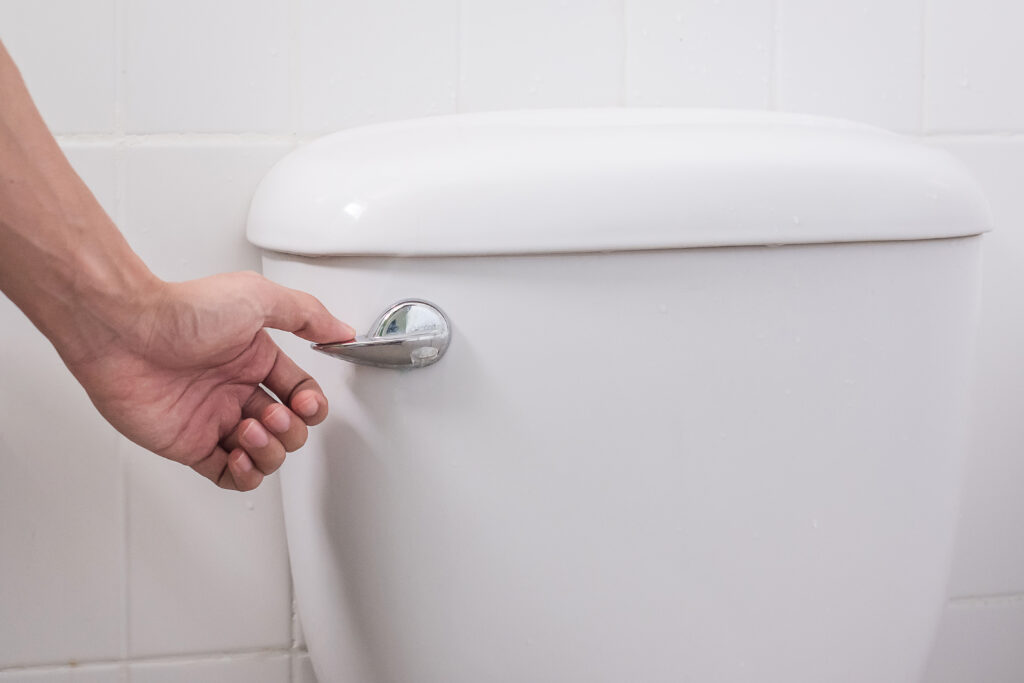
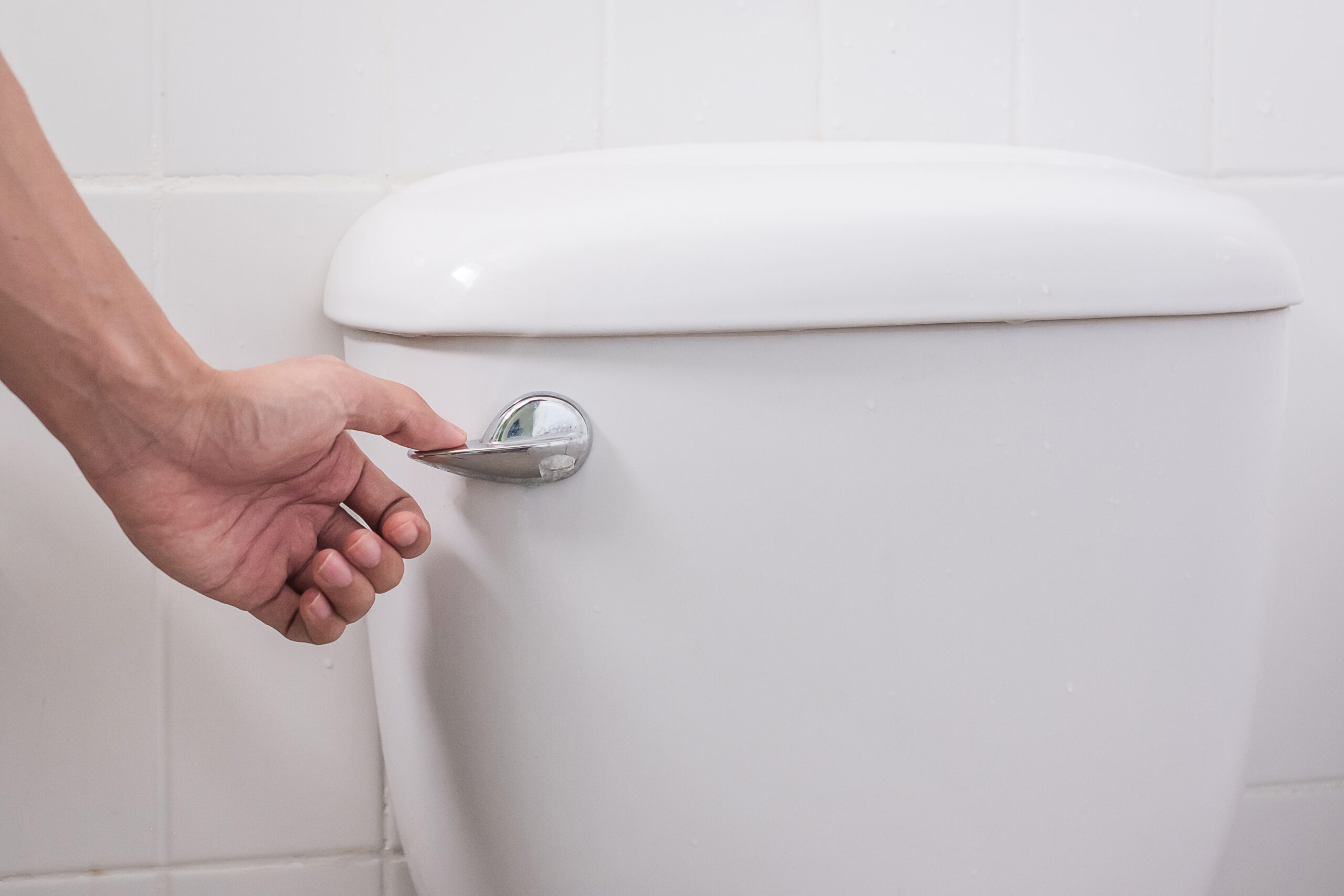
The toilet handle is connected to a metal or plastic arm called a trip lever, which runs horizontally inside the tank. Attached to that lever is a chain that connects to the flapper at the bottom of the tank. When you push the handle down, the lever lifts the chain, which opens the flapper and allows water to rush into the bowl — that is your flush. When the handle is broken, corroded, or improperly connected, that chain-and-lever system either fails to lift at all or gets stuck in an open position. The mechanism is simple, which is exactly what makes it so fixable.
Common Reasons a Toilet Handle Breaks
Before you run to the hardware store, it helps to know what you are actually dealing with. Toilet handles fail for a few specific reasons, and identifying the cause will help you get the right fix the first time.
- Corrosion or mineral buildup on the mounting nut inside the tank
- A cracked or warped plastic handle arm from age or overtightening
- A disconnected or broken chain between the lever and the flapper
- A loose handle that spins freely without engaging the lever
- A mounting nut that has come loose over time
Each of these problems has a slightly different fix, but none of them require professional-level plumbing knowledge. A little patience and the right parts will get you through most of them.
What You Will Need Before You Start
Gather your materials before lifting the tank lid. You will want a pair of adjustable pliers, a replacement handle kit if the handle itself is damaged, and possibly a replacement chain if that is the issue. Replacement toilet handles are inexpensive and widely available at home improvement stores — most are designed to be universal fits. Shut off the water supply valve behind the toilet before you begin working inside the tank. It is a simple step that a lot of people skip, and then they end up with wet floors. Turn the valve clockwise until it stops, then flush the toilet to empty the tank.
Step-by-Step: How to Fix a Broken Toilet Bowl Handle
Remove the tank lid and set it aside carefully — porcelain is heavier than it looks and chips easily. Look inside the tank and locate the nut that holds the handle in place on the interior side of the tank wall. This nut is typically left-handed threaded, meaning you turn it clockwise to loosen it, which is the opposite of the standard. Use your pliers to loosen and remove it. Detach the chain from the lever arm, then slide the old handle out from the outside of the tank. Insert your new handle through the hole from the outside, thread the mounting nut onto the interior side, and tighten it counterclockwise — again, opposite of standard threading. Reattach the chain to the new lever arm, leaving about half an inch of slack so the flapper seals properly but lifts fully when flushed. Turn the water supply back on, let the tank fill, and test the flush.
When the Chain Is the Real Culprit
Sometimes the handle is perfectly fine and the chain is the issue. If the chain is too long, it can get caught under the flapper and cause a continuous running sound. If it is too short or has snapped, the flapper will not lift at all and you get no flush. Adjusting chain length is simple — most chains have multiple attachment points on the lever arm. Move the hook to a different link until you get that ideal half-inch of slack. If the chain is broken or corroded, replacement chains cost almost nothing and take about two minutes to swap out.

Advantages of Fixing It Yourself
The DIY route for a toilet handle replacement has real advantages. The cost of parts is minimal — most handle kits run between five and fifteen dollars. The repair itself takes under thirty minutes for most homeowners. You do not need to schedule a plumber visit or wait around for an appointment. And honestly, there is something satisfying about fixing a thing in your own home without needing outside help. That said, this kind of repair is only easy when the problem is isolated to the handle and lever system. When the issue runs deeper into the toilet’s plumbing or internal components, the calculation changes.
When DIY Is Not Enough
Not every toilet problem starts and ends with the handle. If you notice water pooling at the base of the toilet, cracks in the porcelain, a consistently running toilet even after replacing the flapper and handle, or issues with the fill valve, you may be looking at a larger repair. These problems move beyond quick fixes and into territory where a licensed plumber becomes necessary. That is also where the cost picture shifts significantly — plumbing repairs can range from a few hundred dollars to well over a thousand depending on the issue. This is exactly the kind of scenario where having a home warranty in your corner starts to make a lot of sense.
Maintenance Tips to Prevent Handle Problems
Keeping your toilet handle in good working order is less about active maintenance and more about knowing what to watch for. Periodically remove the tank lid and inspect the chain and lever for corrosion or mineral deposits, especially if you live in an area with hard water. If you notice the flush becoming weak or inconsistent, check the chain slack before assuming something major has failed. Avoid using tank-cleaning tablets that drop into the tank water — while convenient, many of these contain bleach that deteriorates rubber components like the flapper over time, which can indirectly cause handle-related issues. A quick visual check twice a year can catch small problems before they escalate.
How a Home Warranty Supports Your Plumbing System
A toilet handle repair is manageable on your own, but plumbing as a whole is one of the most unpredictable systems in any home. From hidden pipe leaks to failed fill valves to sudden toilet malfunctions, the costs can add up fast and often hit without warning. That is where trusted home warranty coverage for plumbing systems and essential home repairs becomes a genuinely smart investment for homeowners. Armadillo offers straightforward, no-surprise plans that cover the systems and appliances you rely on every day — including plumbing components that go well beyond what a simple handle swap can address. If you are ready to stop worrying about what the next repair is going to cost you, get a free home warranty quote to protect your plumbing and home systems today. Armadillo is built around transparency and simplicity, which means you always know what is covered before something breaks — not after.

Frequently Asked Questions About Fixing a Broken Toilet Bowl Handle
These are the questions homeowners ask most often when dealing with a broken or malfunctioning toilet handle.
How do I know if my toilet handle is broken or if the problem is something else?
If pressing the handle produces no resistance or the toilet runs constantly, remove the tank lid and check whether the chain is connected and the lever arm is intact. If both look fine and the problem persists, the issue may be with the flapper or fill valve rather than the handle itself.
Is the toilet handle nut really reverse-threaded?
Yes, in most toilets the mounting nut on the inside of the tank is reverse-threaded, meaning you turn it clockwise to loosen it. This design prevents the nut from loosening during normal flushing motion.
Can I replace a toilet handle without turning off the water?
Technically yes, but it is not recommended. Turning off the water supply valve before working in the tank prevents accidental overflows and gives you a cleaner, safer workspace.
What type of replacement handle should I buy?
Most universal toilet handle kits fit standard tank configurations. Look for one that matches your tank’s front or side-mount orientation. When in doubt, bring the old handle to the hardware store for comparison.
How much chain slack should there be between the lever and the flapper?
Aim for approximately half an inch of slack. Too much slack means the flapper will not lift fully during a flush. Too little and the flapper may not seal properly, causing the toilet to run continuously.
Why does my toilet handle feel loose even after I tighten it?
If the handle continues to feel loose, the lever arm may be cracked or the mounting nut may be stripped. In that case, a full handle replacement is the most reliable solution rather than continued tightening.
Does a broken toilet handle affect water usage or utility bills?
Yes. A handle stuck in a partially lifted position can cause the toilet to run continuously, which wastes a significant amount of water and will show up on your water bill. Fixing the handle promptly prevents unnecessary costs.
Are toilet handle repairs covered by a home warranty?
Coverage varies by plan and provider. Some home warranties cover internal toilet components as part of their plumbing coverage, while others may exclude smaller mechanical parts. Reviewing your plan details or speaking with your warranty provider will clarify what is included.
How long does a toilet handle replacement typically take?
For most homeowners, the entire process from shutting off the water to testing the flush takes between fifteen and thirty minutes. It is one of the faster plumbing-adjacent repairs you can do yourself.
When should I call a plumber instead of fixing the handle myself?
If the handle replacement does not resolve the issue, or if you notice water at the base of the toilet, structural cracks in the porcelain, or ongoing running water despite replacing both the handle and flapper, it is time to call a licensed plumber to assess the situation.