How to Fix a Broken Toilet Handle: A Homeowner’s Guide to a Simple Repair
A broken toilet handle is one of those small household issues that can quickly become a major inconvenience. While it may seem like a minor problem, a faulty handle disrupts the normal function of your toilet and often leads to wasted water from partial flushes or running tanks. Fortunately, fixing a toilet handle is one of the more straightforward repairs a homeowner can tackle without professional help. In this article, we’ll explain how a toilet handle works, why it breaks, how to fix it, and when a home warranty provider like Armadillo can offer additional peace of mind.
Understanding the Toilet Handle Mechanism
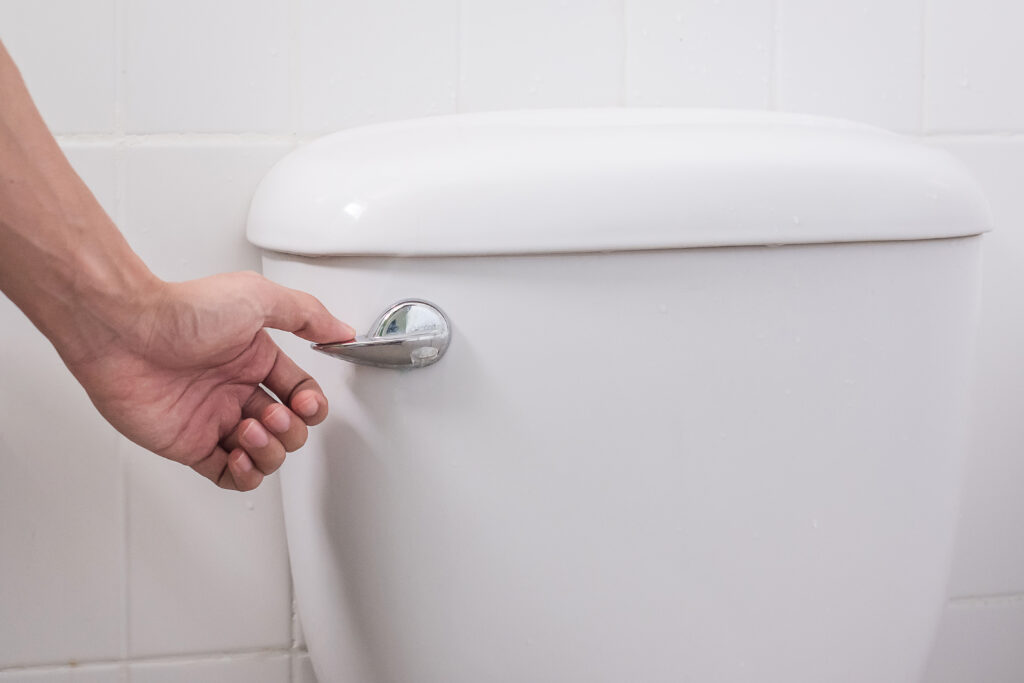
Before we dive into the steps for repair, it helps to understand how the handle integrates with the internal flushing mechanism. The handle is connected to a lift arm inside the tank. When pressed, the handle rotates the arm, which pulls a chain or wire connected to the flapper valve at the bottom of the tank. This chain movement opens the flapper, allowing water to rush from the tank into the bowl, initiating the flush. Once the tank is empty, the flapper closes, water refills, and the cycle is complete.
Signs Your Toilet Handle Is Broken
Inconsistent or weak flushing is often the first sign that your toilet handle needs attention. If the handle feels loose, doesn’t return to its resting position, or doesn’t provide any resistance when pressed, it’s likely disconnected from the internal lift arm or the chain has come loose. In more severe cases, the handle or arm may be corroded or cracked, in which case replacement is necessary. Ignoring this issue can result in a toilet that won’t flush properly, leading to unnecessary water usage and inconvenience.
How to Fix or Replace a Broken Toilet Handle
The repair itself requires only a few common tools and household items. Begin by removing the tank lid and placing it safely aside. Next, locate the mounting nut inside the tank, which holds the handle in place. This nut is usually reverse-threaded, meaning it loosens clockwise. Once removed, detach the handle and lever. Inspect both parts for cracks or corrosion. If only the chain is loose or unhooked, reconnecting it to the flapper and testing flush strength may be all that’s needed. But if the lever or handle is broken, replace it with a new handle assembly, available at most home improvement stores. After installation, test the new handle to ensure the chain has the right amount of slack and the flush mechanism operates smoothly.
Why Toilet Handles Fail and How to Prevent It
Over time, mineral buildup, corrosion from hard water, or simple wear and tear can weaken the metal or plastic components of a toilet handle. Repeated forceful use or improper installation after a previous repair often contributes to premature failure. To reduce the likelihood of breakage, avoid using excessive force when flushing and periodically inspect the internal parts of your toilet tank for signs of rust or degradation. Replacing chains or bolts showing early signs of wear is a smart, preventive measure that can help avoid larger repairs in the future.
The Role of Home Warranties in Toilet Repairs
While a toilet handle is a minor repair that can often be serviced by the homeowner, it may be a symptom of a larger plumbing issue. In some cases, repeated handle breakage points to underlying issues with the flush valve or tank components. These problems may extend into your home’s plumbing system, which can signal the start of more significant repairs requiring professional intervention. This is where a home warranty from a provider like Armadillo can provide confidence. A reliable warranty plan doesn’t just safeguard high-ticket appliances but can also ease the burden of costly plumbing system failures that go beyond surface-level fixes.
Knowing When It’s Time to Call a Professional
There are moments when a broken handle is just the start. If you’ve replaced the handle and the toilet still won’t flush, drains slowly, or you notice water constantly running into the bowl, the issue may be more complex. Problems with the fill valve, seal, or flush mechanism require professional assessment. If you’re frequently making small repairs or your toilet is more than 15 years old, consider a full system inspection. A qualified plumber can identify larger inefficiencies or hidden leaks that cost homeowners over time in higher water bills and future breakdowns.
Protect Your Plumbing with an Armadillo Home Warranty
Repairing a toilet handle is a simple task, but it’s a reminder of how even small issues can lead to larger problems if not properly addressed. Maintaining your toilet, like other home systems, should be part of a proactive approach to homeownership. That’s where Armadillo comes in. With customizable plans that cover your plumbing system, Armadillo delivers protection when you need it most. Whether it’s a broken handle or a more complex valve repair, you don’t need to weather those surprises alone. Visit armadillo.one to explore your options, or begin securing your home’s most essential systems today with the personalized plan builder at your custom coverage plan.