When Your AC Coil Freezes: What Is Actually Happening Inside Your System
It sounds counterintuitive — a frozen coil inside an air conditioning system on a hot summer day. But it happens more often than most homeowners realize, and when it does, the results are not pretty. Warm air blowing from your vents, water pooling near your indoor unit, or a complete system shutdown are all signs that something has gone wrong. The culprit, more often than not, is a frozen evaporator coil. Understanding what causes this, how to fix it, and how to prevent it from happening again is essential knowledge for any homeowner who wants to protect one of the most expensive systems in their home.
What Is an Evaporator Coil and Why Does It Freeze
The evaporator coil sits inside your indoor air handler unit and plays a critical role in the cooling process. Refrigerant flows through the coil and absorbs heat from the warm air passing over it, which is how your home gets cooled. The coil needs consistent airflow and proper refrigerant levels to do this job correctly. When either of those conditions is disrupted, the coil surface temperature drops below freezing, moisture in the air condenses on the coil, and then that moisture freezes solid. What you end up with is a block of ice forming around the coil — which completely blocks the airflow that your system depends on. It is a cycle that compounds quickly once it starts.
The Most Common Causes of a Frozen AC Coil
There are several well-documented reasons why evaporator coils freeze, and most of them trace back to maintenance neglect or mechanical failure. Knowing the root causes helps you address the problem correctly rather than just treating the symptoms.
- Dirty or clogged air filters that restrict airflow across the coil
- Low refrigerant levels caused by a slow leak in the system
- Blocked or closed supply and return vents throughout the home
- A malfunctioning blower fan that is not moving enough air
- Running the air conditioner when outdoor temperatures are too low, typically below 60 degrees Fahrenheit
- Dirty evaporator coils that have accumulated dust and debris over time
Each of these causes prevents the proper heat exchange that the evaporator coil depends on. When heat cannot transfer efficiently, the coil overcools and ice begins to form. It is that straightforward — and that preventable in most cases.
How to Safely Thaw a Frozen AC Coil
The first and most important step is to turn off the air conditioning immediately. Running a frozen system puts serious strain on the compressor, which is the most expensive component in your entire AC setup. Once the system is off, switch the thermostat fan setting to “on” rather than “auto” to circulate room temperature air over the coil and speed up the thawing process. Expect the thaw to take anywhere from one to several hours depending on how much ice has built up. Place towels or a shallow pan near the indoor unit to catch the water as the ice melts — because there will be water. Do not try to chip or scrape the ice off manually, as this risks damaging the coil fins, which are delicate and expensive to repair.
Inspecting Your System After the Coil Thaws
Once the ice is fully melted, do not just restart the system and move on. Take the time to investigate why the freeze happened in the first place. Check your air filter — if it is gray, matted, or visibly clogged, replace it immediately. Walk through your home and confirm that all supply and return vents are open and unobstructed by furniture or curtains. Inspect the area around the indoor unit for any signs of refrigerant leaks, such as oily residue near the refrigerant lines. If the coil itself looks dirty, that is a job best handled by a licensed HVAC technician who has the proper cleaning solutions and equipment. Restarting the system without addressing the underlying issue will result in the coil freezing again within hours.

When to Call a Professional HVAC Technician
Some frozen coil situations are well within the DIY comfort zone — changing an air filter, opening a vent, letting the system thaw. Others require a licensed professional and there is no way around that. If your system freezes repeatedly after you have addressed the obvious causes, you likely have a refrigerant leak. Refrigerant is a regulated substance and handling it requires certification. Similarly, if your blower motor is failing or your coil is severely corroded, those repairs involve electrical components and precise calibration that should not be improvised. Calling a technician early rather than late can be the difference between a service call and a full system replacement.
Preventative Maintenance That Keeps Coils From Freezing
The good news is that frozen coils are largely preventable with consistent, routine maintenance. Homeowners who stay ahead of their HVAC upkeep rarely deal with this problem. A few habits make an enormous difference over the life of the system.
- Replace air filters every one to three months, depending on household conditions
- Schedule a professional AC tune-up once per year, ideally in the spring before heavy use begins
- Keep all supply and return vents fully open, even in unused rooms
- Have refrigerant levels checked during annual maintenance visits
- Keep the area around the indoor unit clear for proper airflow
These are not complicated steps. But they are easy to skip when life gets busy, and skipping them consistently is exactly how a frozen coil becomes an emergency repair bill.
The Real Cost of a Frozen AC Coil If Left Unaddressed
Ignoring a frozen coil or continuing to run the system through it is one of the more expensive mistakes a homeowner can make. The compressor — which can cost anywhere from eight hundred to over two thousand dollars to replace — bears the brunt of the damage when the system is forced to operate with a blocked coil. Water damage from overflow condensation can also affect flooring, walls, and nearby electrical components. In worst case scenarios, a frozen coil that goes unaddressed long enough can require a full evaporator coil replacement, which typically runs between six hundred and two thousand dollars depending on the system. The math on preventative maintenance becomes very compelling when you look at it that way.
How Home Warranties Factor Into AC Coil Repairs
This is where a home warranty starts to make a lot of sense. HVAC systems are among the most frequently claimed items in home warranty contracts — and for good reason. The components are expensive, failures are often sudden, and repair costs can be significant. A home warranty that covers your air conditioning system can offset the cost of repairs related to mechanical failures, including issues with the evaporator coil, blower motor, and refrigerant leaks caused by component failure rather than neglect. It is worth understanding what your specific plan covers, as warranty contracts vary in scope. Some cover refrigerant recharge, some do not. Some cover coil replacement as part of the system coverage, others treat it as a separate item. Reading the fine print matters.
Why Armadillo Is the Right Coverage for AC Problems Like This
When your air conditioning system fails on the hottest day of the year, the last thing you want to be doing is scrambling to find a contractor, negotiate a price, and figure out what your coverage actually includes. Armadillo home warranty plans built for HVAC system protection are designed to take that chaos off your plate. Coverage is clear, service is straightforward, and the network of qualified technicians means you are not left waiting days for someone to show up. For homeowners who want real peace of mind around their cooling systems, the smart move is to get a free AC and home system warranty quote today before a frozen coil turns into a much bigger problem. Armadillo is built for exactly these moments — the ones where a small issue becomes expensive fast, and having the right coverage makes all the difference.

Frequently Asked Questions About Frozen AC Coils
Here are answers to the most common questions homeowners have about frozen air conditioner coils, how to handle them, and what coverage may apply.
How long does it take for a frozen AC coil to thaw completely?
It typically takes between one and twenty-four hours for a frozen evaporator coil to fully thaw, depending on how much ice has accumulated. Running the fan only — with the cooling mode off — speeds up the process by circulating warmer room-temperature air across the coil.
Can I run my air conditioner with a frozen coil?
No. Running your AC with a frozen coil forces the compressor to work under abnormal conditions, which can cause permanent compressor damage. Turn the system off immediately and allow the coil to thaw before attempting to restart.
Will a frozen coil cause water damage in my home?
Yes, it can. As the ice melts, the resulting water can overflow the condensate drain pan and cause water damage to flooring, walls, and nearby structures. Placing towels around the indoor unit during the thaw can help manage this.
What is the most common reason an AC coil freezes?
A dirty or clogged air filter is the most frequent cause. When airflow is restricted, the coil cannot absorb enough heat and its surface temperature drops below freezing, causing moisture in the air to ice over on the coil surface.
Can low refrigerant cause an AC coil to freeze?
Yes. When refrigerant levels are low, the pressure in the system drops, causing the refrigerant to expand too rapidly and the coil temperature to fall below freezing. This is a mechanical issue that requires a licensed HVAC technician to diagnose and repair.
Does a home warranty cover a frozen AC coil repair?
It depends on the warranty plan and the cause of the freeze. Most home warranty contracts cover mechanical failures of covered HVAC components, including the evaporator coil and blower motor. Failures caused by neglect or lack of maintenance may be excluded, which is why reviewing your specific contract terms is important.
How can I prevent my AC coil from freezing again?
Replace your air filter regularly, keep all vents open, schedule annual HVAC maintenance, and ensure your refrigerant levels are checked by a professional each season. These steps address the most common causes of coil freezing before they become problems.
What does a frozen AC coil look like?
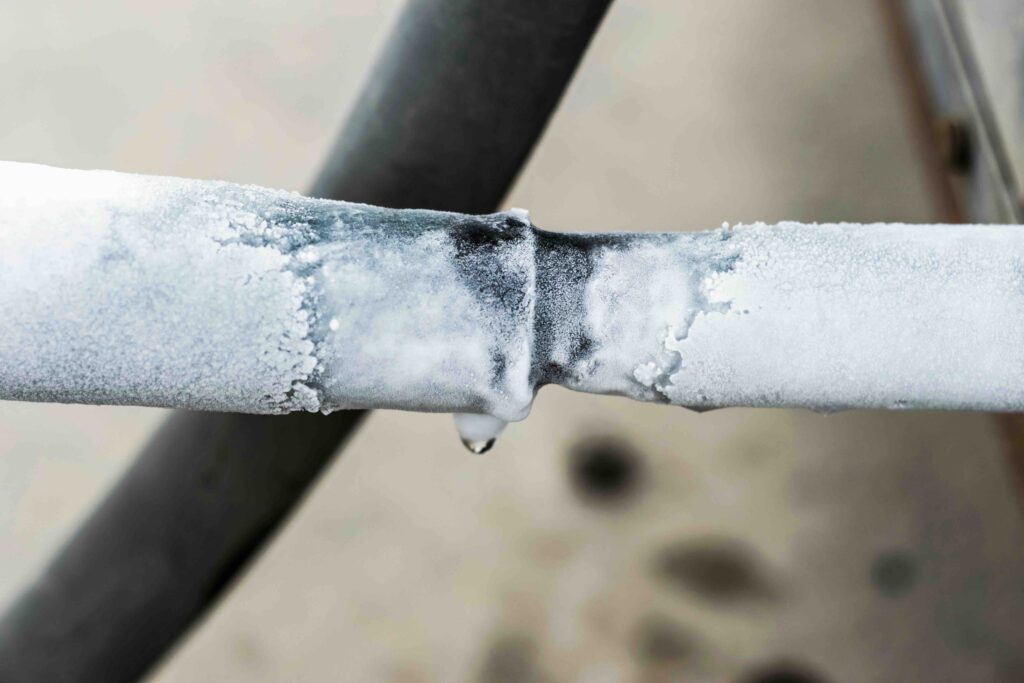
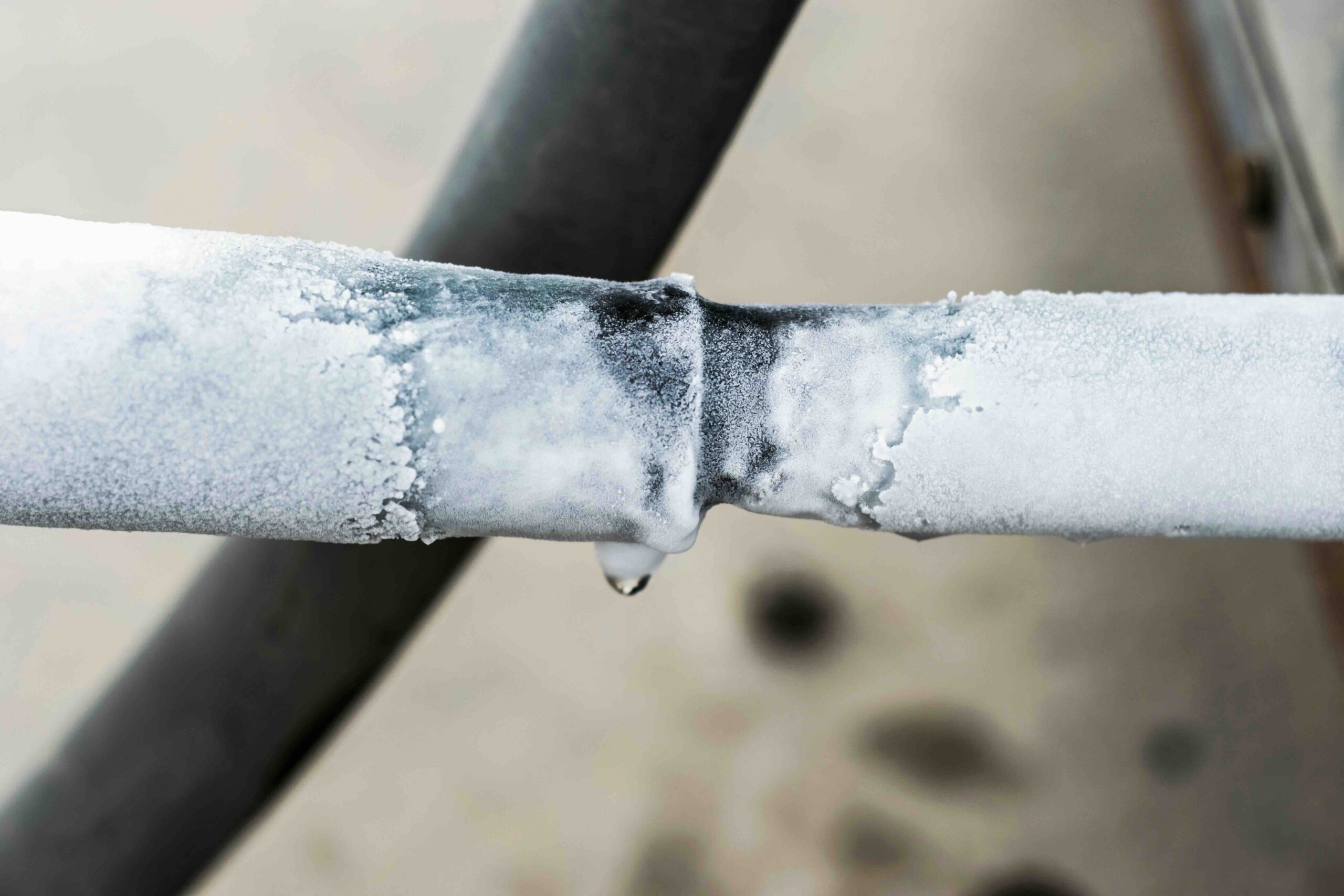
You may notice ice visibly forming on the refrigerant lines running from the outdoor unit, or see frost on the indoor air handler unit itself. In some cases, you will not see the ice directly but will notice warm air from vents, unusual condensation around the unit, or water pooling on the floor nearby.
Is a frozen AC coil covered under a manufacturer warranty?
Manufacturer warranties typically cover defects in materials or workmanship for a set period, but they do not usually cover failures caused by improper maintenance or operating conditions. If a manufacturing defect caused the coil failure, it may be covered, but routine freeze-related issues generally fall outside that scope.
How much does it cost to repair or replace a frozen AC evaporator coil?
Repair costs vary depending on the root cause. A refrigerant recharge may cost between one hundred fifty and five hundred dollars. Evaporator coil replacement typically ranges from six hundred to two thousand dollars or more, depending on the system size, brand, and labor rates in your area.