Why Your Kitchen Sink Drain Is More Important Than You Think
Most homeowners do not spend much time thinking about their kitchen sink drain — right up until the moment water stops moving and a puddle starts forming. Then it becomes the only thing on their mind. The kitchen sink drain is one of those quietly essential systems that handles an enormous amount of daily work: dish rinsing, food prep cleanup, pot draining, and everything in between. When it functions well, you forget it exists. When it fails, your entire kitchen workflow grinds to a halt. Understanding how this system works, what can go wrong, and when a repair becomes a bigger deal than expected is genuinely useful information for any homeowner.
How a Kitchen Sink Drain System Actually Works
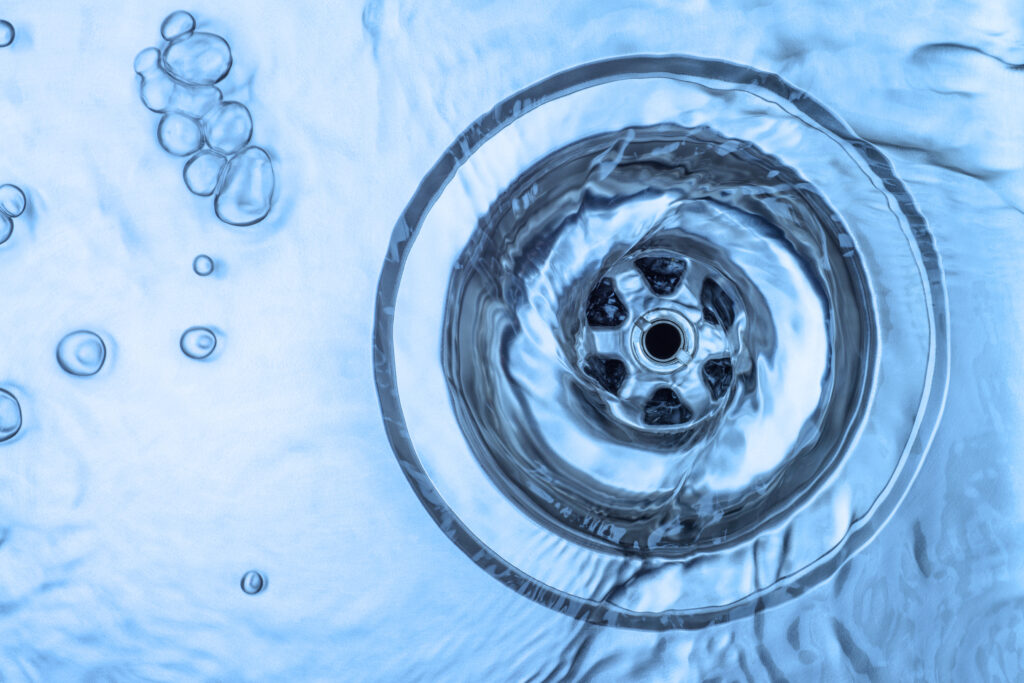
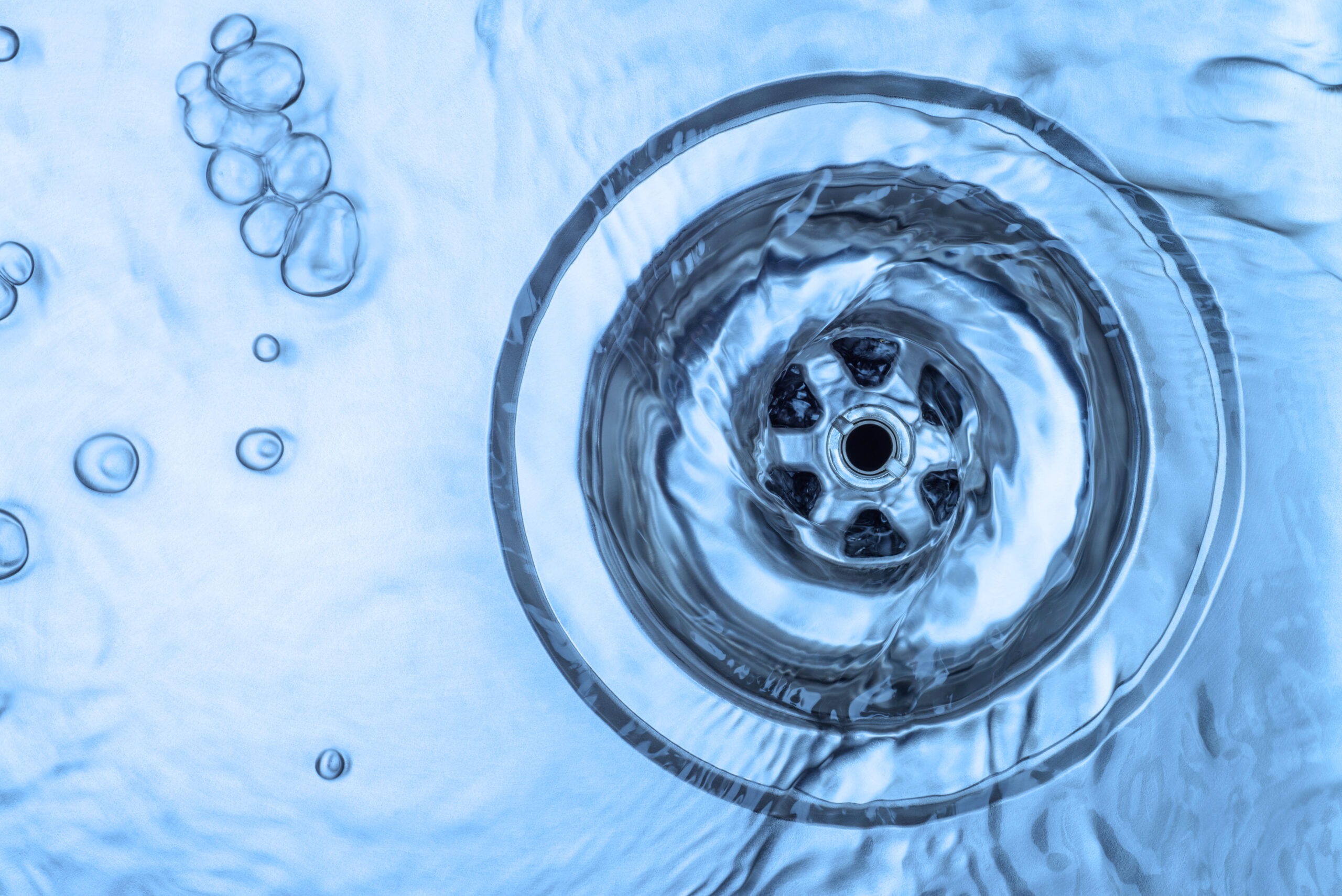
The kitchen sink drain is more than just the hole at the bottom of your basin. It is a connected system of components working together to move water and waste out of your home efficiently. At the surface level, the drain opening is fitted with a strainer basket that catches larger debris before it enters the pipe. Below the sink, water travels through a curved pipe section called the P-trap, which holds a small amount of standing water at all times. That standing water creates a seal that prevents sewer gases from traveling back up into your kitchen. From the P-trap, water moves into the drain arm, which connects to the main drain line running through your walls or floor. If you have a garbage disposal, it sits between the drain basin and the P-trap, grinding food waste before it enters the pipe system. Each of these components plays a specific role, and a failure at any point can disrupt the whole chain.
Common Reasons Kitchen Sink Drains Fail
Drain problems tend to build gradually rather than appear out of nowhere. A slow drain that gets ignored for a few weeks often turns into a full blockage by month two. The most frequent culprits include grease and fat buildup, food particles that bypass the strainer, soap scum accumulation along pipe walls, and — in older homes — pipe corrosion or deterioration. Hard water deposits can also narrow the internal diameter of pipes over time, reducing flow even without a true clog. Another common issue is a faulty or degraded drain basket seal, which allows water to leak under the sink rather than travel through the pipe. If you notice water stains in your cabinet or a persistent musty smell beneath the sink, that seal is a prime suspect.
What Fixing a Kitchen Sink Drain Actually Involves
Repairing a kitchen sink drain can range from a five-minute fix to a multi-hour project depending on what is causing the problem. Here is a general breakdown of what different repair scenarios look like:
- Clearing a simple clog: Often handled with a plunger, a drain snake, or a baking soda and vinegar flush. This is typically a straightforward DIY task.
- Replacing the drain basket or strainer: Requires disconnecting the P-trap, unscrewing the old basket from below, cleaning the sink surface, and sealing and installing the new unit. Moderate DIY difficulty.
- Replacing the P-trap: Usually involves removing slip-joint nuts by hand or with pliers and swapping in a new trap. One of the more accessible repairs for a careful homeowner.
- Addressing pipe corrosion or deep clogs: This is where professional help becomes necessary. Corroded sections need to be cut out and replaced, and deep clogs may require hydro-jetting equipment that most homeowners do not have access to.
Knowing which category your problem falls into before you start helps you avoid making a manageable repair into a bigger mess.

Key Advantages of Keeping Your Kitchen Drain in Good Shape
Regular attention to your kitchen sink drain pays off in ways that extend well beyond just having water flow smoothly. A properly maintained drain system prevents water damage to the cabinet below, which can lead to mold growth and wood rot if left unchecked. It also protects your larger plumbing system — a neglected kitchen drain can contribute to pressure issues and backups that affect other fixtures in your home. On a practical level, a well-functioning drain simply makes daily life easier. You are not battling slow drainage during peak cooking times or dealing with foul odors that can make the kitchen feel unpleasant no matter how clean the surfaces are. The maintenance investment is relatively low compared to the cost of water damage remediation or emergency plumbing calls.
The Drawbacks and Limitations Homeowners Should Know
Even with attentive maintenance, kitchen sink drains have real limitations. Older homes with cast iron or galvanized steel pipes are particularly vulnerable to corrosion, and no amount of routine cleaning will reverse metal degradation. Chemical drain cleaners — a popular go-to for quick clogs — can actually damage pipe interiors over time, especially in older plumbing. They are also ineffective against solid blockages like grease buildup that has hardened. Another drawback worth mentioning is that DIY repairs, while cost-effective upfront, carry risk if done incorrectly. An improperly sealed drain basket leads to persistent leaks. A P-trap installed at the wrong angle can disrupt the water seal that blocks sewer gases. Small errors have real consequences, and some repairs genuinely require a licensed plumber to be done right.
Practical Tips for Preventing Kitchen Drain Problems
Prevention is almost always more cost-effective than repair, and the kitchen sink drain responds well to consistent, simple habits. A few practices that make a measurable difference over time include never pouring cooking grease down the drain — it solidifies inside the pipe as it cools, running hot water for 30 seconds after washing greasy dishes to push residue further toward the main line, using a high-quality strainer basket and emptying it regularly, and flushing the drain monthly with hot water and a small amount of dish soap to break down early buildup. If your home has a garbage disposal, avoid running fibrous vegetables, starchy foods like pasta and rice, or large quantities of food waste through it at once. These items create thick paste-like buildup that accumulates quickly.
When to Call a Professional Plumber
There is a clear line between a homeowner-managed drain issue and one that belongs in a professional’s hands. If you have tried a plunger and a drain snake and the clog is not clearing, a plumber with camera inspection equipment can locate the exact source of the blockage without guesswork. If you notice multiple drains in your home backing up at the same time, that signals a problem in the main drain line — not something any amount of under-sink work will resolve. Visible pipe corrosion, recurring leaks after multiple repair attempts, or any sign of water damage inside the cabinet beneath the sink are all clear indicators that a professional assessment is necessary. Delaying in those situations tends to increase repair costs significantly.
How Home Warranties Factor Into Kitchen Drain Repairs
This is where things get genuinely useful for homeowners who are thinking ahead. A home warranty plan can cover plumbing systems, including drain lines and associated components, depending on the specific plan and provider. That means when a professional plumber is needed — for a stubborn deep clog, a corroded pipe section, or a drain line repair — the out-of-pocket cost may be significantly reduced or covered outright. Kitchen repairs that seem minor can escalate in price quickly once labor and parts are factored in. A home warranty creates a financial buffer that makes it easier to call the professional when the situation calls for it rather than waiting and hoping the problem resolves on its own.
Why Armadillo Is the Smart Choice for Kitchen Plumbing Protection
When a kitchen sink drain issue moves past a simple DIY fix and into professional repair territory, having the right home warranty in place makes all the difference. Armadillo offers straightforward, modern home warranty coverage designed specifically for homeowners who want real protection without the confusion of complicated fine print. If you are looking for a home warranty plan that covers kitchen plumbing and drain line repairs, Armadillo is built to deliver exactly that kind of clear, reliable coverage. The process is simple, the terms are transparent, and the service is designed around what homeowners actually need — not what is easy for the warranty company to provide. When you are ready to stop guessing about what your home protection covers, you can get a free home warranty quote for kitchen and plumbing system coverage in just a few minutes. A kitchen sink drain repair is never convenient, but it does not have to be financially stressful either.

Frequently Asked Questions About Fixing a Kitchen Sink Drain
How do I know if my kitchen sink drain is clogged or if the problem is deeper in the pipe?
If only your kitchen sink is draining slowly, the clog is likely near the drain opening or in the P-trap. If multiple fixtures in your home are backing up simultaneously, the problem is likely in the main drain line and requires a professional inspection.
Is it safe to use chemical drain cleaners on a kitchen sink?
Chemical drain cleaners can clear minor clogs but are not recommended for regular use. They can corrode pipe interiors over time, particularly in older plumbing systems, and are ineffective against hardened grease or solid blockages.
How often should I clean my kitchen sink drain?
A monthly flush with hot water and dish soap is a practical baseline. If your household generates a high volume of cooking waste or uses the garbage disposal frequently, every two to three weeks is more appropriate.
What is the P-trap and why does it matter?
The P-trap is the curved pipe section located directly beneath your sink basin. It holds a small reservoir of water that acts as a seal, preventing sewer gases from traveling back up through the drain and into your kitchen.
Can I replace a kitchen sink drain basket myself?
Yes, replacing a drain basket is a manageable DIY project for most homeowners. It requires basic tools, plumber’s putty or silicone sealant, and careful attention to creating a watertight seal during installation.
Does a home warranty cover kitchen sink drain repairs?
Many home warranty plans include plumbing systems coverage, which can extend to drain lines and related components. Coverage specifics vary by provider and plan, so reviewing the terms carefully before purchasing is essential.
Why does my kitchen sink drain smell bad even after cleaning?
Persistent odors usually indicate organic buildup inside the P-trap or drain line, a dry P-trap that has lost its water seal, or food residue accumulating around the underside of the drain basket. A thorough cleaning of the basket and a P-trap flush typically resolves the issue.
How much does it cost to have a plumber fix a kitchen sink drain?
Costs vary based on the complexity of the repair and local labor rates. A simple drain clearing may cost between 100 and 200 dollars, while pipe section replacement or camera inspections can run significantly higher. A home warranty can help offset these costs.
What household items can damage a kitchen sink drain over time?
Cooking grease, coffee grounds, starchy foods, fibrous vegetables, and excessive amounts of food waste are the most common contributors to drain damage and blockage. Avoiding these on a consistent basis extends the life of your drain system considerably.
When should I stop trying DIY fixes and call a plumber?
If a plunger and drain snake have not resolved the issue, if there is visible water damage or pipe corrosion under the sink, or if the clog keeps returning within a short period, it is time to bring in a licensed plumber for a professional assessment.