When the Handle Won’t Flush: What’s Actually Going On Inside Your Toilet Tank
Most homeowners never think about their toilet until it stops working. Then suddenly, it’s all they can think about. A flush handle that sticks, wobbles, or just doesn’t do anything when pressed is one of those surprisingly common plumbing annoyances that can feel much more complicated than it actually is. The good news is that fixing a toilet flush handle is one of the most beginner-friendly home repairs out there. But understanding how it works and when something bigger might be going on is just as important as knowing how to fix it.
How a Toilet Flush Handle Actually Works
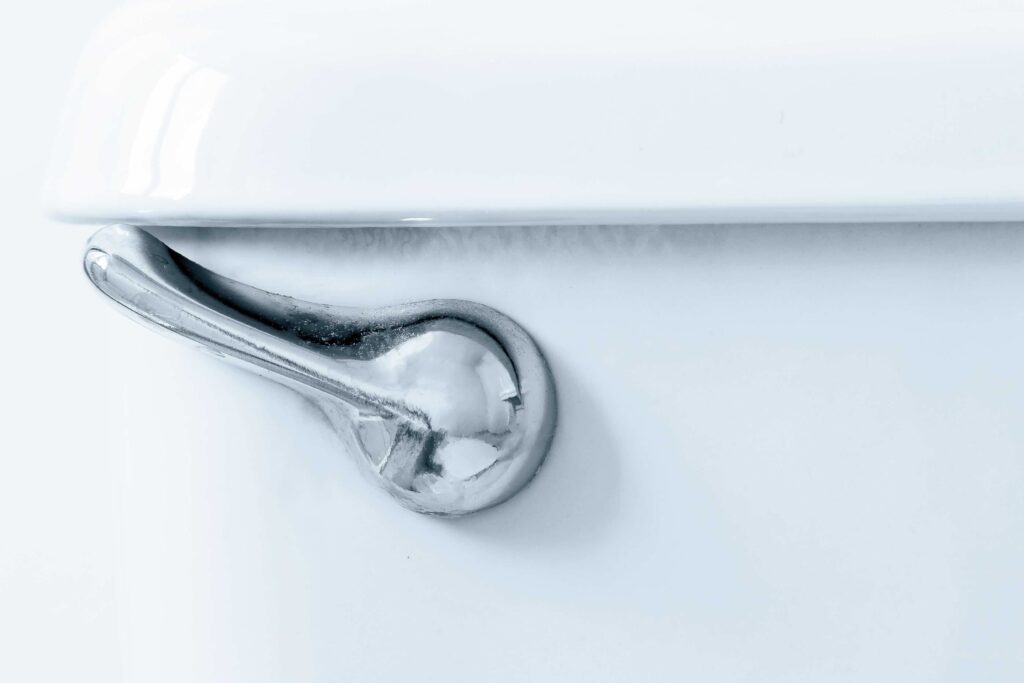
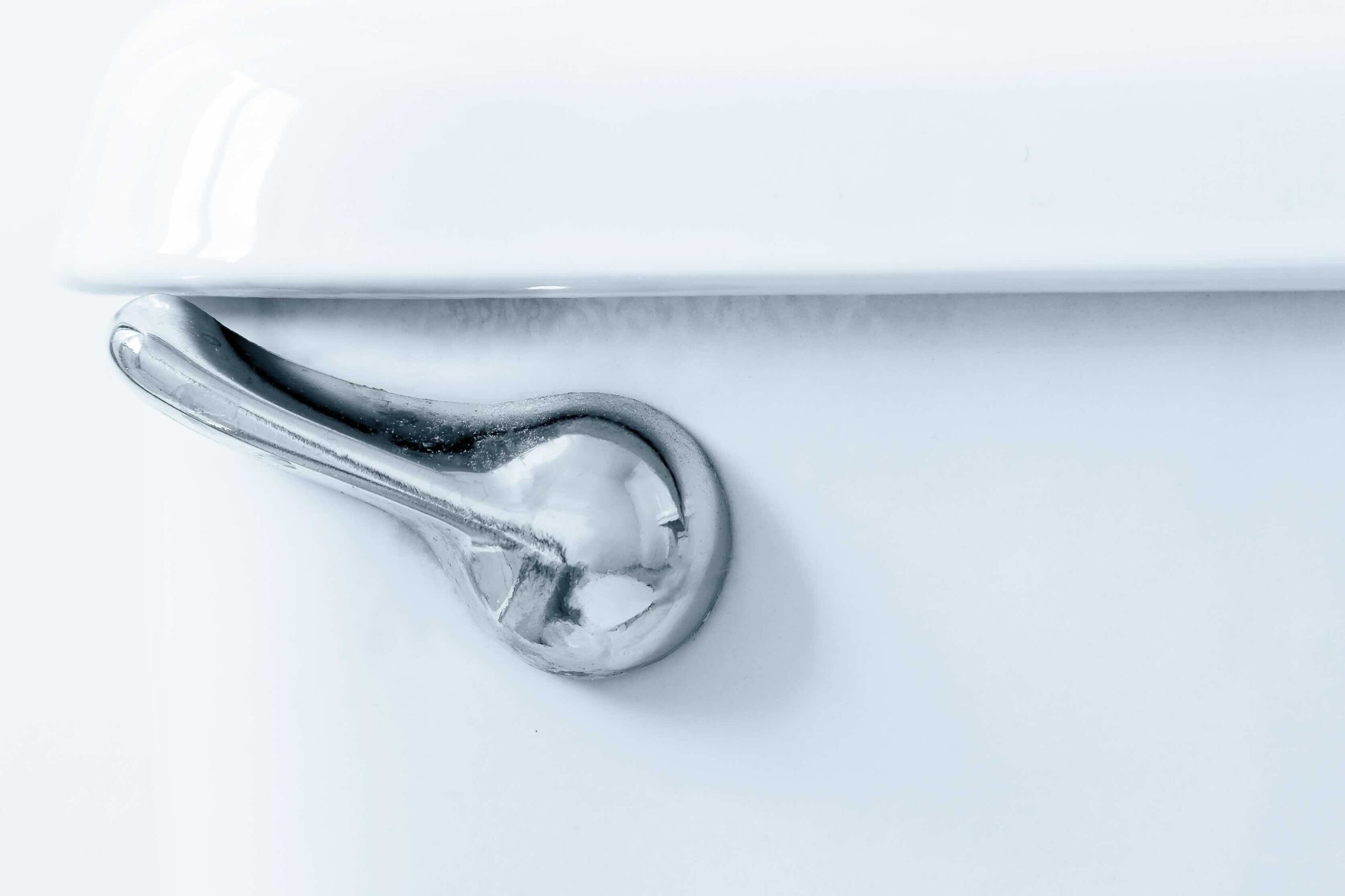
The toilet flush handle is connected to a lift arm, sometimes called a trip lever, which runs horizontally into the tank. Attached to that arm is a chain or lift wire that connects directly to the flapper at the bottom of the tank. When you press the handle, the arm lifts the chain, which raises the flapper, and water rushes from the tank into the bowl to complete the flush. It is a surprisingly simple system, which is partly why it fails in predictable ways. The handle itself, the arm, the chain, and the connection point between them are all potential failure spots. Knowing which part is the problem makes the fix faster and more accurate.
Common Reasons a Toilet Flush Handle Fails
There are a handful of reasons a flush handle starts acting up, and most of them are easy to identify just by opening the tank lid and taking a look inside. Here are the most frequently encountered culprits:
- The mounting nut connecting the handle to the tank has come loose or corroded
- The lift arm has snapped, bent, or become disconnected from the handle
- The chain linking the lift arm to the flapper is tangled, too short, or has detached entirely
- Mineral buildup from hard water has caused components to corrode or seize
- The handle itself has cracked or broken at the base where it meets the tank
Any one of these issues can result in a handle that feels loose, gets stuck in the down position, or does nothing at all when pressed. The fix depends entirely on which part is actually failing, so diagnosing it correctly before reaching for the toolbox saves time and frustration.
Step-By-Step: How to Fix a Toilet Flush Handle
Before starting any repair, turn off the water supply valve located behind or beneath the toilet. Flush the toilet once to empty the tank, then remove the lid carefully and set it somewhere stable. From there, the repair path depends on what you find. If the handle is loose, use a wrench to tighten the mounting nut inside the tank. Note that this nut is reverse-threaded, meaning it tightens counterclockwise, which trips up a lot of first-timers. If the chain has slipped off the lift arm or the flapper hook, simply reattach it. Aim for about half an inch of slack in the chain so the flapper seals properly after each flush. If the handle is cracked or the lift arm is broken, a replacement handle kit from any hardware store will do the job. These kits typically cost between five and twenty dollars and include all the hardware needed. Remove the old handle by unscrewing the mounting nut, slide out the old lift arm, and install the new assembly in reverse order. Turn the water back on, let the tank fill, and test the flush before putting the lid back on.

Tools and Materials You Will Need
One of the best things about this repair is how little it requires. An adjustable wrench or a pair of pliers handles the hardware. A new handle kit covers the parts. A towel on the floor near the base of the toilet is always a smart precaution when working around tank components. No special plumbing knowledge is required, and in most cases, the entire job takes less than thirty minutes from start to finish. That said, if the tank itself shows signs of cracking, or the flush valve seat is damaged, those are signs that a deeper plumbing issue may be present, and a licensed plumber should take a look before more damage occurs.
When a DIY Fix Is Not Enough
There are situations where the handle is just the visible symptom of a larger issue. A toilet that runs constantly after a new handle is installed may have a failing flapper or a faulty fill valve. Persistent leaking at the base of the toilet is a different problem entirely and typically involves the wax ring seal. Water on the floor around the toilet, cracks in the porcelain, or unusual sounds from the tank after flushing are all signals that something more significant is happening. These are the kinds of repairs that go beyond handle replacements and move into territory that professional service technicians should address.
The Role of Hard Water in Toilet Component Failure
Hard water is one of the most underappreciated factors in premature toilet component wear. The mineral deposits left behind by calcium and magnesium can coat the interior of the tank, stiffen moving parts, corrode metal fasteners, and cause the flush handle assembly to seize over time. Homeowners in regions with known hard water issues may find themselves replacing flush handles, flappers, and fill valves more frequently than those in areas with softer water supplies. Using white vinegar to soak affected parts periodically can slow mineral buildup, but in cases of heavy scaling, replacement is often the more practical solution.
Advantages of Handling This Repair Yourself
Fixing a toilet flush handle on your own carries real advantages. The cost of parts is low, the skill requirement is minimal, and the repair can typically be completed the same day the problem is identified. There is no need to schedule an appointment or wait for a technician when the issue is as straightforward as a disconnected chain or a loose mounting nut. Building basic plumbing confidence also pays dividends over time, as many related toilet repairs follow a similar pattern of diagnosing the specific failing component and making a targeted replacement.
Potential Drawbacks and Limitations to Consider
Every repair has limits. DIY toilet handle fixes can become complicated when the tank is made of older materials that crack easily under wrench pressure, when mounting nuts are so corroded they strip or break, or when the issue turns out to be misidentified entirely. Homeowners who are unfamiliar with reverse-threaded fasteners sometimes overtighten the mounting nut and crack the porcelain tank, which converts a twenty-dollar repair into a full toilet replacement. Patience and a light touch matter here. If there is any uncertainty about what is causing the problem, calling in a professional before attempting the fix is always a defensible choice.
Why Home Warranty Coverage Makes Sense for Plumbing Issues Like This
A toilet flush handle repair might be well within the reach of a confident homeowner, but plumbing systems as a whole are another story. Fill valves fail, supply lines develop leaks, drain lines clog, and toilets sometimes need full replacement. When those larger issues surface, having dependable coverage in place means the financial impact is contained and the repair process is streamlined. Armadillo home warranty plans for plumbing systems and appliances are built to help homeowners stay ahead of exactly these kinds of unexpected repair costs, offering straightforward coverage without the fine print confusion that tends to follow other providers. Whether a flush issue turns out to be a simple chain adjustment or a sign of a deeper system failure, being covered means having a clear path forward without guessing at repair bills. If your home is due for that kind of protection, now is a reasonable time to get a home warranty quote that covers toilet repairs and plumbing breakdowns and see what plan fits your situation.

Frequently Asked Questions About Fixing a Toilet Flush Handle
These answers address the most common questions homeowners have when dealing with a faulty toilet flush handle, from diagnosing the issue to understanding when coverage may apply.
Why does my toilet flush handle feel loose but the toilet still flushes?
A loose handle usually means the mounting nut inside the tank has loosened over time. The flush may still work because the lift arm is still partially engaging the chain, but if left unaddressed, the connection will eventually fail completely. Tightening the mounting nut counterclockwise typically resolves this issue.
Why does my toilet handle get stuck in the down position after flushing?
This is almost always a chain length issue. If the chain is too short, it gets caught under the flapper and prevents the handle from returning to its resting position. Adjusting the chain to allow approximately half an inch of slack should correct the problem immediately.
Can I replace a toilet flush handle without turning off the water?
Technically yes, but it is not recommended. Turning off the water supply and emptying the tank first gives you a dry, clear workspace and reduces the risk of accidental spills or complications during the repair. It takes only seconds and makes the process considerably safer.
How do I know if the problem is the handle or the flapper?
If pressing the handle produces no resistance and nothing happens, the issue is likely the handle or lift arm. If the handle works but the toilet runs continuously after flushing or does not flush completely, the flapper is the more probable culprit. Open the tank lid and observe both components during a flush attempt to pinpoint the failure.
Are toilet flush handles universal or do I need a specific replacement?
Most standard toilet handles are compatible with a wide range of toilet tanks, but some models, particularly those from specialty or designer brands, require brand-specific parts. Check the toilet brand and model number, often stamped inside the tank, before purchasing a replacement handle kit.
How long does a toilet flush handle typically last?
A quality flush handle assembly can last anywhere from five to fifteen years depending on water quality, frequency of use, and material. Plastic components tend to degrade faster than metal ones, and homes with hard water may see shorter lifespans due to mineral corrosion.
Does a home warranty cover toilet flush handle repairs?
Coverage varies by provider and plan. Some home warranty plans cover interior plumbing components including parts inside the toilet tank, while others may exclude specific items or limit coverage to certain failure types. Reviewing the plan details carefully before assuming coverage applies is always advisable.
What happens if I overtighten the mounting nut during installation?
Overtightening the mounting nut can crack the porcelain tank, which is not repairable and typically requires a full toilet replacement. Always apply firm but controlled pressure when tightening. If the nut feels snug and the handle no longer moves, stop tightening. The goal is secure, not maximum torque.
Is it worth repairing an old toilet handle or should I replace the entire toilet?
If the toilet itself is otherwise functioning well and the handle is the only issue, repair is almost always the right call. Toilet handle kits are inexpensive and the repair is fast. However, if the toilet is old, runs constantly, has visible cracks, or requires repeated repairs across multiple components, replacement may offer better long-term value.
Can hard water damage eventually make a toilet handle irreparable?
In extreme cases, yes. Heavy mineral buildup can fuse metal components together or cause corrosion severe enough that parts break during removal attempts. In those situations, replacing the entire handle assembly and inspecting other tank components for similar damage is the most practical approach.