How to Fix a Toilet Flush Handle: A Homeowner’s Guide
Among the many small tasks that keep a home running smoothly, fixing a toilet flush handle is one of the most straightforward—and surprisingly crucial. For homeowners, understanding how this component works not only saves time and money, but also helps extend the life of your plumbing system. In a typical household, the flush handle is used multiple times a day, so when it malfunctions, it creates a noticeable disruption. This guide will walk you through what a toilet flush handle is, how it operates, why it can fail, how to fix it, and when it’s best to call in professional support. We’ll also explore how a home warranty can protect your plumbing system and provide peace of mind when surprises inevitably occur.
What Is a Toilet Flush Handle and What Does It Do?
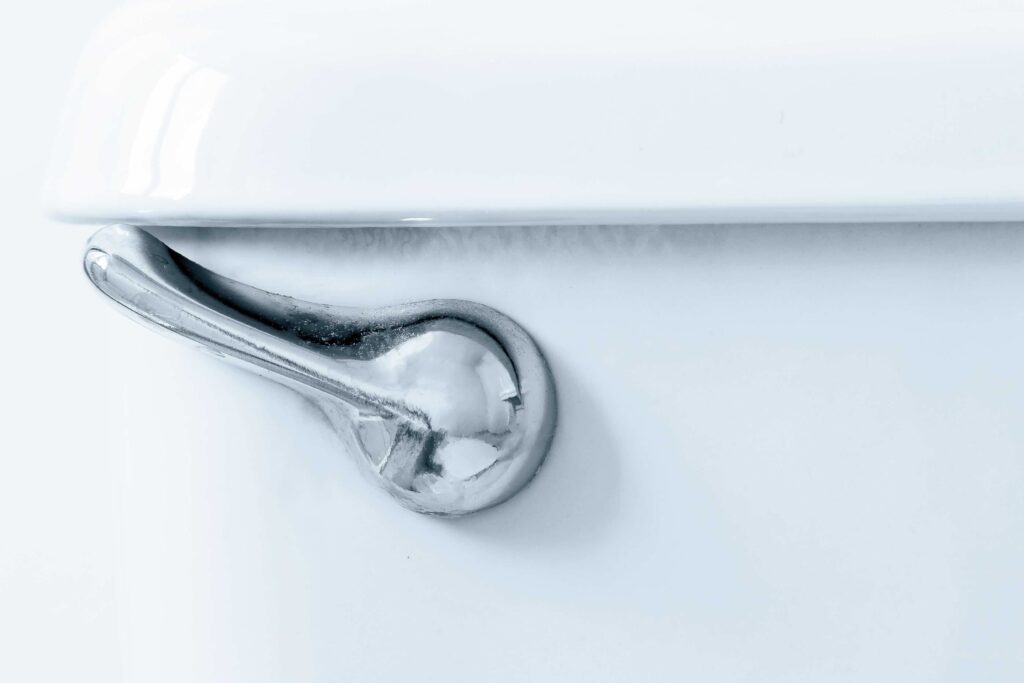
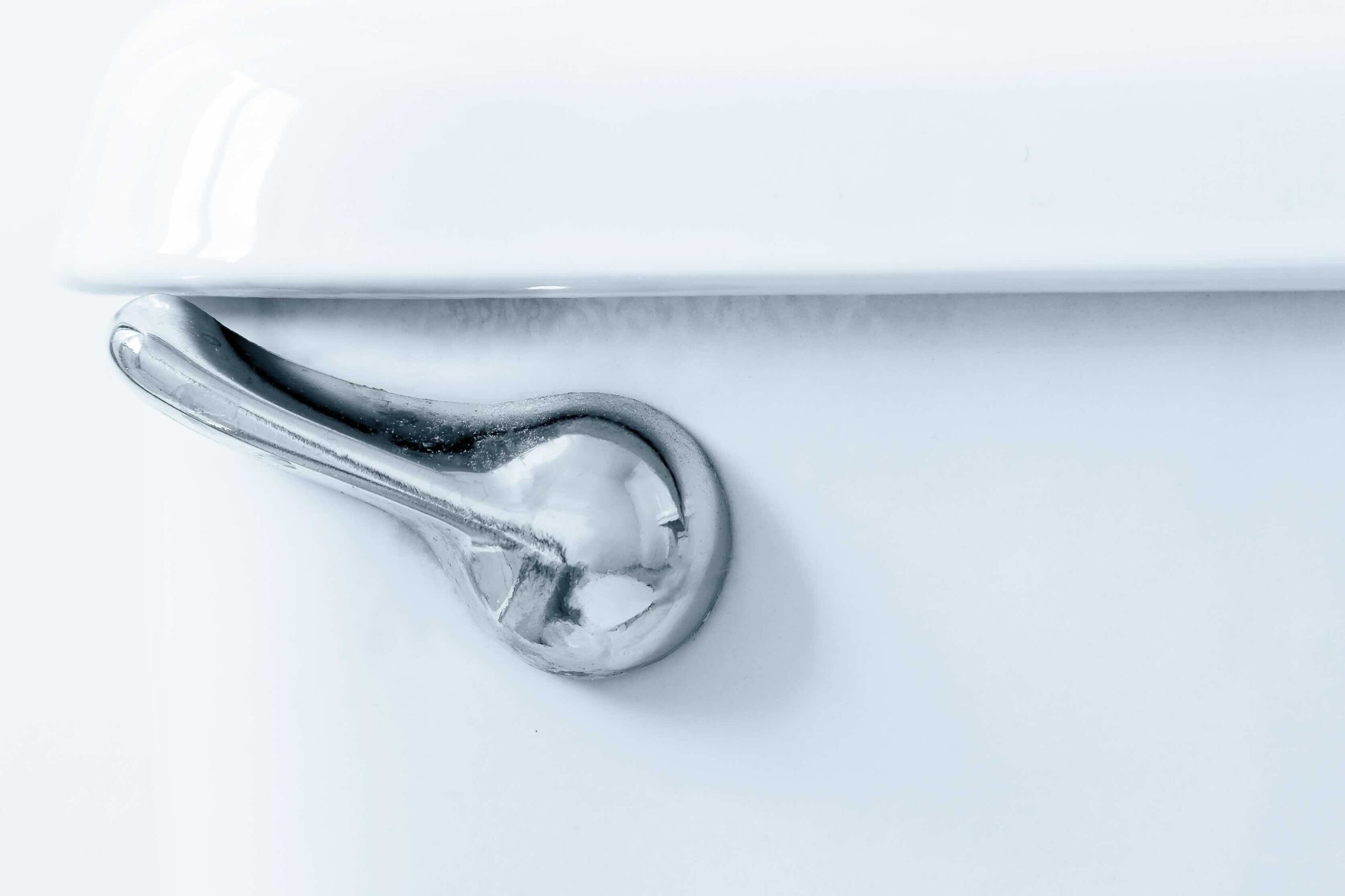
The flush handle is the external lever located on the tank of a standard toilet, but its true function lies within a simple mechanism inside the tank. When you press the handle, it lifts a chain or rod attached to a flapper. The flapper then lifts, allowing water to rush from the tank into the bowl to flush away waste. Once all the water empties from the tank, the flapper falls back into place, sealing the tank so it can refill.
This mechanism isn’t glamorous—few plumbing components are—but it’s essential. Every flush depends on the reliable interaction between the handle, the lift chain, and the flapper valve. If any of those pieces stop working together in sync, you’ll notice. Luckily, most fixes are straightforward and affordable.
Common Issues with Toilet Flush Handles
Toilet handles can fail for several reasons, but most issues arise from wear and tear over time. The most common problem is a loose handle, caused by either a worn-out mounting nut or corrosion around the pivot point. Other times, the plastic or metal arm inside the tank can break or bend, preventing the handle from lifting the flapper properly. Occasionally, the connecting chain can loosen or detach entirely, rendering the entire flushing mechanism ineffective.
Another frequent issue is corrosion. In homes with hard water or older plumbing systems, mineral deposits can build up inside the tank and around the flush components. This not only adds friction but can compromise moving parts, making everything stiffer or even completely stuck.
How to Fix a Toilet Flush Handle
Most repairs require only basic tools and a few minutes of focus. Start by removing the tank lid, placing it somewhere safe, and inspecting the handle assembly. If the handle is loose, tighten the plastic or metal mounting nut inside the tank using an adjustable wrench. Note that the nut is usually reverse-threaded, so turning it clockwise to loosen and counterclockwise to tighten is typical in these cases.
If the handle arm is bent or broken, you’ll need to replace it. Most hardware stores carry universal replacements, and installation is simple: disconnect the old chain, unscrew the handle assembly, replace it with the new unit, and reconnect the chain. Make sure the chain has a little slack but not too much—too tight, and the flapper might not seal; too loose, and the flapper won’t lift.
If corrosion is limiting movement, gently scrub the mechanism with an old toothbrush and white vinegar. Avoid harsh chemicals that can deteriorate rubber components over time. After performing the repair, run a few test flushes to ensure the system operates smoothly and the tank refills properly.
Should You DIY or Call a Plumber?
Most toilet flush handle issues are simple enough for confident homeowners with a few basic tools. However, if your fix doesn’t solve the problem or there are signs of deeper issues—such as water leaking near the tank, a constantly running toilet, or low flushing power—it might be indicative of a more extensive problem within your plumbing system. In that case, professional assistance ensures the job is done correctly, safely, and in accordance with local plumbing codes.
Homeowners should consider their comfort level and available time when deciding whether to proceed with a DIY repair. While many enjoy the satisfaction of fixing a common household issue, there’s no harm in calling a professional if the situation escalates beyond the basics.
How This Ties Into a Home Warranty
Plumbing systems are often covered under standard home warranty plans. While a home warranty will not typically cover cosmetic features like a loose toilet handle, the components it connects to—such as the flapper, fill valve, and flush valve—are often included. If a handle issue is a symptom of a deeper mechanical failure, such as an internal leak or valve malfunction, a home warranty can help offset repair or replacement costs.
With routine use, plumbing fixtures wear down over time. A home warranty plan with plumbing coverage acts as a safety net, ensuring you’re not solely responsible for unexpected repair bills. It adds predictability to your home maintenance costs and helps you respond quickly when issues arise—flush handle-related or otherwise.
Key Benefits of Fixing a Flush Handle Quickly
While it may seem minor, a malfunctioning flush handle disrupts daily operations, wastes water, and can create frustration over time. A broken handle may prevent full flushes, cause a running toilet, or force other household members to adapt in inconvenient ways. Addressing the issue promptly improves efficiency and prevents unnecessary strain on other parts of the toilet’s plumbing system.
Fixing this small problem also improves your overall home care routine. Small repairs like this one reinforce attentiveness and promote long-term preservation of your plumbing. When you catch and fix simple issues early, you reduce the need for larger, more expensive repairs down the line.
Preventive Maintenance for a Longer-Lasting Toilet
Performing regular maintenance on your toilet reduces the frequency of flush handle failures. Start by checking the internal parts inside the tank every six months. Look for signs of wear, mineral buildup, or broken chains. Clean components gently and ensure the flush mechanism moves without resistance. Use distilled white vinegar to clean around seals and moving joints to extend their functionality.
Additionally, avoid using drop-in tank tablets that contain bleach or other abrasive chemicals. While convenient, these products often damage rubber and metal parts inside the tank, accelerating wear. Stick to gentle cleaning products and always consult your toilet manufacturer’s instructions before attempting internal maintenance.
Protect Your Plumbing with Armadillo
Maintaining your home’s plumbing—including the simple toilet flush handle—might feel straightforward, but when issues go beyond the basics, it pays to have professional backup. That’s where Armadillo steps in. With a modern, customizable home warranty plan, Armadillo helps homeowners tackle unexpected plumbing concerns with confidence. Whether dealing with faulty valves, leaks, or full toilet replacements, our experienced support means fewer surprises and faster resolutions. Explore plan options tailored to your needs by visiting armadillo.one, or get started on customizing your home warranty coverage at armadillo.one/plan-builder. Protect what matters, flush after flush.