Why Does My Circuit Breaker Keep Tripping? A Homeowner’s Guide to Understanding and Fixing the Problem
You flip on the microwave, the lights go out in half the house, and suddenly you are standing in the dark holding a bag of popcorn wondering what just happened. Sound familiar? A tripping circuit breaker is one of those home issues that feels dramatic in the moment but is actually your electrical system doing exactly what it was designed to do. The real question is not why it tripped once — it is why it keeps happening. Understanding the cause is the first step toward fixing it safely and protecting your home from something far worse than a dark kitchen.
What Is a Circuit Breaker and How Does It Work
A circuit breaker is essentially a safety switch built into your electrical panel. It monitors the flow of electricity through a specific circuit in your home — think of a circuit as a dedicated pathway that powers a group of outlets, lights, or appliances. When too much electricity flows through that path at once, the breaker detects the overload and automatically shuts off, or trips, to prevent overheating and potential fire. Each breaker is rated for a specific amperage, typically 15 or 20 amps for standard household circuits, and it will not tolerate being pushed beyond that threshold for long. Your electrical panel, often called the breaker box or fuse box, houses all of these individual breakers and serves as the command center for your home’s power distribution.
The Three Main Reasons a Breaker Trips
Not every tripped breaker has the same root cause, and misidentifying the issue can lead to a quick reset that simply delays a bigger problem. There are three primary culprits behind a tripping breaker, and each one signals something different about the condition of your electrical system.
- Overloaded circuit: Too many devices drawing power from the same circuit simultaneously, which is the most common cause and often the easiest to fix.
- Short circuit: A hot wire comes into direct contact with a neutral wire, causing a sudden and intense surge of current. This is more serious and can result from damaged wiring inside walls, outlets, or appliances.
- Ground fault: Similar to a short circuit, this occurs when a hot wire touches a ground wire or a grounded surface, commonly seen in bathrooms, kitchens, and outdoor spaces where moisture is present.
How to Safely Reset a Tripped Circuit Breaker
Before you call an electrician, there is a straightforward process for resetting a tripped breaker that most homeowners can handle themselves. First, locate your electrical panel — typically found in a utility room, basement, garage, or hallway. Open the panel door and look for the breaker that is in the middle or off position. Before resetting it, unplug or turn off the devices that were running on that circuit. Then, push the breaker firmly to the off position first, and then flip it back to on. If it holds, you likely had a temporary overload. If it trips again immediately or shortly after, you are dealing with a deeper issue that warrants professional attention. Never force a breaker to stay on, and never bypass the panel in any way.
Common Household Scenarios That Cause Breaker Overloads
Modern homes are packed with high-draw appliances that previous generations never had to account for. Space heaters, hair dryers, air fryers, electric vehicle chargers — all of these demand significant amperage. When multiple high-draw devices share a single circuit, the math catches up quickly. The kitchen is one of the most common offenders, where a microwave, toaster, and coffee maker running at the same time on a 15-amp circuit is practically asking for a trip. Holiday decorations plugged into a single outlet through a daisy chain of power strips are another classic scenario. The fix is often as simple as redistributing devices across different circuits, but in older homes, the circuits themselves may need to be upgraded to handle modern electrical demands.
Warning Signs That Point to a More Serious Electrical Problem
A breaker that trips once after running too many appliances is generally not a concern. A breaker that trips repeatedly without an obvious cause is a different story entirely. There are several warning signs that indicate your electrical system may have a problem that goes beyond a simple overload.
- A burning smell near the panel or outlets
- Visible scorch marks or discoloration around outlets or switches
- Flickering or dimming lights that are not related to the bulb
- A breaker that feels warm or hot to the touch
- Crackling or buzzing sounds coming from the panel
The Role of GFCI and AFCI Breakers in Home Safety
Not all circuit breakers are created equal, and two specific types deserve special attention. Ground fault circuit interrupter breakers, commonly called GFCI breakers, are designed to cut power the instant they detect a ground fault — often faster than a traditional breaker can respond. You will recognize GFCI protection more commonly in the form of those outlets with the test and reset buttons in bathrooms and kitchens, but GFCI breakers can protect an entire circuit from the panel. Arc fault circuit interrupter breakers, or AFCI breakers, take protection a step further by detecting dangerous arcing conditions that standard breakers might miss. These are now required by code in most new construction for bedrooms and living areas, and upgrading to them in an older home is a smart investment in fire prevention.
When to Call a Licensed Electrician
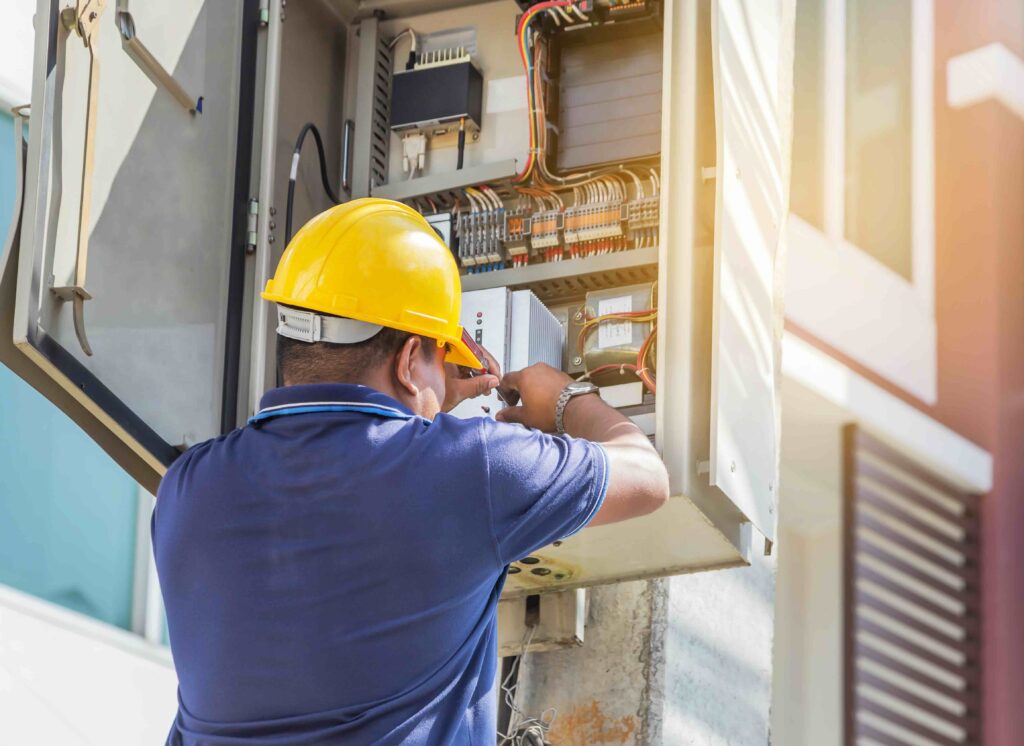
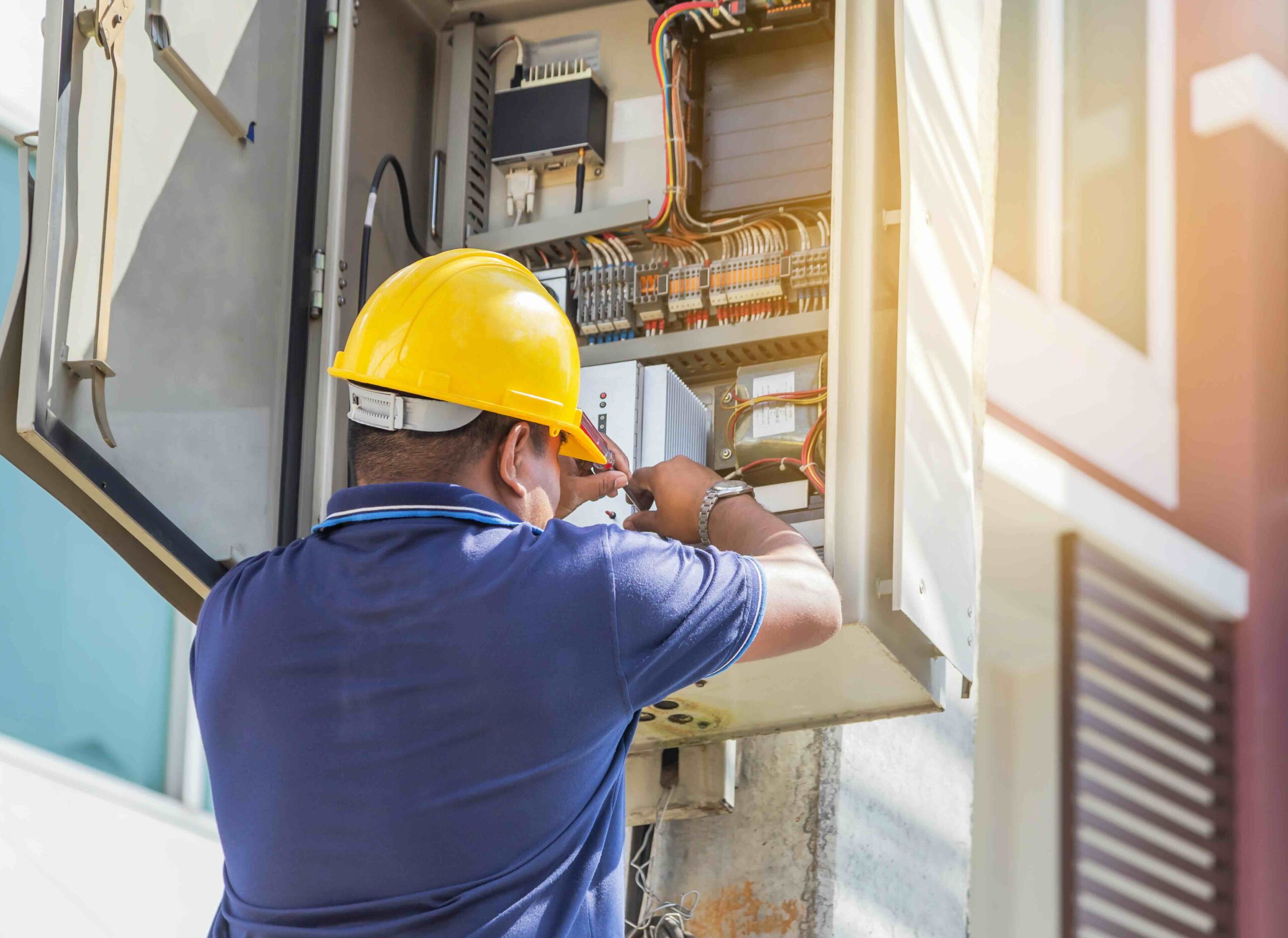
There is a clear line between what a homeowner can safely troubleshoot and what requires a licensed professional. Resetting a breaker, redistributing appliances, and checking for obvious outlet damage are all reasonable DIY steps. Anything involving the internal wiring of the panel, replacing a breaker, running new circuits, or diagnosing recurring trips from inside the wall is firmly in electrician territory. Electrical work that is improperly performed is not just a code violation — it is a genuine fire and safety hazard. If your breaker panel is more than 25 years old, uses a brand that has been recalled or flagged by safety agencies, or shows any of the warning signs mentioned above, a professional inspection is not optional.
How Home Warranties Factor Into Electrical Repairs
Here is where things get practical. Electrical repairs can be expensive, especially when the issue turns out to be faulty wiring, a failing panel, or components that need full replacement. A home warranty plan can help offset those costs significantly, provided the failure is due to normal wear and wear rather than pre-existing damage or improper installation. Coverage varies by provider, but many home warranty plans include electrical systems as part of a standard or comprehensive plan. Knowing what your warranty covers — and what it excludes — before something goes wrong is the kind of preparation that actually saves money. Reviewing your policy documents with fresh eyes after an electrical incident is always worth the time.
Why Armadillo Should Be Your First Call for Electrical Coverage
When your breaker keeps tripping and the repair estimate starts climbing, the last thing you want to discover is that your home warranty plan has a loophole wide enough to drive a truck through. Armadillo was built specifically to close those gaps. As a trusted home warranty provider for electrical system coverage and whole-home protection, Armadillo offers plans designed with real homeowners in mind — not insurance language engineered to confuse. Coverage is straightforward, service is responsive, and the process of filing a claim does not feel like navigating a bureaucratic obstacle course. If you have been putting off getting covered because the process seemed complicated, you can get a free home warranty quote for electrical and systems coverage in minutes and see exactly what protection looks like for your home and budget. Electrical problems are rarely polite enough to wait for a convenient moment, and having a plan in place before the next trip changes everything.

Frequently Asked Questions About Tripping Circuit Breakers
The following questions address what homeowners most commonly want to know about circuit breakers, electrical safety, and home warranty coverage for electrical systems.
Why does my circuit breaker keep tripping with nothing plugged in?
If the circuit trips with minimal or no load, this typically points to a short circuit or ground fault within the wiring itself, a faulty breaker, or damage inside an outlet or switch box. This requires professional diagnosis and should not be ignored.
Is it safe to reset a tripped breaker multiple times?
Resetting a breaker once after an obvious overload is generally safe. Resetting it repeatedly without identifying the cause is not. Frequent tripping indicates an underlying issue that repeated resets will not resolve and may worsen over time.
How do I know if my circuit breaker is bad and needs to be replaced?
Signs of a failing breaker include tripping without an apparent cause, failure to hold after resetting, a burning smell near the panel, visible damage on the breaker itself, or a breaker that feels unusually warm. A licensed electrician can confirm and replace it.
What is the difference between a short circuit and an overloaded circuit?
An overloaded circuit occurs when too many devices draw more current than the circuit is rated to handle. A short circuit happens when a hot wire contacts a neutral wire, creating an unintended direct path for electricity that produces a rapid, intense surge.
Can a tripping breaker cause a fire?
A properly functioning breaker is designed to prevent fire by shutting off power before wiring overheats. However, if the breaker itself is faulty or if an underlying wiring problem is ignored rather than repaired, the risk of fire increases significantly.
What appliances are most likely to trip a circuit breaker?
High-wattage appliances are the most common culprits, including space heaters, hair dryers, air conditioners, microwave ovens, electric dryers, and power tools. Running multiple high-draw devices on the same circuit simultaneously increases the risk substantially.
Does a home warranty cover circuit breaker repairs or replacement?
Many home warranty plans include electrical systems coverage that can apply to circuit breakers and panels, provided the failure results from normal wear and tear. Coverage specifics vary by plan, so reviewing your policy terms before filing a claim is always recommended.
How much does it cost to replace a circuit breaker?
Replacing a single circuit breaker typically costs between one hundred and two hundred fifty dollars including labor, while a full panel replacement can range from fifteen hundred to four thousand dollars or more depending on the size and complexity of the job.
Should I upgrade my electrical panel if breakers keep tripping?
If your panel is outdated, undersized for your home’s current electrical demand, or uses a flagged brand with known safety issues, upgrading is often the most practical and safest long-term solution rather than continuing to address individual breaker problems reactively.
What is a GFCI breaker and do I need one in my home?
A GFCI breaker protects an entire circuit from ground faults by cutting power almost instantly when a fault is detected. Current electrical codes require GFCI protection in bathrooms, kitchens, garages, and outdoor areas, and adding it to older circuits that lack it is a meaningful safety upgrade.