How to Flush a Gas Hot Water Heater: A Homeowner’s Guide to Longevity and Efficiency
A gas hot water heater is one of the most relied-upon systems in your home, producing hot water for showers, washing dishes, and laundry without demanding much attention in return. But like any critical home system, it needs a little care to keep running efficiently. Flushing your gas water heater—yes, actually draining it—is a vital maintenance task that helps extend its life, improve heating performance, and prevent unexpected breakdowns. If you’ve never done it or only vaguely know of the process, this guide explains the “what,” “why,” and “how,” as well as some pros and cons to keep in mind before putting it on your weekend list.
What Is a Gas Water Heater and Why Flush It?
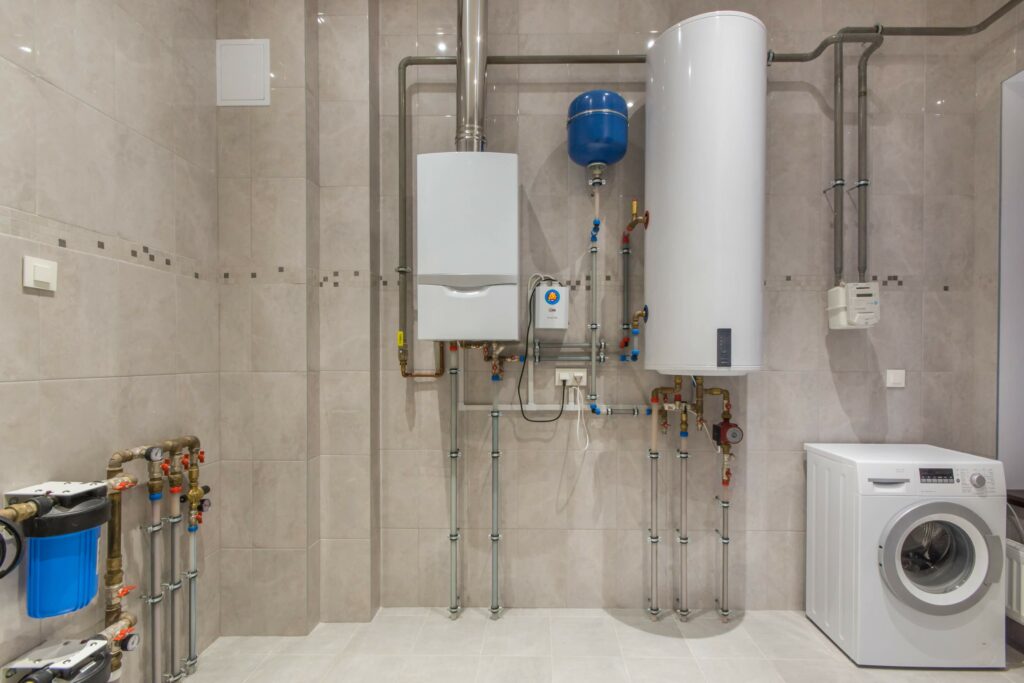
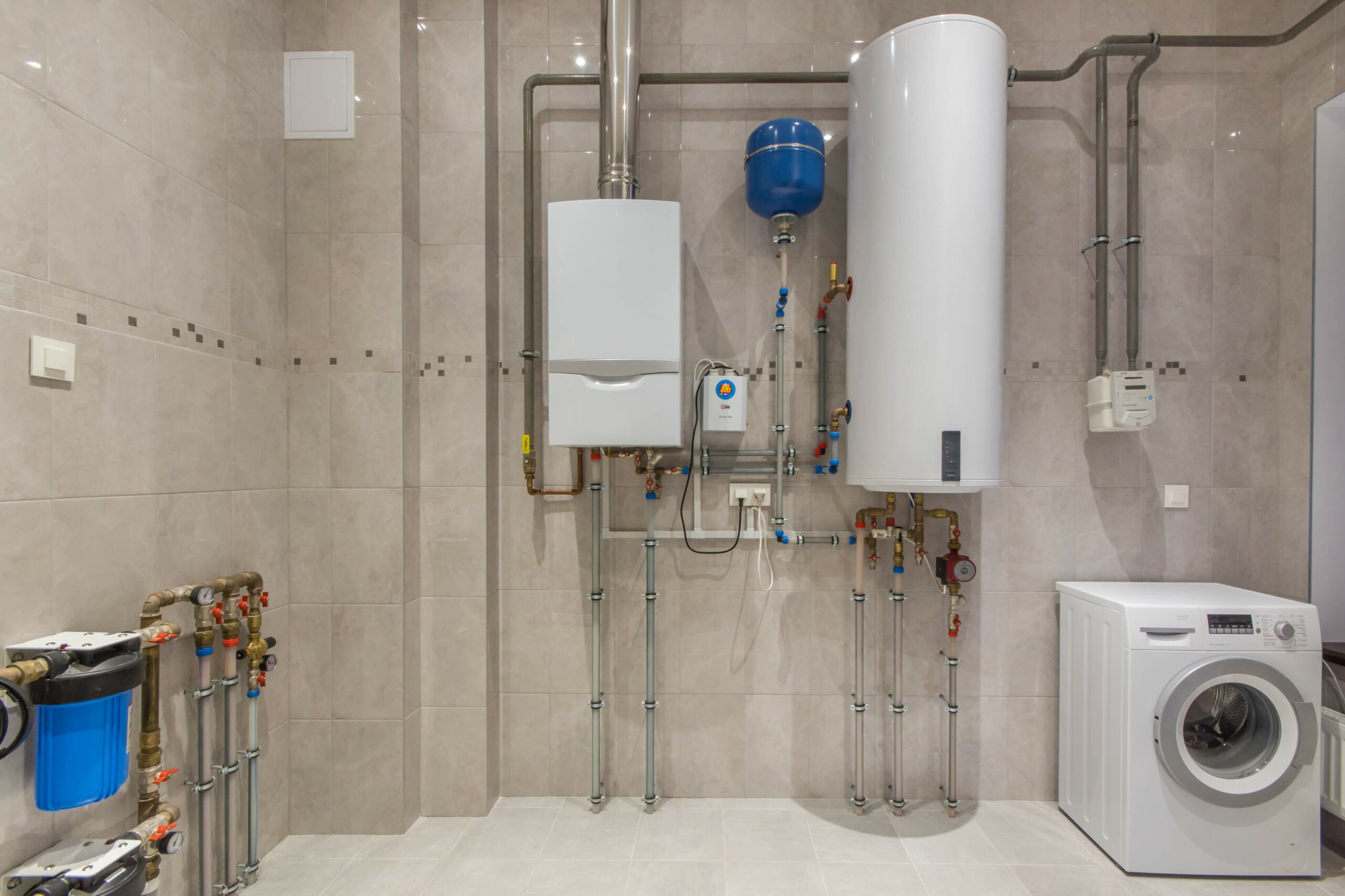
A gas hot water heater works by using natural gas or propane to heat cold water that flows into the tank from your home’s supply line. A burner situated below the tank ignites, warming the water as it sits in the tank’s reservoir. The heated water is stored until one of your fixtures or appliances demands it—then it moves through your plumbing system to where it’s needed.
Over time, like any system interacting with minerals from water, sediment builds up at the bottom of the tank. This buildup mostly consists of calcium and magnesium, the byproducts of hard water, which are harmless to people but not to the heater’s internal components. The sediment can insulate the water from the burner flame, force longer heating times, reduce tank capacity, and in some cases, cause odd noises—like popping or rumbling. Eventually that wear and tear can lead to premature failure. Flushing the tank helps you avoid all of that. It’s essentially hitting the reset button.
How the Flushing Process Works
The process is straightforward but requires attention to detail. It starts with turning off the gas supply and letting the water in the tank cool. Once safe, you connect a standard garden hose to the drain valve, typically found near the base of the tank. That hose should lead to a drain or outside area—gravity will take care of the rest. You open the valve and let the tank empty, ideally stirring up and removing most of the collected sediment. After that, you close the valve, refill the tank, and relight the pilot. The total time cost? Around 45 minutes. Minimal effort, maximum benefit.
How Often Should You Flush a Gas Water Heater?
The industry standard recommendation is once a year, though in areas with particularly hard water, homeowners may benefit from flushing every 6 months. Some warranties—even home warranties—require this routine maintenance to stay valid. Skipping it one year might not cause immediate problems, but the tank’s performance and longevity take a measurable hit over time.
If you’re unsure about your local water hardness levels, most municipal water suppliers provide public reports that break them down. Alternatively, a basic hard water test kit from a hardware store can give you a quick answer. Either way, consistent flushing frequency tailored to your water quality keeps your system optimized.
Benefits of Flushing Your Hot Water Heater
Energy efficiency is one of the standout advantages. When sediment covers the bottom of the tank, the burner needs to work harder and use more gas to heat the same volume of water. Flushing restores efficient heat transfer, potentially lowering your monthly utility bills. You also reduce noisy operation, which is often the first sign homeowners notice when sediment buildup becomes significant.
Additionally, by flushing the tank, you extend its life expectancy. Most gas hot water heaters have a lifespan of 8 to 12 years, but without regular maintenance, internal corrosion and stress can cause premature failure. Flushing clears corrosive particles that could damage the lining of the tank or compromise the anode rod, a critical component designed to resist internal rusting. And finally, flushing maintains clean water supply. Stagnant sediment can discolor water or give it a mildly metallic taste—flushing resolves that too.
Common Drawbacks to Be Aware Of
While important, flushing a water heater does come with minor inconveniences. It requires temporarily shutting down your water system and access to your gas supply. For larger households, having the water off for 30 to 60 minutes might disrupt routines. Also, if you haven’t flushed your tank in several years, the sediment could have hardened, making it more difficult to remove entirely. In extreme cases, professional descaling might be required.
There’s also the risk of improper re-ignition. Gas pilot lights may require manual lighting depending on the model, and doing so incorrectly could result in incomplete combustion or unnecessary gas release. Homeowners uncomfortable with handling gas appliances may want to contract a licensed technician for safety. While flushing is largely DIY-friendly, it demands precision.
Safety Considerations Every Homeowner Should Know
Anytime you work with both gas and water, safety comes first. Always ensure the gas supply to the unit is turned off completely before beginning. Double-check that the water temperature setting on the thermostat has had time to lower to a safe level—ideally under 100°F—before draining. Use heat-resistant gloves and avoid direct contact with drained water, particularly if the unit was in use recently.
If your heater lacks a clear shutdown procedure, refer to the manufacturer’s manual or sticker instructions found directly on the tank. Missteps with gas appliances, even seemingly small ones, can create dangerous situations involving carbon monoxide or leaks. Take every precaution slowly and deliberately.
When to Bring in a Professional
Flushing your gas water heater can be a satisfying DIY task, but there are times when hiring a professional makes sense. If you hear persistent noises after flushing, it could indicate your unit has an internal fault, such as deteriorating sediment buildup or aging components. Likewise, if your system is past the 10-year mark, a flush might not add much additional life but rather delay the inevitable need for a replacement.
Licensed plumbers also look beyond sediment removal. They perform pressure relief valve checks, examine flue venting, and assess combustion efficiency—tasks that go deeper than a surface-level flush. For homeowners with busy schedules or low confidence around gas systems, a preventive maintenance visit can be worth the peace of mind.
Protect Your Hot Water Heater (and Everything Else) With Armadillo
Your gas hot water heater is a central player in your home’s comfort and functionality—but unforeseen breakdowns can still happen, even with the best maintenance habits. That’s where a modern home warranty from Armadillo becomes critical. Armadillo covers key home systems and appliances, including gas hot water heaters, offering affordable repair and replacement protection without the hassle or hidden fine print. If your water heater fails despite your efforts to keep it in top shape, help is just a click away. Explore coverage options tailored to your home by visiting armadillo.one or start building your personalized plan instantly at our plan builder. Your home deserves that level of care—every major system, protected without pause.