Why Does Your Home Still Smell Like Burnt Something — And What Can You Actually Do About It?
You cooked something a little too long, an appliance overheated, or maybe there was a minor electrical issue — and now that smell is just… living in your house. It clings to walls, settles into furniture, and no amount of candles seems to touch it. Getting rid of a burnt smell in your home is one of those tasks that sounds simple until you are actually trying to do it. The good news is that there is a clear, methodical way to handle it. The better news is that understanding why the smell persists helps you get ahead of it faster and smarter.
What Causes a Burnt Smell to Linger in a Home?
Burnt odors are not just unpleasant — they are chemically stubborn. When something burns, it releases microscopic particles and volatile organic compounds that embed themselves into porous surfaces like drywall, upholstery, carpets, and even wood. These particles do not simply float away. They settle. And depending on the source of the burn — food, plastic, rubber, wiring — the compound makeup changes, which is why some smells are far harder to neutralize than others. An overheated appliance motor, for instance, releases a distinct acrid odor that is different from scorched food, and it requires a different approach entirely.
First Step: Identify and Eliminate the Source
Before doing anything else, track down the origin of the smell. This matters more than most people realize. If it was a cooking incident, the source is likely contained. But if the smell has an electrical quality to it — something sharp, almost chemical — that deserves a closer look at your appliances, outlets, and HVAC system. Do not skip this step. Masking a smell that is being continuously generated is a losing battle, and in the case of electrical burning smells, it could signal a genuine safety concern that needs professional attention before anything else.

Ventilation Is the Foundation of Odor Removal
Once the source is addressed, ventilation is your first and most powerful tool. Open windows and doors on opposite sides of the home to create cross-ventilation. This forces fresh air through the space and starts displacing the odor-saturated air. Run exhaust fans in the kitchen and bathrooms. If you have ceiling fans, use them. The goal is air movement and air exchange. This step alone will not solve a deep-set burnt smell, but it significantly reduces the concentration of airborne particles while you work through the rest of the process.
How to Clean Surfaces That Are Holding the Smell
Hard surfaces are more forgiving than soft ones. A solution of white vinegar and water works well on walls, countertops, and sealed floors. Baking soda paste can be applied to stubborn spots and left for a few hours before wiping clean. For painted walls, be cautious about saturation — you want to clean, not damage. Soft surfaces require more effort. Carpets, rugs, and upholstered furniture should be treated with a baking soda application: sprinkle generously, let it sit for several hours or overnight, then vacuum thoroughly. Curtains and washable fabrics should go straight into the laundry with a cup of white vinegar added to the wash cycle.
Your HVAC System Is Probably Part of the Problem
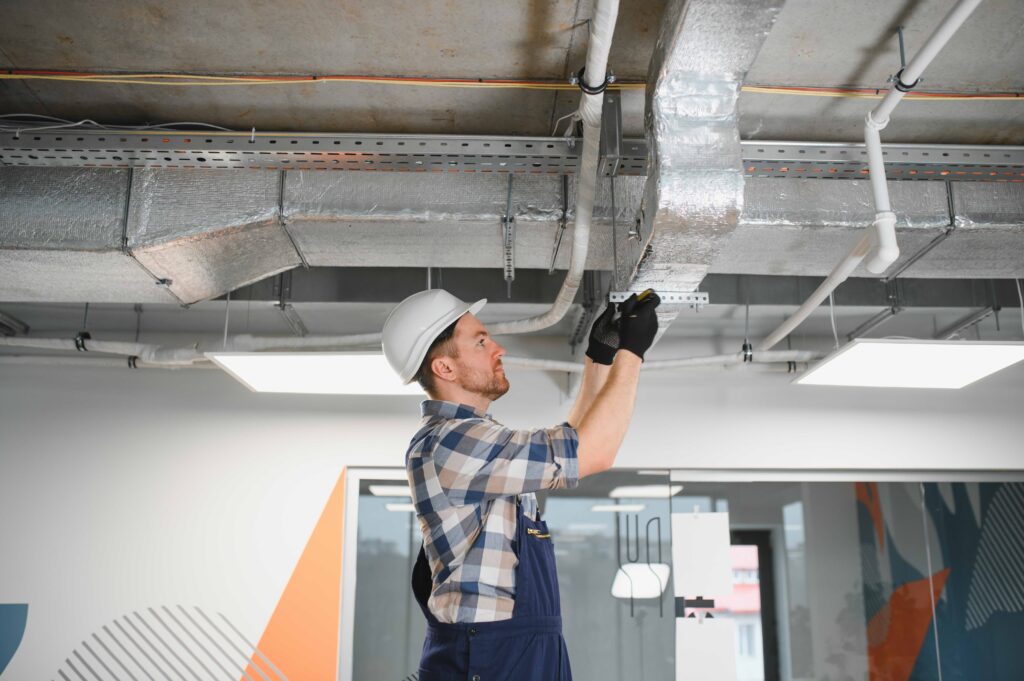
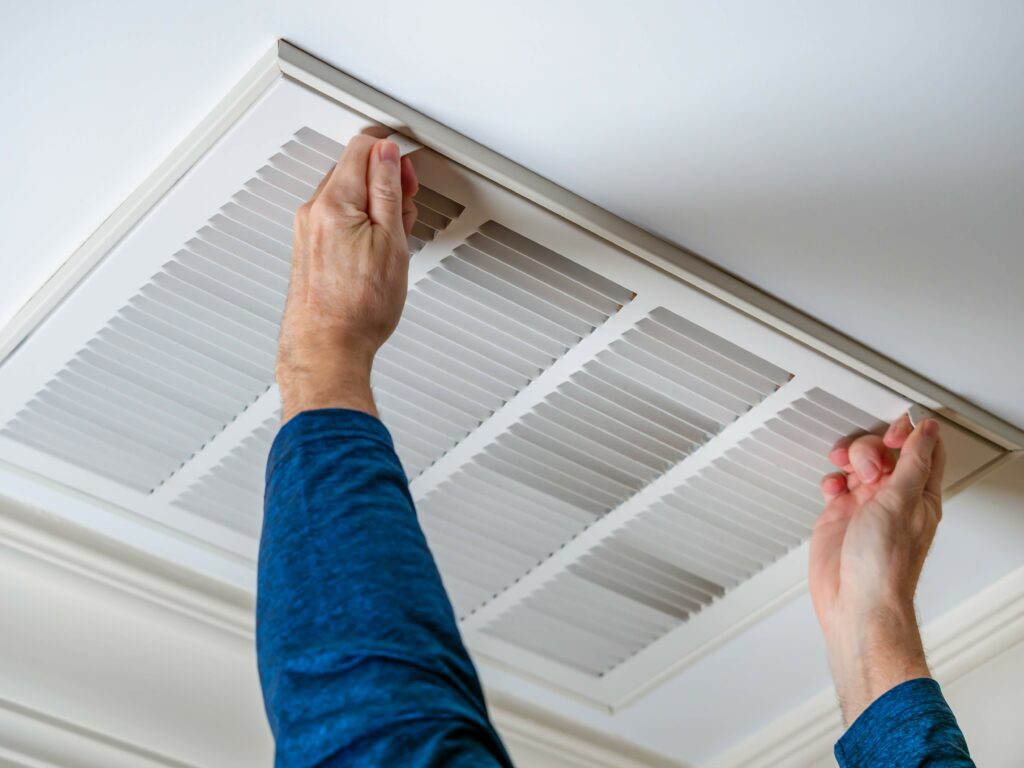
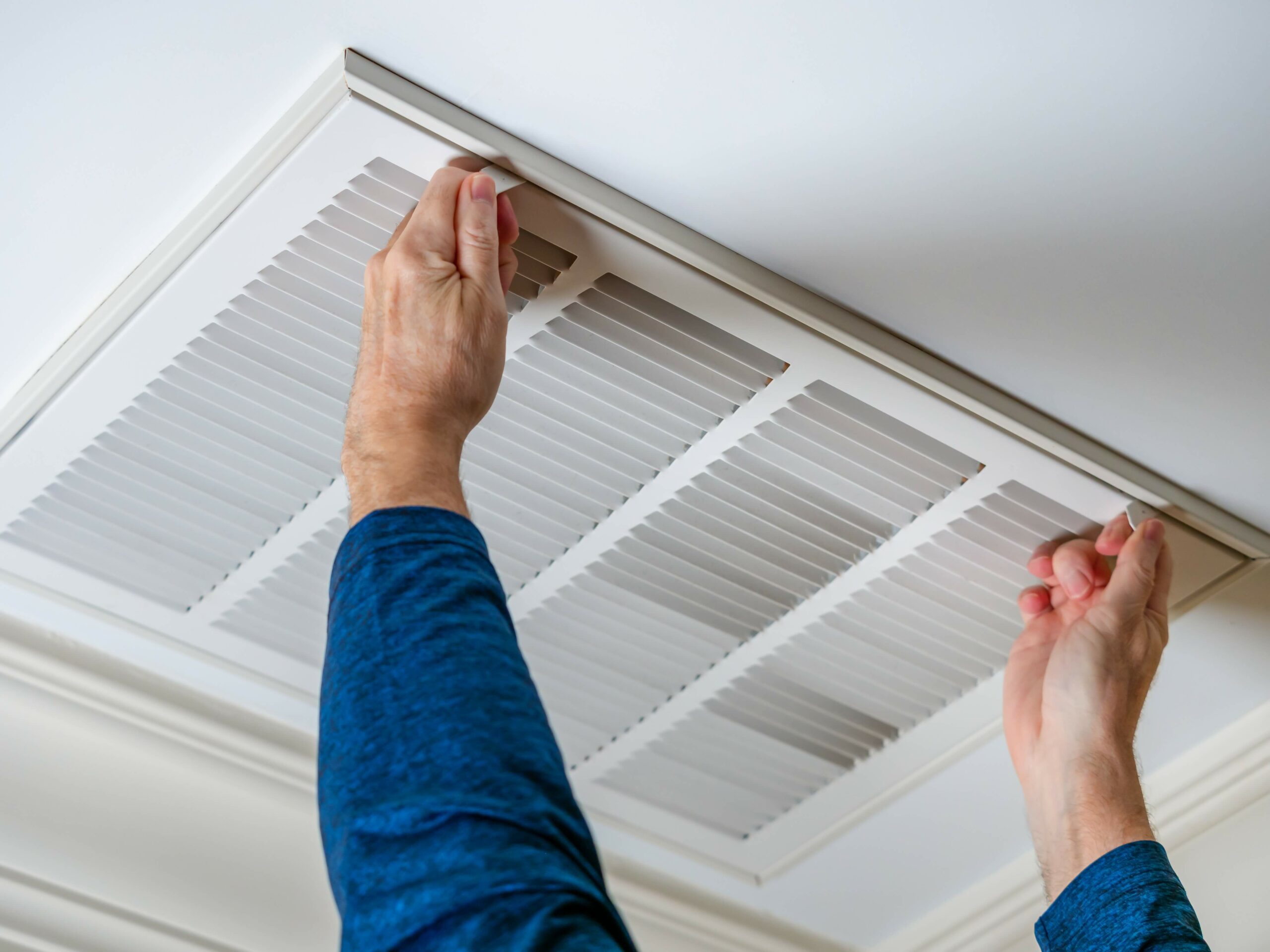
This is the step that homeowners most commonly overlook. Your heating and cooling system circulates air throughout the entire home — which means it also circulates odor particles. If your HVAC pulled in burnt air, those particles are likely sitting in your ducts, on your filter, and potentially on the coils. Replace the air filter immediately. It is a low-cost step with an immediate impact. If the smell was significant, consider having your ducts professionally cleaned. For ongoing improvement, activated charcoal air purifiers placed near return vents can help capture residual particles as the system runs.
Activated Charcoal and Odor Absorbers: What Actually Works
Not all odor-fighting products are created equal. Here is a practical breakdown of what tends to work:
- Activated charcoal bags placed in affected rooms absorb airborne particles passively over several days and are reusable when placed in sunlight periodically.
- Bowls of white vinegar set out in affected rooms overnight help neutralize — not just mask — odor compounds in the air.
- Baking soda in open containers works similarly and is especially effective in enclosed spaces like cabinets or closets.
- Commercial odor eliminators with enzymatic formulas break down odor molecules at a chemical level rather than covering them with fragrance.
- Air purifiers with HEPA and activated carbon filtration provide continuous particle removal, which is especially useful during the first few days after a burning incident.
When the Smell Is Coming From an Appliance
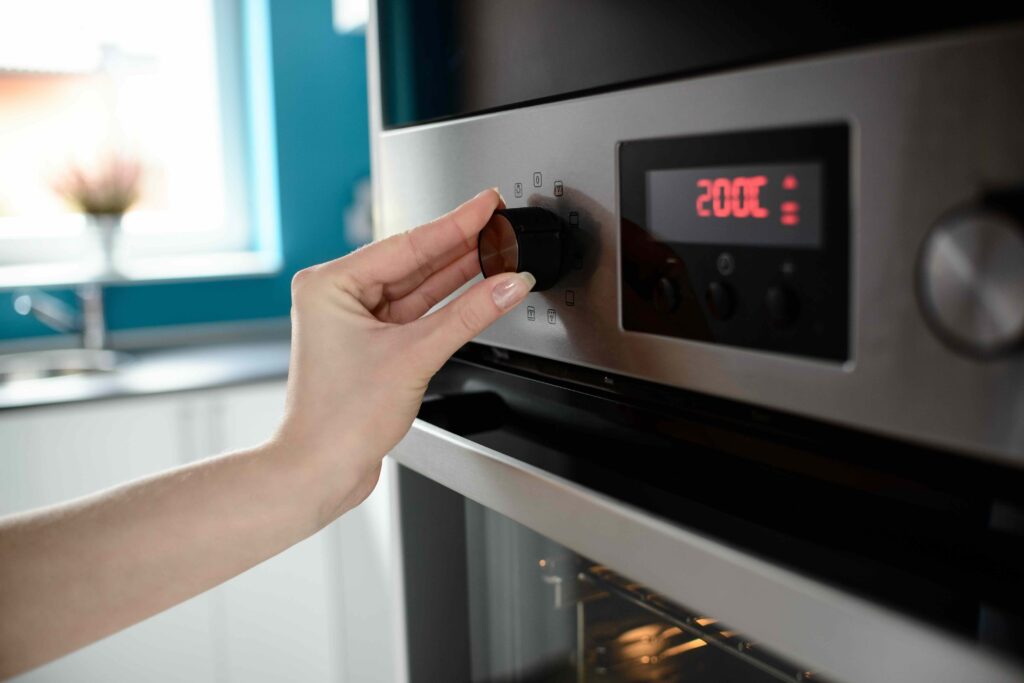
Appliances are a frequent culprit behind persistent burnt smells. An oven with built-up grease, a dishwasher with a failing heating element, a dryer with lint buildup near the heating coil — these are all scenarios where an appliance is either the direct source of a burn or continues to emit a low-level smell during normal operation. Cleaning the interior of your oven thoroughly, checking dryer vents for obstructions, and inspecting dishwasher components are all worthwhile steps. If an appliance smells strongly of burning plastic or rubber and cannot be linked to a simple cleaning issue, that is a signal to have it inspected. Continued use may not be safe.
How a Home Warranty Connects to Appliance and System Odor Issues
Here is something worth considering: many burnt smell situations in a home trace back directly to a failing appliance or a home system that is under stress. A furnace with a cracked heat exchanger can produce a burning smell as it operates. A dishwasher with a deteriorating pump seal will smell like burnt rubber during a cycle. A range hood motor that is starting to fail emits a distinct electrical odor. These are not just odor problems — they are mechanical failures in progress. That is where home warranty coverage for appliances and major home systems becomes genuinely valuable. A plan that covers appliances like ovens, dishwashers, and built-in systems means that when the source of that burnt smell turns out to be a failing component, you are not absorbing the full cost of repair or replacement out of pocket. Armadillo offers straightforward, honest coverage designed for exactly these moments — when something breaks down and you need a clear path to resolution. If you want to know what your home could be covered for, get a personalized home warranty quote for appliance and system protection and see what a plan looks like for your specific home.

Frequently Asked Questions About Getting Rid of Burnt Smell in a House
These are the questions homeowners ask most often when dealing with a persistent burnt odor — answered clearly and directly.
How long does a burnt smell last in a house?
It depends on the intensity of the burn and the materials affected. A minor cooking incident may clear up within a day with good ventilation. A more significant event involving upholstery, carpets, or ductwork can linger for days or weeks without active treatment.
Is a burnt smell in the house dangerous?
It can be. A persistent electrical burning smell may indicate a wiring issue, overheating appliance, or failing HVAC component. These situations warrant immediate investigation rather than simply deodorizing. If you cannot identify a clear, benign source, contact a professional.
Does vinegar really remove burnt smells?
Yes, white vinegar is an effective odor neutralizer because its acetic acid compounds interact with and break down odor molecules rather than masking them. Bowls of vinegar left overnight in affected rooms and vinegar added to laundry cycles are both proven methods.
Can an air purifier get rid of a burnt smell?
An air purifier with activated carbon filtration can significantly reduce airborne burnt odor particles. It works best as part of a broader approach that includes surface cleaning and ventilation, rather than as a standalone fix.
Why does my house smell burnt even when nothing is burning?
A smell that appears without an obvious recent burning event may come from your HVAC system, a slowly failing appliance motor, dust burning off a heating element, or particles that settled into ductwork from a previous incident and are now being recirculated.
What absorbs burnt smell the fastest?
Activated charcoal is the most effective passive absorber of burnt odors. Combined with open ventilation and surface cleaning, it works faster than most alternatives. Baking soda and white vinegar are strong secondary options for fabrics and surfaces.
Should I replace my HVAC filter after a burning incident in my home?
Yes, immediately. Your HVAC filter captures airborne particles, and after a burning event, it will be saturated with odor-carrying compounds. Running the system with a loaded filter will continue to recirculate the smell throughout your home.
Can a home warranty cover the repair of an appliance that caused a burnt smell?
In many cases, yes. If an appliance like a dishwasher, oven, or HVAC component fails mechanically and that failure produces a burning smell, a home warranty plan that covers those systems can apply toward the cost of repair or replacement, subject to the terms of the specific plan.
Why does my dryer smell like something is burning?
Dryer burning smells are most commonly caused by lint accumulation near the heating element, a failing motor, or a worn drum belt. A clogged vent is both a fire hazard and an odor source. The dryer vent should be cleaned at least once per year.
What is the difference between a smoke smell and a burnt smell in a home?
Smoke smell typically carries a wood or carbon-like quality and results from open combustion. Burnt smells can be more chemical, rubbery, or acrid and often point to synthetic materials, electrical components, or appliance failures. Both require source identification before deodorizing, but the electrical or mechanical burnt smell warrants a more urgent response.