How to Get Rid of Smoke in the House: Understanding How Ventilation Systems Keep Your Home Healthy
Smoke inside your home—whether from cooking, candles, a fireplace, or even a small mishap with toast—can linger longer than you’d expect. While smoke can be a nuisance, frequently causing odors, discomfort, and even health concerns, it also poses potential risks to your home’s systems and surfaces over time. The solution to smoke retention lies in one critically important but often overlooked system: your home’s ventilation. Understanding how a residential ventilation system works is key to addressing smoke build-up and improving indoor air quality. In this guide, we’ll explore what ventilation means, how different systems handle smoke, the advantages and limitations of each, and how you can take control of the air you live in.
What Is a Home Ventilation System?
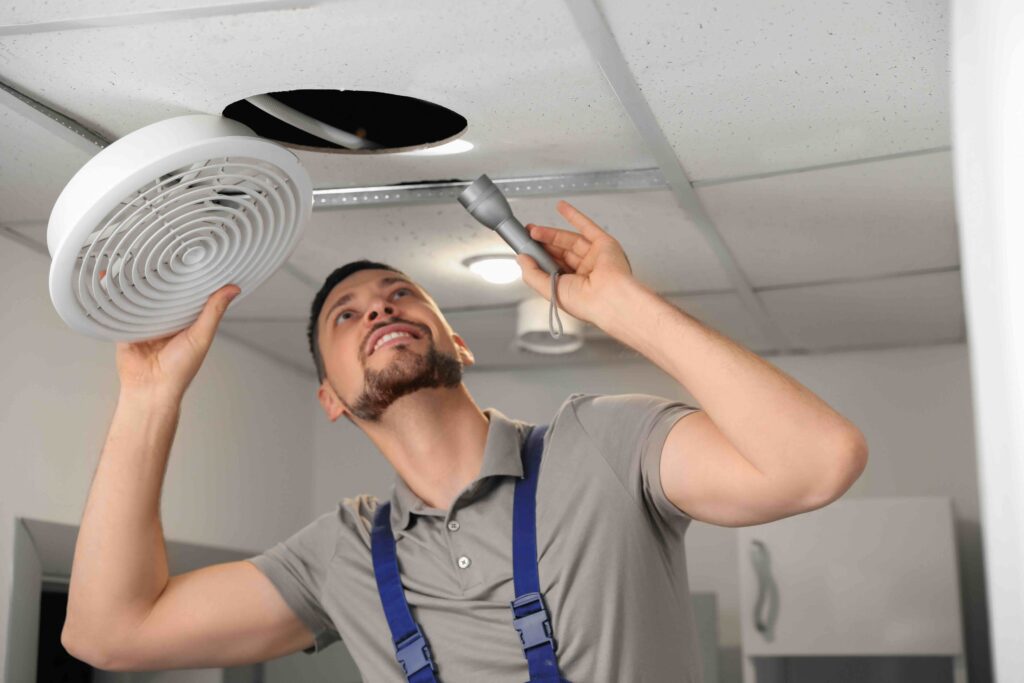
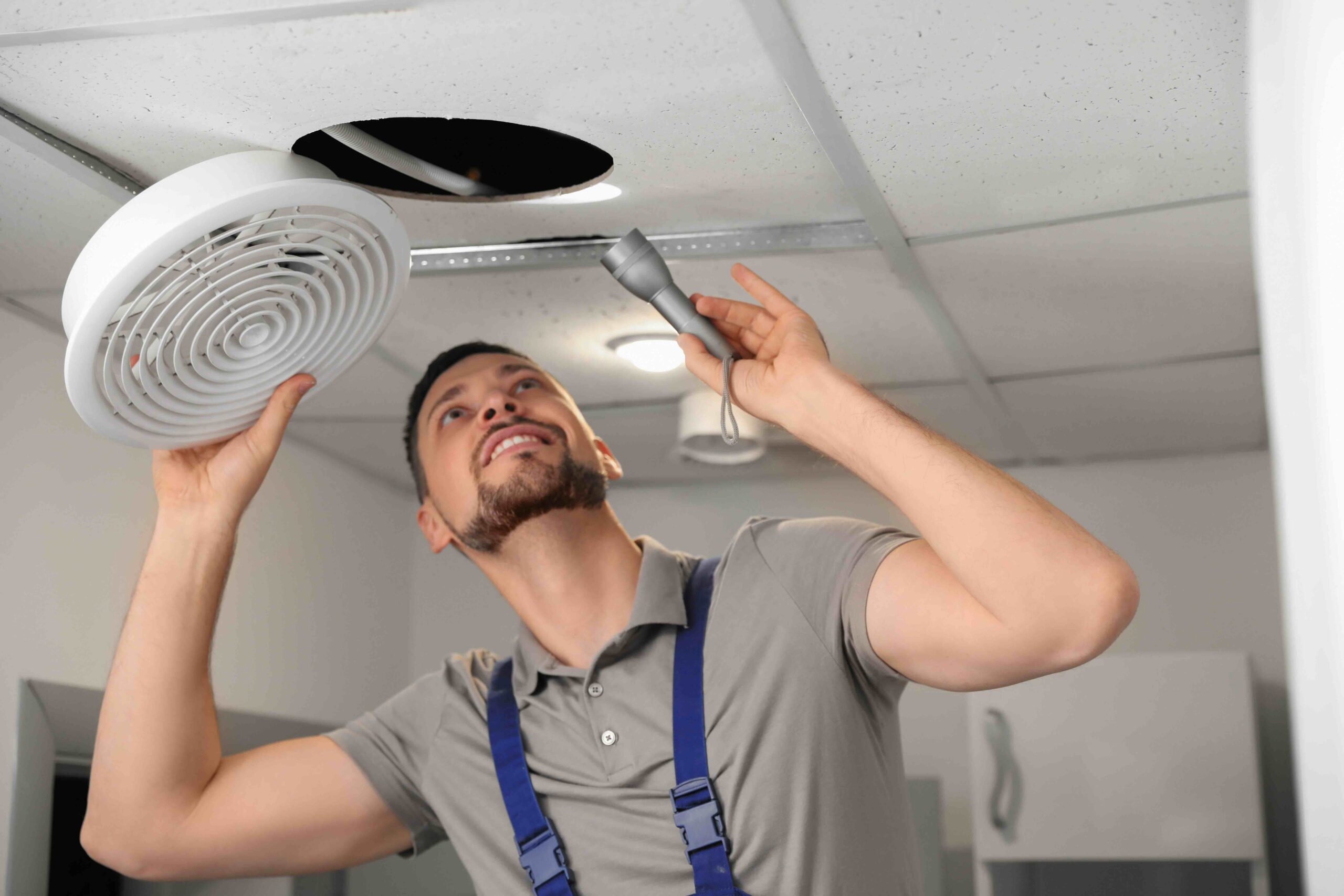
A home ventilation system is an engineered network designed to circulate and refresh the air inside your house. It regulates airflow by exhausting stale air and drawing in fresh air from outside, maintaining a balance that supports air quality and moisture control. Many modern homes rely on a mix of natural ventilation (through windows and doors) and mechanical systems like exhaust fans, whole-house fans, heat recovery ventilators (HRVs), and energy recovery ventilators (ERVs). In dealing with smoke specifically, these systems play a pivotal role. They either dilute the smoke particles with incoming clean air or remove them altogether through powered extraction.
How Smoke Affects Indoor Air Quality
Smoke isn’t just about smell. When particles remain suspended in the air, they can cling to walls, furniture, curtains, and electronics. Over time, this leads to discoloration, persistent odors, and even damage to your HVAC filters or ductwork. Most importantly, inhaling particle-laden smoke indoors can irritate eyes and lungs—especially for individuals with respiratory sensitivities. Prolonged or recurring smoke exposure calls into question the integrity of your home’s indoor air environment. Without proper ventilation, these particles accumulate faster than you can open a window or spray an air freshener.
Types of Ventilation and Their Role in Smoke Removal
There are various systems available to homeowners, each with its own approach to air exchange. Exhaust-only systems, such as range hood fans, remove smoke directly from kitchens to the outside. Supply-only systems pull in fresh air via a fan, but they don’t expel air actively, so smoke removal is indirect. Balanced systems do both—bringing in clean air and pushing out polluted air, more effectively managing smoke and other airborne contaminants. A whole-house fan pulls fresh outdoor air through windows and exhausts hot, smoky indoor air through attic vents. HRVs and ERVs operate with a balance of incoming fresh air and outgoing stale air while maintaining internal temperature. For homes frequently dealing with smoke, balanced or whole-house ventilation offers the most reliable and efficient method for neutralizing lingering fumes.
Ventilation System Advantages in Handling Smoke
Ventilation systems designed with smoke mitigation in mind offer a number of tangible benefits. First is odor control. Proper air cycling drastically reduces cooking or fire-related smells within a few minutes. Second is particulate reduction—changing the air regularly means fewer harmful particles in your lungs or on your walls. Temperature control improves, too. While this seems secondary, the importance lies in how some smoke-heavy activities, like using a wood fireplace, influence indoor temperatures. Ventilation mitigates those impacts. Lastly, efficient systems reduce strain on HVAC units by improving airflow and preventing smoke-laden air from cycling through and clogging filters.
Limitations and Challenges of Ventilation Systems
Ventilation systems, while highly beneficial, are not cure-alls. One limitation is installation complexity. Balanced systems and HRVs may require ductwork modification, which increases up-front costs. There’s also an energy consideration. Exhaust fans left running too long or improperly balanced systems may reduce energy efficiency, drawing in unconditioned outdoor air and overstressing your HVAC system. Furthermore, filters and components must be cleaned frequently, especially when exposed to high volumes of smoke. A neglected unit may actually circulate smoke particles rather than remove them. Lastly, not every home is built with the infrastructure for comprehensive mechanical ventilation—retrofit solutions carry additional costs and may require professional consultation.
Immediate Steps You Can Take When Smoke Invades Your Home
If smoke appears suddenly—say from a cooking mishap or a candle left burning too long—there are quick actions that can limit its effects. First, eliminate the source and ensure safety. Then isolate the smoky area by closing doors to unaffected rooms. Open windows and doors to encourage cross-ventilation if the weather permits. If you have ceiling fans or portable fans, position them to blow the smoky air outdoors. Use kitchen ventilation devices like range hoods at their highest setting. If you own an air purifier with a HEPA filter, power it on near affected zones. Avoid using central air systems immediately, as they could spread smoke through your ducts if unfiltered.
How a Home Warranty Can Protect Your Ventilation Systems
Your home’s ventilation system is a quiet contributor to daily comfort and long-term well-being. Unfortunately, it’s not always on our radar until there’s a problem—like pervasive smoke or a failed exhaust fan. A home warranty can safeguard your ventilation components, especially in instances that standard homeowners insurance won’t cover. Systems like ductwork, fans, and even parts of mechanical ventilation can be covered under comprehensive warranty plans. This means faster repair when damage or wear happens, less stress during emergencies, and peace of mind knowing that support is a call away. Consistent maintenance and warranty-backed repair coverage augment each other, ensuring your smoke-clearing equipment remains functional year-round.
Why Armadillo Is Your Partner in Cleaner, Healthier Air
When smoke mars your indoor air, a fast fix is non-negotiable. But long-term protection? That’s where Armadillo stands out. Our home warranty plans not only help cover the critical systems that manage ventilation, but also bring clarity, reliability, and support when you need it. From mechanical ventilation to exhaust fans and ductwork, our coverage adapts to your home’s needs without hidden fine print. See how simple and personalized protection can be by visiting Armadillo, or jump straight into building your plan at our plan builder. Keep the air clear, your systems protected, and your home running exactly as it should.