Why Smoke Lingers in Your Home and What You Can Do About It
Smoke is one of those things that seems to disappear when you stop seeing it, but your nose tells a very different story. Whether it drifted in from a wildfire, settled in after a cooking mishap, or built up over years of indoor smoking, smoke residue is stubborn. It binds to soft surfaces, seeps into walls, and recirculates through your HVAC system every time the heat or air kicks on. Understanding what you are dealing with is the first step toward actually clearing it out, and that is exactly what this article is here to help with.
What Smoke Actually Does Inside a Home
When smoke enters a living space, it does not simply float around until it fades. Smoke particles are microscopic, and they travel fast. They embed themselves in carpet fibers, drapes, furniture cushions, insulation, and even the wood framing inside your walls. The odor you detect is not just the smell of something burning — it is the smell of chemical compounds that have adhered to almost every surface in the room. This is why cracking a window rarely solves the problem. Ventilation helps, but it addresses only the airborne portion of the issue. The particles already settled into surfaces are still very much present, and they continue to off-gas over time, especially in warmer temperatures.
The Role Your HVAC System Plays in Smoke Circulation
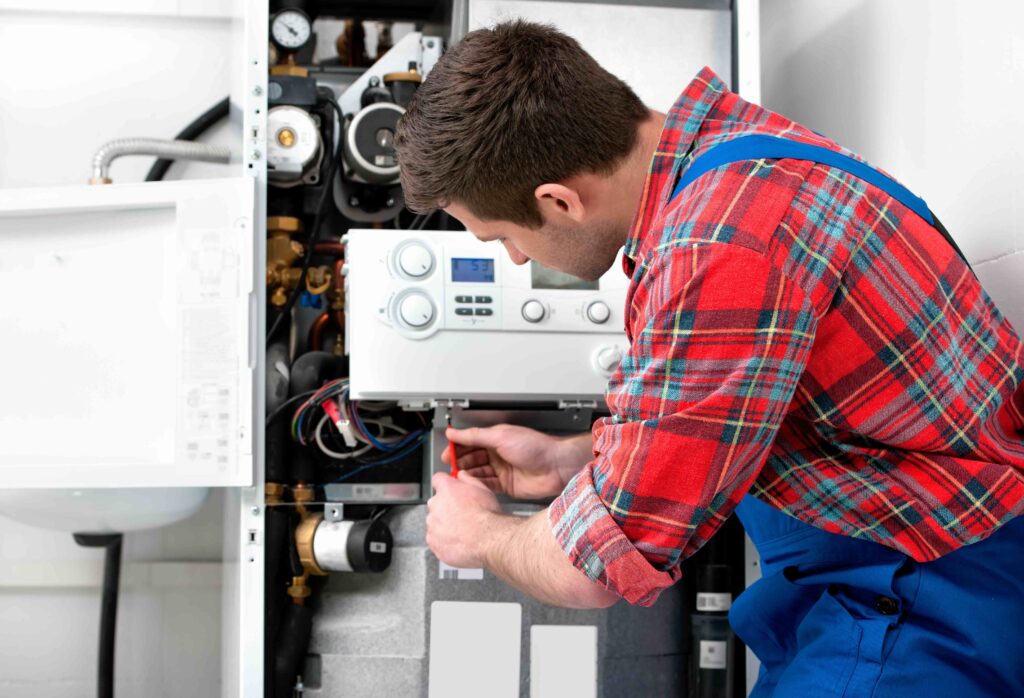
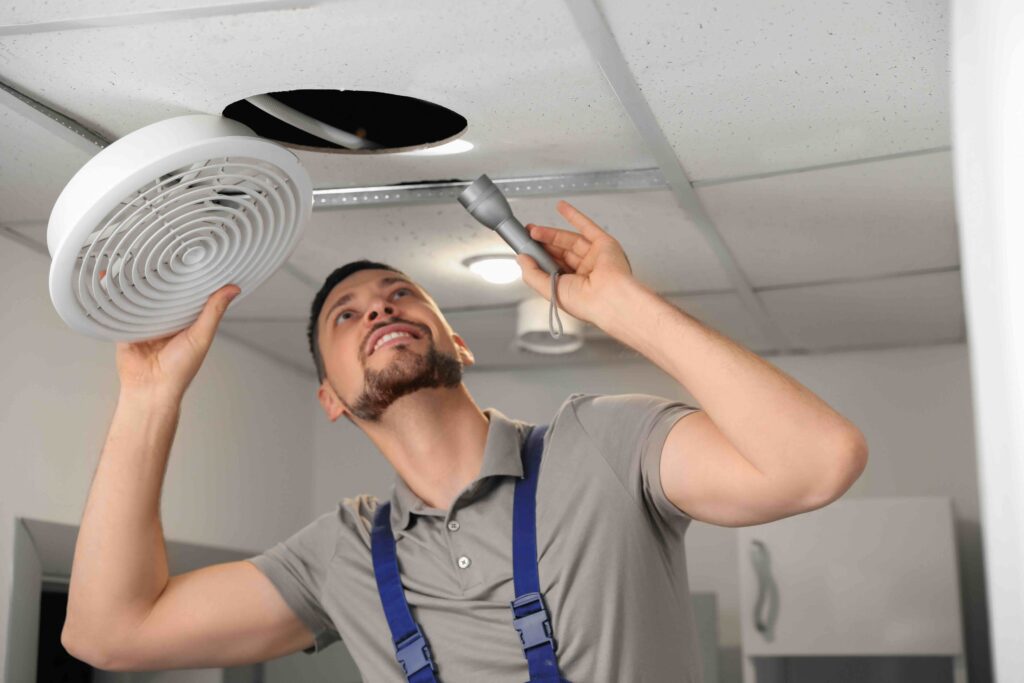
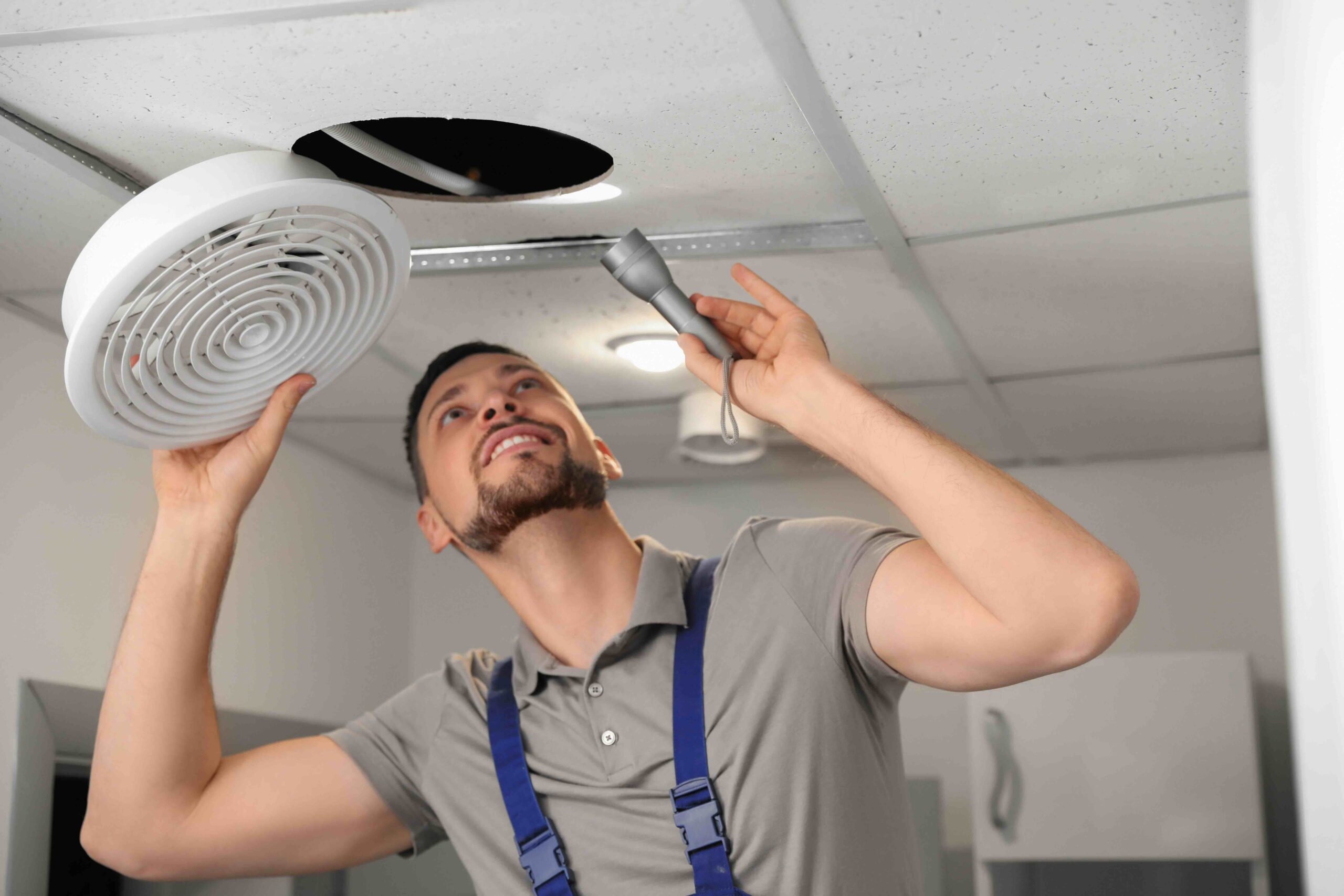
Here is something many homeowners overlook: your heating and cooling system can actually spread smoke contamination throughout the entire house. If smoke enters your home while the HVAC is running, the return air intake pulls smoke-laden air into the system and distributes it to every connected room. Filters catch some particulates, but standard filters are not designed for dense smoke. Over time, smoke residue can coat your ductwork, settle on the evaporator coil, and compromise indoor air quality long after the original smoke source is gone. This is one of the biggest reasons why smoke removal is as much a mechanical problem as it is a cleaning problem.

Immediate Steps to Take When Smoke Enters Your Home
Speed matters when it comes to smoke exposure. The longer particles sit on surfaces, the deeper they penetrate, and the harder they are to remove. If you are dealing with a fresh smoke event — whether from a nearby fire, a stove flare-up, or a fireplace blowback — take action immediately. The goal in the first few hours is to reduce concentration, not eliminate it entirely. Here is where to start:
- Turn off your HVAC system to prevent smoke from circulating through the ductwork
- Open windows and doors on opposite sides of the home to create cross-ventilation
- Use box fans positioned to push air outward, not inward
- Remove or cover upholstered furniture if smoke concentration is high
- Change your HVAC filter immediately after the smoke event clears
Deep Cleaning Strategies That Actually Work
Once the immediate air quality issue is managed, the real work begins. Hard surfaces like walls, ceilings, and floors need to be washed with a solution that can break down smoke residue. A mixture of white vinegar and warm water works well on painted walls. Trisodium phosphate, or TSP, is a stronger option available at most hardware stores and is commonly used in professional smoke remediation. For soft surfaces like upholstery, carpets, and drapes, dry-cleaning or steam cleaning are far more effective than standard vacuuming. Baking soda applied generously to carpets overnight and vacuumed up the next morning can pull odors from fibers, though it works best on mild cases. Severe smoke damage almost always requires professional remediation services that use ozone treatments or thermal fogging to neutralize odor compounds at the molecular level.
Air Purifiers and Filtration Upgrades Worth Considering
If your home has experienced repeated smoke exposure — particularly in areas prone to wildfires — investing in air purification is a smart long-term move. HEPA air purifiers are the gold standard for capturing fine particulates, and units with activated carbon filters add the ability to absorb odor-causing volatile organic compounds. For whole-home protection, upgrading your HVAC filter to a MERV-13 rating or higher improves particulate capture significantly over a standard fiberglass filter. Some homeowners also install whole-home air purification systems that integrate directly with the HVAC, providing continuous filtration of all circulated air. These systems range from UV light purifiers to polarized media filters and can be highly effective when maintained properly.
Common Mistakes That Make Smoke Odor Worse
A few well-intentioned approaches actually slow down the recovery process. Masking smoke odor with candles, sprays, or plug-in air fresheners does nothing to address the underlying compounds — it simply layers one smell on top of another and can create a cloying combination that is arguably worse. Painting over smoke-stained walls without sealing them first is another common misstep. Smoke residue bleeds through standard paint within weeks. A proper shellac-based primer or smoke-blocking primer must be applied first. Leaving contaminated HVAC filters in place while trying to clear smoke is also counterproductive — you are effectively running smoke residue through your system with every cycle.
When to Call a Professional Smoke Remediation Service
There is a clear line between smoke odor that homeowners can manage and smoke damage that requires professional intervention. If smoke entered your home from a structural fire — even a small one — or if a wildfire event covered the area in heavy ash and smoke for an extended period, professional remediation is the appropriate path. Certified restoration companies use industrial-grade ozone generators, hydroxyl machines, and thermal fogging equipment that eliminates odor at the source rather than masking it. They also assess hidden areas like attic insulation, wall cavities, and ductwork that homeowners cannot easily access. The cost can be significant, but the alternative — living with embedded smoke contamination — carries real health consequences over time.
How a Home Warranty Can Support You After Smoke Damage
Smoke events have a way of revealing just how much your home systems do for you — and how expensive it gets when they are compromised. If smoke has circulated through your HVAC system or damaged key appliances, repair and replacement costs can climb quickly. This is where a home warranty plan that covers major HVAC components and home appliances can make a meaningful difference. Armadillo is built for exactly this kind of situation — straightforward coverage, responsive service, and no confusing fine print that leaves you holding the bill. If you want to protect your heating and cooling system before the next smoke season hits, you can get a free home warranty quote to protect your HVAC system and appliances from unexpected repair costs in just a few minutes. The peace of mind is real, and the process is simple.

Frequently Asked Questions About Getting Rid of Smoke in the House
These are the questions homeowners ask most often when dealing with smoke odor and indoor air quality issues.
How long does smoke smell last in a house?
Without active remediation, smoke odor can persist for months or even years. It depends on the severity of exposure, the materials affected, and whether the source of the contamination has been cleaned. Surfaces like drywall, insulation, and wood framing hold odor the longest.
Does opening windows help remove smoke smell from a house?
Opening windows helps with airborne smoke in the immediate aftermath of an event, but it does not remove odor that has already embedded in surfaces. Ventilation is a starting point, not a complete solution.
Can smoke damage an HVAC system?
Yes. Smoke particles can coat the evaporator coil, contaminate ductwork, and clog filters. Over time, a smoke-compromised HVAC system operates less efficiently and continues to recirculate odor compounds throughout the home.
What is the best air purifier for smoke removal?
HEPA air purifiers combined with activated carbon filters offer the most effective performance for smoke. Look for units rated for the square footage of the room you are treating and replace filters on the manufacturer’s recommended schedule.
Does baking soda actually remove smoke odor from carpets?
Baking soda absorbs mild odors from carpet fibers and is worth trying for light smoke exposure. For heavy or long-standing smoke odor, professional steam cleaning or dry cleaning is more effective.
Should I repaint walls after smoke damage?
If walls have visible smoke staining or persistent odor, repainting is necessary — but only after applying a shellac-based or smoke-blocking primer. Painting directly over smoke residue without priming will result in the odor and staining bleeding through within weeks.
Can smoke from wildfires outside get into my home?
Yes. Wildfire smoke infiltrates homes through gaps around doors, windows, and utility penetrations. It also enters through HVAC systems that draw outside air. During active smoke events, setting your HVAC to recirculation mode and using high-rated filters reduces indoor concentration.
Is ozone treatment safe for removing smoke odor?
Ozone generators are highly effective at neutralizing smoke odor but must be used in unoccupied spaces. Ozone at the concentrations needed for remediation is harmful to people, pets, and plants. After treatment, the space needs to be ventilated before reoccupation.
Does smoke damage affect home value?
Unresolved smoke damage can negatively impact a home’s appraised value and make it harder to sell. Buyers and inspectors often detect smoke odor and residue, which may trigger price negotiations or required remediation as a condition of sale.
Are smoke remediation costs covered by homeowners insurance?
Coverage depends on the cause of the damage. Smoke from a fire that originated within the home is typically covered under a standard homeowners policy. Damage caused by ongoing indoor smoking or external smoke events may not be covered. Reviewing your specific policy with your insurer is the most reliable way to determine your coverage.