Why Getting Smoke Out of Your House Matters More Than You Think
Smoke inside a home is one of those problems that feels manageable right up until it is not. Whether it drifted in from a nearby wildfire, backed up through a fireplace, or lingered after a cooking mishap, smoke does not simply disappear when the source is gone. It settles into walls, fabrics, and ductwork — and if you do not address it properly, that smell and those particles stay with you for weeks. Knowing how to get smoke out of a house efficiently is genuinely useful knowledge for any homeowner, and the process involves more than just cracking a window.
Understanding How Smoke Behaves Inside a Home
Smoke is not just an odor. It is a combination of fine particles, gases, and chemical compounds that actively embed themselves into porous surfaces — think drywall, carpet, upholstered furniture, and even wood trim. When smoke enters a space, it does not float around indefinitely waiting to escape. It lands. It coats. It gets pulled into your HVAC system and redistributed through every room connected to that ductwork. This is why ventilation alone often falls short, and why a multi-step approach is almost always necessary when dealing with anything beyond a minor, isolated incident.
Step One: Stop the Source and Ventilate Immediately
The first move is straightforward — identify and eliminate the source of the smoke. Once that is handled, ventilation becomes your immediate priority. Open windows and doors on opposite sides of the home to create cross-ventilation. Position box fans in windows blowing outward to actively pull smoky air out of the space rather than simply stirring it around. If the outdoor air quality is acceptable, running this kind of forced airflow for thirty to sixty minutes can make a noticeable difference. Attic fans and whole-house fans are particularly effective here, since they move a high volume of air quickly through the structure.
Using Your HVAC System Wisely — Or Not at All
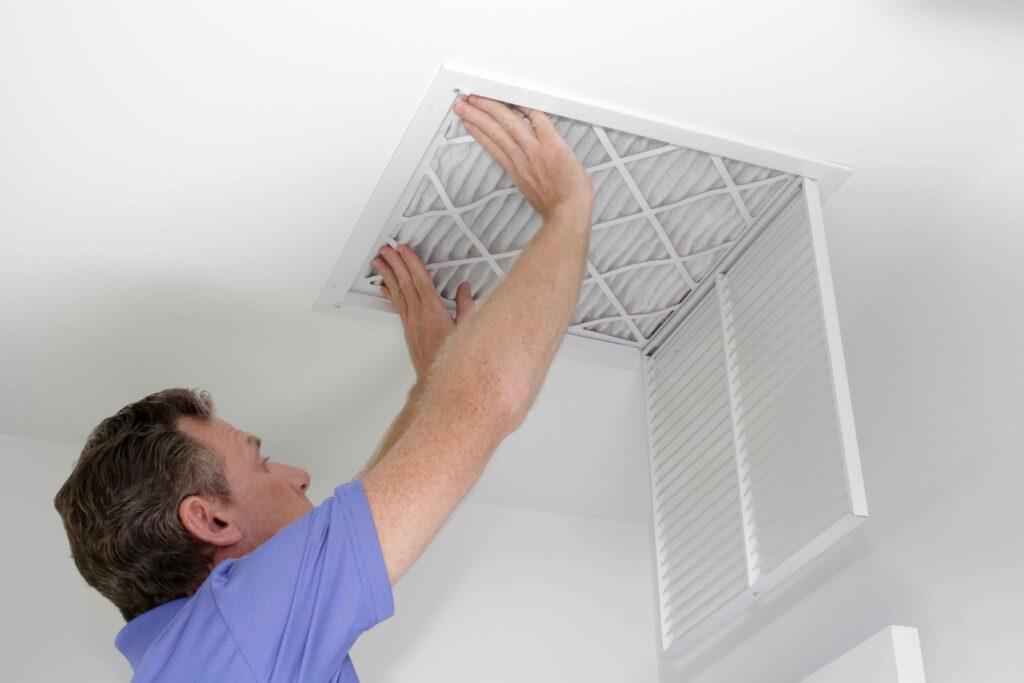
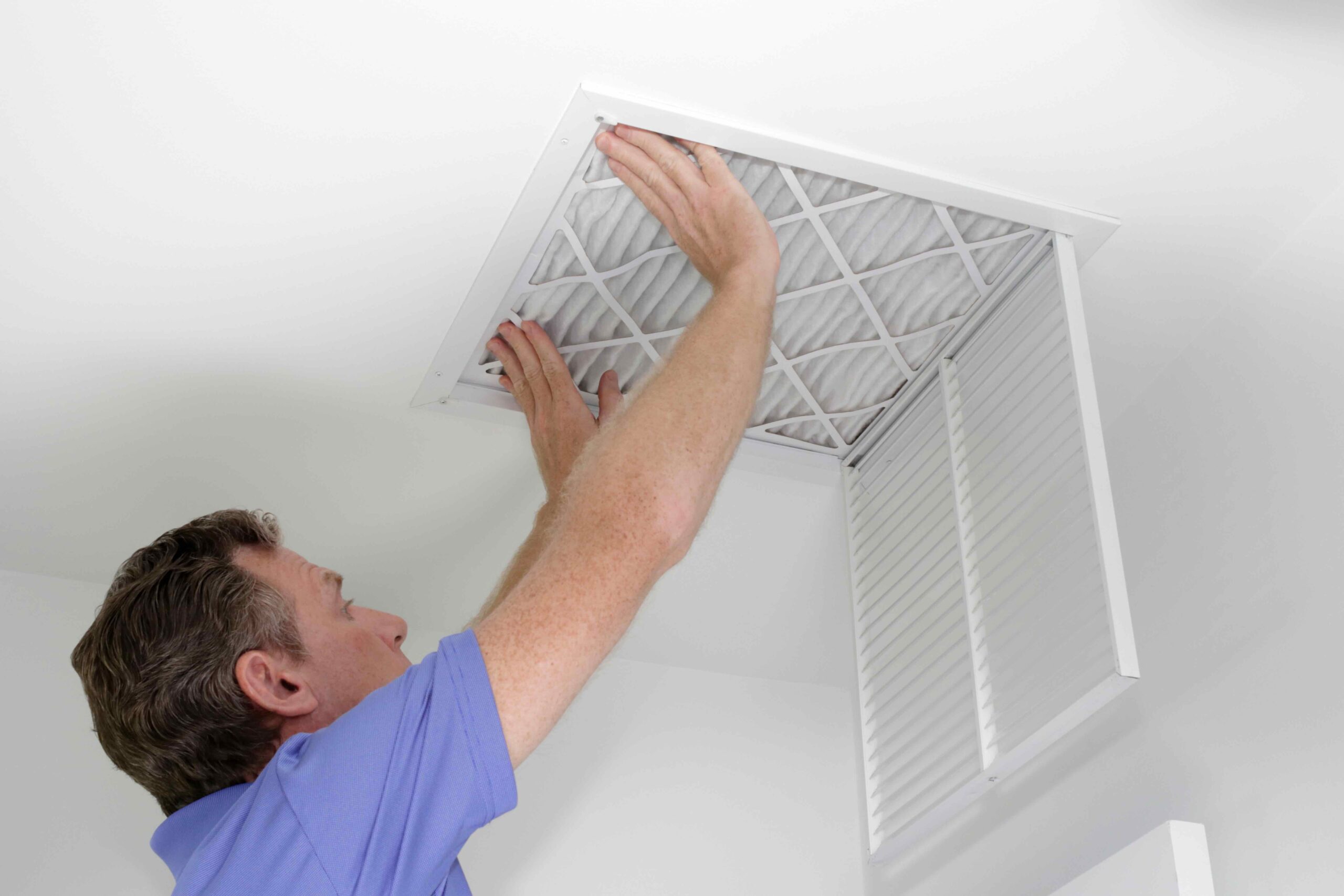
Here is where homeowners tend to make a well-intentioned mistake. Running your HVAC system during or immediately after a smoke event can actually spread contaminated air throughout the entire house and deposit particles directly into your ductwork and air handler. If smoke exposure was significant, the smarter move is to turn the HVAC system off during the initial ventilation phase. Once the visible smoke has cleared and surfaces have been addressed, replace your air filter with a high-efficiency MERV-13 or HEPA-rated filter before running the system again. For serious smoke events, professional duct cleaning is worth considering — residual particles left in ductwork can continue circulating for months.

Air Purifiers and What They Actually Do
A quality air purifier with a true HEPA filter and an activated carbon layer is one of the most effective tools available for smoke removal. HEPA filters capture fine particulate matter, while activated carbon specifically targets the volatile organic compounds responsible for that persistent smoky smell. Placement matters — position purifiers in the rooms most affected and run them continuously until the air quality normalizes. Ionic air purifiers are worth avoiding here, as they can produce ozone as a byproduct, which introduces a different set of respiratory concerns. Stick with mechanical filtration for smoke situations.
Cleaning Surfaces That Have Absorbed Smoke
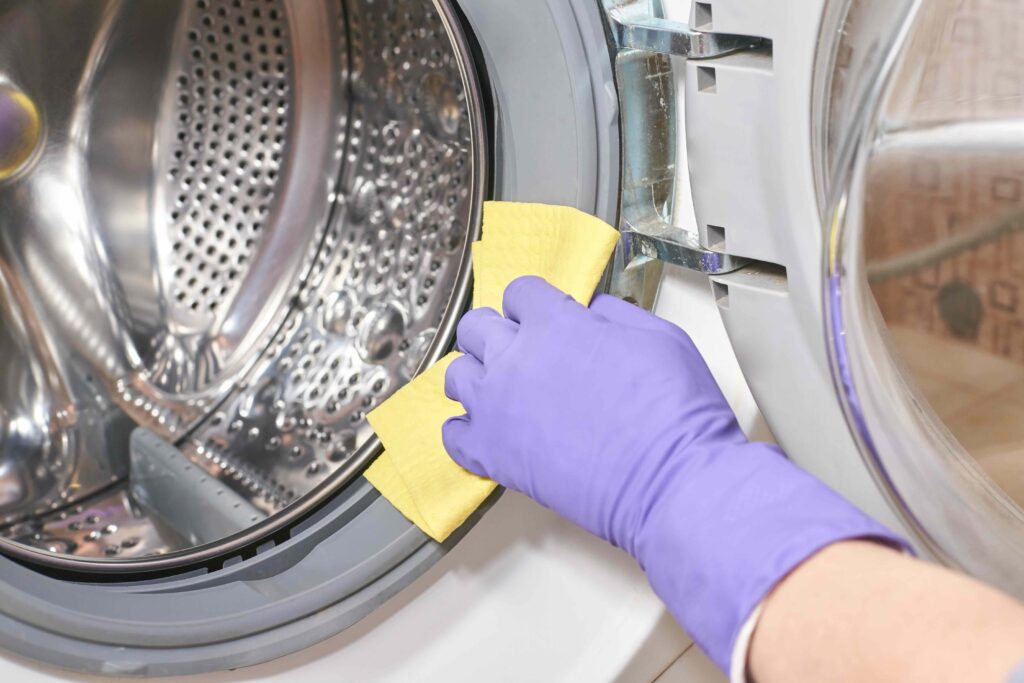
Ventilation handles airborne particles. Surface cleaning handles everything that has already settled. Hard surfaces like walls, countertops, and sealed floors respond well to a solution of white vinegar and warm water, or a commercial degreaser for heavier deposits. Porous surfaces are more challenging. Carpets and rugs should be thoroughly vacuumed with a HEPA-filter vacuum before any wet treatment, then treated with a baking soda application left to sit for several hours before vacuuming again. Upholstered furniture benefits from the same baking soda approach. Curtains, bedding, and clothing should be washed promptly, ideally with an odor-neutralizing additive. Here is a quick reference for common surfaces:
- Hard walls and ceilings: wipe down with diluted white vinegar or TSP solution
- Carpet and rugs: vacuum with HEPA filter, apply baking soda, vacuum again
- Upholstered furniture: baking soda treatment, professional cleaning for severe cases
- Wood surfaces: mild soap and water, followed by wood-appropriate cleaner or polish
- Air ducts and vents: wipe accessible covers, schedule professional cleaning if heavily affected
Odor Neutralizers Versus Odor Maskers
There is an important distinction between products that neutralize smoke odor at a molecular level and products that simply cover it up with a stronger fragrance. Sprays that just add a floral or citrus scent to a smoky room are a temporary solution at best. Activated charcoal bowls, white vinegar left in open containers, and baking soda placed in affected areas all work to actually absorb odor molecules rather than compete with them. Ozone generators are sometimes used by restoration professionals for severe cases, but they require the space to be completely vacated during and after treatment, as ozone is harmful to breathe. This is not a DIY-friendly approach without proper training and equipment.
When to Call in a Professional Restoration Service
Some smoke events are simply beyond what a homeowner can manage independently. If smoke exposure came from a structure fire — even a small, contained one — the residue left behind involves soot, char, and potentially toxic compounds that require professional assessment and remediation. Water damage from firefighting efforts adds another layer of complexity. Professional restoration companies use industrial equipment, chemical sealants, and specialized cleaning protocols to restore a home after significant smoke damage. The cost varies widely depending on scope, but attempting to skip this step after a serious event often leads to persistent odor, long-term air quality issues, and potential health effects.
Home Systems That Help Prevent Smoke Problems
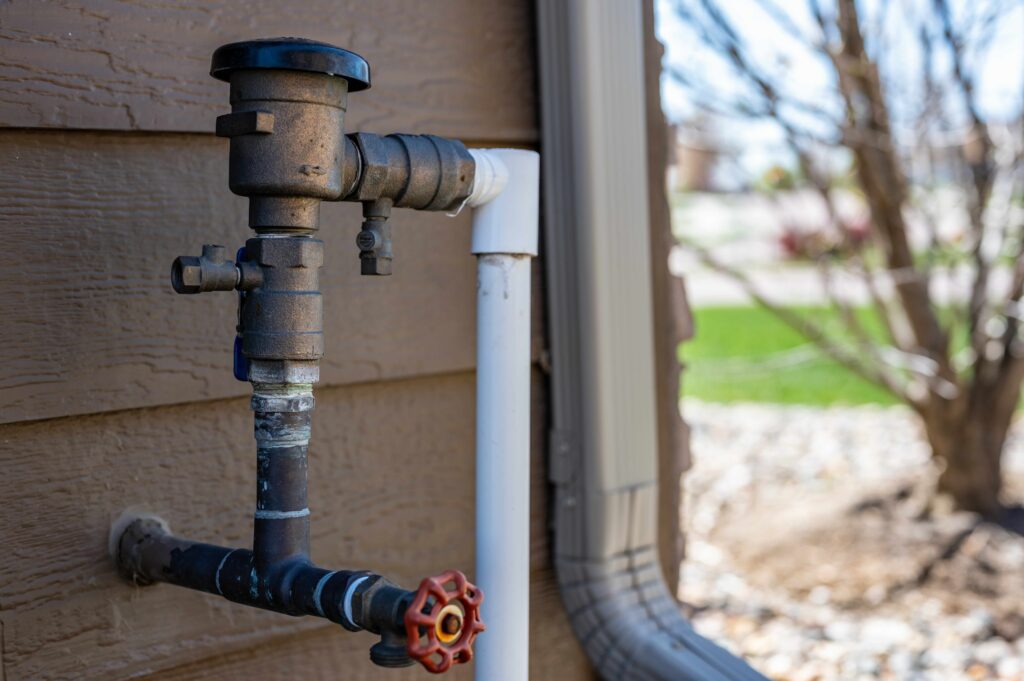
Prevention deserves mention here, because several home systems directly influence how smoke moves through a space and how quickly it can be addressed. A properly maintained HVAC system with clean ductwork is your first line of defense for air quality. Range hoods vented to the exterior — not recirculating models — are far more effective at removing cooking smoke before it spreads. Whole-house ventilation systems, such as energy recovery ventilators, provide continuous fresh air exchange that reduces the buildup of any airborne contaminant, including smoke. Smoke detectors with carbon monoxide sensors give early warning that keeps small incidents from becoming large ones. Maintaining these systems matters, and that is where a solid home warranty plan becomes genuinely relevant.
How Armadillo Helps You Stay Ahead of Home System Failures
The home systems that play the biggest role in smoke management — your HVAC, ventilation components, and appliances — are also the ones most likely to fail at inconvenient times. When your air handler stops working after a smoke event, or your range hood motor gives out in the middle of a busy week, those are not small problems. That is exactly the kind of situation a home warranty is built for. Armadillo home warranty coverage for HVAC systems and home appliances is designed to take the financial sting out of unexpected breakdowns, so you are not scrambling for a repair budget on top of everything else. If protecting your home systems with straightforward, no-surprise coverage sounds right for where you are, take sixty seconds to get a free home warranty quote for smoke-related and everyday system protection and see what a plan actually looks like for your home.

Frequently Asked Questions About Getting Smoke Out of Your House
Below are answers to the questions homeowners ask most often about smoke removal, air quality recovery, and protecting home systems after a smoke event.
How long does it take to get smoke smell out of a house?
The timeline depends on the severity of the smoke exposure and how quickly remediation begins. Minor smoke odors from cooking can clear in a few hours with proper ventilation. Smoke from a fireplace backdraft or small fire may linger for several days to a week with thorough cleaning and air purification. Significant smoke damage from a structure fire can take weeks and typically requires professional restoration.
Does opening windows actually help remove smoke from a house?
Yes, but passive ventilation alone is rarely enough. Opening windows on opposite sides of the home to create cross-ventilation is helpful, and positioning fans to blow air outward significantly increases effectiveness. The goal is to move smoky air out of the structure rather than recirculate it.
Is it safe to run my HVAC system when there is smoke in the house?
It is generally not recommended during active smoke exposure. Running the system can spread contaminated air throughout the home and pull particles into the ductwork. Turn the system off during the ventilation phase, replace the air filter with a high-efficiency option, and consider professional duct cleaning if exposure was significant before resuming normal operation.
What is the fastest way to get smoke out of a house?
The most efficient approach combines immediate cross-ventilation using fans, shutting off the HVAC to prevent recirculation, running a HEPA air purifier in the most affected areas, and beginning surface cleaning as quickly as possible. Addressing all three simultaneously produces the fastest results.
Can smoke damage my HVAC system?
Yes. Fine particles from smoke can coat coils, clog filters, and accumulate in ductwork, reducing system efficiency and continuing to circulate contaminants long after the smoke event is over. A filter replacement is a minimum step after any notable smoke exposure, and professional duct cleaning is warranted after a serious incident.
Do air purifiers actually remove smoke from indoor air?
Air purifiers with true HEPA filtration and activated carbon are genuinely effective at capturing fine smoke particles and absorbing odor-causing compounds. They work best as part of a broader remediation strategy rather than as a standalone solution. Avoid ionic purifiers for smoke situations due to potential ozone production.
What household items help absorb smoke odor?
Baking soda, activated charcoal, and white vinegar are among the most effective options readily available at home. Bowls of white vinegar or activated charcoal placed in affected rooms absorb odor molecules over time. Baking soda applied to carpets and upholstery, left for several hours, and then vacuumed away works well for porous surfaces.
When should I hire a professional after a smoke event in my home?
Professional restoration services are warranted when smoke came from a structural fire of any size, when soot deposits are visible on walls or ceilings, when odor persists more than a week after thorough DIY remediation, or when any water damage from firefighting efforts is also present. These situations involve compounds that require specialized equipment and expertise.
Does homeowners insurance cover smoke damage?
Standard homeowners insurance typically covers smoke damage resulting from a sudden and accidental event, such as a fire. Damage from chronic smoke exposure, such as years of cigarette smoke, is generally not covered. A home warranty, by contrast, covers the mechanical failure of home systems and appliances — a different but complementary layer of protection.
Can smoke damage void my home warranty coverage?
Most home warranty plans cover mechanical failures due to normal wear and tear and are not designed to address smoke remediation directly. However, if a covered system such as your HVAC fails as a result of smoke-related buildup or damage, coverage eligibility depends on the specific terms of the plan. Reviewing your warranty documentation and contacting your provider promptly after any smoke event is the right course of action.