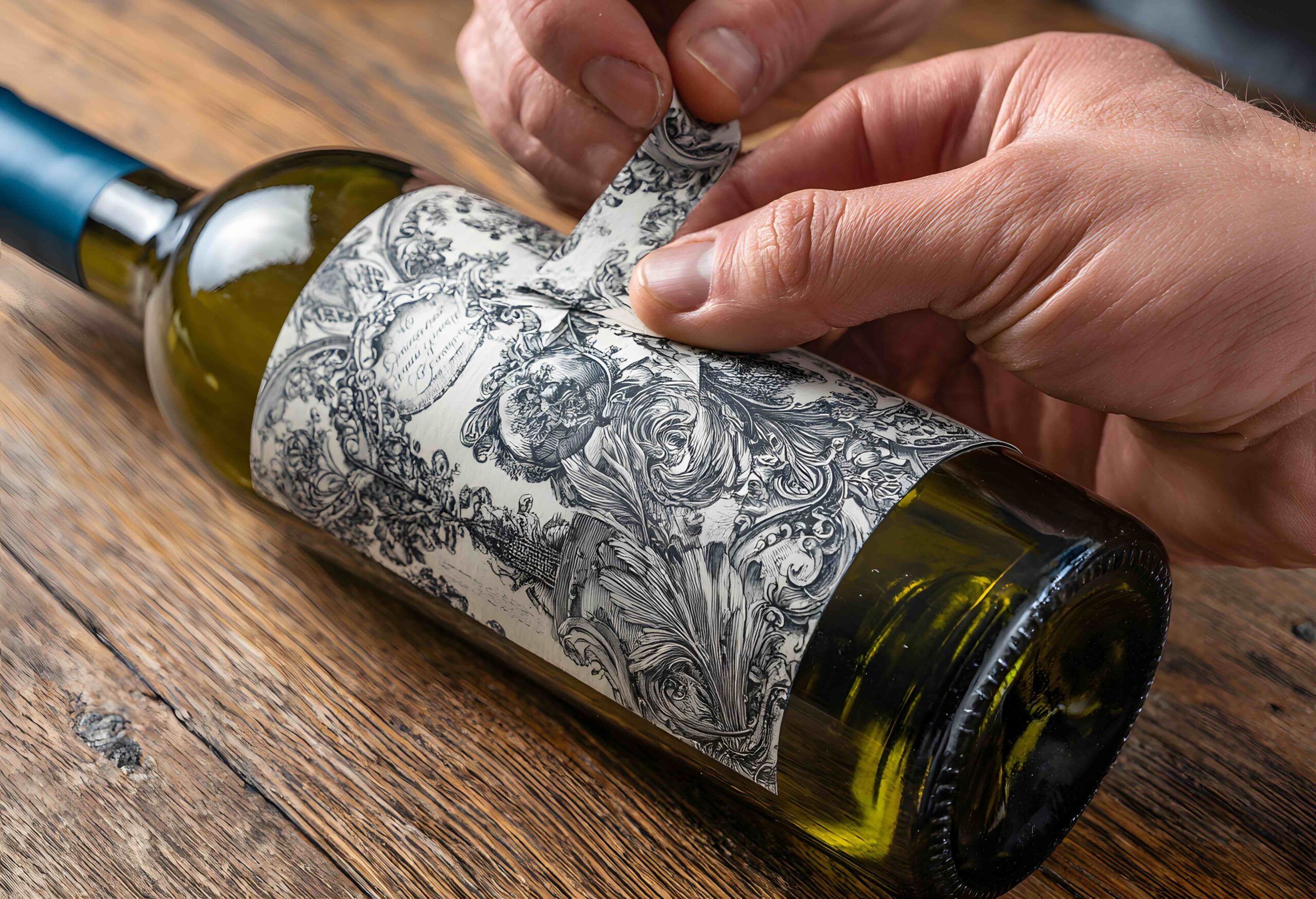
What Is Sticker Residue and Why Does It End Up on Your Glass Surfaces?
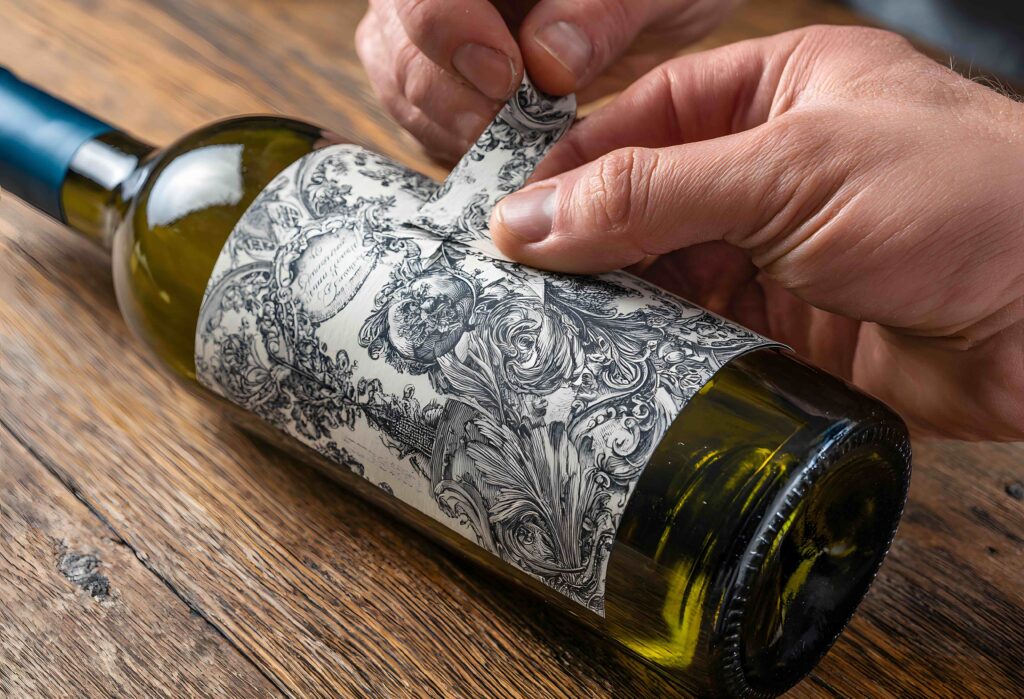
You peel off a price tag, a window decal, or a shipping label, and what you are left with is that stubborn, sticky film that seems to laugh at your efforts to wipe it away. Sticker residue on glass is one of those surprisingly common household frustrations that shows up on windows, mirrors, glass stovetops, shower doors, and even glass appliance panels. It is adhesive material, typically a pressure-sensitive polymer, that bonds to the surface and does not release cleanly when the label or sticker is removed. The good news is that glass is actually one of the more forgiving surfaces for residue removal. It is non-porous and smooth, which means you have options, and most of them involve things already sitting in your kitchen or bathroom cabinet.
How Sticker Adhesive Actually Works on Glass
Understanding why sticker residue sticks so stubbornly helps explain the best ways to remove it. Most adhesives used on labels and stickers are acrylic-based compounds designed to create a strong bond with smooth, flat surfaces. Glass is essentially the ideal candidate. When a sticker sits on glass for an extended period, heat, UV exposure, and pressure can cause the adhesive to cure further, making it even harder to release. This is especially true on windows that receive direct sunlight or glass cooktops that cycle through heat regularly. The adhesive does not just sit on top of the glass, it flows slightly into the microscopic texture of the surface and grips. Knowing this, the goal of any removal method is to either dissolve the adhesive bond, lubricate the surface so the residue slides off, or use mechanical action with just enough friction to lift it without scratching.
Common Household Items That Get Sticker Residue Off Glass
Here is where things get practical. Several everyday items work remarkably well for this task, and you likely already own at least a few of them. The approach is simple: apply, let sit, and remove gently. Some of the most reliable options include the following materials.
- Rubbing alcohol or isopropyl alcohol at 70 percent or higher concentration dissolves most acrylic adhesives quickly and evaporates cleanly without leaving a film.
- White vinegar works for lighter residue and is safe on most glass surfaces, including mirrors and windows.
- Cooking oil or baby oil can be massaged into the residue to break down the adhesive bond, though it requires a follow-up cleaning to remove the grease.
- Peanut butter, surprisingly, contains oils that function similarly and can be effective on stubborn patches.
- Commercial adhesive removers like Goo Gone are formulated specifically for this and work fast on thicker, older residue.
- A plastic scraper or old credit card provides the mechanical assist to lift loosened residue without scratching glass.
Step-by-Step Method for Removing Sticker Residue From Glass
The method matters as much as the material. Starting dry and aggressive rarely ends well. The right sequence makes removal faster and prevents any unintentional damage, particularly on glass panels on appliances or glass shower enclosures. Begin by warming the area slightly if possible. A hair dryer held several inches from the surface for thirty seconds softens the adhesive and makes the entire process significantly easier. Apply your chosen solvent, whether rubbing alcohol, oil, or a commercial product, directly to the residue and allow it to sit for at least two to five minutes. This dwell time is critical. Once the adhesive has softened, use a plastic scraper or a folded cloth to gently work the residue off in small sections. Avoid steel wool or abrasive scrubbers on glass, as these can create fine scratches, especially on glass cooktop surfaces. Finish with a standard glass cleaner and a microfiber cloth to restore clarity and remove any oily film that may remain.

Specific Glass Surfaces and What to Watch Out For
Not all glass surfaces are created equal when it comes to residue removal. A standard window pane is very forgiving. A glass cooktop is less so. Tempered glass, which is used in oven doors, shower enclosures, and many modern appliances, is durable but can be damaged by razor blades or overly aggressive scraping. Coated glass, such as low-emissivity window glass, can be damaged by certain solvents if applied in high concentrations repeatedly. Always test your chosen method on a small, inconspicuous area first, especially on glass that is part of an appliance or a specialty window. Glass mirrors with silver backing should not have solvents pooled at the edges, as they can seep behind the backing and cause black spots over time. A targeted, controlled application is always the right move.
When Sticker Residue Signals a Bigger Home Maintenance Issue
Sticker residue on glass is almost always a cosmetic nuisance, but it can occasionally point toward something worth paying attention to. Stickers and labels found on glass panels of appliances like dishwashers, refrigerators, or ovens are often installation markings or warning labels that were never removed during setup. If you are just now discovering these, it may be a prompt to check whether your appliances were properly installed and whether any protective films or shipping materials were left in place. Residue on window glass sometimes comes from old security system stickers, building inspection notices, or HOA compliance labels, all of which may indicate documentation that should be reviewed or updated. Keeping your home surfaces clean is one layer of home maintenance, but it pairs well with the broader habit of knowing the condition of your systems and appliances.
Preventative Tips to Avoid Sticker Residue Buildup
The easiest residue to deal with is the one you prevent in the first place. A few straightforward habits go a long way. Remove stickers and labels from appliances, windows, and glass surfaces promptly after installation or delivery, before heat and time set the adhesive further. When purchasing items that come with glass components, use a mild adhesive remover immediately rather than waiting. If you need to temporarily mark glass surfaces, low-tack painter’s tape is far easier to remove cleanly than standard pressure-sensitive labels. For windows in direct sunlight, check periodically for any residual adhesive from seasonal decals or window treatments, since heat will bake those films into the surface over time. A consistent cleaning routine that includes a quick once-over of glass surfaces with a microfiber cloth and a light glass cleaner will prevent residue from becoming a long project.
What Homeowners Often Get Wrong About Glass Cleaning and Residue Removal
The most common mistake is skipping the dwell time and going straight to scrubbing. Adhesive does not respond well to immediate mechanical force without any solvent preparation. The second most common error is using the wrong tool, specifically paper towels with rough textures that can leave lint and micro-scratches, or steel wool that causes visible damage. A third issue is using too much product. Flooding a glass surface with oil or solvent creates a secondary mess that takes longer to clean than the original residue. A targeted, minimal-product approach is almost always more effective. Finally, some homeowners assume that hotter water will dissolve the adhesive faster. Hot water alone does very little for adhesive removal. The chemistry of the solvent is what matters, not the temperature of the water used to rinse.
How Home Warranty Coverage Connects to Your Home Glass Surfaces and Appliances
Keeping your glass surfaces clean and well-maintained is part of responsible homeownership, and it connects more directly to home warranty coverage than most people realize. Glass panels on appliances such as ovens, dishwashers, and refrigerators are integral components of those systems. When an appliance stops functioning, a home warranty can cover the cost of repair or replacement, but coverage typically applies to mechanical failures rather than cosmetic issues caused by neglect. Maintaining those surfaces, including keeping them free of residue buildup that could mask cracks or damage, supports the kind of documentation and upkeep that makes warranty claims straightforward. If you are investing in your home through regular maintenance, pairing that effort with trusted home warranty protection for your appliances and systems is a smart way to protect that investment at scale. Armadillo offers coverage designed for homeowners who actually care about their homes, with plans that are clear, honest, and built around the repairs that matter most. If sticker residue on your glass cooktop just reminded you that your appliances are working hard every day, this is a good moment to get a free home warranty quote to protect your kitchen appliances and home systems before something more serious than a sticky label becomes the problem.

Frequently Asked Questions About Getting Sticker Residue Off Glass
Answers to the questions homeowners ask most often about removing sticker residue from glass surfaces throughout the home.
What is the fastest way to get sticker residue off glass?
Rubbing alcohol applied directly to the residue and allowed to sit for two to three minutes is typically the fastest method. It dissolves the adhesive bond quickly and evaporates cleanly, requiring minimal scrubbing and no greasy follow-up cleaning.
Is it safe to use a razor blade on glass to remove sticker residue?
A standard single-edge razor blade can be used on flat, untreated glass windows held at a shallow angle, but it should never be used on tempered glass, coated glass, glass cooktops, or appliance panels, where it risks causing scratches or surface damage.
Will vinegar remove sticker residue from glass?
White vinegar works reasonably well on light or fresh residue. It is less effective on older, heat-cured adhesive. For best results, soak a cloth in undiluted white vinegar, press it against the residue for several minutes, then wipe and repeat as needed.
Can sticker residue damage glass over time?
Sticker residue itself does not damage the glass surface, but it can attract dirt and debris that becomes harder to remove the longer it sits. On glass cooktops, residue that gets heated repeatedly can become carbonized and significantly more difficult to clean.
What should I avoid using on a glass cooktop to remove residue?
Avoid abrasive scrubbers, steel wool, baking soda paste applied aggressively, and any solvent not rated for glass cooktop use. Stick with a plastic scraper, a cooktop-safe cleaner, or a small amount of rubbing alcohol applied with a soft cloth.
Does Goo Gone work on all types of glass?
Goo Gone is effective on most glass surfaces including windows, mirrors, and glass appliance panels. However, it should be used sparingly near mirror edges or coated glass and rinsed thoroughly, as residual product left on the surface can cause cloudiness over time.
How do I remove old, dried sticker residue that has been on glass for years?
Older residue requires a longer dwell time with your chosen solvent. Apply rubbing alcohol or a commercial adhesive remover, cover the area with plastic wrap to prevent evaporation, and leave it in place for ten to fifteen minutes before attempting removal with a plastic scraper.
Are there any home warranty implications if sticker residue damages an appliance?
Home warranties generally cover mechanical and electrical failures of appliances rather than cosmetic or surface damage. Residue-related issues would typically fall outside warranty coverage, which is why routine maintenance and prompt cleaning of appliance surfaces is an important homeowner responsibility.
Can I use acetone or nail polish remover on glass to remove sticker residue?
Acetone can dissolve adhesive on plain glass, but it should be used with caution near any framing, seals, painted edges, or coated surfaces, as it can damage those materials. Always test in a small area first and ensure the space is well ventilated.
How do I prevent sticker residue on new appliances or windows?
Remove stickers and protective films from new appliances and windows immediately after installation, before heat exposure or time sets the adhesive. If removal is not possible right away, apply a light layer of cooking oil or petroleum jelly over the sticker to prevent the adhesive from bonding more deeply to the surface.