Why Getting Tiny Screws Out Matters More Than You Think
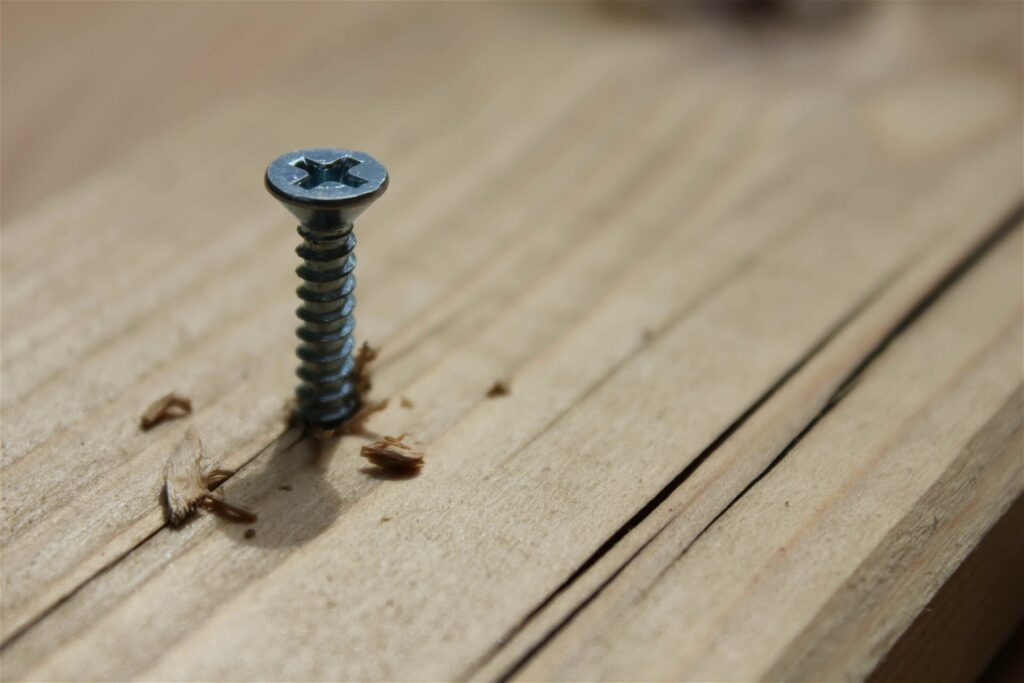
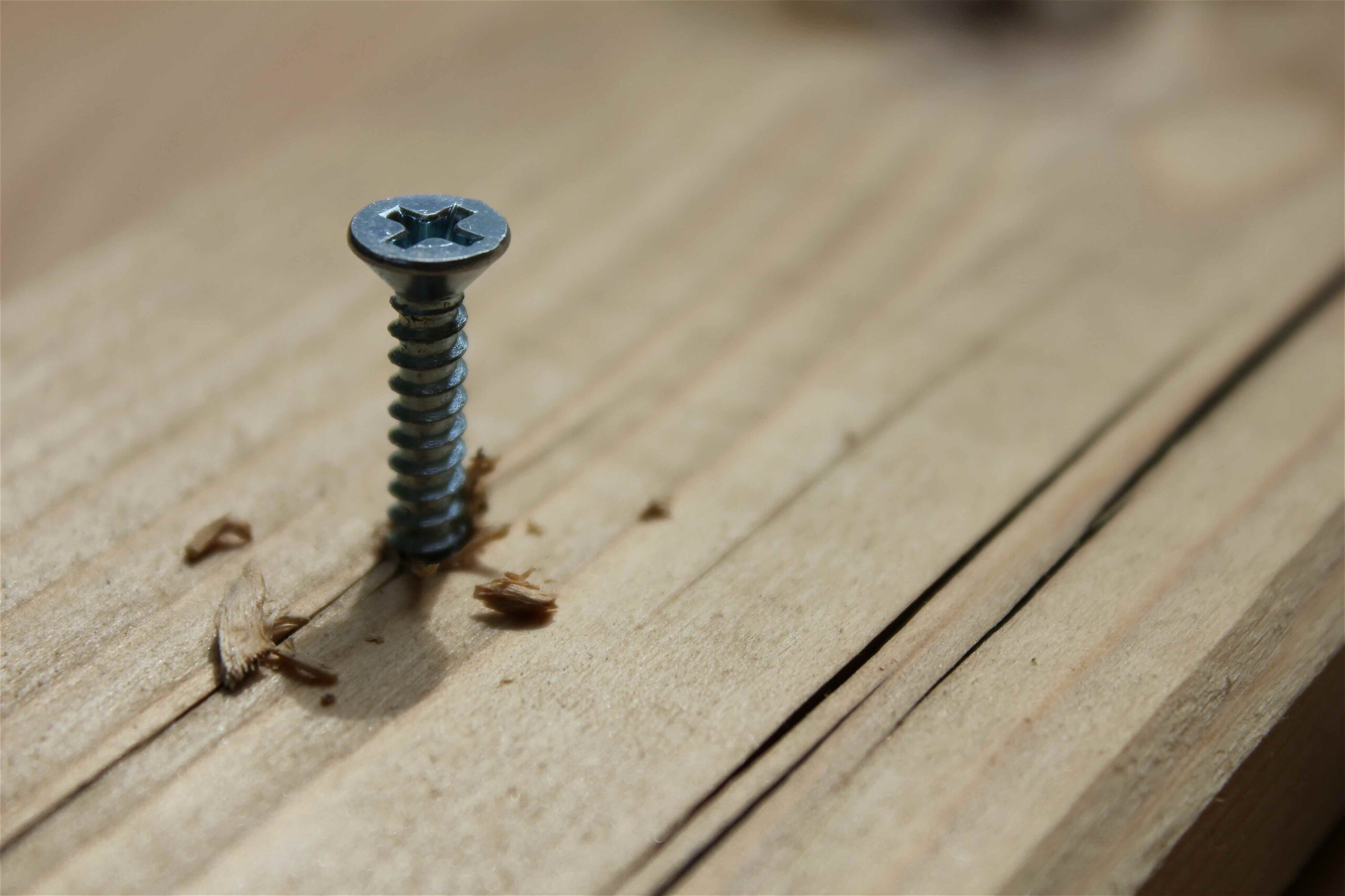
There is a moment every homeowner knows too well. You are mid-repair, everything is going fine, and then you look down and see it — a tiny screw with a stripped head, frozen in place, completely refusing to cooperate. It sounds minor. It is not. Whether you are working on an appliance panel, a light fixture, a thermostat housing, or a cabinet hinge, small screws are everywhere inside a home, and when they fail to come out cleanly, the entire job stalls. Understanding how to remove stubborn tiny screws is genuinely useful knowledge, and pairing that knowledge with a solid home warranty plan takes a lot of the pressure off when the repair itself turns into something bigger than expected.
What Types of Tiny Screws Will You Actually Encounter at Home
Not all small screws are created equal, and the type you are dealing with determines the approach you should take. In most residential settings, you will run into Phillips head screws, flathead screws, Torx or star-shaped screws, hex screws, and the occasionally infuriating tri-wing screw found in some appliances. Appliance panels, HVAC access covers, electrical outlet plates, under-sink hardware, and cabinetry all rely heavily on these small fasteners. Knowing which type you are working with before you grab a tool saves a lot of damage and a surprising amount of frustration.
The Right Tools Make an Enormous Difference
This is where most homeowners go wrong. They reach for whatever screwdriver is nearby rather than matching the tool to the task. Using the wrong tool is actually what causes most stripped screws in the first place. For tiny screws specifically, a precision screwdriver set is non-negotiable. These sets typically include micro Phillips, flathead, Torx, and hex bits sized appropriately for small fasteners. Alongside those, a rubber band placed over a stripped screw head can add enough grip for the driver to catch. Screw extractors, which are reverse-threaded drill bits designed specifically to bite into damaged heads, are worth keeping in any well-stocked home toolkit. A good pair of needle-nose locking pliers can also work when enough of the screw head is exposed above the surface.
Proven Methods for Removing Stuck or Stripped Tiny Screws
There are several reliable techniques that work consistently across different screw types and surfaces. The method you choose depends on how damaged the head is and what material the screw is embedded in.
- Rubber band grip method: Place a wide rubber band flat over the screw head before pressing the screwdriver in. The rubber fills stripped grooves and provides traction.
- Screw extractor drill bit: Drill a small pilot hole into the center of the screw head, then use the reverse-threaded extractor to back it out.
- Flathead conversion: If the screw is partially stripped, use a rotary tool with a cutting disc to carve a new flathead slot across the top.
- Impact driver tap: Gently tap the back of a hand screwdriver with a mallet while turning. The impact helps break the screw free from corrosion or over-tightening.
- Heat application: For metal components, brief application of heat from a soldering iron near the screw can expand the metal slightly and loosen the grip.

When Tiny Screws Are Symptoms of a Larger Problem
Here is the thing about small screws — they are often the entry point into a much bigger repair conversation. A stripped screw on an HVAC access panel might mean the unit has been serviced repeatedly, possibly due to recurring issues. A screw that will not come out of a dishwasher door panel might be the beginning of discovering a failing latch mechanism or a leaking seal. Appliance repair technicians will tell you that the condition of fasteners often tells a story about the age and maintenance history of a unit. If you are consistently running into corroded or difficult screws throughout your home systems, it may be worth a broader inspection.
Common Mistakes Homeowners Make With Small Fasteners
Rushing is the single biggest mistake. When you apply too much force too quickly with the wrong tool, you strip the head almost immediately, turning a simple task into a complicated extraction job. Using a screwdriver that is even slightly too large or too small for the head is another common error. Neglecting to clean out debris or paint from the screw slot before attempting removal is also problematic, particularly in older homes where layers of paint have accumulated around fasteners over decades. Finally, skipping penetrating oil on corroded screws costs more time in the long run. A product like WD-40 or a dedicated penetrating oil applied a few minutes before attempting removal can be the difference between success and a broken bit.
Preventative Tips to Avoid Stuck Screws in the Future
Prevention is straightforward but consistently overlooked. When reinstalling small screws after a repair, apply a tiny amount of anti-seize compound or thread lubricant to the threads. This makes future removal significantly easier. Do not overtighten — small screws in appliance and fixture housings do not require the same torque as structural fasteners. Finger-tight plus a quarter turn is usually sufficient. Store removed screws in a labeled container so you are reinstalling the correct size in the correct location. Using stainless steel or coated replacement screws when the originals are corroded will also extend the life of the fastener considerably.
How Home Repairs Connect to Your Home Warranty Coverage
When a simple screw removal turns into a broken appliance panel or reveals a failing component, the financial picture changes quickly. A repair that started as a DIY task can escalate into a service call, a parts order, or a full replacement depending on what is discovered. This is precisely where a home warranty provides real value. Home warranty plans cover the repair or replacement of major appliances and home systems when they break down due to normal wear and tear. So when that stuck screw on your HVAC unit leads to the discovery of a failing blower motor, you are not covering that cost out of pocket.
What to Expect When a Technician Handles the Job Instead
Sometimes the right call is to stop the DIY process and bring in a professional. When a screw is embedded in an appliance or system component that is still under a home warranty plan, a covered service call handles everything — the diagnosis, the labor, and the covered parts. Technicians carry the proper extraction tools and replacement hardware as a matter of routine. They are also trained to identify what caused the issue in the first place, which matters when the screw was stubborn because something beneath it was failing. Knowing when to hand off the job is part of being a smart homeowner, not a defeat.
Why Armadillo Is Worth Having in Your Corner for Home Repairs
Every homeowner eventually hits a repair that goes sideways — what started as removing a tiny screw from an appliance becomes a full diagnostic situation with unexpected costs attached. That is exactly the kind of moment where having the right coverage changes everything. Armadillo offers straightforward, transparent home warranty plans built for the way real homeowners actually live. There are no confusing exclusions stacked in fine print and no runaround when you need a repair handled. If you want to understand what genuine appliance and systems protection looks like, explore Armadillo’s home warranty coverage options for appliances and major systems and see how the plans are structured. When you are ready to take the next step, you can get a free home warranty quote for your appliances and home systems in seconds without any pressure or commitment. Armadillo exists to make home ownership less stressful, and that philosophy runs through everything from how the plans are priced to how claims are handled.

Frequently Asked Questions About Removing Tiny Screws and Home Warranty Coverage
Homeowners ask a lot of practical questions about small fastener removal and how it connects to appliance care and warranty coverage. Here are straightforward answers to the most common ones.
What is the easiest way to remove a stripped tiny screw at home?
The rubber band method is usually the first technique to try. Place a rubber band over the stripped head, press a properly sized screwdriver firmly into it, and turn slowly. The rubber fills in the damaged grooves and provides enough grip for most lightly stripped screws.
What tool works best for removing very small screws from appliances?
A precision screwdriver set with interchangeable micro bits is the most effective option. These sets are sized for the small fasteners used in appliance housings, thermostat panels, and fixture covers where standard screwdrivers are too large to engage properly.
Can a stripped screw damage an appliance if forced out incorrectly?
Yes. Forcing a stripped screw with the wrong tool or excessive pressure can crack plastic housings, gouge metal panels, or push debris into the component. If the screw will not come out with standard methods, a screw extractor or professional technician is the safer path.
Does a home warranty cover repairs caused by stuck or stripped screws?
Home warranties typically cover the failure of covered appliances and systems due to normal wear and tear. If a stuck screw is part of a component failure rather than the result of improper DIY work, the underlying repair may be covered depending on the specifics of your plan.
How do I know if a screw is metric or standard when buying a replacement?
Bring the original screw to a hardware store and use a thread gauge to match it. Appliances manufactured outside the United States frequently use metric fasteners, while most standard home fixtures use imperial sizing. A mismatch will cause cross-threading and make future removal even harder.
Is penetrating oil safe to use near appliance components?
Most penetrating oils are safe to use on metal fasteners as long as they are kept away from electrical contacts, rubber seals, and painted surfaces. Apply sparingly with a precision applicator and allow it to soak for several minutes before attempting removal.
What should I do if a tiny screw breaks off inside an appliance panel?
If the broken piece is flush with or below the surface, a screw extractor set is the appropriate tool. If the break leaves a stub protruding above the surface, needle-nose locking pliers can grip and rotate it out. For components covered under a home warranty, filing a service request and letting a technician handle it is often the cleanest solution.
Can I use a power drill to remove a stuck tiny screw?
Using a power drill on tiny screws requires caution. A drill set to its lowest torque setting with a properly sized bit can work, but high speed or excess torque will strip the head instantly. A manual screwdriver with better grip control is recommended first, with the drill reserved for extraction steps like pilot holes for screw extractors.
How does a home warranty handle appliance repairs that start as DIY projects?
Most home warranty plans cover repairs when a covered appliance or system fails due to normal wear and tear, regardless of whether the homeowner attempted initial access. However, if the claim involves damage caused by the DIY attempt itself, coverage can be affected. Reading your plan terms carefully and contacting your warranty provider before starting work is always the better approach.
How often do tiny screws need to be replaced in home appliances?
Screws in appliance housings and access panels do not have a fixed replacement schedule, but they should be inspected any time they are removed. Corrosion, worn threading, and damaged heads are signs a screw should be replaced rather than reinstalled. Keeping a small assortment of common replacement sizes on hand makes this a quick step rather than a separate hardware store trip.