Understanding Roof Leaks: What Homeowners Need to Know
Roof maintenance can feel like a mystery until water starts dripping through the ceiling. Suddenly, that one forgotten home component becomes the epicenter of immediate concern. Roof leaks are among the most common and costly challenges homeowners face, and yet many don’t understand how roofing systems work, what leads to leaks, and how to prevent or spot them early. As part of a comprehensive home warranty strategy, understanding roof leaks is essential to safeguarding the rest of your home. Here’s what you really need to know to keep your roof—and everything beneath it—dry and protected.
What Exactly Is a Roofing System?
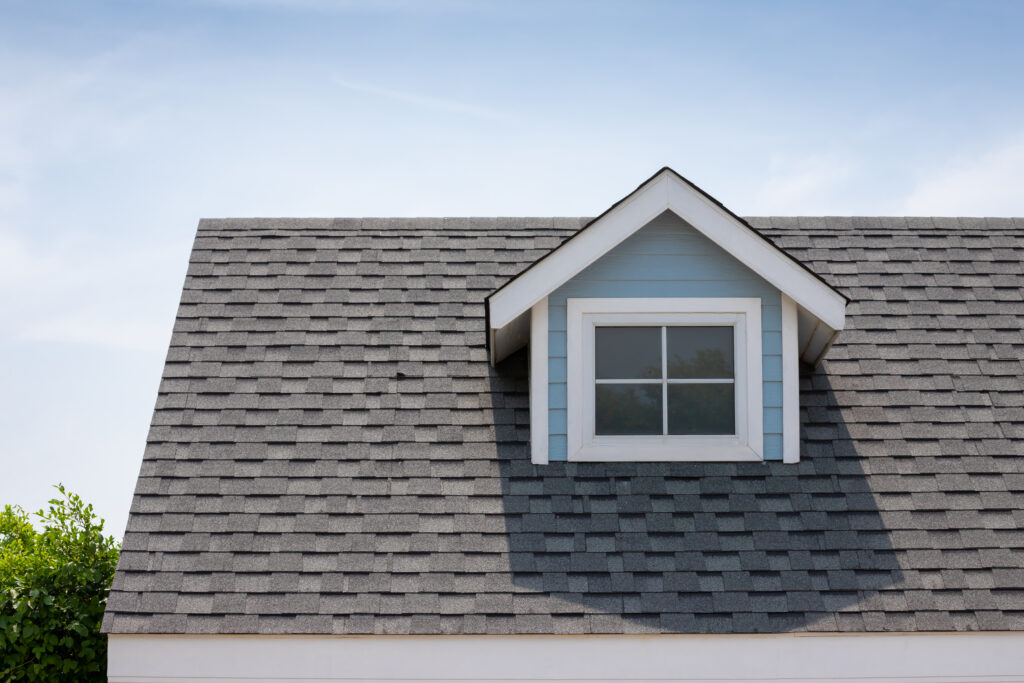
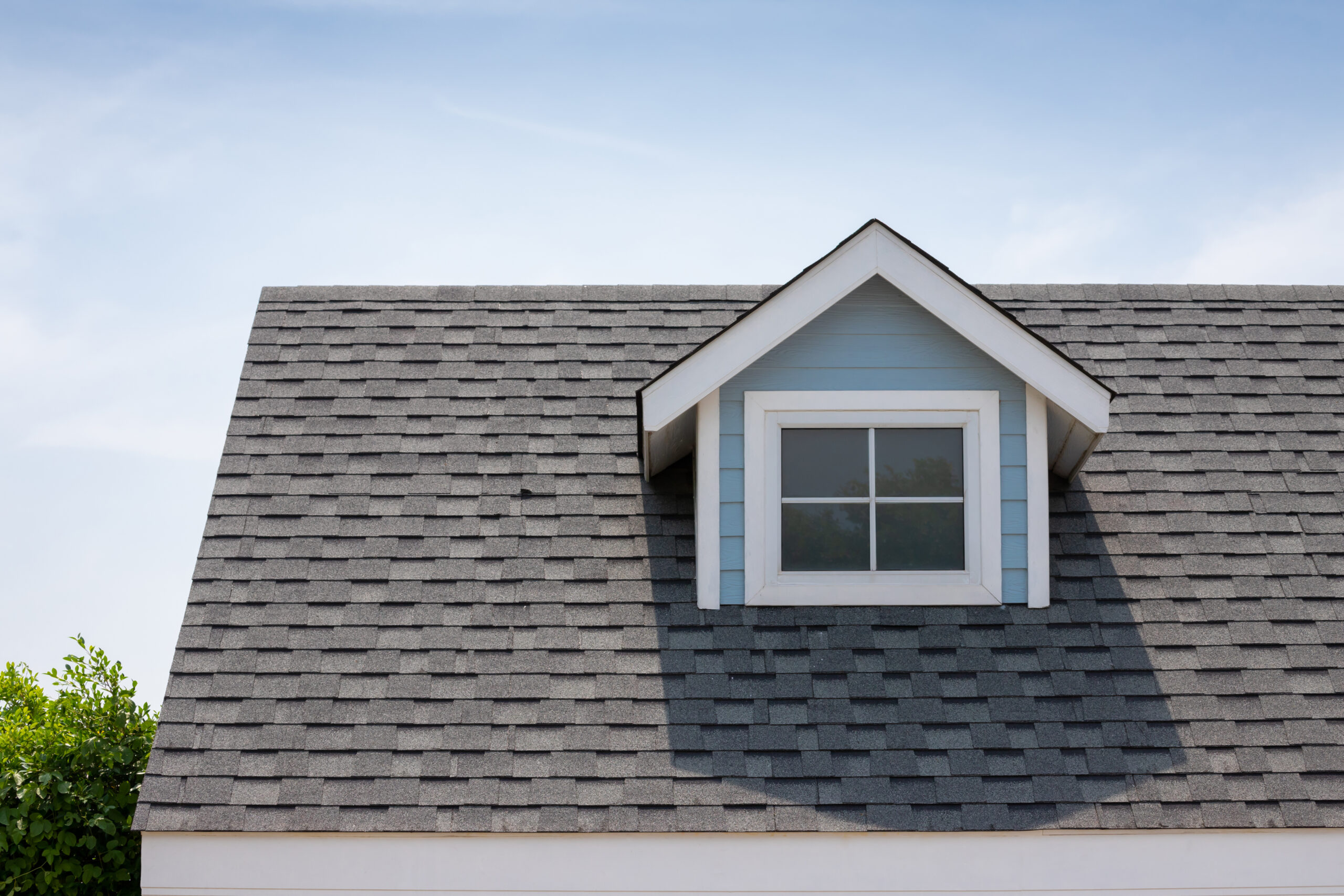
A roof is more than a shingled surface keeping precipitation out. It’s a system made up of layers that work together to protect your home from weather, manage water runoff, enhance energy efficiency, and even support structural integrity. The primary components include the decking (base layer of wood sheathing), underlayment (moisture barrier), flashing (metal strips to direct water away from seams), shingles or tiles (outermost layer), vents (for attic airflow), and gutters (water drainage). Each piece plays a specific role. If one fails, it puts the entire structure at risk. A leak might seem small at its origin, but the disruption it causes can spread rapidly.
How Do Roof Leaks Start?
Leaks form when water finds an unintended path through the protective layers of your roof and into the home’s structure. This is usually due to wear and tear, storm damage, or improper installation. Common culprits include cracked flashing, compromised shingles, deteriorated sealant around vents or chimneys, and clogged gutters that allow pooling. In colder climates, ice dams are notorious for creating leaks along the roof edge when snowmelt refreezes and traps moisture. Left undetected, even a minor break in the roofing barrier can lead to insulation damage, structural wood rot, mold, and eventual ceiling stains or collapse.
Warning Signs of a Potential Leak
Early detection is the best defense. While roof components aren’t easily visible from ground level, there are signs homeowners can monitor from inside and out. Indoors, look out for water spots on the ceiling, bubbling or peeling paint, or mold odors. In the attic, note any daylight coming through the rafters or damp insulation. Outside, missing shingles, warped flashing, or sagging gutters are red flags. Performing seasonal inspections—especially after storms—can catch damage before it becomes a larger issue. Neglecting symptoms because they seem minor can lead to expensive complications that impact more than just the roof.
Preventing Roof Leaks Through Maintenance
Roofs aren’t immune to aging, but proactive care extends their lifespan and prevents premature failure. Annual maintenance should include clearing gutters of debris, trimming overhanging trees, checking for rust on flashing, and repairing missing or buckled shingles. Attic ventilation and insulation also play a crucial role in temperature regulation—preventing ice dams and moisture buildup from within. A professional roof inspection every one to two years identifies hidden damage or wear patterns before water breaches the interior. Homeowners should establish this as part of their long-term home care plans, alongside HVAC servicing or pest prevention.
The Financial and Structural Toll of Ignored Leaks
A roof leak isn’t just an inconvenience—it can be a gateway to extensive structural damage. Once water infiltrates insulation, wood, or drywall, there’s a compounding effect: lowered energy efficiency, increased susceptibility to mold, and deterioration of foundational components. Repairing flooring, ceilings, and even electrical wiring damaged by leaks can cost thousands of dollars. More importantly, the home’s resale value can take a hit if a roof issue is left unaddressed. Insurance may not always cover damage if it’s deemed the result of neglect, which leaves homeowners with out-of-pocket expenses that could have been avoided through earlier intervention or protective coverage.
How Roof Coverage Works in a Home Warranty
Traditional homeowners insurance generally covers catastrophic roof damage from uncontrollable events like fire or windstorms. It does not usually cover aging or normal wear and tear—where most leaks originate. This is where a home warranty fills in the gaps. Through a service agreement, homeowners can receive protection for leak-related repairs stemming from deterioration, shifting materials, or flashing breakdowns. Not all home warranty plans include roof leak coverage by default, so it’s important to review options thoroughly. A well-structured home warranty not only manages repair costs but simplifies homeowner response when something goes wrong. Prompt fixes help reduce long-term damage, while a vetted professional handles the repair confidently and efficiently.
When to Repair, Reseal, or Replace a Roof
There’s no one-size-fits-all approach when a roof begins to fail. Isolated leaks or flashing issues are usually candidates for repair. Problems near vents, skylights, or chimneys often call for resealing of seals and joints. However, if a roof nears the end of its expected lifespan—typically 20 to 30 years for asphalt shingles—and shows signs of widespread deterioration or sagging, replacement is more cost-effective long-term. Most importantly, if water damage has compromised underlying structures, patching may be insufficient. In such situations, relying only on temporary fixes could delay necessary action and create larger costs down the road. A trusted inspection and professional consultation provides clarity on the best path forward.
Protect Your Roof and Beyond with Armadillo
A leaky roof doesn’t have to spiral into overwhelming repairs. With the right strategy, quick detection, and smart coverage, you can confidently protect your home from top to bottom. That’s where Armadillo steps in. Offering modern home warranty plans designed to work the way homeowners live today, Armadillo ensures leaks and other wear-and-tear issues don’t become financial burdens or time sinks. Our optional roof leak coverage helps address gaps insurance may miss, giving you comprehensive protection when and where it’s needed most. Learn more about our services at Armadillo.one or get started today with a customized plan at our plan builder. Because one drip shouldn’t lead to a downpour of stress.